
The Upper Silesian Pole Subjected to Forced Labour
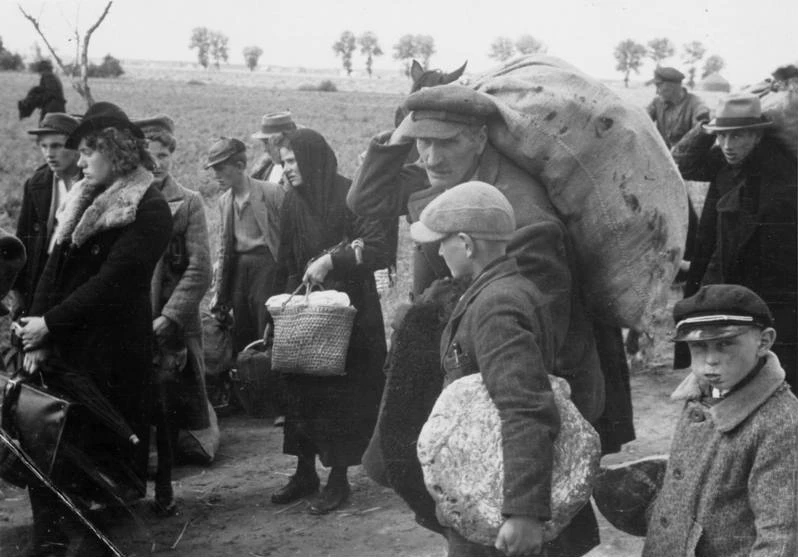
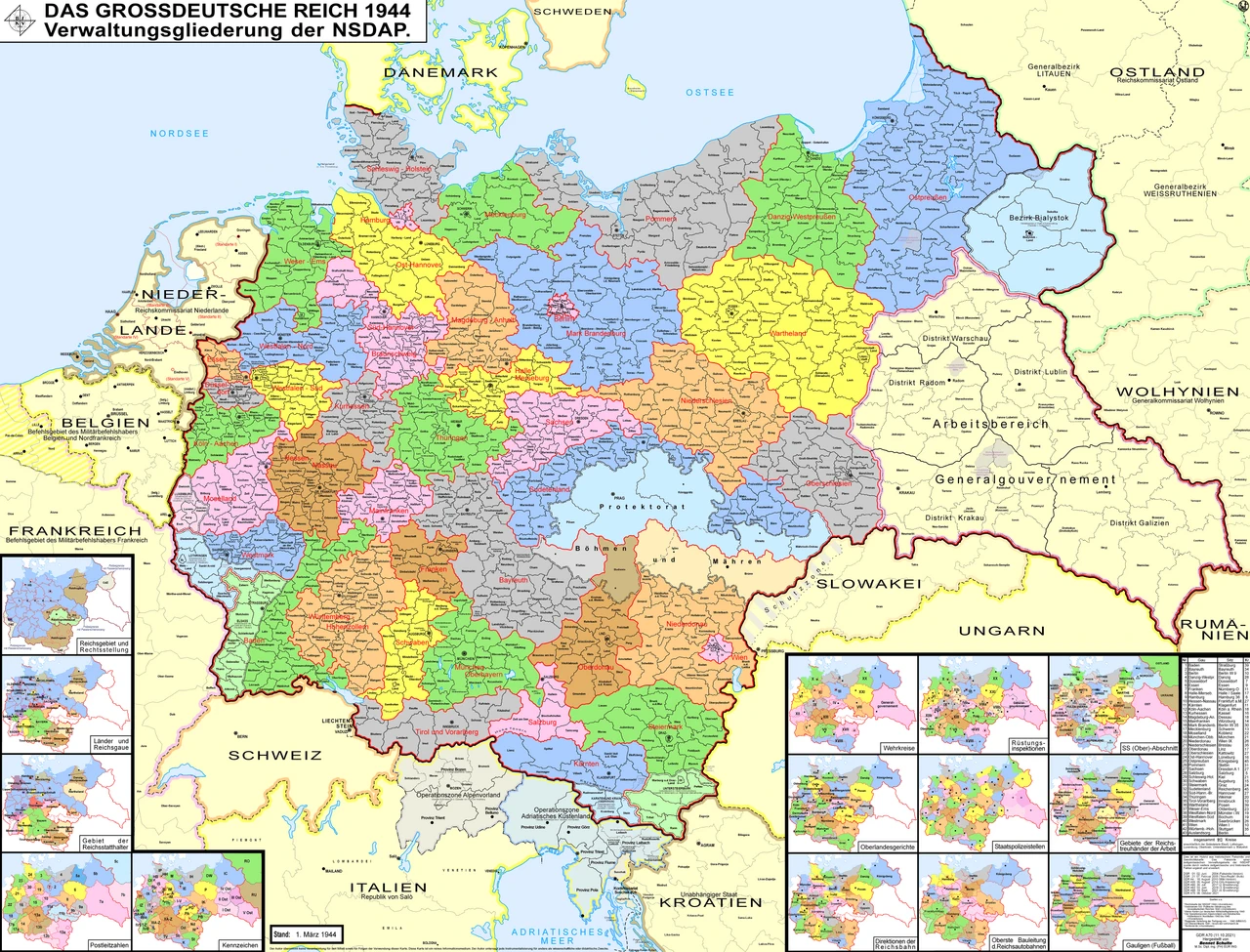
After the invasion of September 1939, Polish Upper Silesia is annexed to the Reich. In 1940, the occupier imposes a regime of forced labour on the Poles: the "Polish Decrees" of 8 March 1940 codify a system of coerced labour, with workers assigned by the labour offices (Arbeitsämter) to the mines, heavy industry, and agriculture.
Polish workers are subjected to an inferior legal status, lower pay, and harsh penalties for any absence or "indiscipline." Refusing an assignment, abandoning one's post, or fleeing to the General Government risks arrest, the camps, even death.
A Silesian miner summoned by the Arbeitsamt must decide: obey and work under this regime, drag his feet and sabotage in secret, or try to slip away by leaving the region.
Should the Polish worker submit to forced labour, resist in secret, or flee?
The overwhelming majority of Poles subjected to forced labour comply with their assignments, for lack of any alternative: police surveillance, sanctions, and the threat of the camps make open refusal all but suicidal. Upper Silesia becomes a linchpin of the German war effort (coal, metallurgy), and the forced labour of Poles there foreshadows the system of foreign-labour exploitation that would spread across all of occupied Europe. Forms of quiet resistance (slowdowns, minor sabotage, individual escapes) do exist but remain marginal in the face of the repressive apparatus.
Learn more about this event
Related polls
10
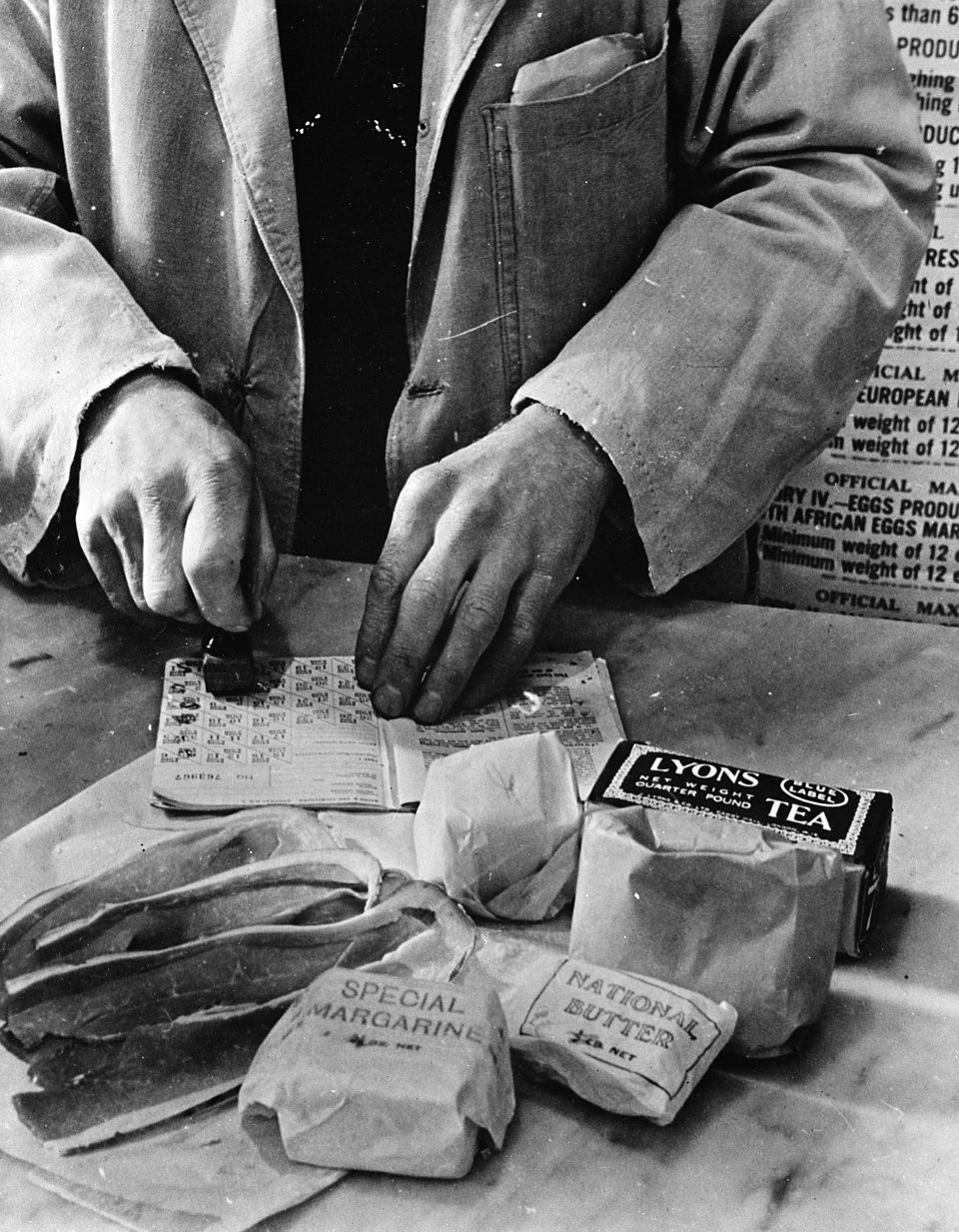
British rationing — Morrison and the principle
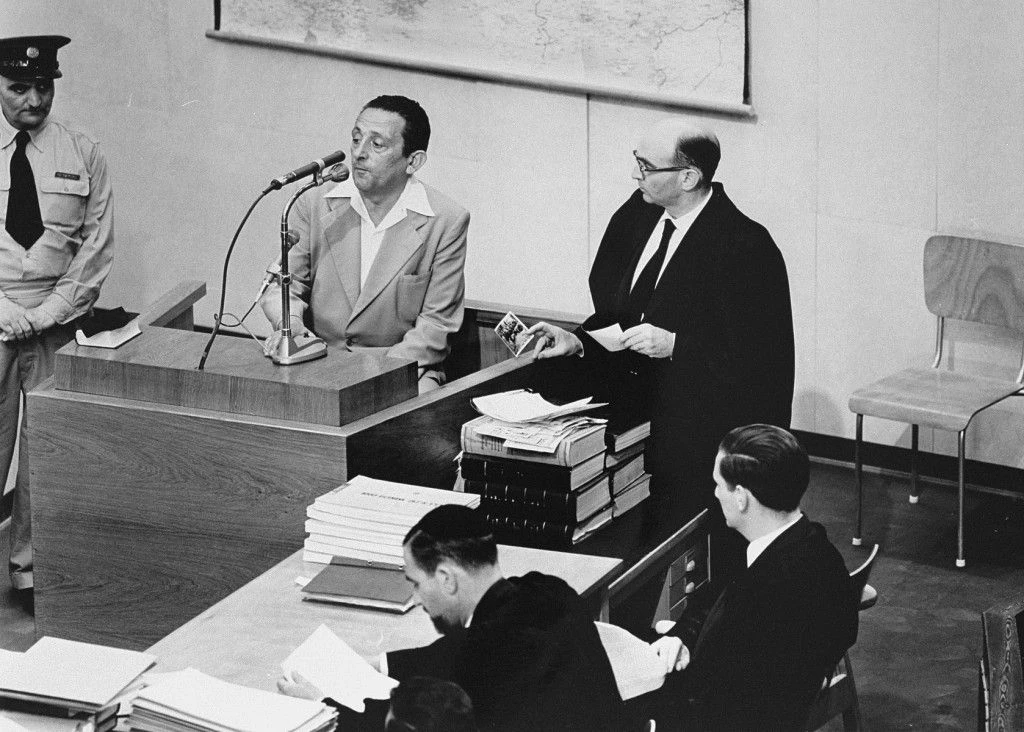
Biebow at Litzmannstadt — 8 February
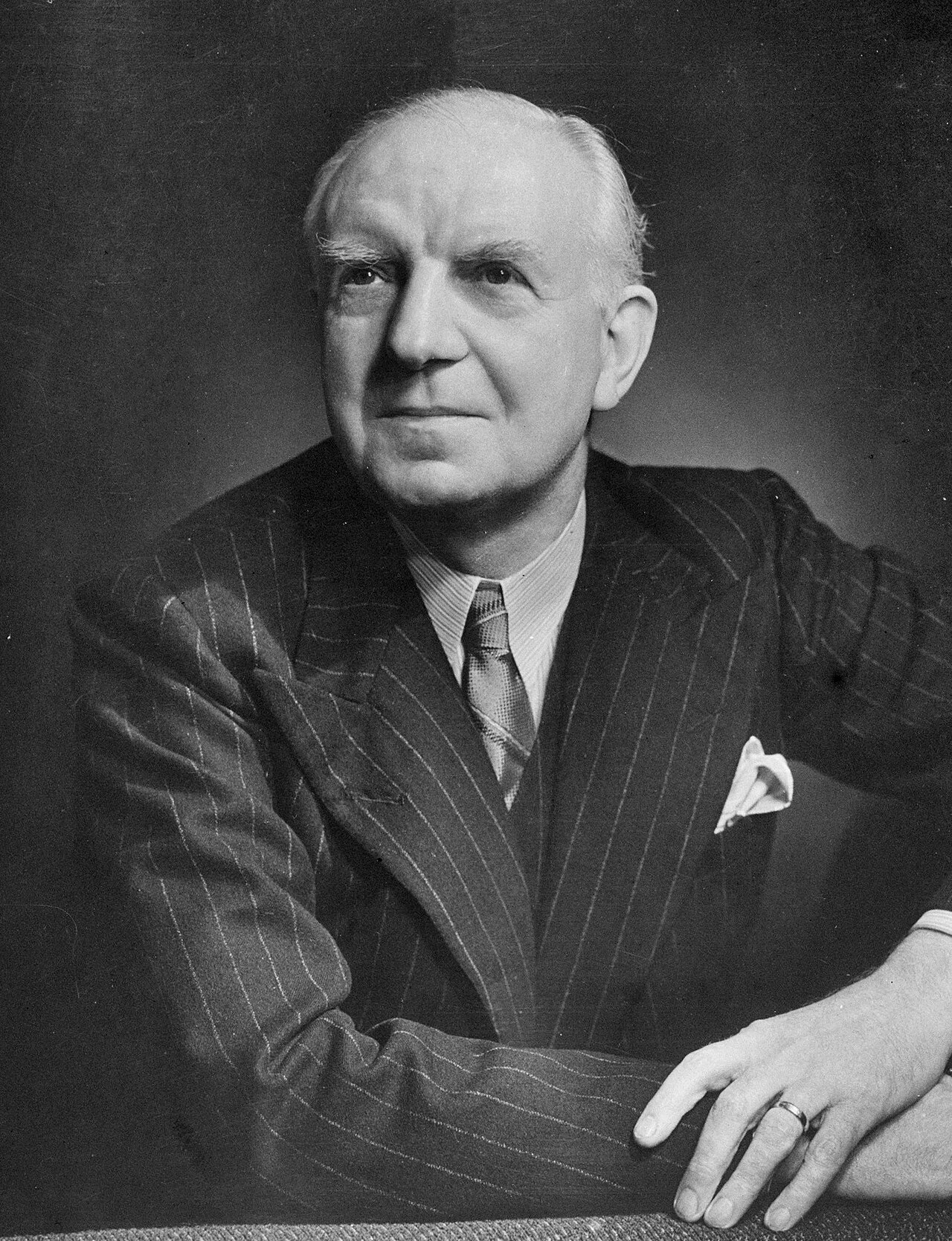
British rationing put to the test in 1941
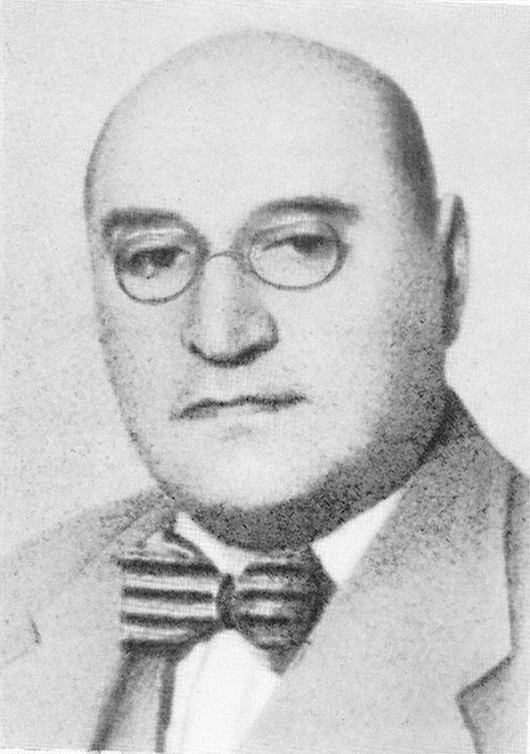
Czerniaków — the offer of the Judenrat
The Warsaw Student and the Black Market
France's March 1940 Ration Card
A Schoolteacher of Poznań under the Wartheland
Danzig, September 1939 — the policeman of the Free City
The Gold of the Bank of Poland — the destination of the SS Eocene
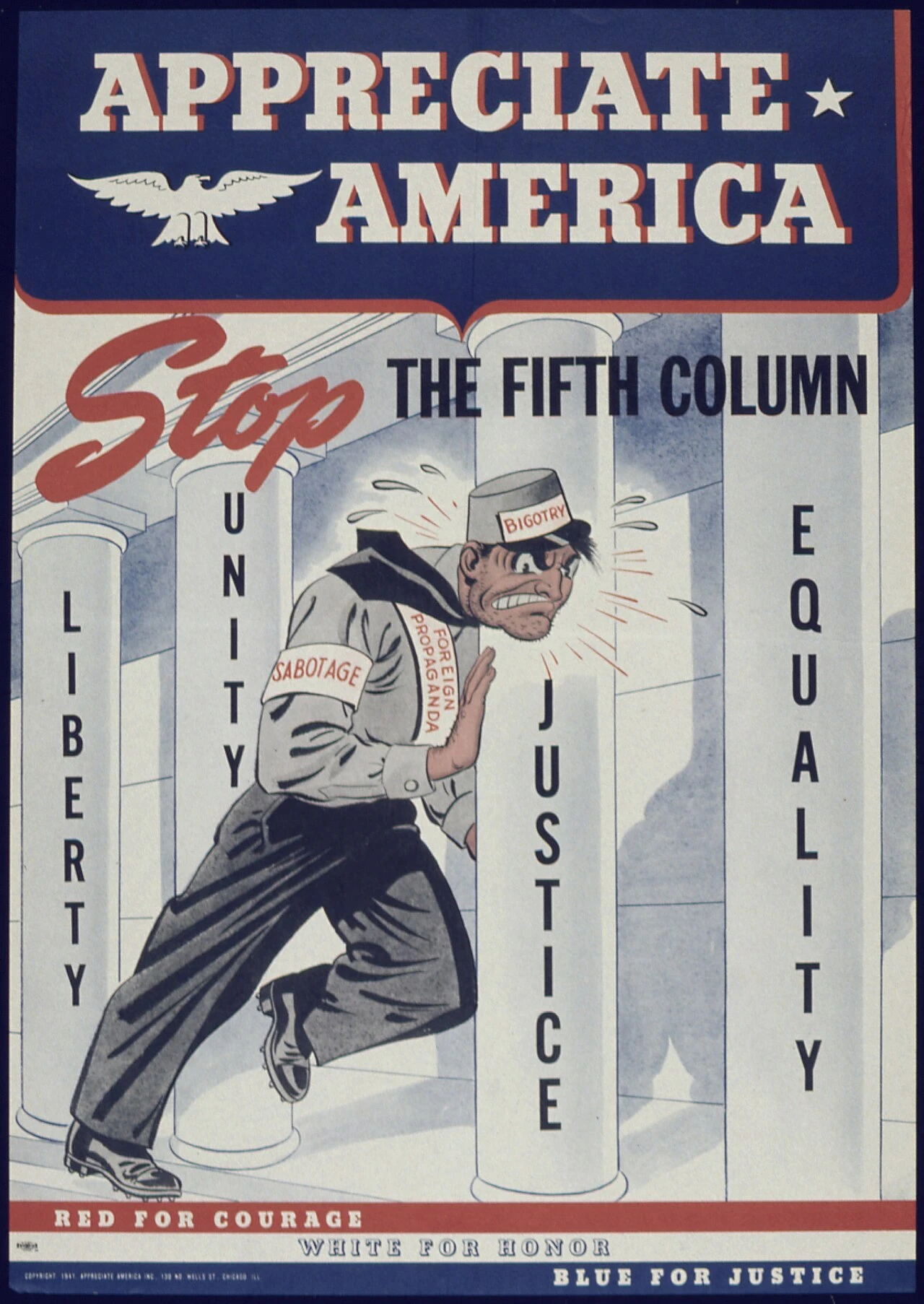
The fifth-column psychosis
British rationing — Morrison and the principle
Biebow at Litzmannstadt — 8 February
British rationing put to the test in 1941
Czerniaków — the offer of the Judenrat
The Warsaw Student and the Black Market
France's March 1940 Ration Card
A Schoolteacher of Poznań under the Wartheland
Danzig, September 1939 — the policeman of the Free City
The Gold of the Bank of Poland — the destination of the SS Eocene