
Hess — the fixed idea of a separate peace
, 47, was Deputy to the Führer (Stellvertreter), long the number two of the Nazi Party and one of Hitler's oldest faithful followers. But as the war spread, his real influence was declining in favour of rivals such as Bormann or Göring. Hess clung to a fixed idea: Germans and British, 'Germanic' peoples, should not be making war on one another; an agreement was possible before Germany turned eastward.
A passionate pilot, he had secretly conceived a personal and senseless project: to fly himself to Scotland to meet the Duke of Hamilton, whom he believed influential and favourable to peace, and negotiate directly an arrangement over the heads of British leaders. He did not know that Hamilton had neither this power nor this intention, and that Churchill would never yield.
Hess faced a heavy choice: renounce a project doomed to failure that would cover him in ridicule; refer the matter to Hitler, who would certainly forbid it; or go ahead and attempt alone, clandestinely, this flight toward the enemy, madly betting on a separate peace on the eve of Barbarossa.
Should Hess attempt his secret flight to Scotland alone?
Hess chose C. On 10 May 1941, he took off alone from Augsburg at the controls of a Messerschmitt Bf 110, crossed the North Sea and parachuted near Eaglesham, south of Glasgow, where he was immediately captured. His approach was a total fiasco: the British interned him as a prisoner and entertained no negotiation; Hitler, furious and embarrassed, publicly declared him the victim of mental disorders and had his entourage arrested. Bormann inherited his party functions. The affair, occurring six weeks before the attack on the USSR, fed countless speculations. Hess remained a prisoner until the end of the war, was sentenced to life at Nuremberg and died at Spandau prison in 1987, the last inmate of that Berlin jail.
Learn more about this event
Related polls
10
Auchinleck replaces Wavell
An emissary to judge whether the island will hold
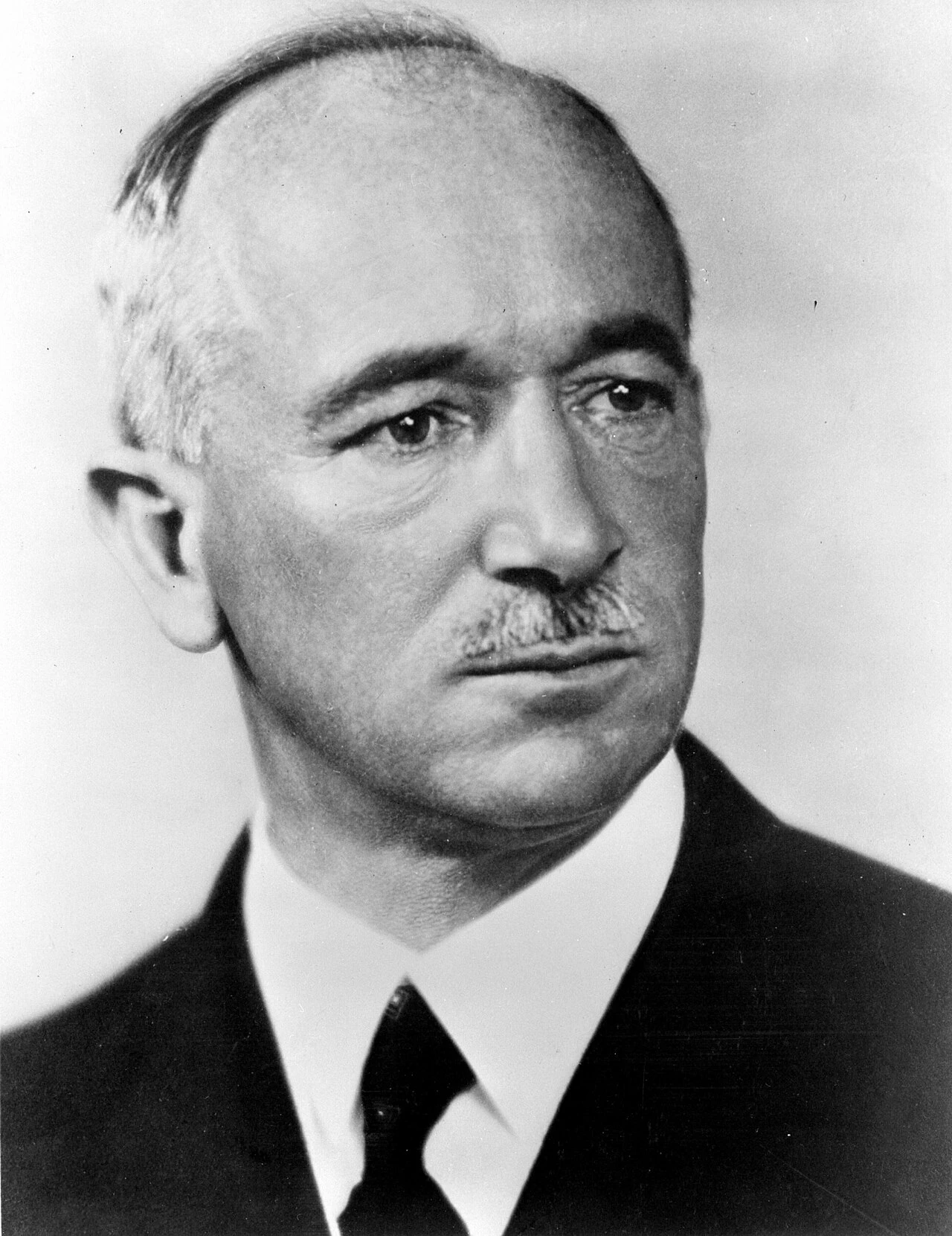
Beneš in London — autumn 1939
Chamberlain — 11:15 BST
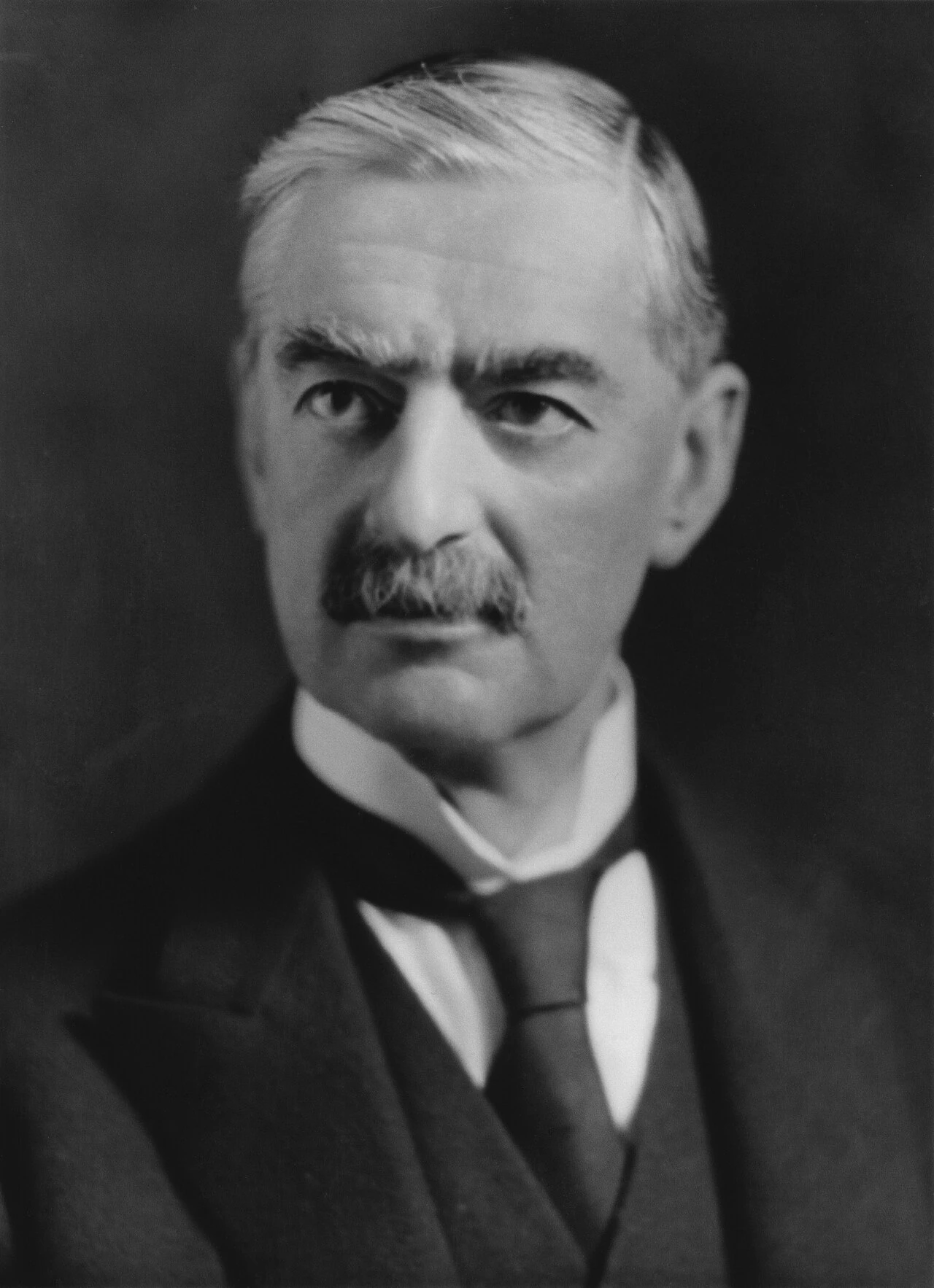
Chamberlain at Central Hall — 4 April
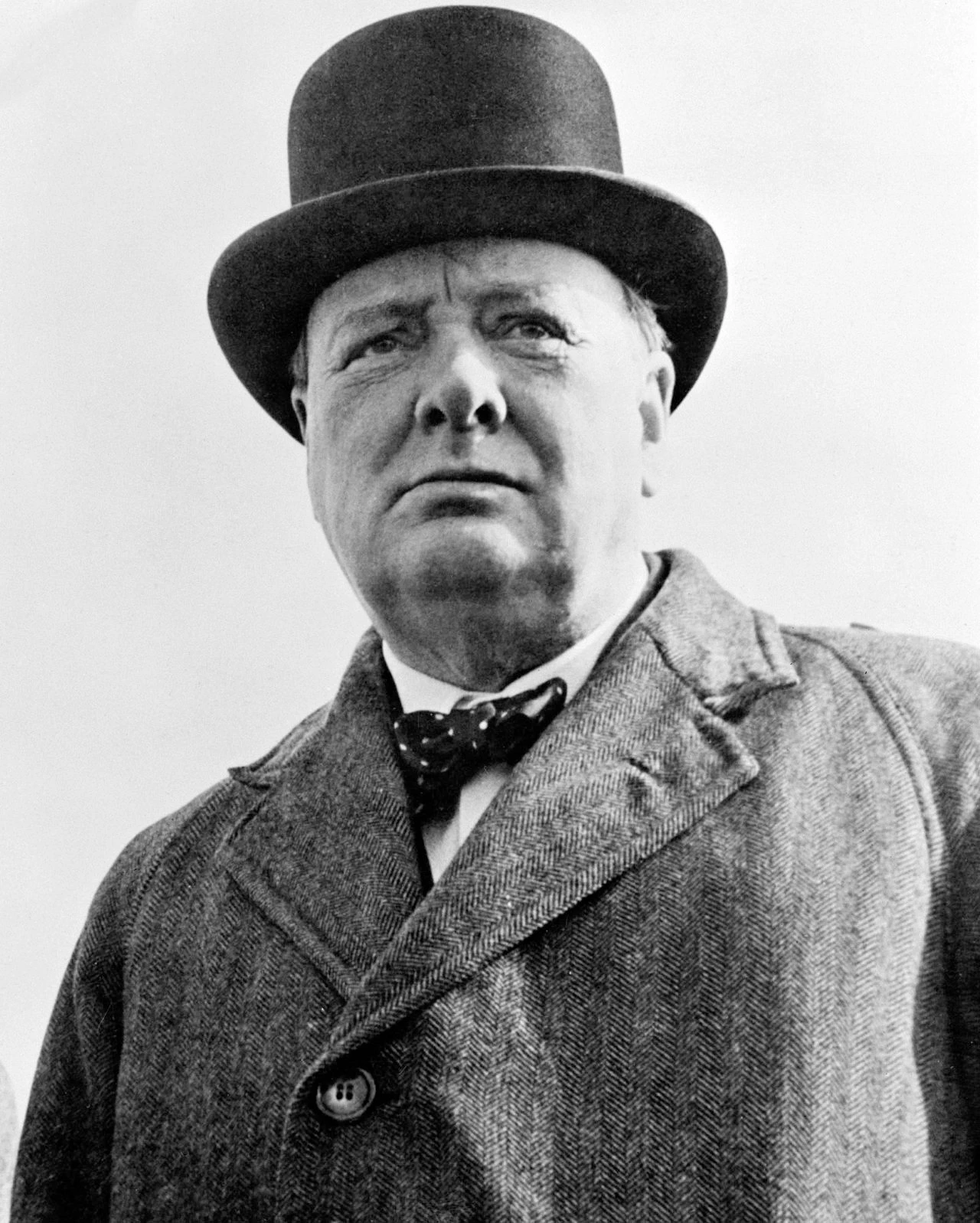
Churchill in power
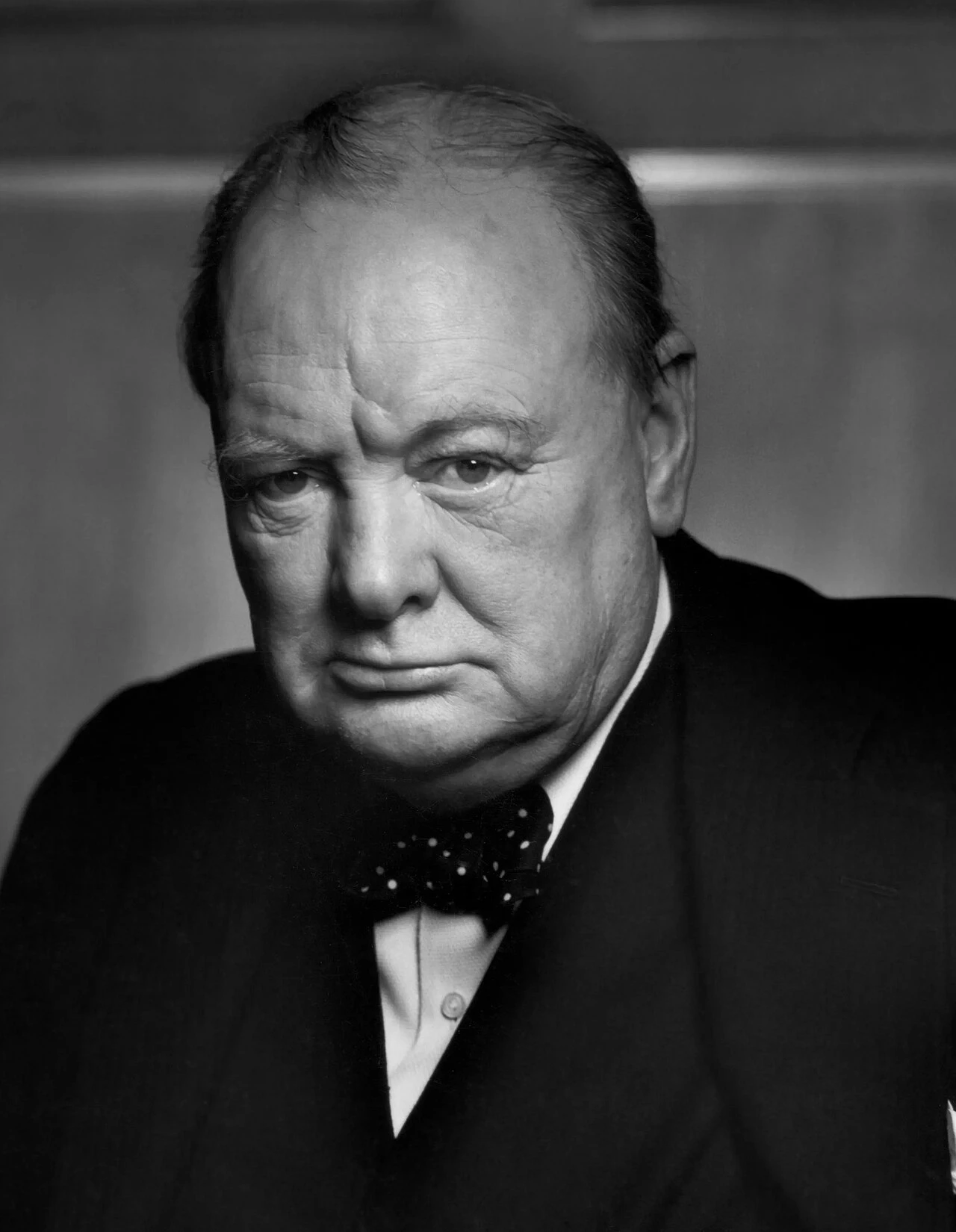
Churchill before the 25 ministers — 28 May 18:00
Churchill before the Commons — 4 June
Casting Out the Victors — Air Ministry, November 1940
Halifax at the War Cabinet — 25 May 18:00
Auchinleck replaces Wavell
An emissary to judge whether the island will hold
Beneš in London — autumn 1939
Chamberlain — 11:15 BST
Chamberlain at Central Hall — 4 April
Churchill in power
Churchill before the 25 ministers — 28 May 18:00
Churchill before the Commons — 4 June
Casting Out the Victors — Air Ministry, November 1940