
The Parisian concierge facing informing under the Occupation
In Occupation-era Paris, the concierge occupied a singular position, at the hinge of the intimate and of authority. From her lodge, near the only door, she saw who came and went, distributed the mail, and knew the habits of every tenant. This role as guardian of the threshold made her, in the eyes of the French police and the occupier (Kommandantur, Feldgendarmerie), a witness of the first order. The historian estimated at several million the number of denunciation letters sent during the war to the Gestapo or the police.
Informing was actively encouraged: the occupier promised rewards (an Allied airman was worth several thousand francs). To this were added more mundane motives: neighbourhood grudges, antisemitism, conflicts over money or housing. The anonymous letters came rather from modest backgrounds, while notables readily signed their denunciations. But this position of surveillance predisposed one as much to protect as to betray: many sheltered Jewish tenants or warned of an announced raid.
The concierge's daily dilemma summed up that of millions of ordinary French people: faced with suspicious behaviour, should one feed the machinery of repression, keep silent, or risk giving warning?
Seeing a tenant come home under suspicious circumstances, should the concierge report him to the authorities, say nothing, or warn him?
The great majority of Parisian concierges did not denounce: silence and passive non-cooperation were the norm, and many of them, on the contrary, protected Jewish or wanted tenants. A minority did indeed inform, sometimes for money, sometimes out of antisemitism or grudge, feeding the millions of reports sent during the Occupation to the French police and the German authorities. The figure of the "informer concierge" was greatly amplified after the war; historians show that the role predisposed one as much to help as to betrayal. Informing remains one of the darkest and most studied aspects of French society during the dark years.
Learn more about this event
Related polls
10
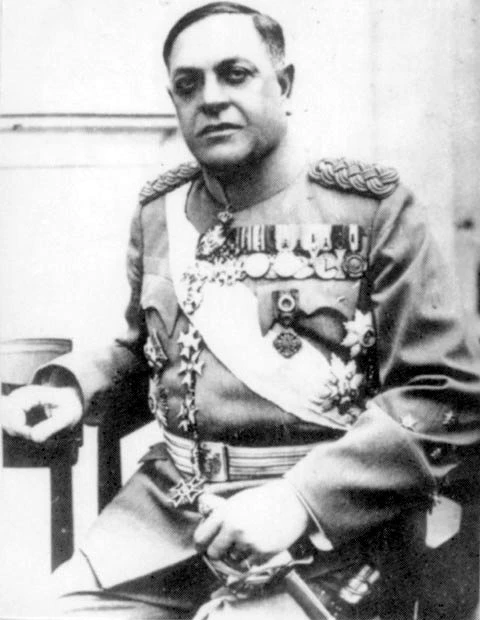
The Belgrade schoolteacher under the occupation
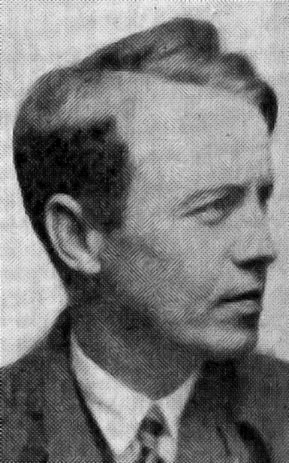
Oslo, September 1941: The Milk Strike
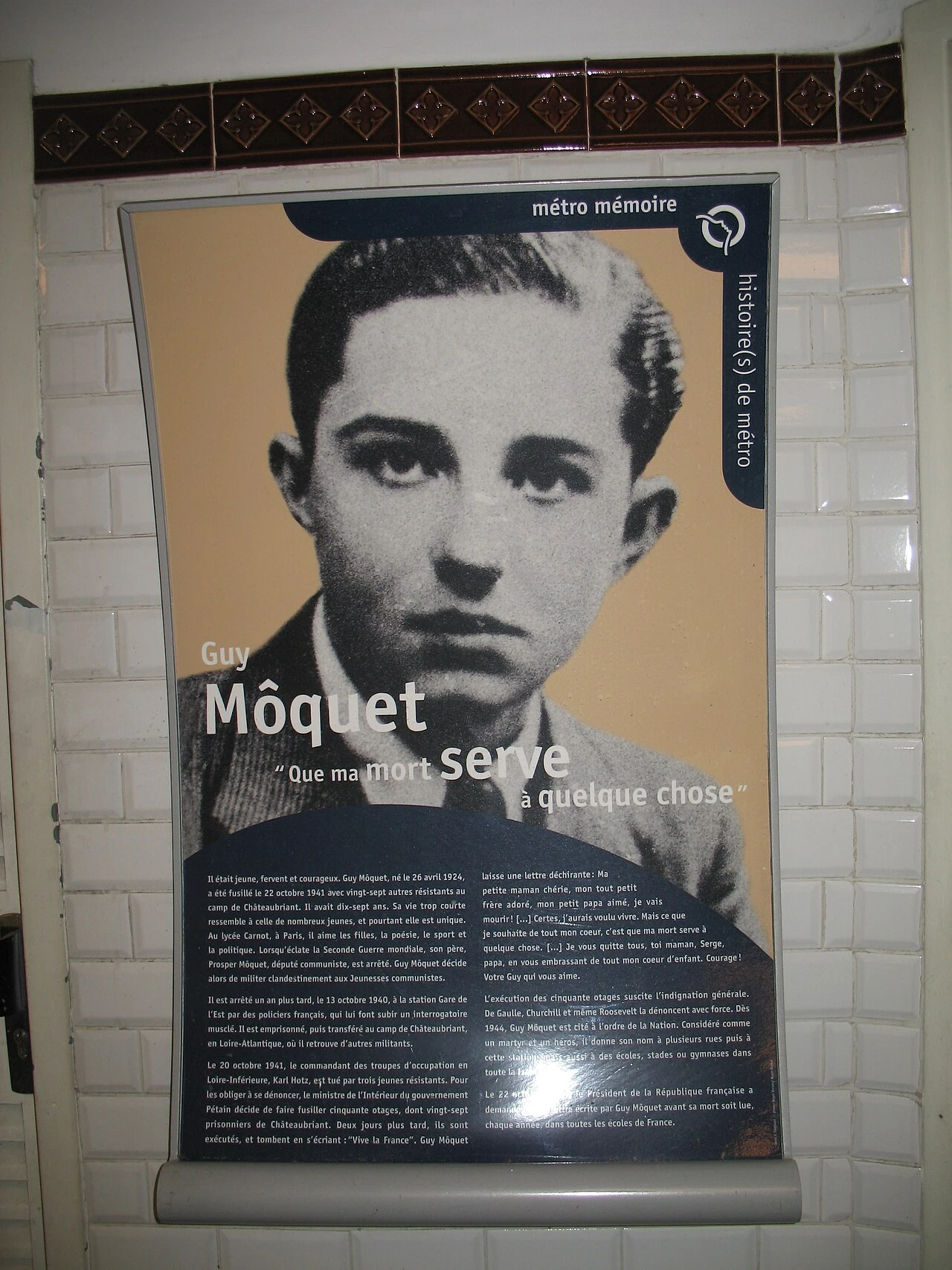
Châteaubriant: The List of Hostages
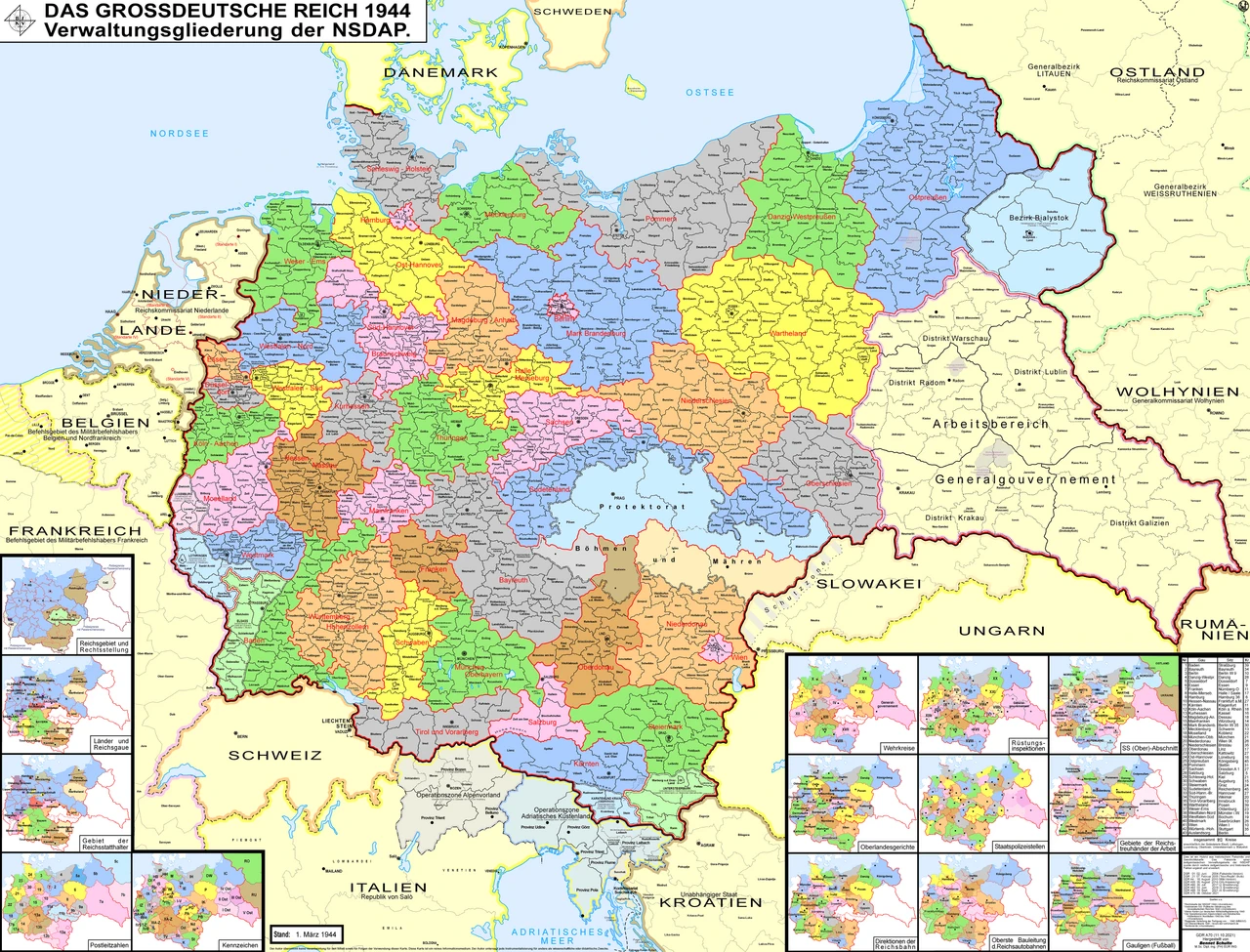
A Schoolteacher of Poznań under the Wartheland
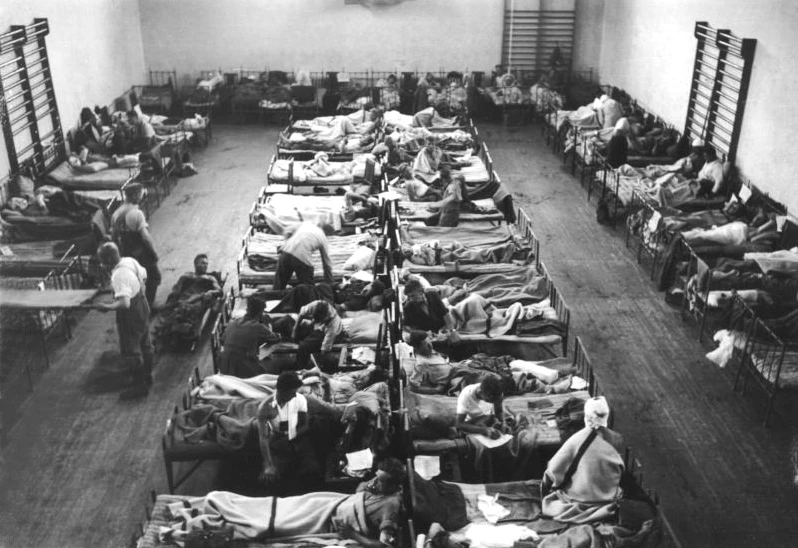
A French nurse facing a wounded enemy soldier
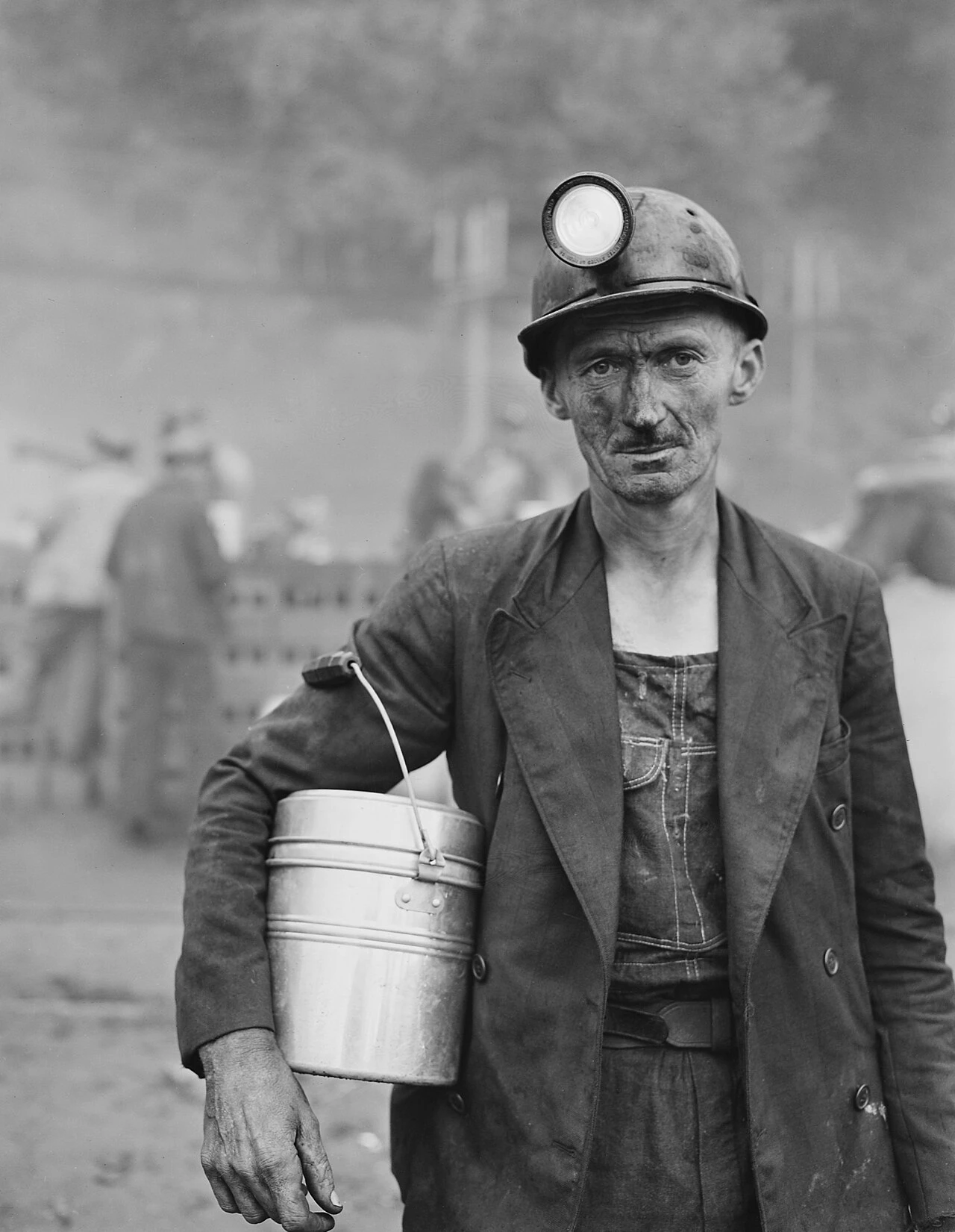
At the Dahomey pit, the morning of team-rate pay
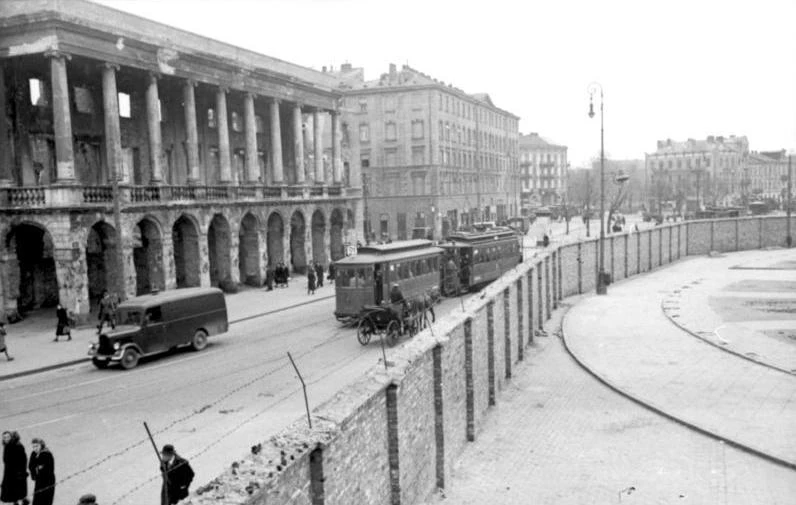
Studying in the Warsaw Ghetto
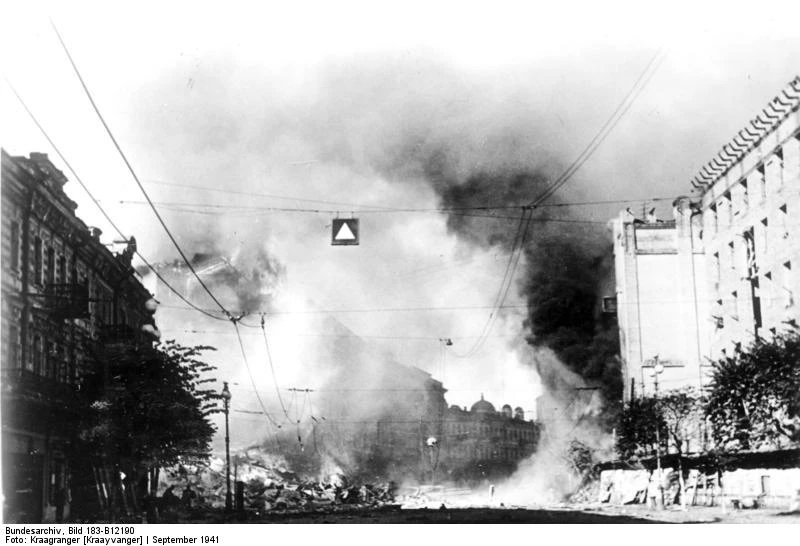
Kiev, September 1941: A Neighbor Facing Babi Yar
Annexed Menton and the Italian occupier

The Camps of the Retirada
The Belgrade schoolteacher under the occupation
Oslo, September 1941: The Milk Strike
Châteaubriant: The List of Hostages
A Schoolteacher of Poznań under the Wartheland
A French nurse facing a wounded enemy soldier
At the Dahomey pit, the morning of team-rate pay
Studying in the Warsaw Ghetto
Kiev, September 1941: A Neighbor Facing Babi Yar
Annexed Menton and the Italian occupier