
In 1939, Dutch military aviation has only a handful of modern fighters. Fokker, in Amsterdam, is juggling several aircraft: the D.XXI, a monoplane already outdated but simple to produce; the G.I, a heavy and ambitious twin-engine aircraft; and the D.XXIII, a twin-engine prototype that is still unproven.
Funds are tight and military orders are weak. Every guilder invested in one program is a guilder taken away from the others.
Eighteen months out from a possible invasion, Fokker must decide: bet on the promise of a new aircraft, gamble on the twin-engine, or secure the production of what already exists.
Which fighter should Fokker concentrate its limited resources on before the war?
Fokker favored the series production of the D.XXI, already available, rather than committing its limited funds to the D.XXIII (which would remain a prototype) or staking everything on the G.I. In May 1940, the few operational D.XXI aircraft fought courageously but were outclassed by the German Messerschmitt Bf 109, and Dutch aviation was crushed within a few days.
Learn more about this event
Related polls
10
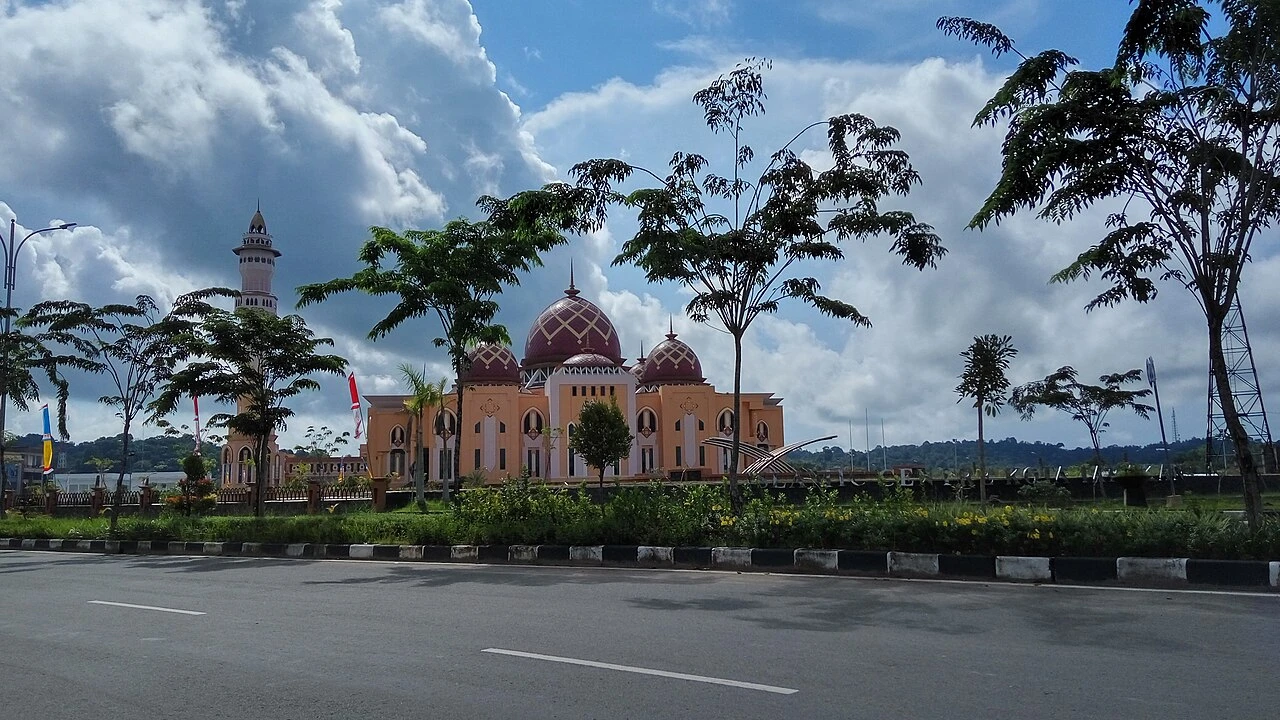
Le feu plutot que l'ennemi

Records rather than machines
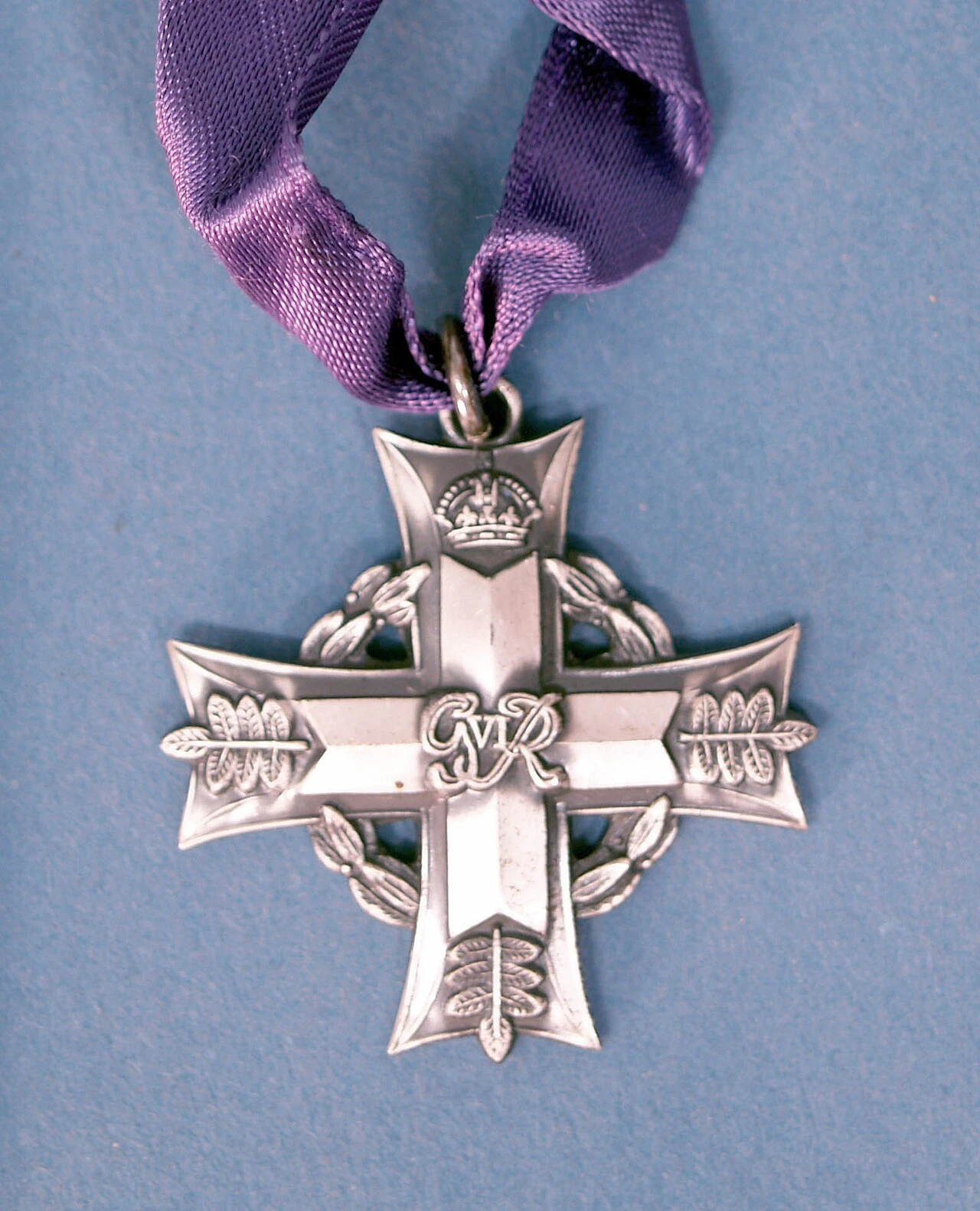
Eindhoven under the heel: the lamp empire put to the test
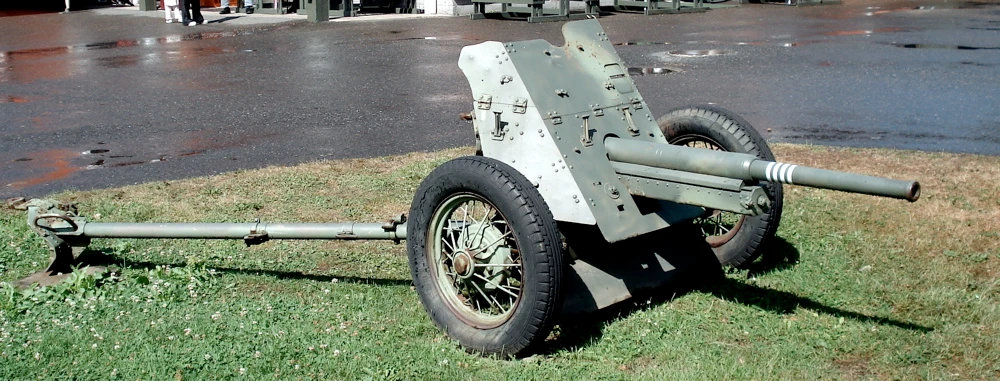
The gun that will have to do
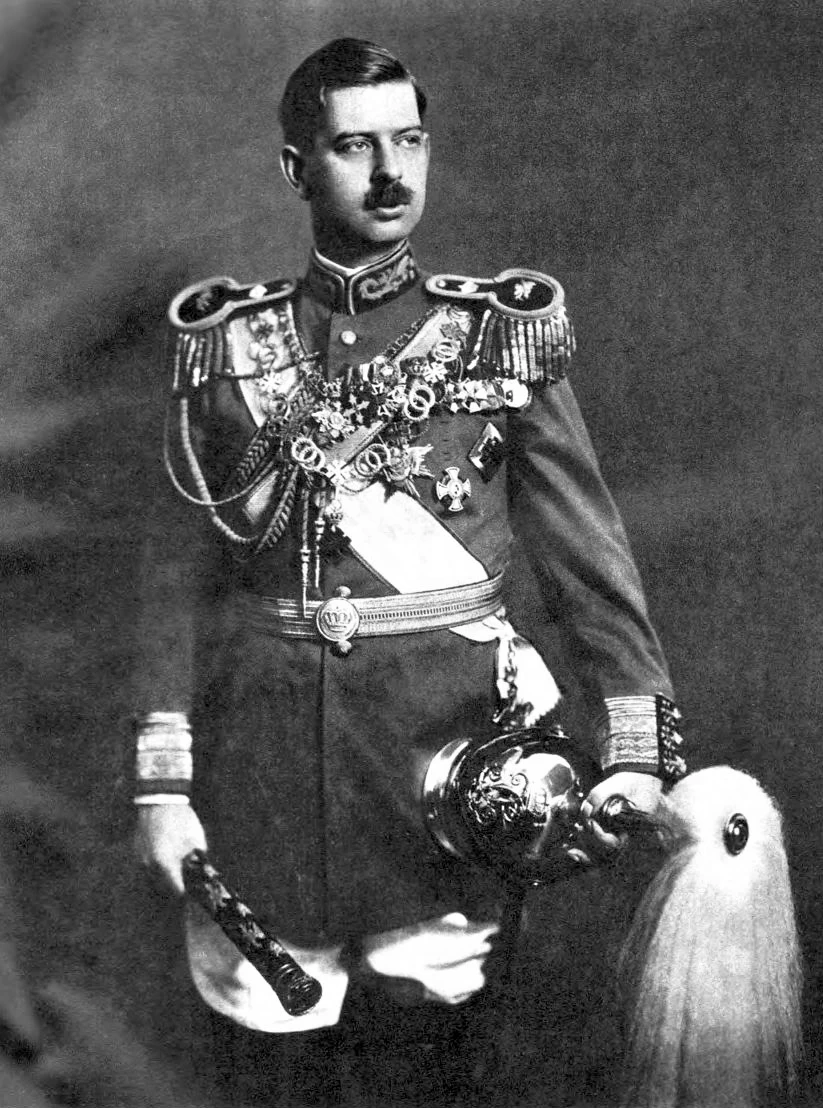
Romania Caught Between Two Fires
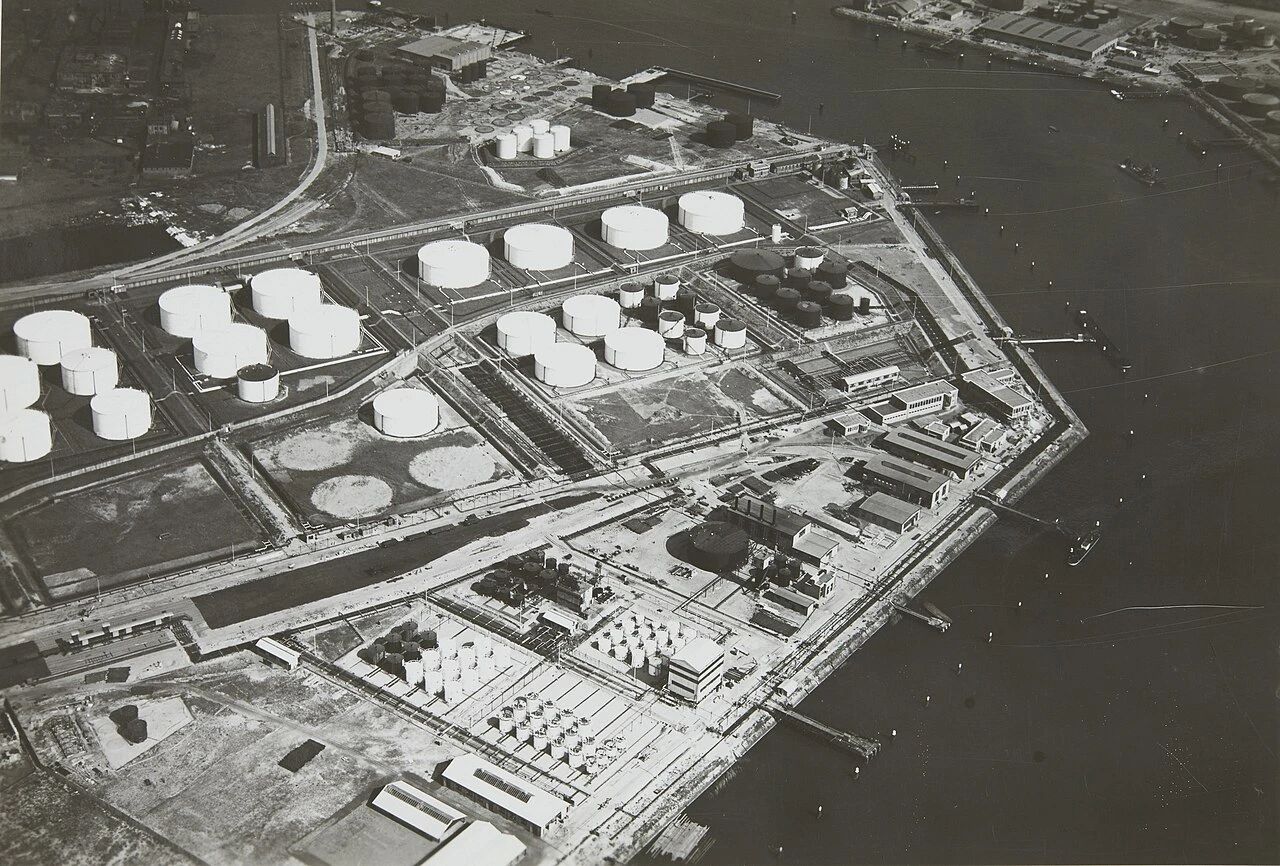
Shell, 10 May 1940: the head office in the turmoil of the invasion
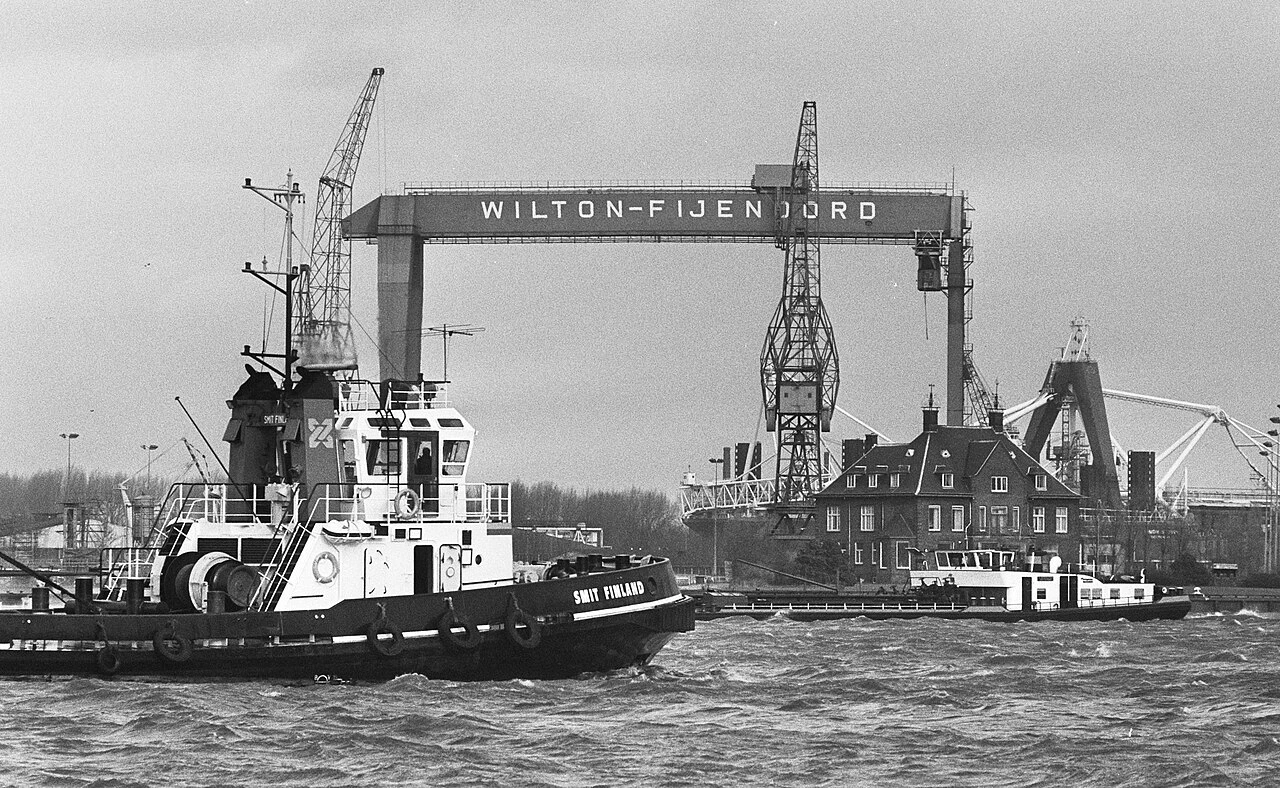
Wilton-Fijenoord: the shipyard's management faces the occupier
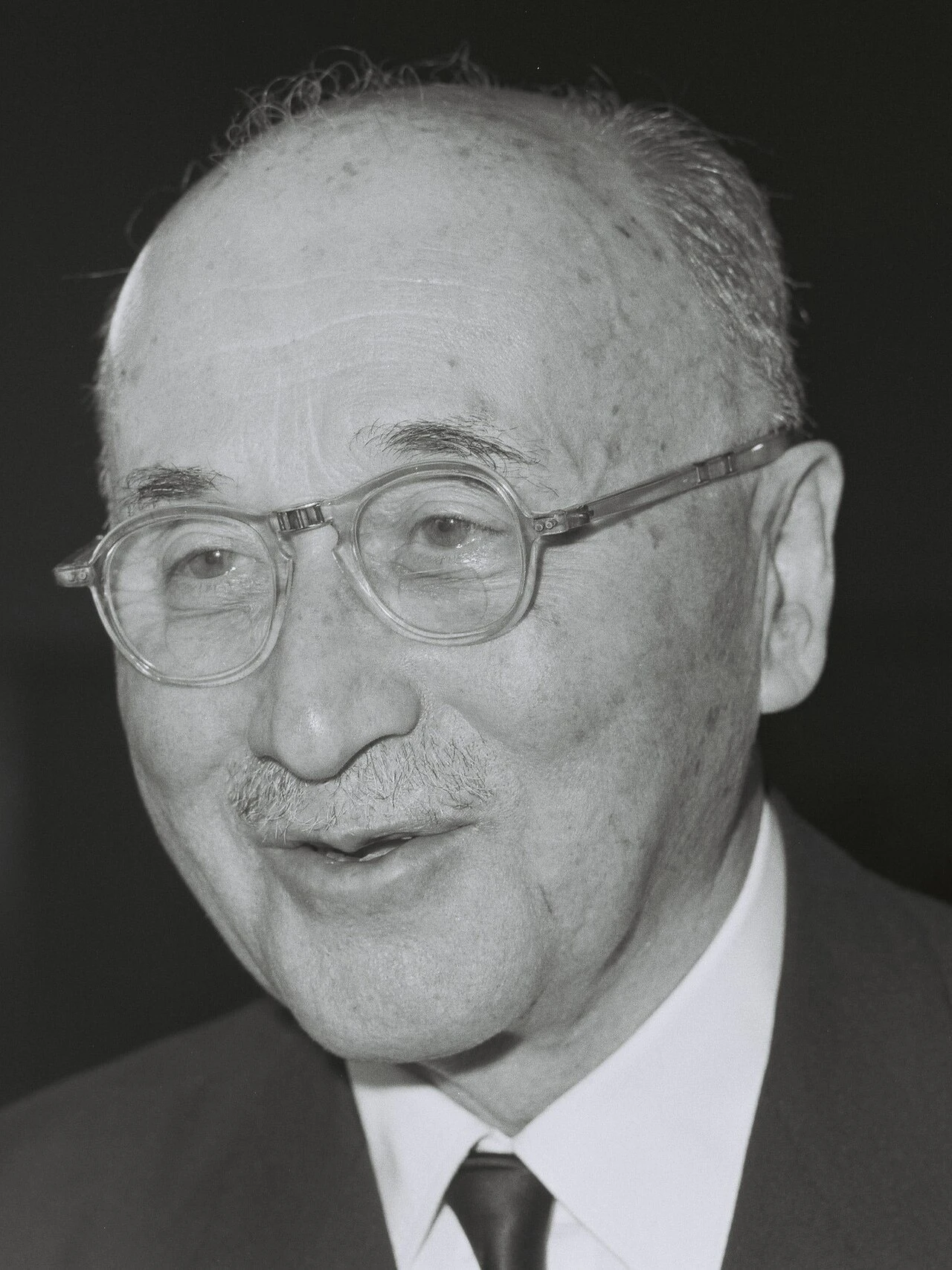
Buy Each for Themselves or with a Single Voice
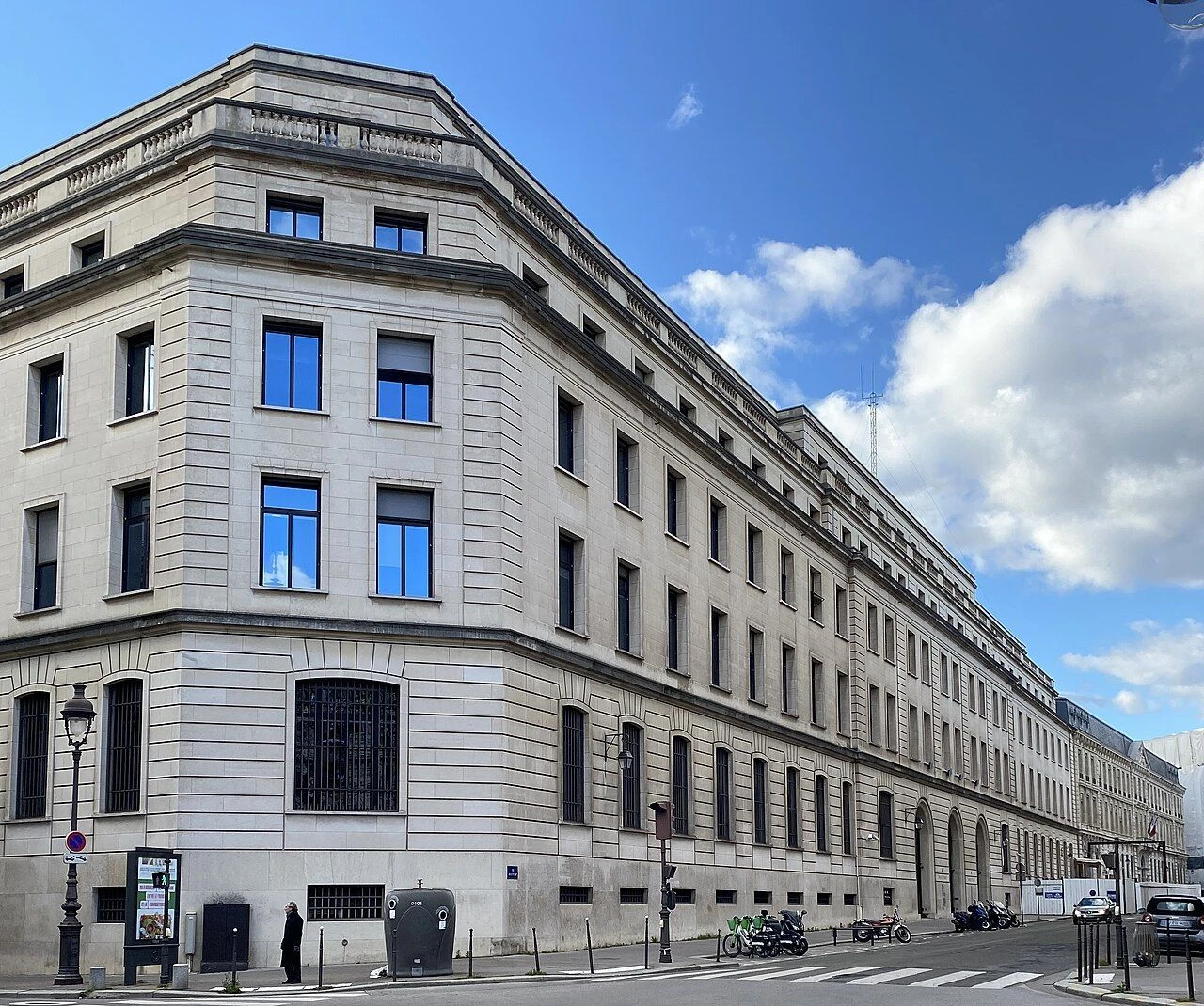
Baumgartner and the gold of the Banque de France
Carol II in Bucharest — the Romanian balance
Le feu plutot que l'ennemi
Records rather than machines
Eindhoven under the heel: the lamp empire put to the test
The gun that will have to do
Romania Caught Between Two Fires
Shell, 10 May 1940: the head office in the turmoil of the invasion
Wilton-Fijenoord: the shipyard's management faces the occupier
Buy Each for Themselves or with a Single Voice
Baumgartner and the gold of the Banque de France