
The Shinkolobwe Ore — a Belgian industrialist confronting the Congo's uranium
In the spring of 1939, , who heads the Union Minière du Haut-Katanga, receives a visit in London from Sir . The British scientist asks him for an option on all the uranium and radium ore extracted from the Shinkolobwe mine, in the Belgian Congo — the richest in the world. Sengier refuses to sign, but he takes the warning to heart: this ore could be "a catastrophe" if it fell into the wrong hands.
A few months later, Germany invades Poland and the war begins. Brussels is only a few hours' drive from the German armies. The Union Minière holds considerable stocks of ore and radium, some of it already refined at the Oolen plant, in Belgium itself, and vast dormant reserves in the Congo.
Sengier must decide what to do with this strategic treasure at a time when no one, at this stage, yet knows what uranium is really worth.
In the autumn of 1939, as war breaks out, what does Edgar Sengier do with the Union Minière's uranium stocks?
Sengier chooses to put the stocks in safekeeping. Before leaving Brussels for New York in October 1939, he has the available radium (about 120 grams) and the uranium ores stored at the Oolen plant shipped to the United States and the United Kingdom. In September–October 1940, fearing an invasion of the Congo, he discreetly has more than 1,250 tons of Shinkolobwe uranium ore transported to New York, where it is stored in a warehouse on Staten Island. This stockpile would become an essential source for the American Manhattan Project.
Learn more about this event
Related polls
10
Carol II in Bucharest — the Romanian balance
Goering — the economic mobilization plan
The Gold of the Bank of Poland — the destination of the SS Eocene
Salazar in Lisbon — under triple pressure
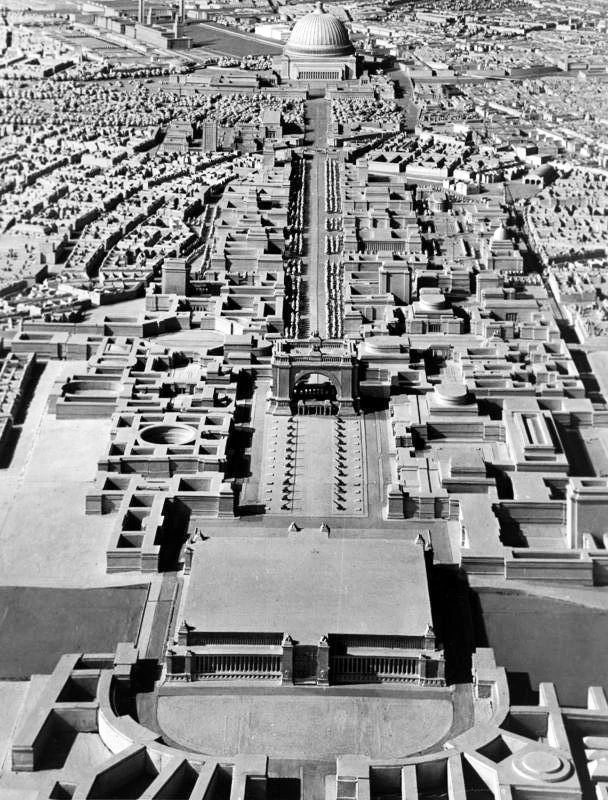
Speer and the Germania trade-off
Borakowski and the merchant fleet
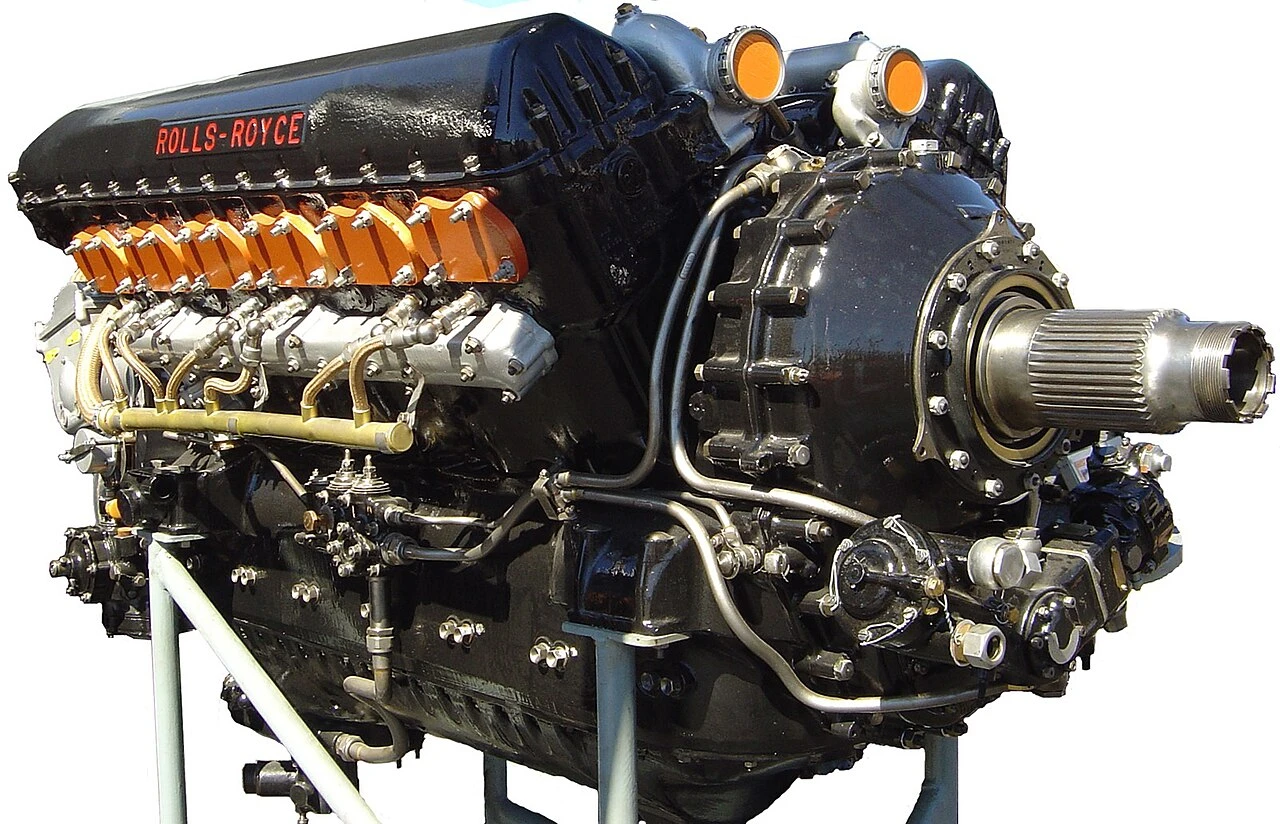
Car assembly lines for an aircraft engine
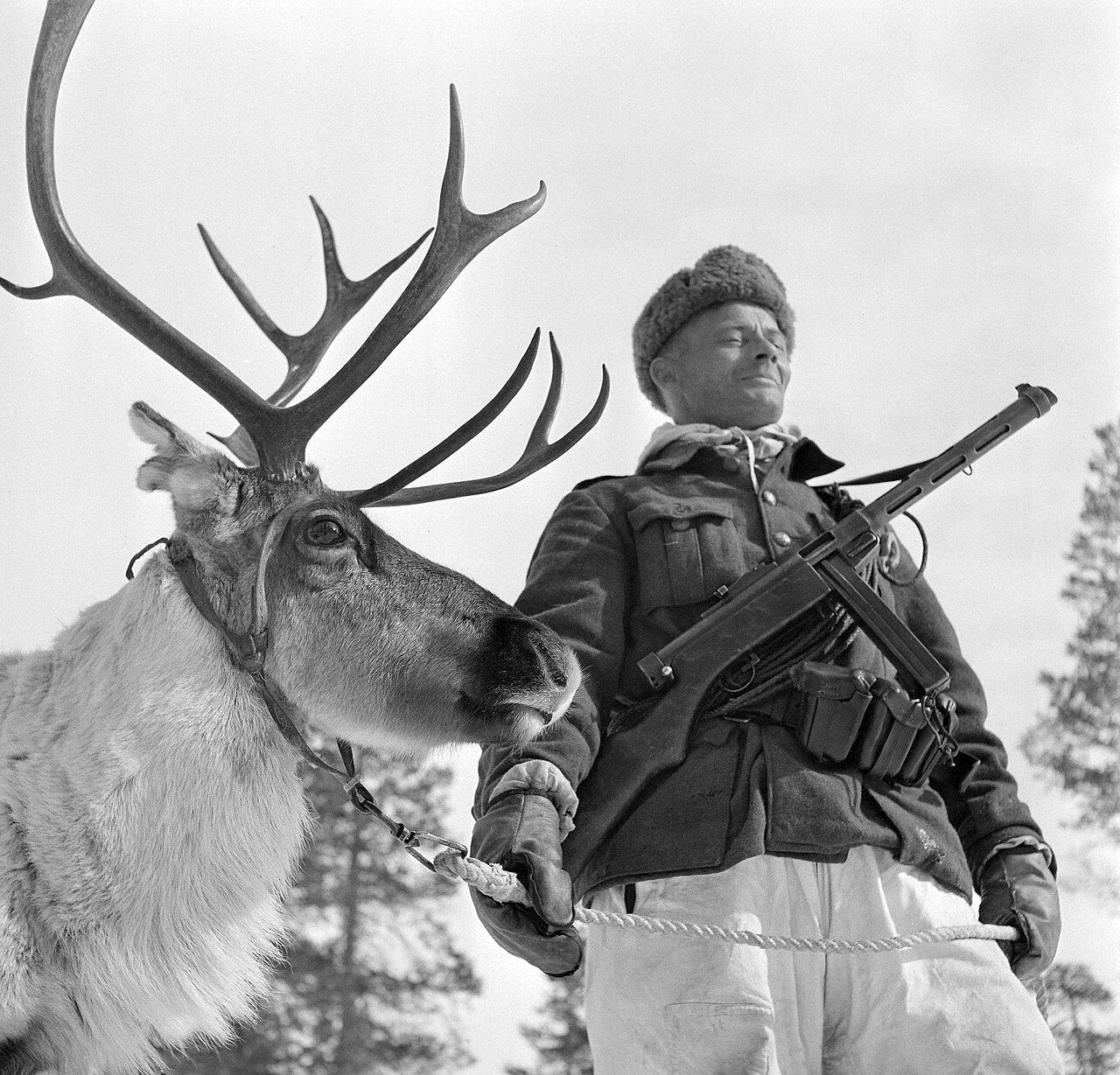
Lahti at Tikkakoski — tripling production
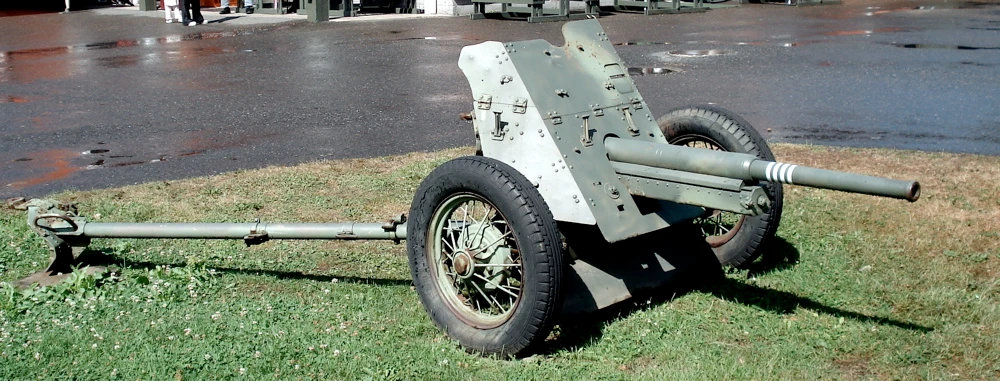
The gun that will have to do
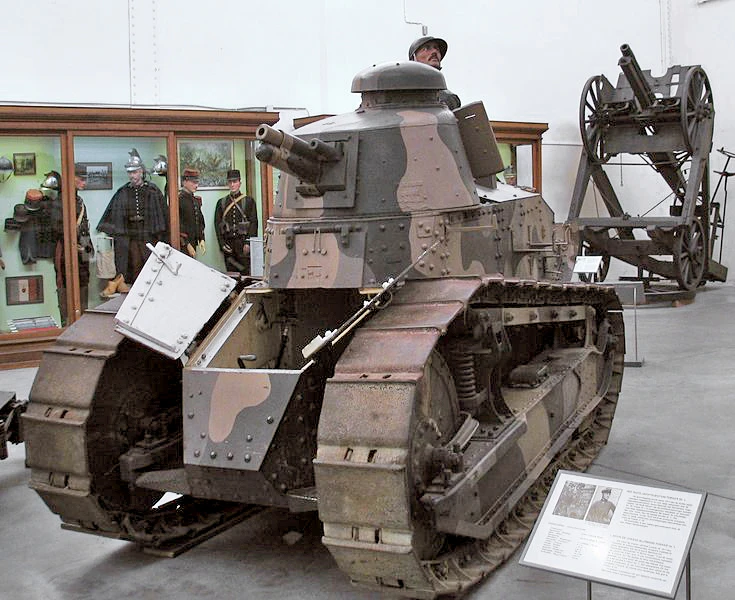
The tank of the future or the tanks of today?
Carol II in Bucharest — the Romanian balance
Goering — the economic mobilization plan
The Gold of the Bank of Poland — the destination of the SS Eocene
Salazar in Lisbon — under triple pressure
Speer and the Germania trade-off
Borakowski and the merchant fleet
Car assembly lines for an aircraft engine
Lahti at Tikkakoski — tripling production
The gun that will have to do