
Ultra has spoken, but Freyberg is watching the sea
Major-General , New Zealand hero of the Great War and Churchill's personal choice, takes command of the Allied forces on Crete on 30 April 1941. He is not delighted: his garrison is a motley assembly of British, New Zealanders and Australians evacuated from Greece, ill-equipped and almost without air cover.
Yet Freyberg has an extraordinary asset. Thanks to Ultra, the breaking of the Luftwaffe codes, the British command knows the German plans for Operation Mercury: a massive airborne assault targeting the airfields of Maleme, Rethymno and Heraklion. On 6 May, Ultra gives the targets; on the 15th, the date is fixed for the 19th, then the 20th.
But the intelligence is passed to him disguised as the report of a spy in Athens, so as never to betray its source. And the doctrine of the day held that an island was taken from the sea: none had yet fallen to paratroopers alone. Freyberg must therefore weigh the precision of intelligence he cannot fully act upon against a seaborne threat that all his officer's experience teaches him to fear.
On the morning of 20 May, as the first Junkers approach, everything rests on the distribution of his meagre reserves.
Should Freyberg concentrate his forces against the airborne assault that Ultra has precisely announced to him, or guard against the seaborne landing he fears?
Freyberg chose B: despite the precision of Ultra, he kept the bulk of his dispositions turned towards a seaborne threat that would never come in that form, and left the Maleme airfield defended by the alone. When the German airborne assault struck on 20 May 1941 — 'they're right on time', he remarked at his breakfast — he refused to use his artillery against the gliders and hesitated to launch the counter-attack that would have crushed the paratroopers before they could organise. On the night of 20 to 21 May, the 22nd withdrew from Height 107, surrendering the runway. The German transports then landed en masse. This fixation on a phantom landing off Chania, historians stress, turned an unheard-of intelligence advantage into one of the bitterest British defeats of the war.
Learn more about this event
Related polls
10
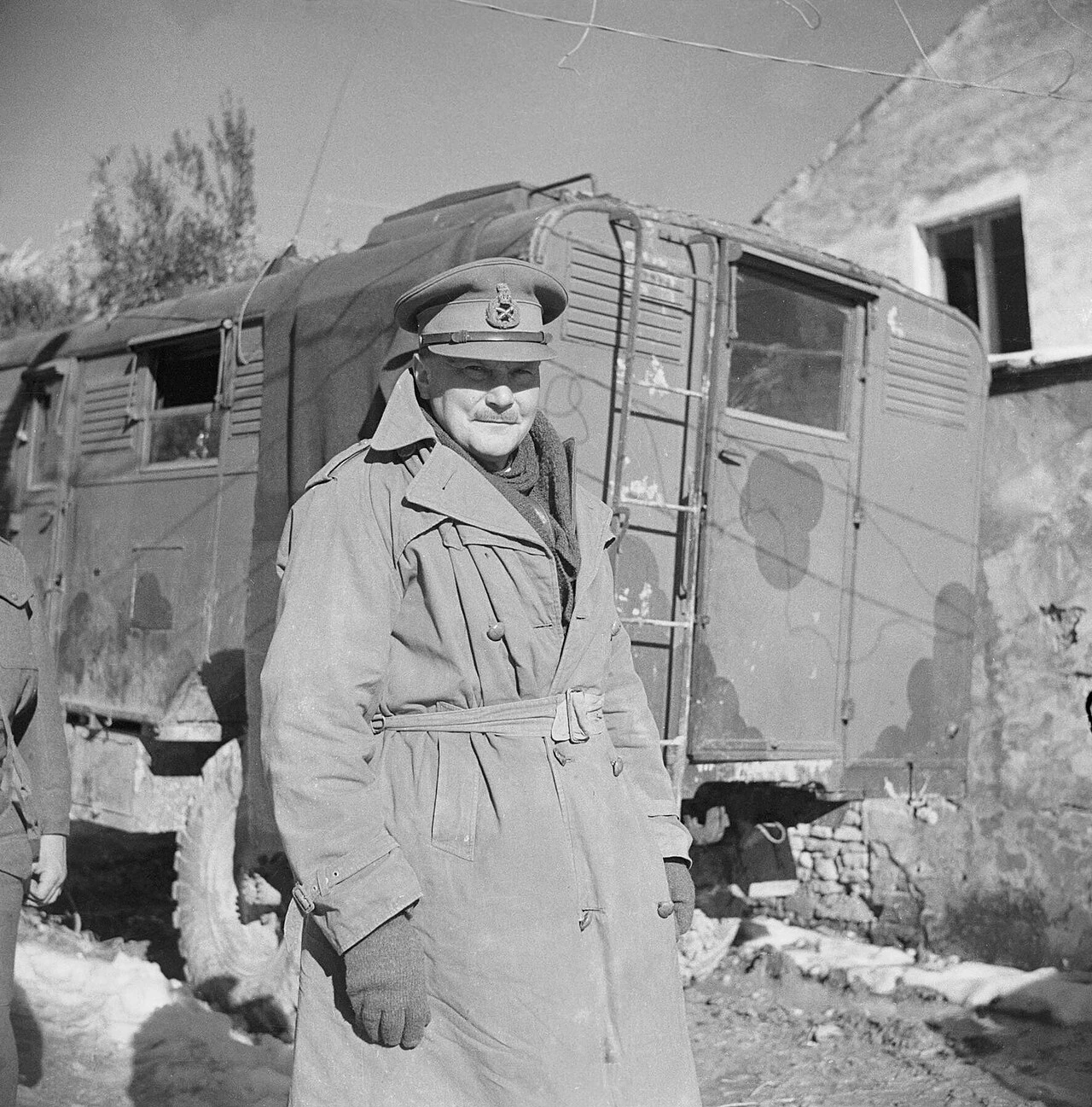
Freyberg at Maleme
The ANZACs at Thermopylae
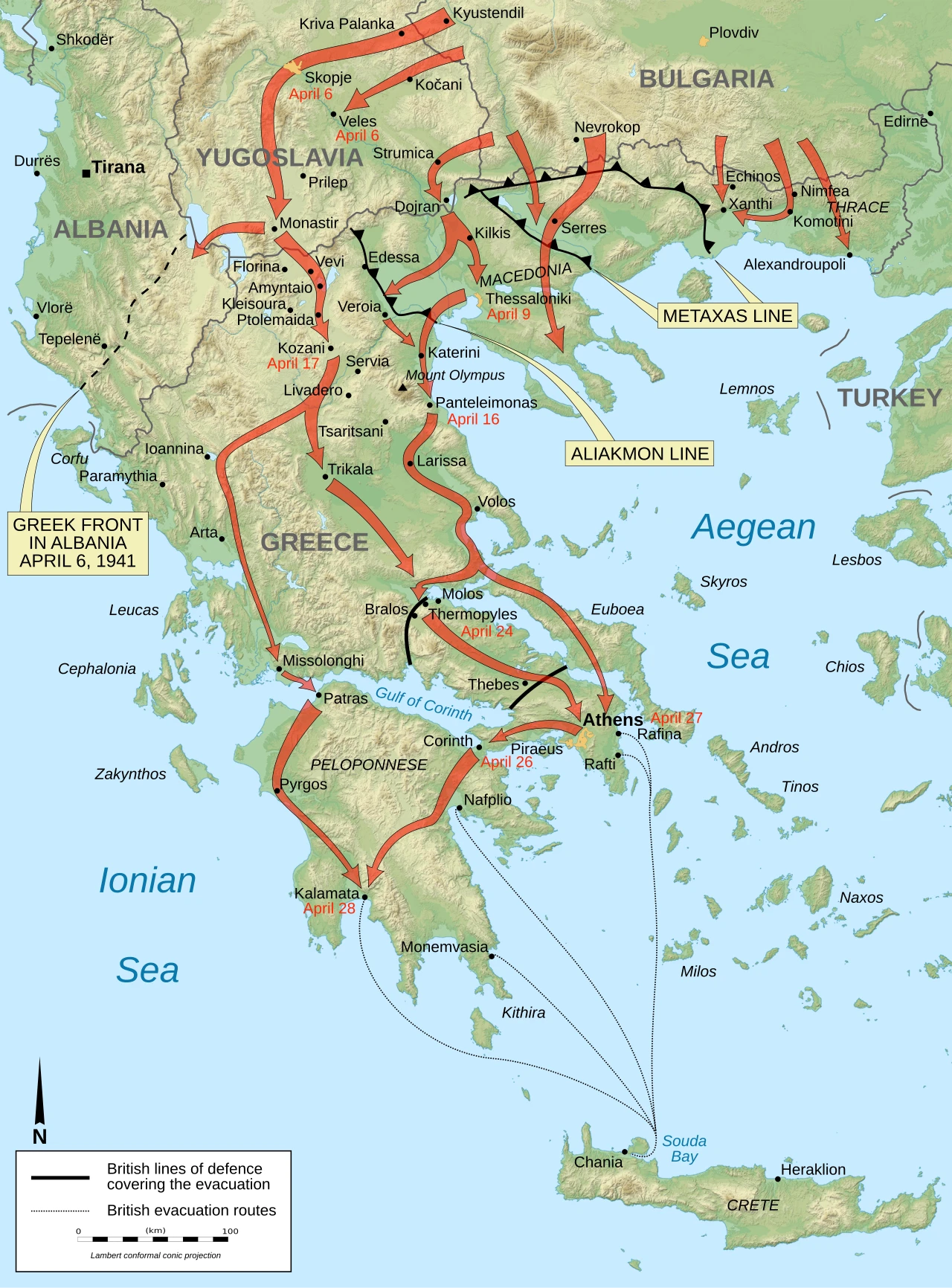
'Fortresses do not surrender'
Salonika lost: surrendering the Metaxas Line
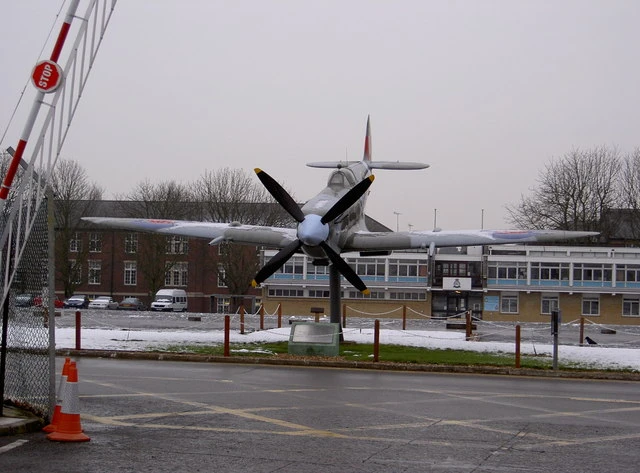
The Uxbridge plotter
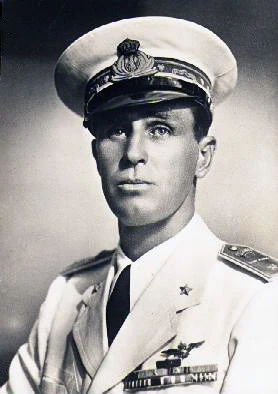
Amba Alagi — the Duke of Aosta encircled
Barbarossa — 3:15 a.m.
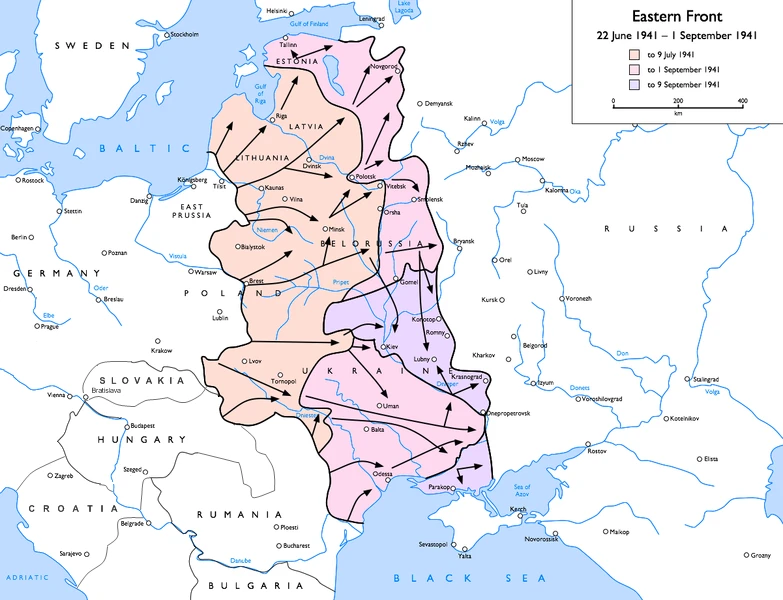
Brest — the Encircled Fortress
Davakis in the Pindus
The last great night of the Blitz
Freyberg at Maleme
The ANZACs at Thermopylae
'Fortresses do not surrender'
Salonika lost: surrendering the Metaxas Line
The Uxbridge plotter
Amba Alagi — the Duke of Aosta encircled
Barbarossa — 3:15 a.m.
Brest — the Encircled Fortress
Davakis in the Pindus