
A young Belarusian woman in occupied Minsk
Minsk fell on 28 June 1941, six days after the launch of Barbarossa: the Soviet capital of Belarus was one of the first major cities conquered, partly destroyed and already emptied of some of its inhabitants. The city passed under the military administration of the Wehrmacht, then, on 1 September 1941, was incorporated into the Generalkommissariat Weißruthenien headed by Gauleiter , under the Reichskommissariat Ostland. The Minsk ghetto, one of the largest in Eastern Europe, was created as early as July 1941, and the Einsatzgruppen were already carrying out mass executions.
The daily proximity to the occupier placed many young women before concrete dilemmas: working as an interpreter, waitress, employee, or domestic for the German administration could mean access to food, a protective Ausweis, a roof. Accepting an officer's protection — a relationship sometimes imposed, sometimes consented to out of necessity — fell under "horizontal collaboration." But such a path was perilous: partisans and Soviet propaganda regarded any rapprochement as treason punishable by death.
The extreme brutality of the regime — requisitions, famine, reprisals — also closed doors: keeping clear of all contact offered no guarantee of survival, while the neighbouring forests and countryside stirred with clandestine activity. Approached by a German officer who offers her protection and provisions, a young woman of Minsk must decide how to get through the occupation.
Approached by a German officer who offers her protection and provisions, how does a young woman of Minsk get through the occupation?
Cases of horizontal collaboration did exist in occupied Belarus, but they remained marginal: the dominant and documented experience of Belarusian women was mass resistance. The country became the epicentre of the Soviet partisan movement, where women served by the tens of thousands as liaison agents, nurses, saboteurs, and fighters. Far from the image of a "collaborationist people," Belarus suffered the deadliest repression in Europe — around two million dead between 1941 and 1944, nearly one inhabitant in four () — precisely because the brutality of the occupation fed a massive resistance there.
Learn more about this event
Related polls
10
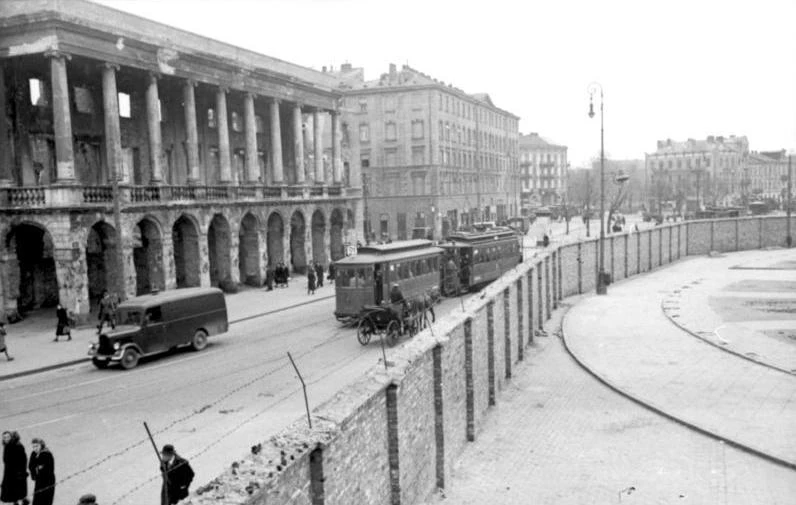
Studying in the Warsaw Ghetto
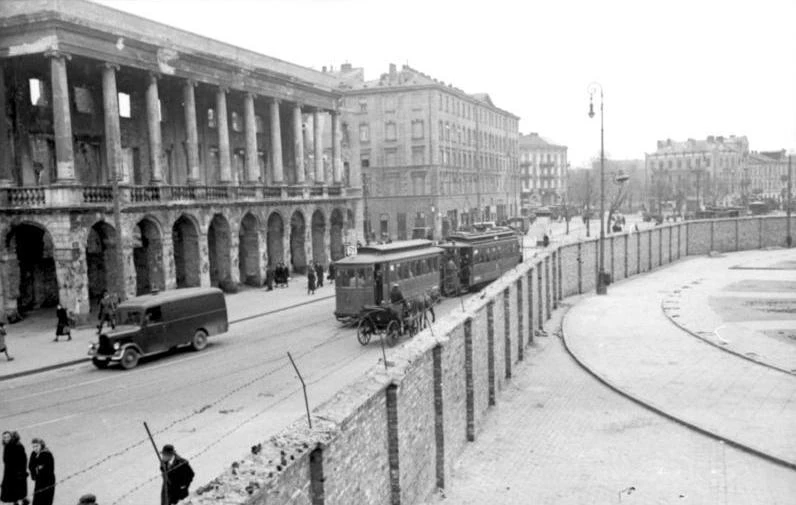
Clandestine teaching in the Warsaw Ghetto
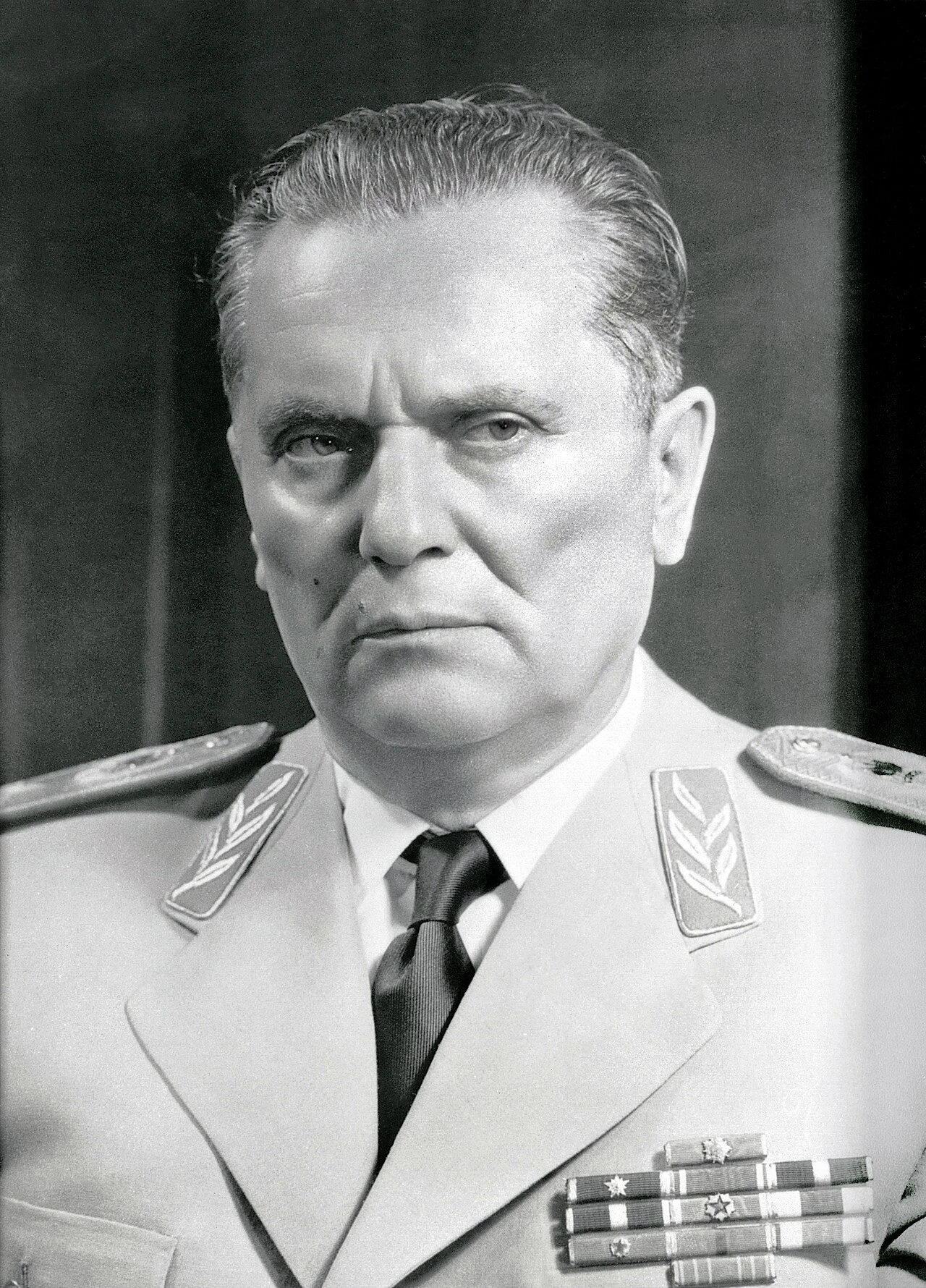
The Belgrade medical student and the call of the Partisans
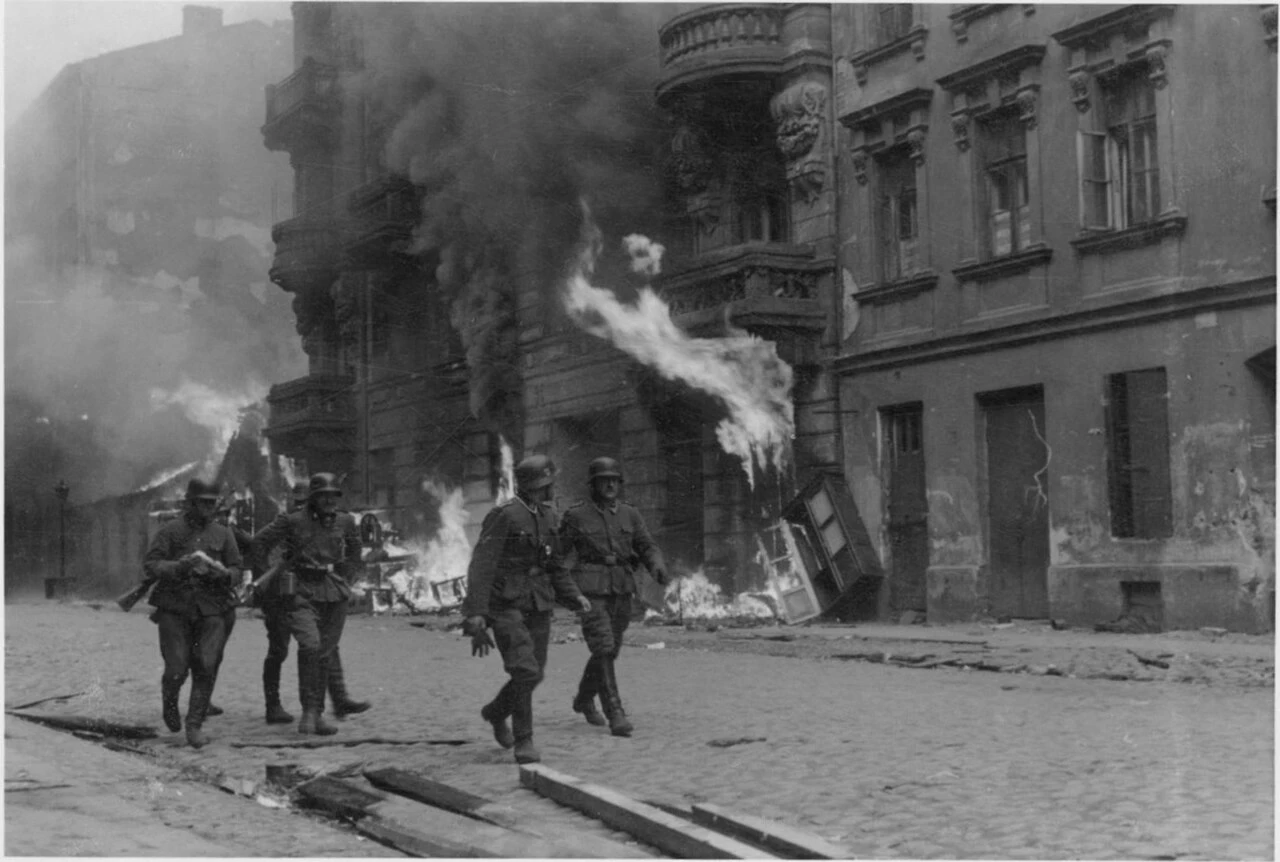
The Jewish Schoolteacher of Kazimierz
The Banned Czech University
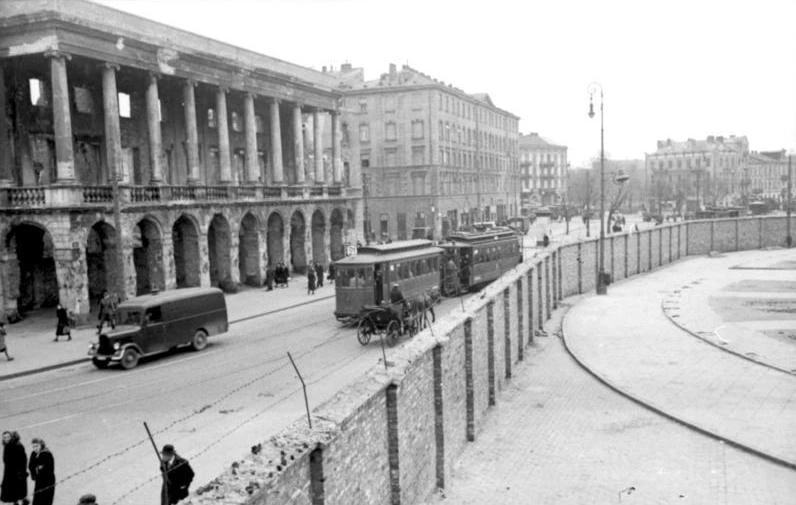
The Warsaw Ghetto — the temptation of informing
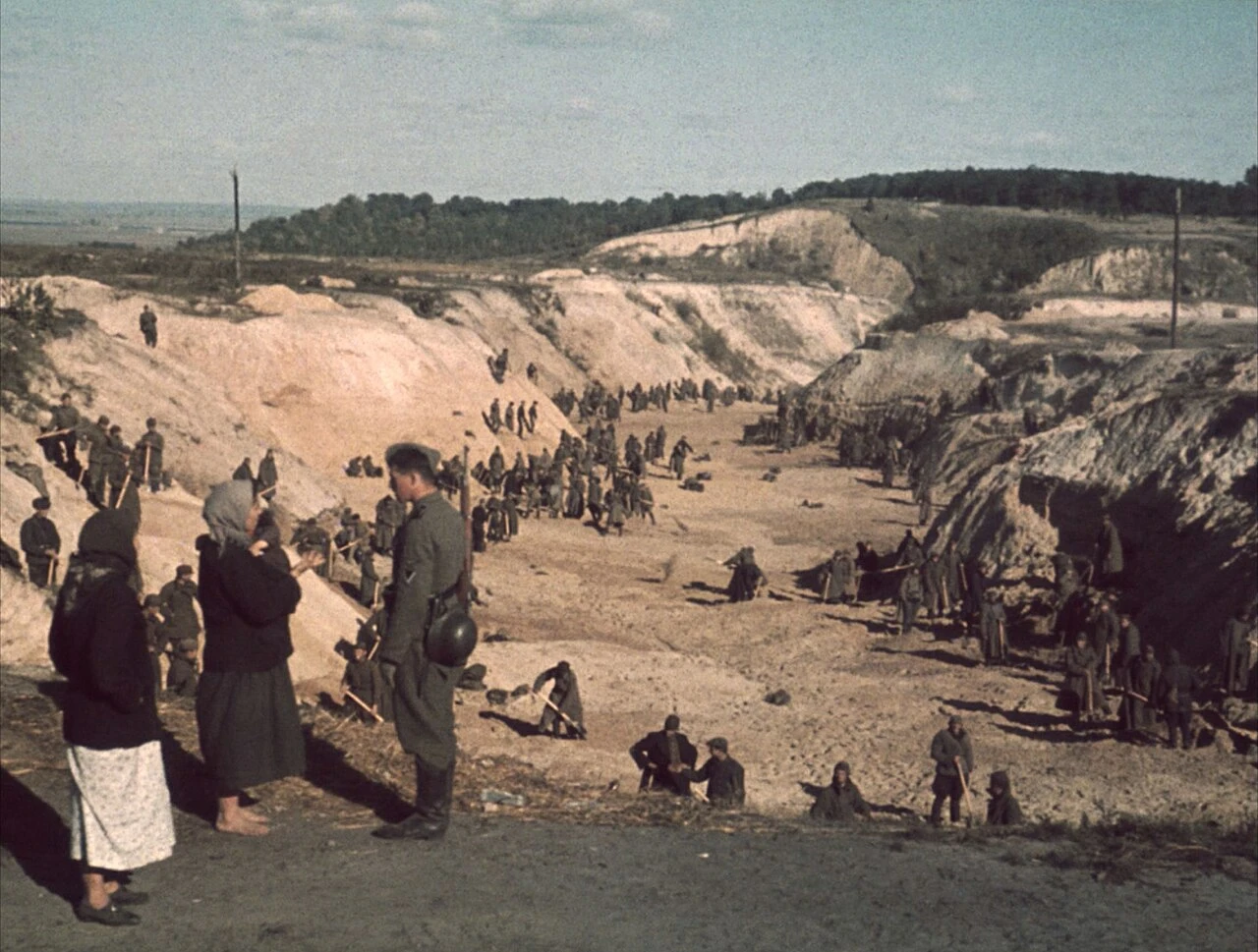
Kiev, 29 September 1941: The Posted Notice
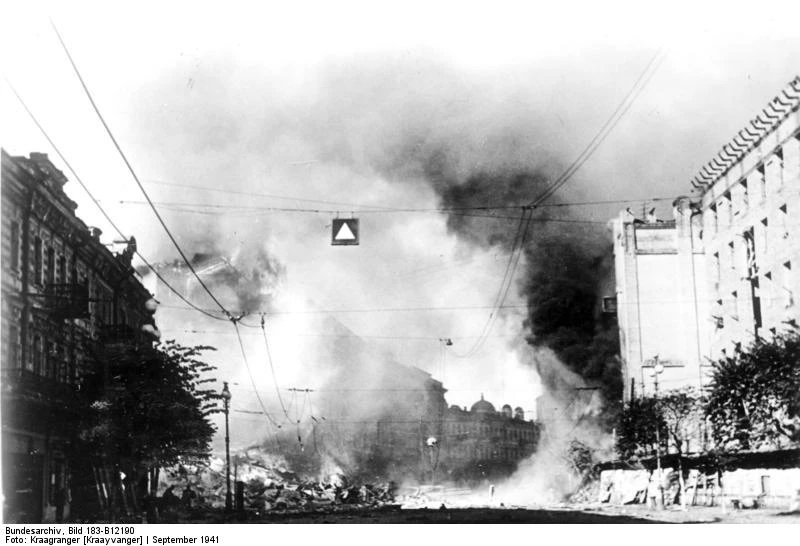
Kiev, September 1941: A Neighbor Facing Babi Yar
The Parisian concierge facing informing under the Occupation
Oslo, September 1941: The Milk Strike
Studying in the Warsaw Ghetto
Clandestine teaching in the Warsaw Ghetto
The Belgrade medical student and the call of the Partisans
The Jewish Schoolteacher of Kazimierz
The Banned Czech University
The Warsaw Ghetto — the temptation of informing
Kiev, 29 September 1941: The Posted Notice
Kiev, September 1941: A Neighbor Facing Babi Yar
The Parisian concierge facing informing under the Occupation