
Tajne komplety — Pigoń and the Jagiellonian seal
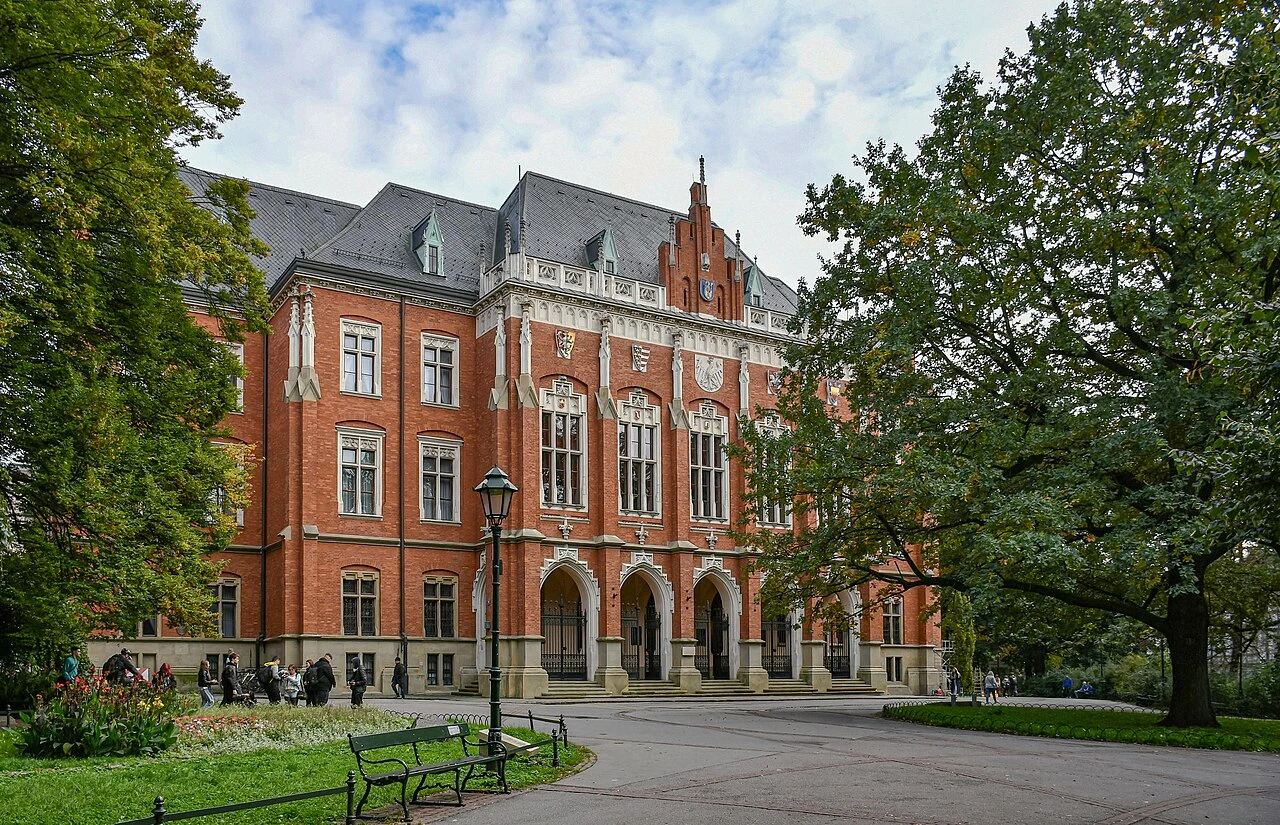
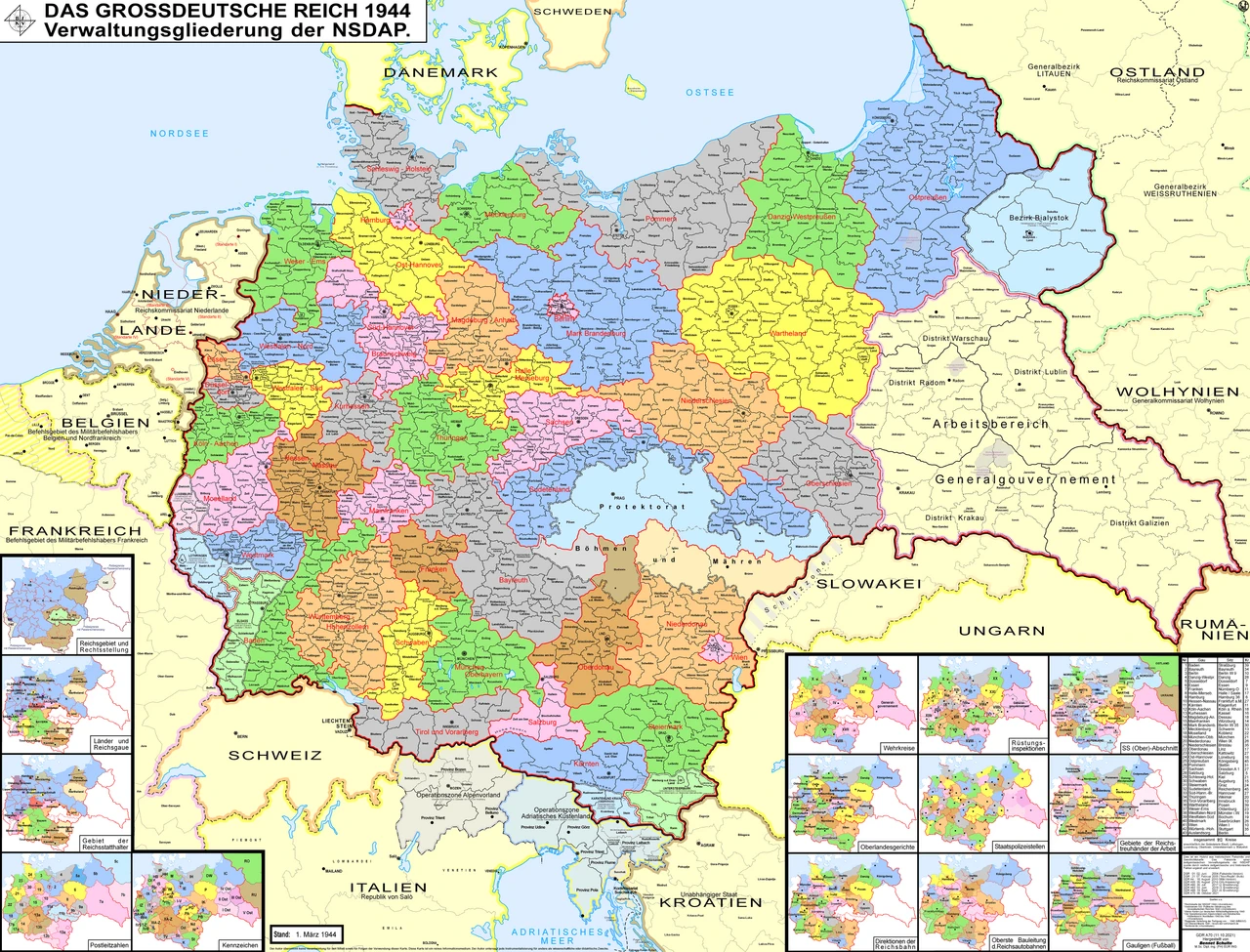
Polish higher education is banned in the Generalgouvernement from the Frank ordinance of 18 October 1939: "Polish schools above the elementary primary level are closed permanently." The Jagiellonian (Krakow), Warsaw, Lwów, Wilno, and Poznań universities are closed. The Sonderaktion Krakau of 6 November 1939 decapitates the Jagiellonian University: 184 professors arrested and deported to Sachsenhausen.
But the Polish academics react. From November 1939, while half the Jagiellonian teaching body is in concentration camp, the survivors — notably the professor of literature (54, returned safe and sound because he was in the Tatras on 6 November), the philosopher , the Slavicist — organize the tajne komplety ("secret classes"): courses given clandestinely in private flats, in groups of 6-12 students. An initiative that spreads rapidly to Warsaw, Lwów, Vilnius, Poznań.
Security measures are imperative: rotation of flats, surveillance by underground-state cells, false papers for the teachers, false identity cards as workers or apprentices for the students (the Wehrmacht does not check young workers). The decisive question remains how to sanction the studies. Should genuine diplomas be issued, sealed in the name of the closed universities — an irreplaceable written proof but a fatal weapon in Gestapo hands —, or should one settle for a memorized validation to be reconstituted after the war, or suspend all examinations until liberation?
What policy to adopt for diplomas issued clandestinely?
Pigoń and Lehr-Spławiński apply A. The tajne komplety issue formal diplomas, stamped with the concealed Jagiellonian seal (a seal hidden by Lehr-Spławiński before the Sonderaktion), counting as legal continuation of Polish higher education. During 1940-1944, the clandestine Jagiellonian University trains 800 students, of whom about 100 are doctors in letters, philosophy, and law. Among the students: (the future John Paul II), who studies theology and Polish philology from 1942 to 1945, (poet, killed in the Warsaw Uprising 1944), (future stage director), (future film-maker). In Warsaw, the system is still more massive: 9,200 students follow the tajne komplety in 1941-1944, supervised by 800 professors. It is one of the largest networks of clandestine education in modern history. The Gestapo never succeeds in dismantling it — a few isolated arrests, but a resilient structure. At liberation, the clandestine diplomas are recognized retrospectively by decree of October 1945 of the Polish provisional government (signed by , Minister of Education). Pigoń, released from Sachsenhausen in February 1940 thanks to international pressure, continues the tajne komplety until liberation, resumes his post at the Jagiellonian in 1945, and dies in 1968. Lehr-Spławiński becomes rector of the Jagiellonian 1945-1956 and founder of modern Polish Slavic studies.
Learn more about this event
Related polls
10
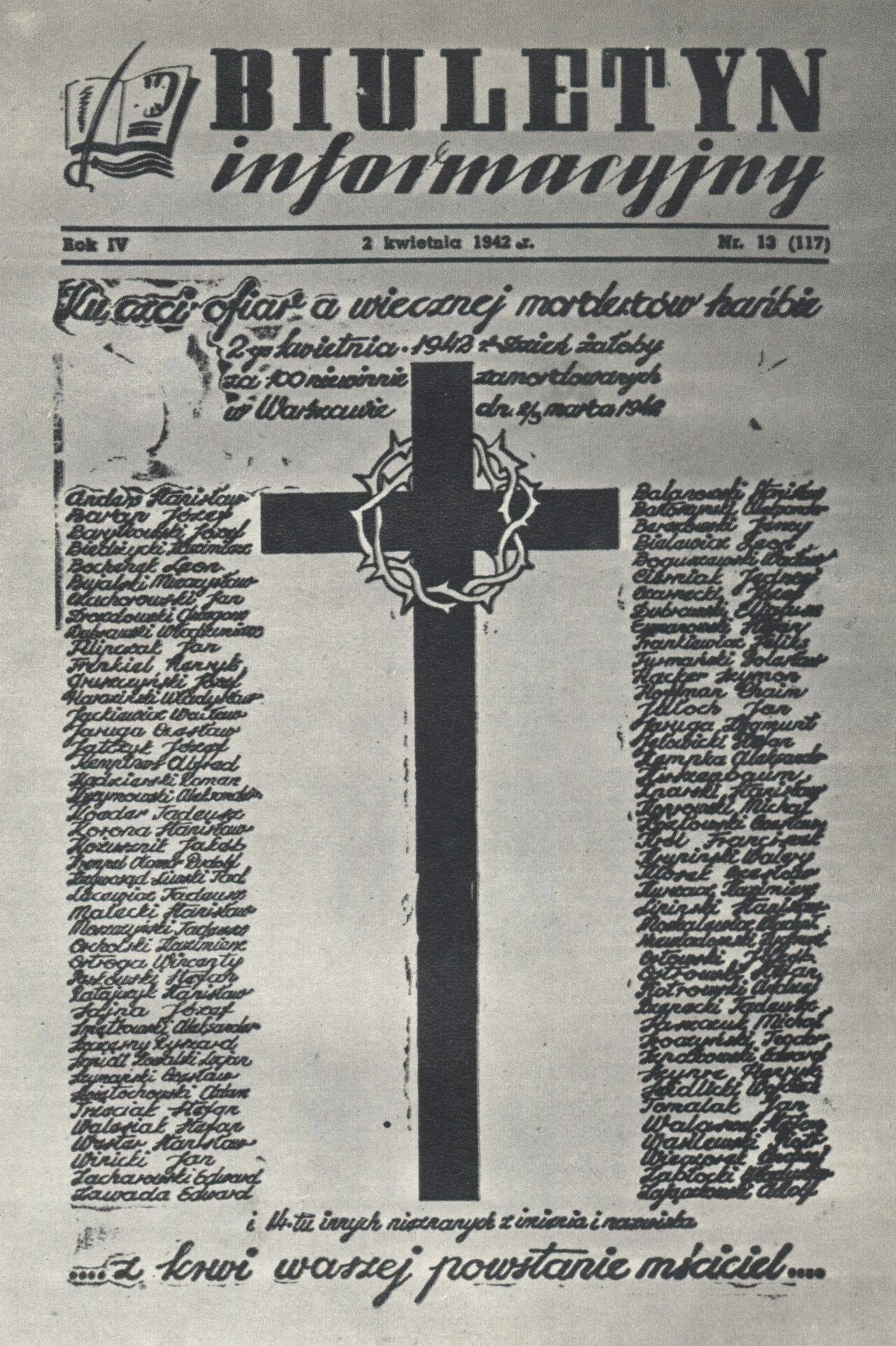
Kamiński and the Biuletyn — 5 November
The Kraków Student After the Sonderaktion Krakau
A Schoolteacher of Poznań under the Wartheland
The Jewish Schoolteacher of Kazimierz
The University of Warsaw under the Bombs
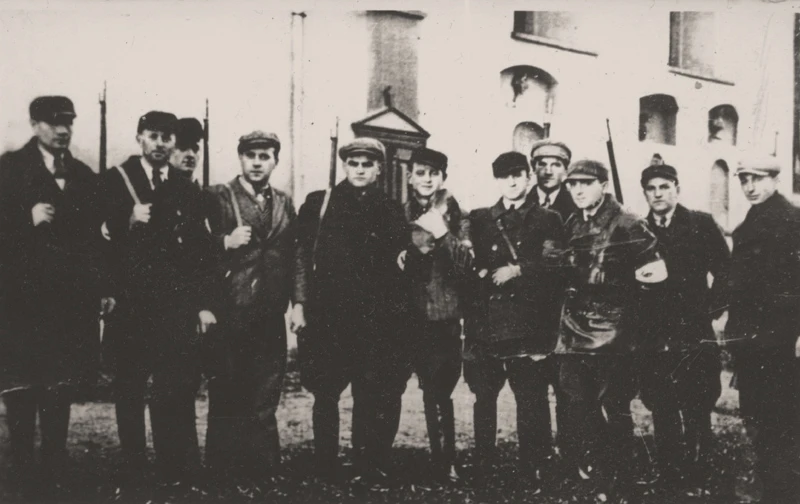
The Volksdeutsche Conscripted into the Selbstschutz
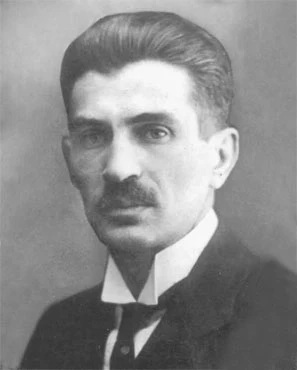
Maciej Rataj — Filtrowa Street, 28 November
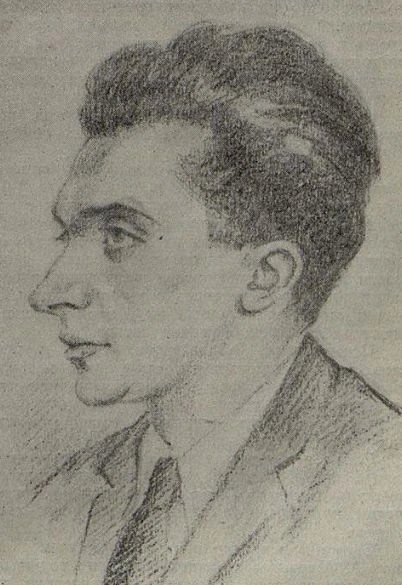
Mieczysław Niedziałkowski — after the arrest
Pilecki — founding the TAP
Cardinal Sapieha — Krakow under Occupation
Kamiński and the Biuletyn — 5 November
The Kraków Student After the Sonderaktion Krakau
A Schoolteacher of Poznań under the Wartheland
The Jewish Schoolteacher of Kazimierz
The University of Warsaw under the Bombs
The Volksdeutsche Conscripted into the Selbstschutz
Maciej Rataj — Filtrowa Street, 28 November
Mieczysław Niedziałkowski — after the arrest
Pilecki — founding the TAP