
Selbstschutz — Alvensleben in Pomerania
The (Self-Defence) is a paramilitary organization made up of ethnic Germans (Volksdeutsche) resident in pre-war Poland. Discreetly prepared by Abwehr II (Canaris) and the Volksdeutsche Mittelstelle (VoMi) since the spring of 1939 — clandestine arming, training in "police" operations. By 1 September, about 80,000 Volksdeutsche are mobilized in clandestine cells in Poland, particularly in Pomerania, the Wartheland, and Upper Silesia.
It is officially constituted on 8 September 1939 by decree of as an SS auxiliary organization. Its commander for Polish Pomerania is SS-Standartenführer , 38, a Brandenburg aristocrat. He commands directly 25,000 men dispersed in local sections.
Official mission: maintain order in the occupied territories. Real mission: execution of the "enemies of the Reich" listed in the Sonderfahndungsbuch Polen, "ethnic purification" of the Polish and Jewish elites. It remains for Alvensleben to define the latitude granted to his local section leaders: close supervision by the SS hierarchy, with executions ordered only by superiors and controlled lists; calculated restraint to avoid compromising images; or wide freedom of action on the ground.
What level of violence will Alvensleben tolerate from his local men?
Alvensleben chooses B. From 8 September to 30 November 1939, the is responsible, according to IPN estimates, for 20,000 to 30,000 executions of Poles and Jews in Polish Pomerania. Its local sections are led by small-time Volksdeutsche leaders — often artisans, schoolmasters, local landowners who personally knew their Polish neighbours and had accumulated resentment toward them — to whom wide latitude is granted to settle personal and collective scores. The best-documented massacres: the Piaśnica forest (12,000-14,000 dead, October 1939 - February 1940), Mniszek (10,000 dead), Karolewo (1,800 dead), Szpęgawsk (7,000 dead). The executions are carried out in groups of 30-50, without trial, in pits dug the day before. In the spring of 1940, after the most active phase of collective violence, the is officially dissolved (decree of 26 November 1939, effective in the spring of 1940) — its members absorbed into the Gestapo, the Schupo, or the Allgemeine SS. Alvensleben moves on to occupied Yugoslavia in 1941, where he commands the SS-Polizei. He escapes justice after the war, flees to Argentina, where he dies in 1970 under a false identity. His name never appears at Nuremberg. The is today considered by historians (, ) as the privileged instrument of non-state genocide in occupied Poland — where the "spontaneous" violence of neighbours is instrumentalized by the Nazi power.
Learn more about this event
Related polls
10
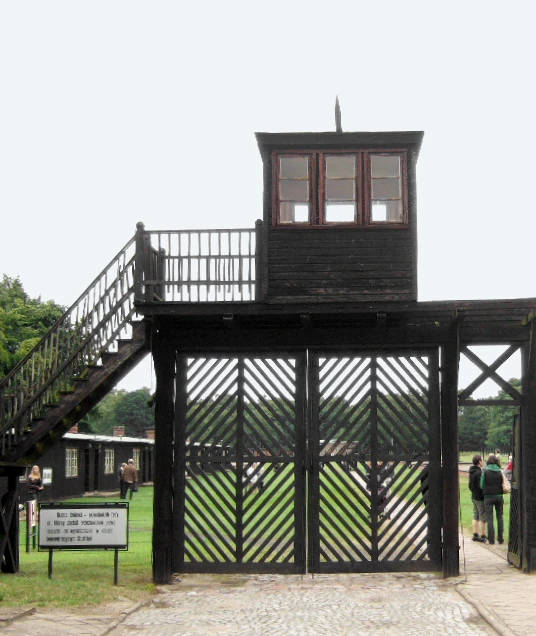
Stutthof — Pauly and the first contingent
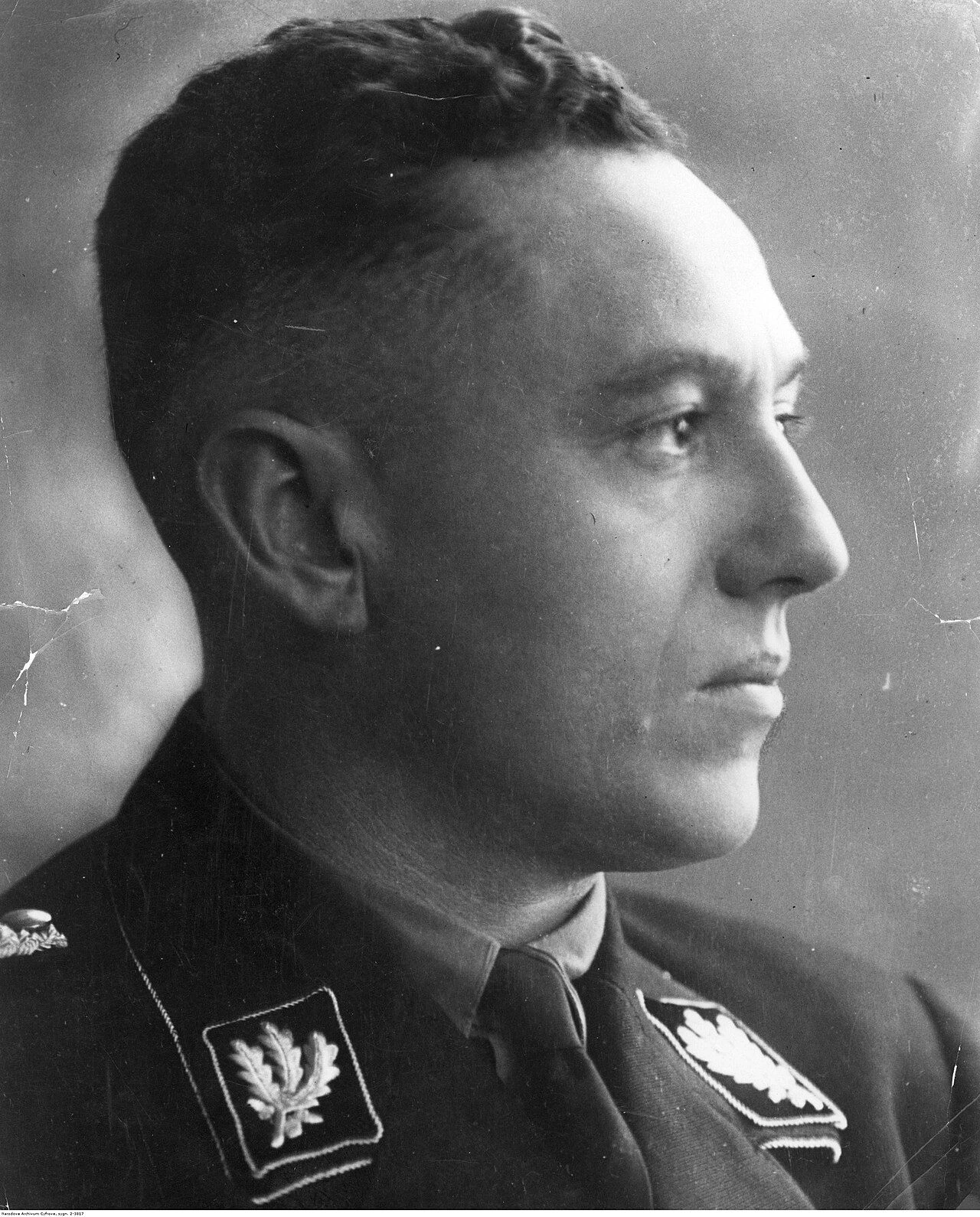
Forster — Kashubians and Kociewiacy
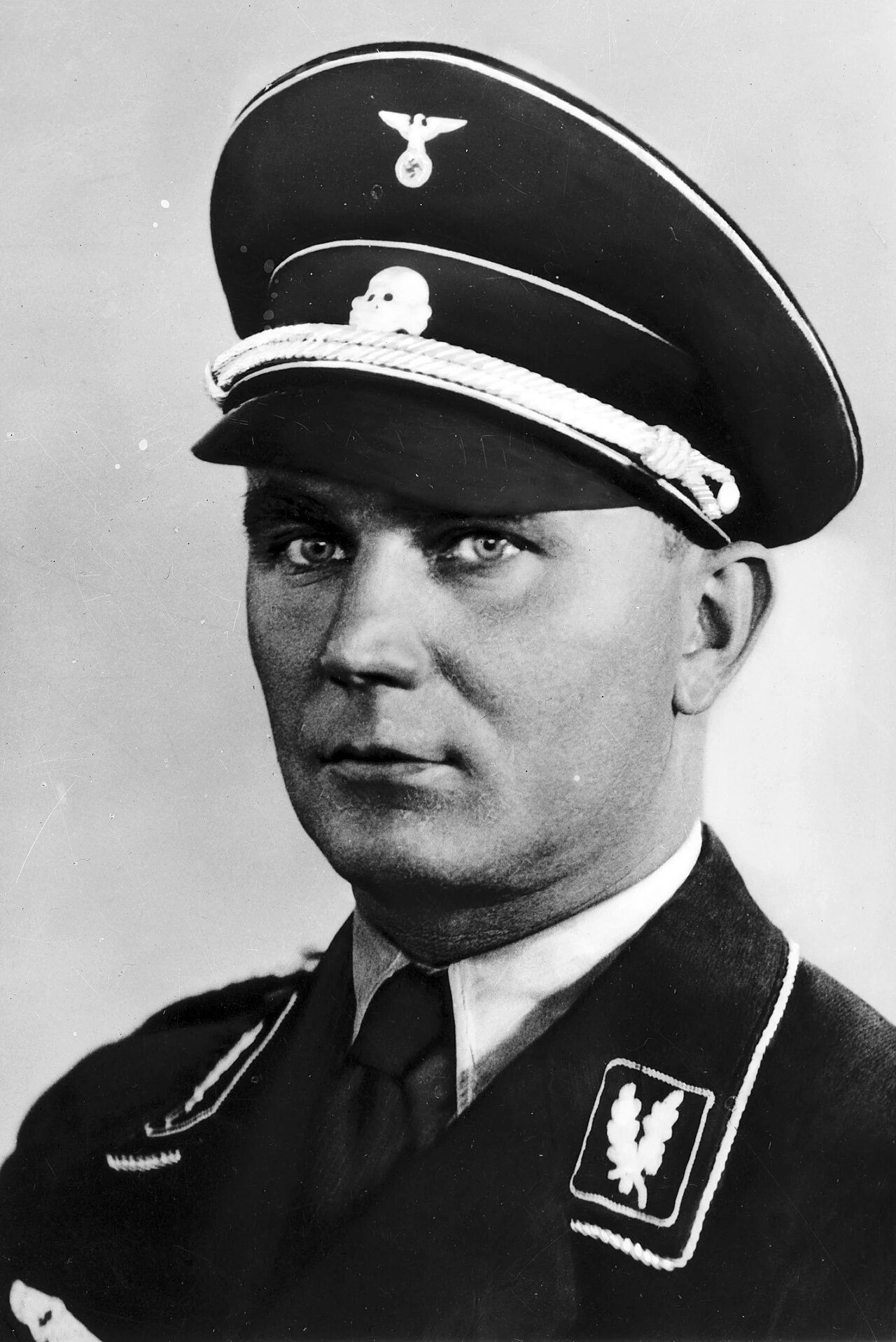
Greiser — the Priority of the Wartheland
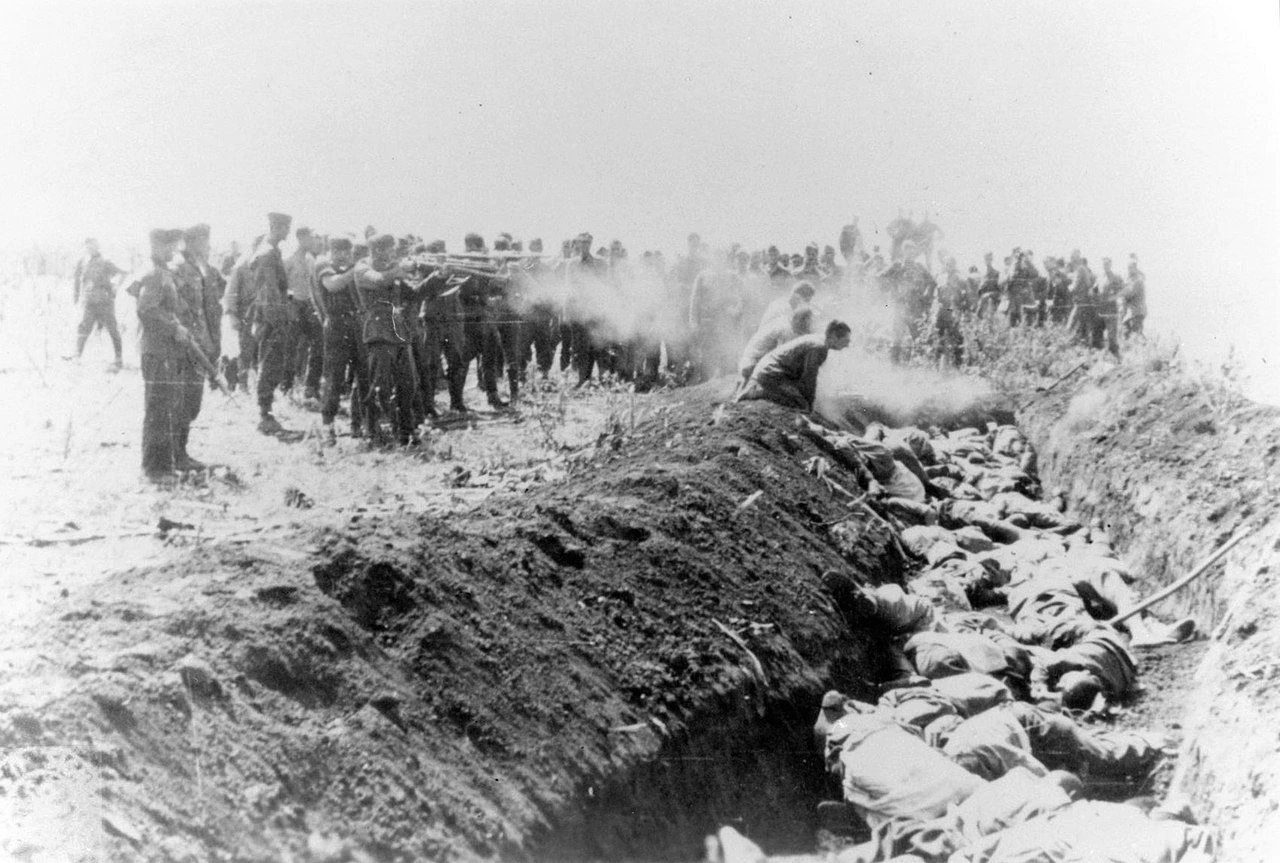
Heydrich — the Conference of 21 September
Piotrkow — Tenenberg Facing the Judenrat
Beria — the NKVD ordinance of 19 September
Mölders above the columns — 18 May
Le Paradis — the barn at Cornet-Malo
A Danzig Customs Officer on the Day of Annexation
Wieluń, 1 September 1939 — the dawn before Westerplatte
Stutthof — Pauly and the first contingent
Forster — Kashubians and Kociewiacy
Greiser — the Priority of the Wartheland
Heydrich — the Conference of 21 September
Piotrkow — Tenenberg Facing the Judenrat
Beria — the NKVD ordinance of 19 September
Mölders above the columns — 18 May
Le Paradis — the barn at Cornet-Malo
A Danzig Customs Officer on the Day of Annexation