
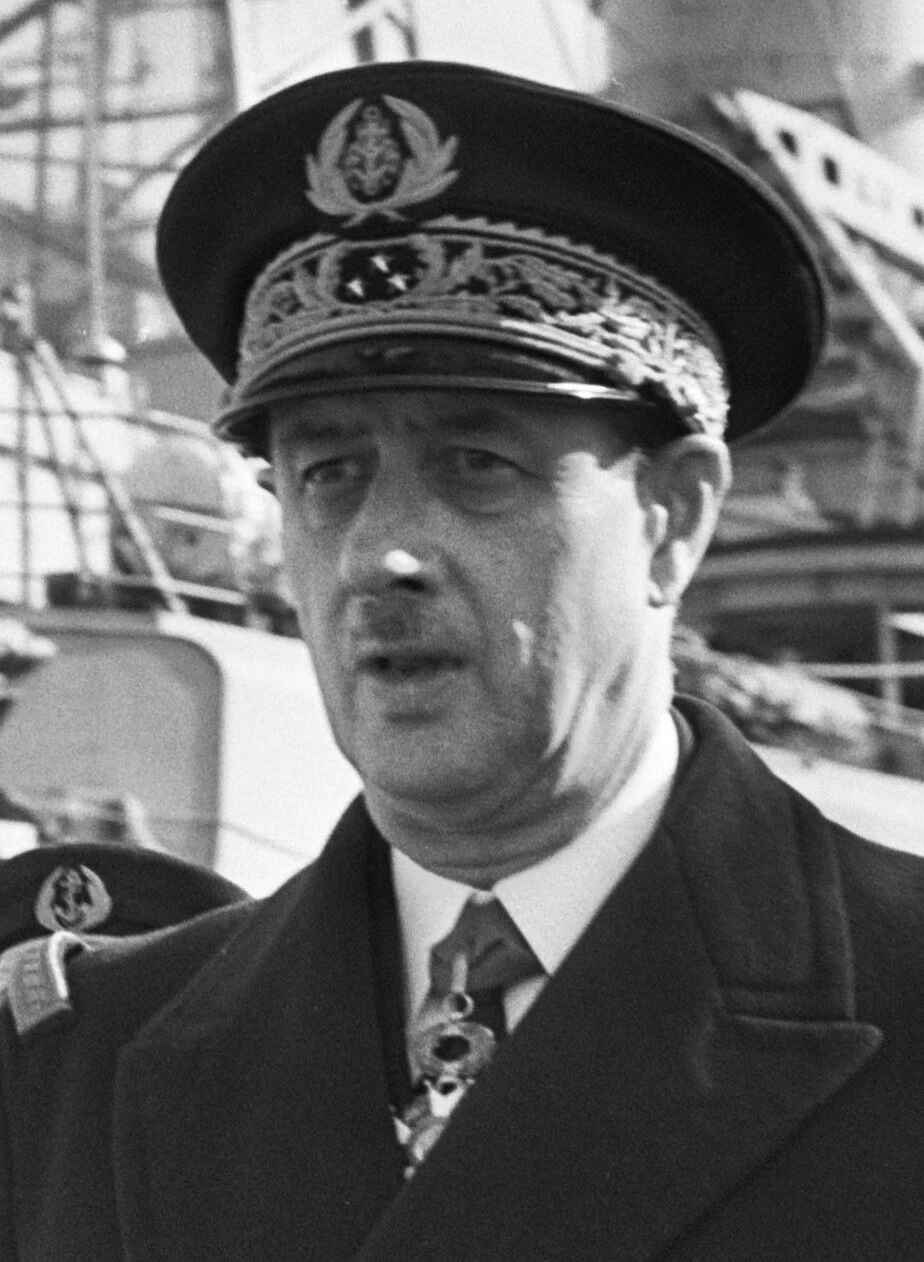
De Gaulle at Abbeville
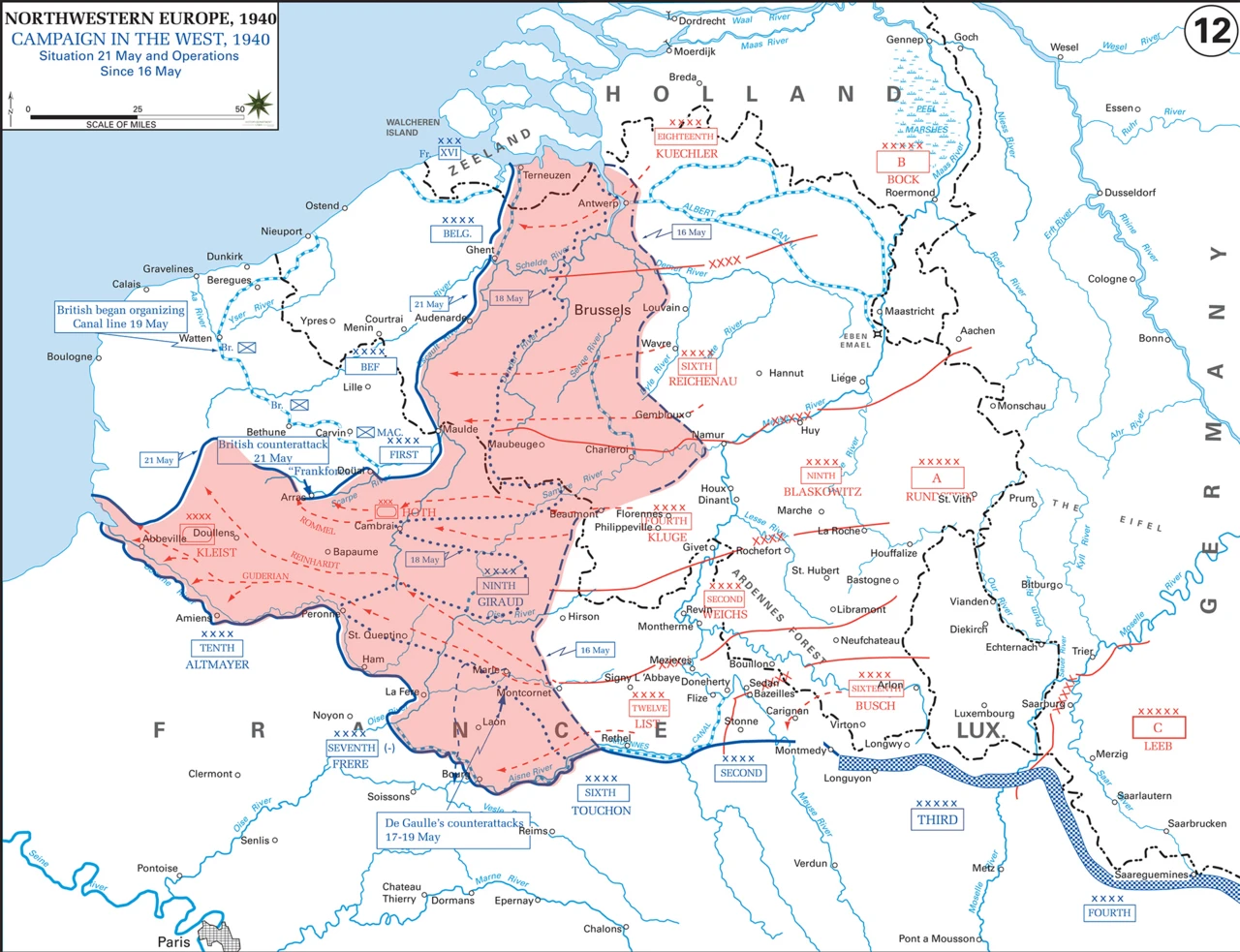
After his counter-attacks at Montcornet, General de Gaulle and his are committed, in late May 1940, against the German bridgehead at Abbeville, south of the Somme — a strongpoint that the Germans have established on the south bank of the river to prepare the second phase of their offensive towards the heart of France.
The objective is to reduce this bridgehead in order to re-establish the line of the Somme. His division, battered and incomplete, faces a solid German defence, entrenched on the heights of Mont Caubert, and lacks coordinated infantry and artillery support.
De Gaulle may attack vigorously to reduce the bridgehead, exploiting his tanks. He may proceed methodically, in stages, to limit attrition. Or he may give up for want of sufficient means. The stake, beyond the ground, is to prove once more the value of armoured manoeuvre — and to win a French success in an ocean of defeats.
Should de Gaulle attack the bridgehead vigorously, proceed methodically, or give up?
De Gaulle chooses A, true to his ideas of the determined armoured attack: from 28 to 30 May 1940, the attacks the Abbeville bridgehead and regains ground on Mont Caubert, inflicting losses on the Germans — one of the rare French offensive successes of the campaign. But, for want of infantry and sufficient support, the attack fails to reduce the bridgehead completely, and the division, exhausted, has to halt. This partial success nonetheless confirms de Gaulle's theses on the use of armour and enhances his prestige: shortly afterwards, he is appointed Brigadier-General and joins the Reynaud government, before his departure for London. Abbeville shows, once again, what an offensive armoured doctrine might have achieved — too little, too late.
Learn more about this event
Related polls
10
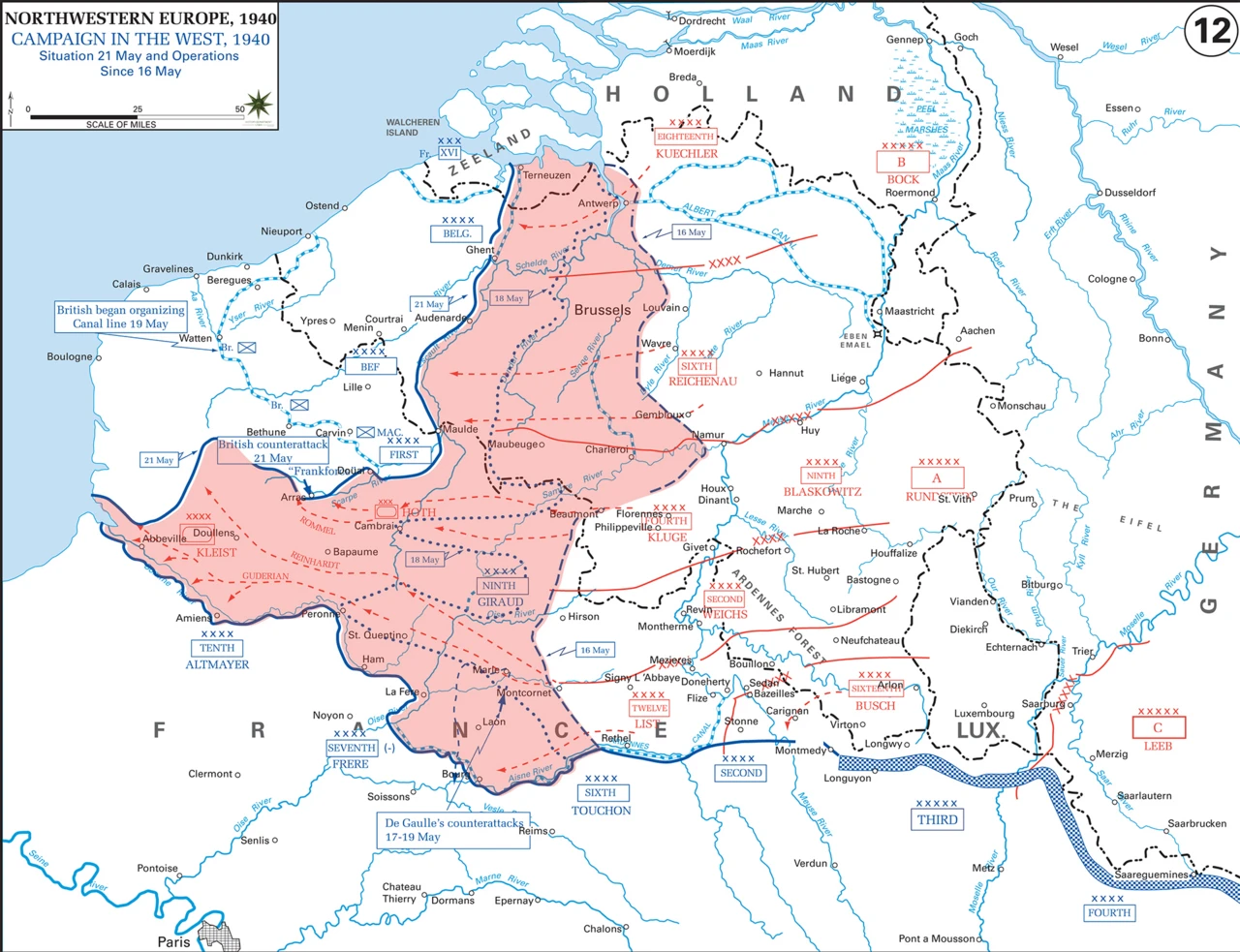
Arras — the Matildas against Rommel's flank
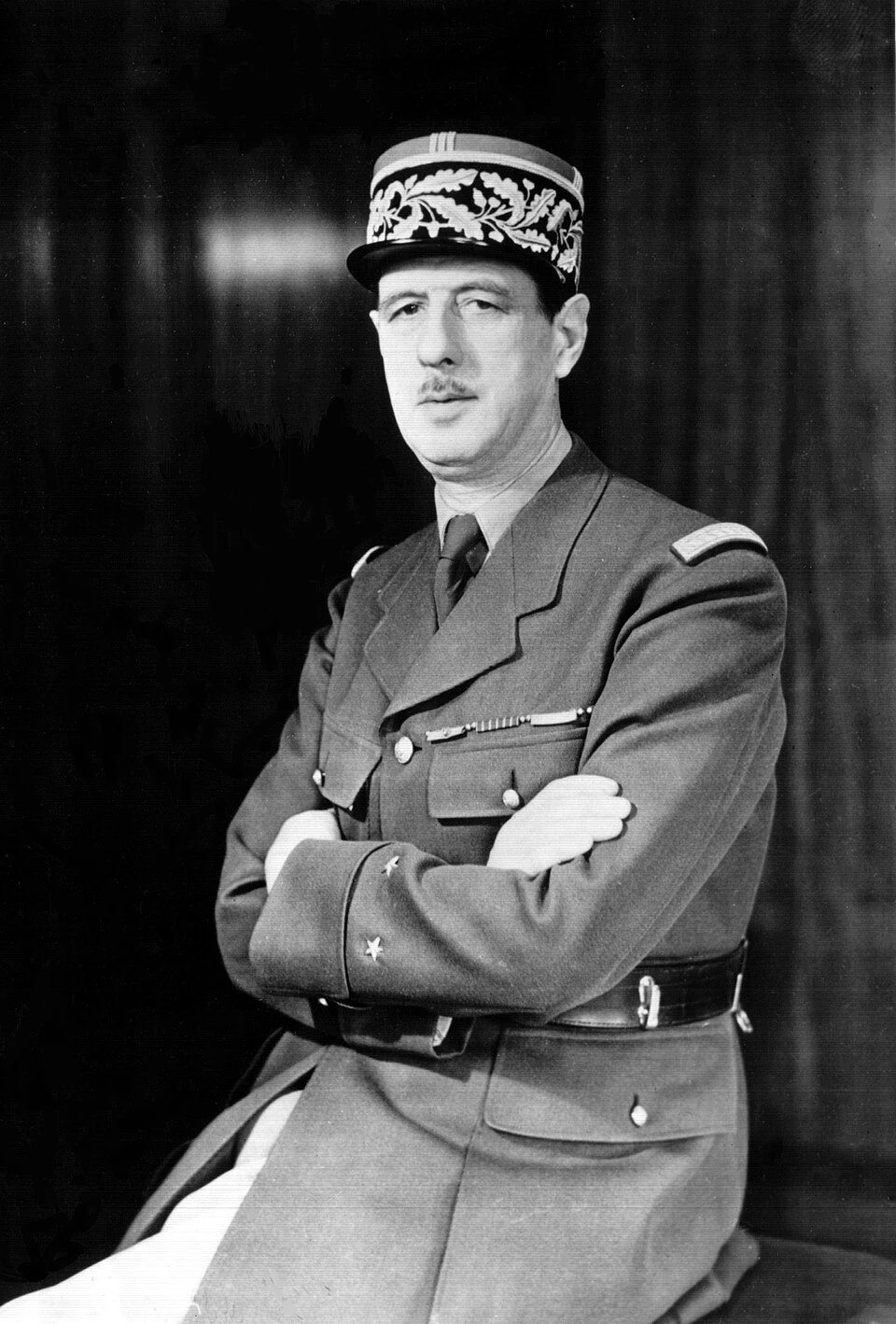
De Gaulle at Montcornet — 17 May
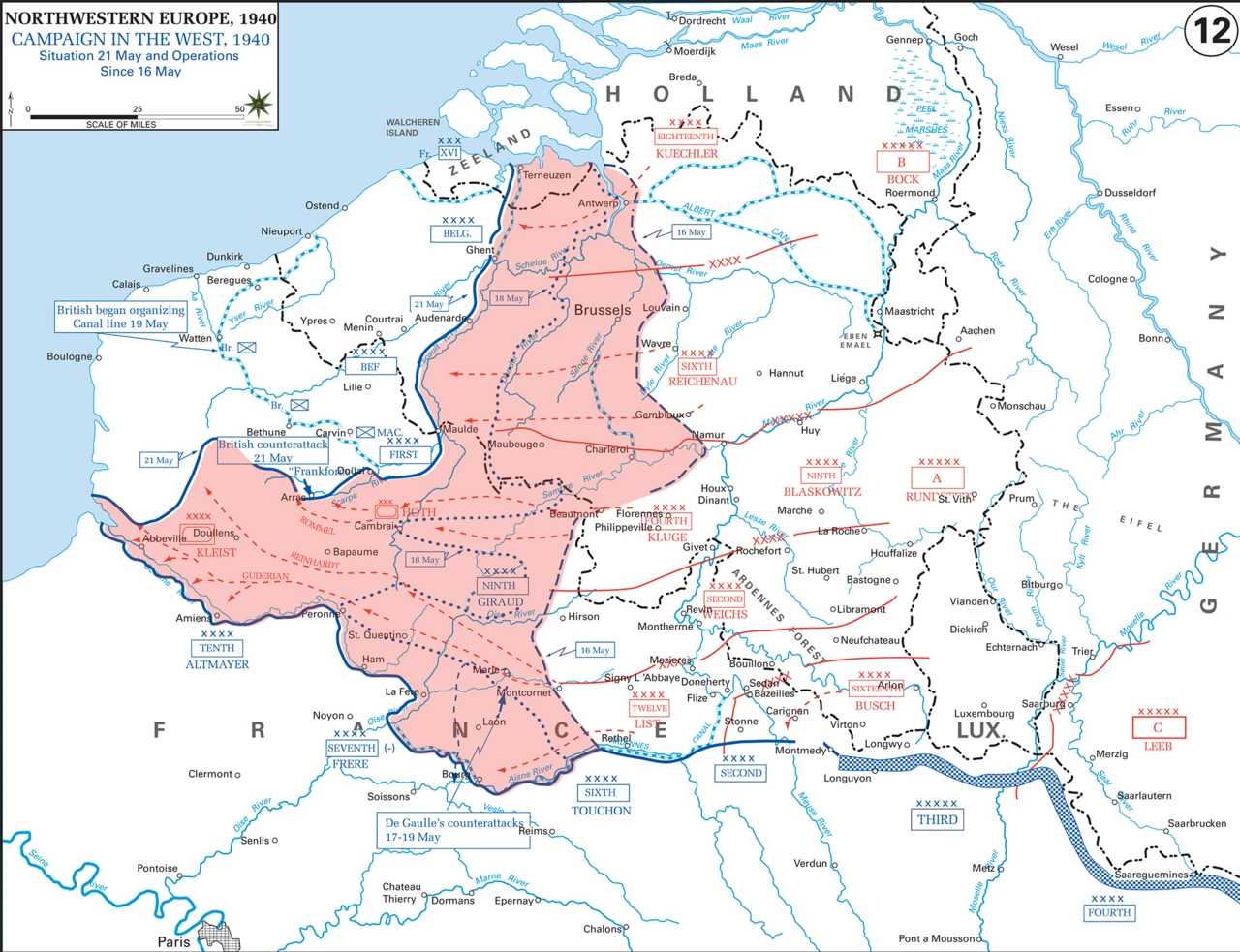
Boulogne — Fox-Pitt and the Guards facing the port
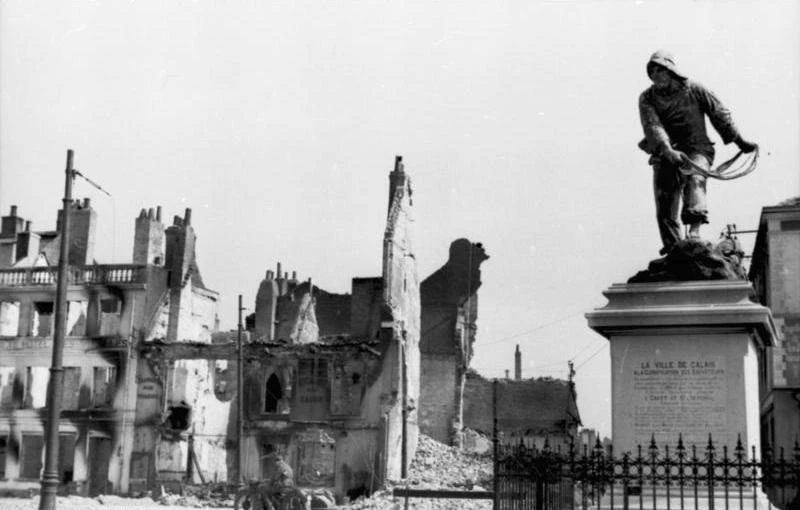
Calais — Nicholson facing the ultimatum
The Arras counter-attack
De Gaulle at Montcornet
The Defence of Boulogne
The Weygand Line on the Somme
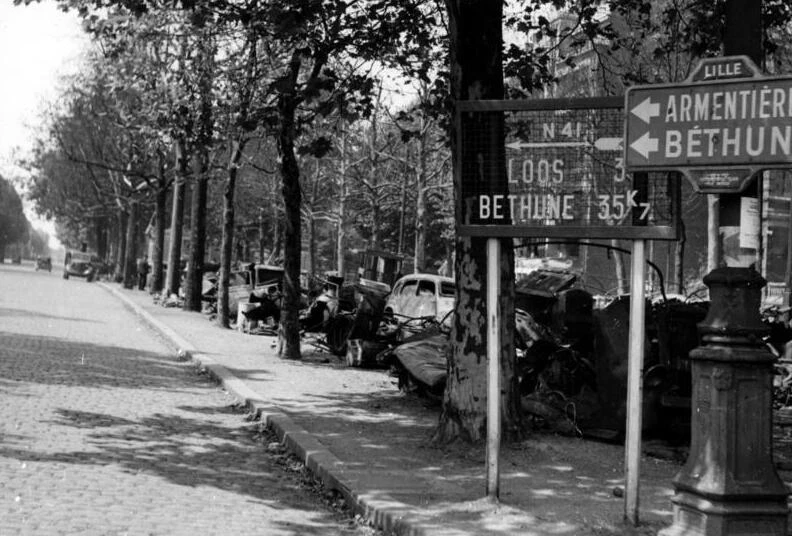
The Lille Pocket
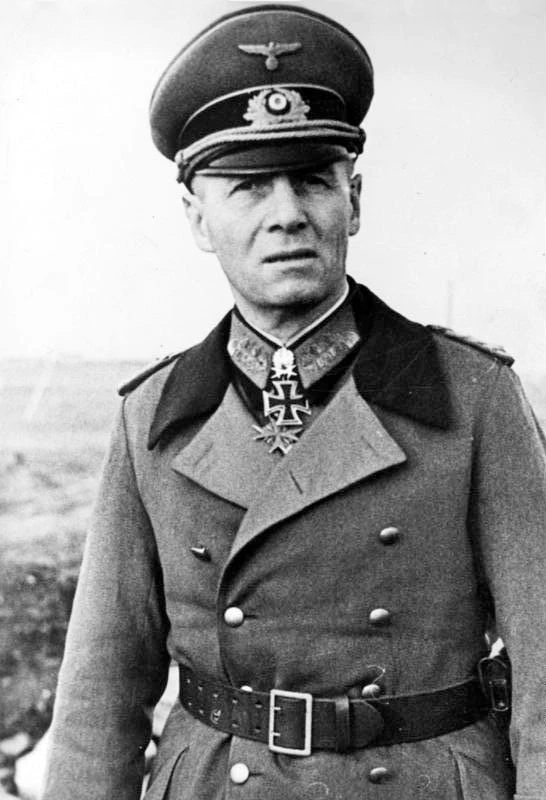
Rommel before the Serre — the Crécy bridge
Arras — the Matildas against Rommel's flank
De Gaulle at Montcornet — 17 May
Boulogne — Fox-Pitt and the Guards facing the port
Calais — Nicholson facing the ultimatum
The Arras counter-attack
De Gaulle at Montcornet
The Defence of Boulogne
The Weygand Line on the Somme
The Lille Pocket