
Dunkirk: should the French be saved alongside the British?
In late May 1940, the Battle of France is turning into a disaster. Encircled in a pocket that keeps shrinking around Dunkirk, hundreds of thousands of Allied soldiers — the British Expeditionary Force and strong French units — are pinned against the sea, under German artillery fire and the dive-bombing of the Luftwaffe. Operation Dynamo, launched on 26 May, throws into the Channel everything that floats: destroyers, ferries, trawlers and the flotilla of "little ships" that shuttle to the beaches.
In the first days, however, the evacuation benefits the two allies very unequally, and bitterness is rising on the French side. In Paris, where the Supreme Inter-Allied Council is meeting, Churchill faces Paul Reynaud and General Weygand, who press the Prime Minister not to abandon the French troops on the sand. The stakes go far beyond logistics: what is being decided here is the very solidity of the alliance, and British honour in the eyes of a partner on the brink of collapse.
Time, for its part, is not up for negotiation. Every hour of evacuation is paid for in ships sunk and men lost; the perimeter is contracting, enemy aircraft dominate the sky, and no one knows how many more nights the bridgehead will hold. Churchill must decide within hours.
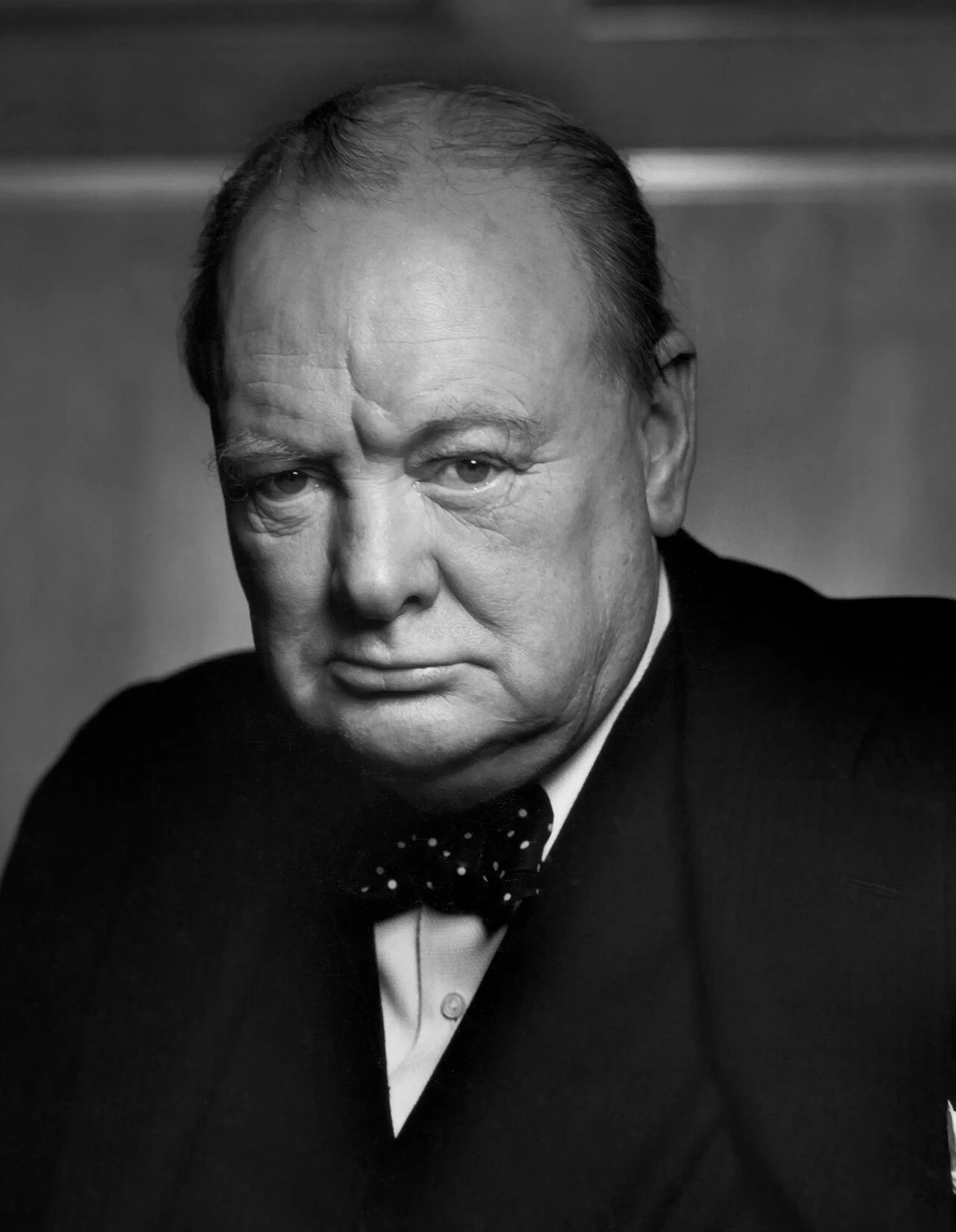
You are Winston Churchill, at the Supreme Inter-Allied Council in Paris. Facing Reynaud and Weygand, what rule do you set for the evacuation of Allied troops at Dunkirk?
On 31 May 1940, before Reynaud and Weygand, Churchill decided in favour of evacuation on equal terms: British and French would leave "arm in arm" (bras dessus, bras dessous), and British troops would form part of the rearguard covering the evacuation. Operation Dynamo ultimately allowed some 338,000 men to be evacuated, including around 123,000 French soldiers. The gesture sealed the alliance in adversity and left a lasting impression. Many of the French landed in England were nevertheless repatriated to France shortly afterwards, at their own request or out of operational necessity, and were taken prisoner during the capitulation of June 1940 — a fate that took nothing away from the symbolic significance of the decision.
Learn more about this event
Related polls
10
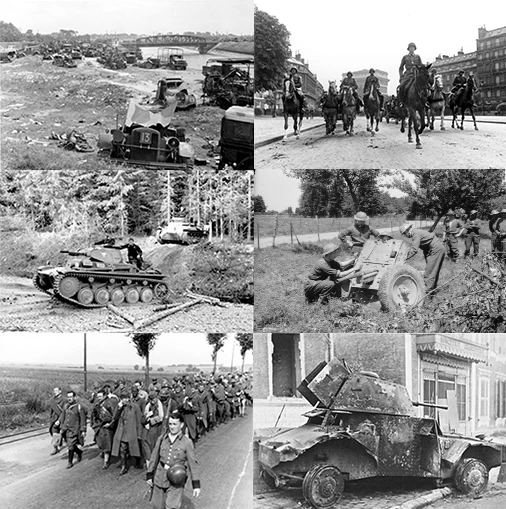
The Empire — Vichy or de Gaulle
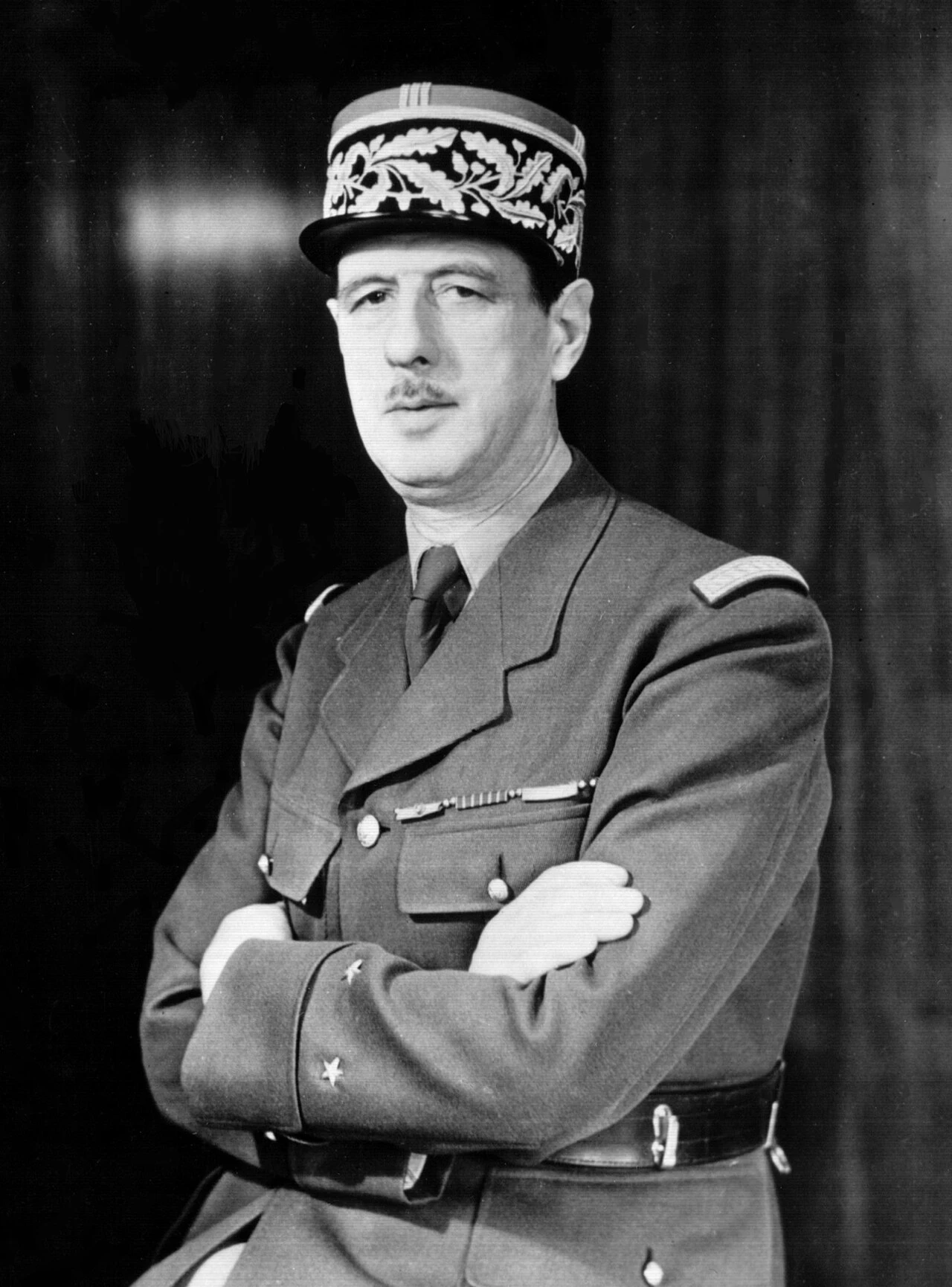
De Gaulle joins the government — 5 June
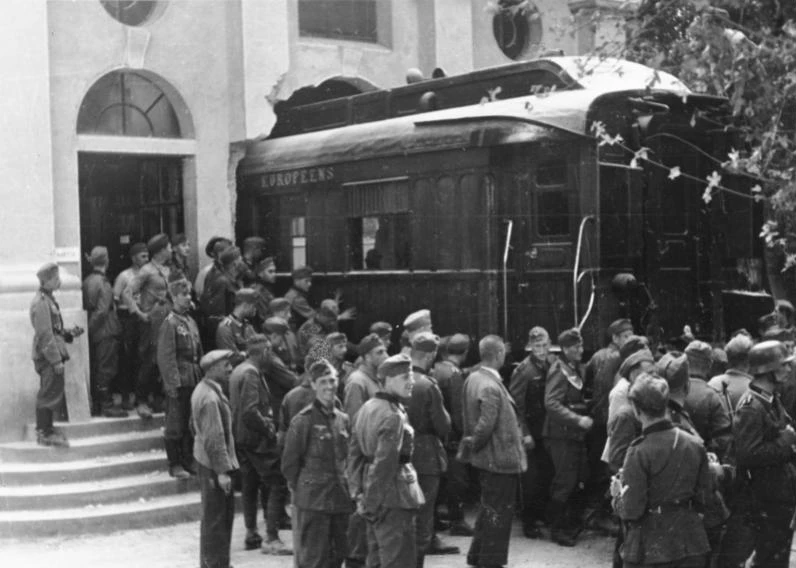
Reynaud or Pétain — Carry On or the Armistice
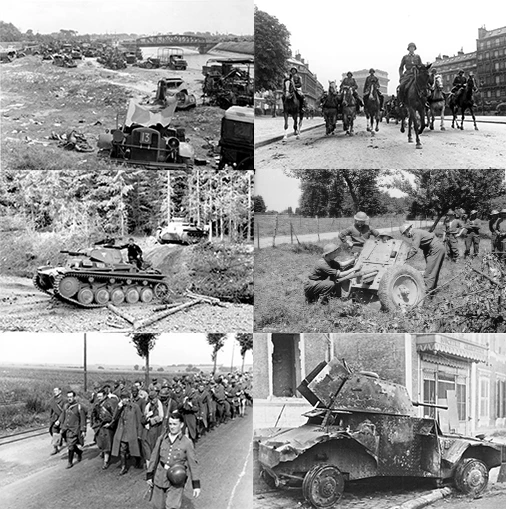
The War Cabinet — Negotiate or Carry On
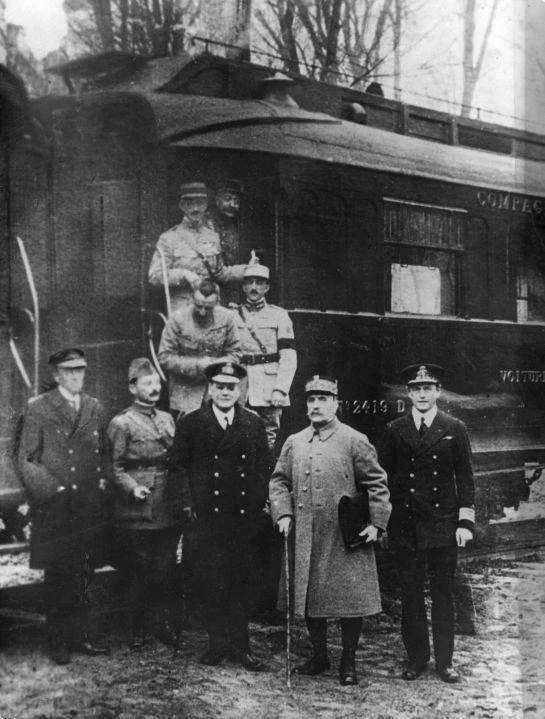
Rethondes — Article 8 on the Fleet
Reynaud — Matignon 21 March
The Franco-British union — 16 June
Baku in the crosshairs — Operation Pike
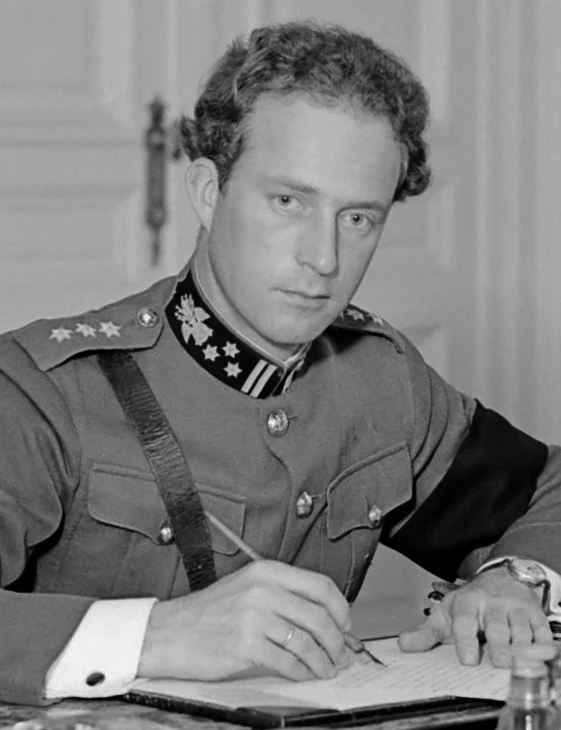
The Capitulation of 28 May
Churchill and the ultimatum on the Burma Road
The Empire — Vichy or de Gaulle
De Gaulle joins the government — 5 June
Reynaud or Pétain — Carry On or the Armistice
The War Cabinet — Negotiate or Carry On
Rethondes — Article 8 on the Fleet
Reynaud — Matignon 21 March
The Franco-British union — 16 June
Baku in the crosshairs — Operation Pike
The Capitulation of 28 May