
Pintor in the Alps — 21 June
On 21 June 1940, with the Franco-German armistice about to be signed, Mussolini demands an Italian offensive in the Alps: he needs a victory to show before the fighting ends. General commands the forces committed along the Alpine axes — from Petit-Saint-Bernard to Mont-Cenis down to the coast toward Menton — several hundred thousand men.
Facing him, General Olry's , far less numerous, holds a chain of mountain fortifications (the 'Alpine line' of the Maginot) on terrain that massively favours the defender. Conditions are atrocious: snow, fog, high altitudes, passes locked by concrete works.
Pintor knows that the attack, ordered for reasons of prestige, runs up against nearly insurmountable obstacles. His divisions, poorly equipped for high mountain warfare, lack boots, warm clothing and artillery capable of reducing the forts. Pintor can launch the massive offensive as Mussolini demands, settle for a symbolic demonstration for appearances' sake, or refuse an order he judges militarily absurd.
Should Pintor launch the massive offensive Mussolini wants?
Pintor executes A and launches the offensive. The result is a tactical failure: impossible to cross snow-covered passes held by intact fortifications. Italian losses run into the thousands (killed, wounded, frostbitten) for a few kilometres gained around Menton, while French losses remain very low. The Franco-Italian armistice of 24 June ratifies this failure: Italy occupies only a thin border strip. The Battle of the Alps, the only one where the French army of 1940 keeps the advantage, will remain eclipsed by the general debacle. Pintor is then sidelined; he dies in 1941.
Learn more about this event
Related polls
10
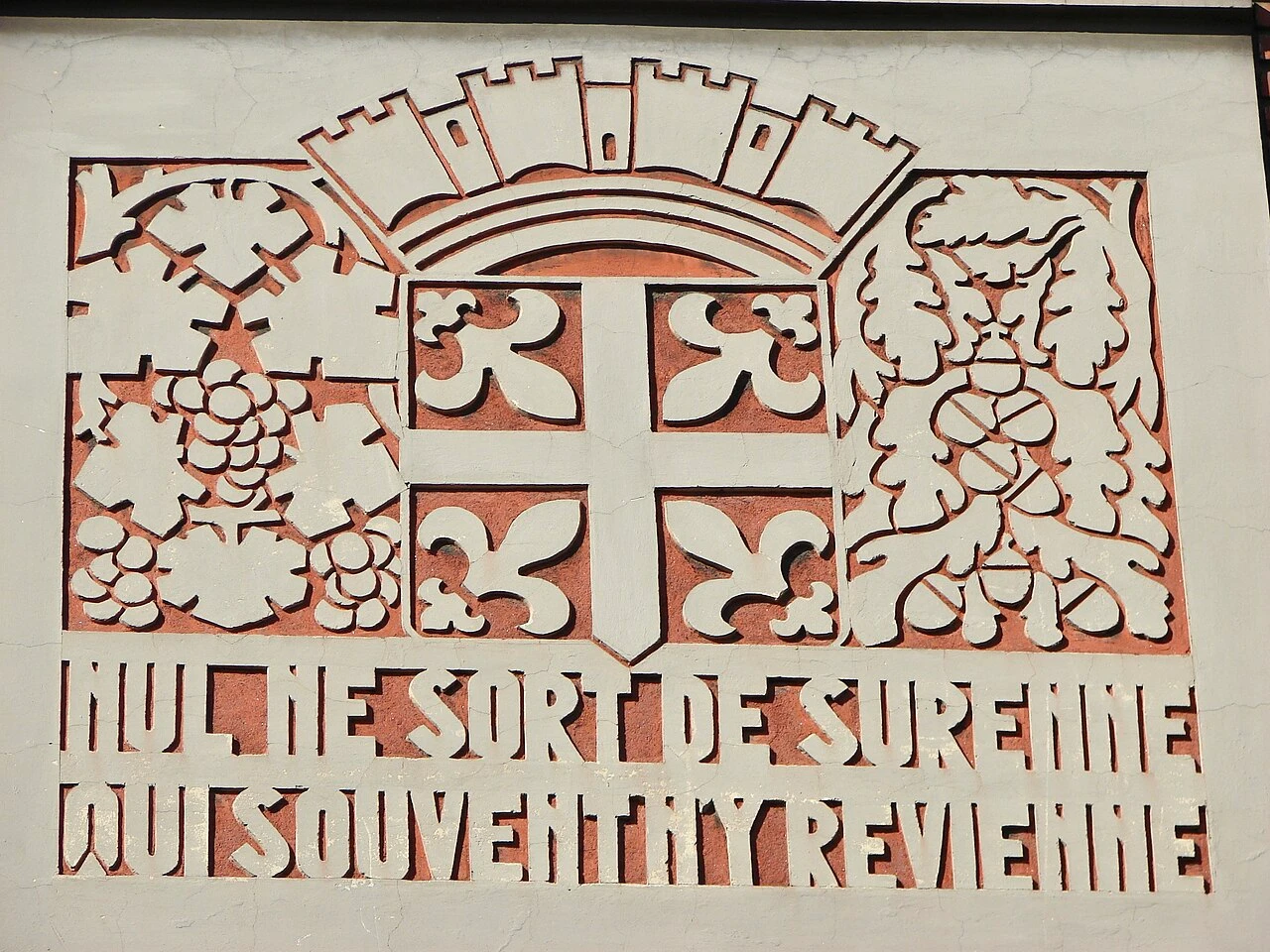
The Houx weir

The crossing of the Meuse at Dinant
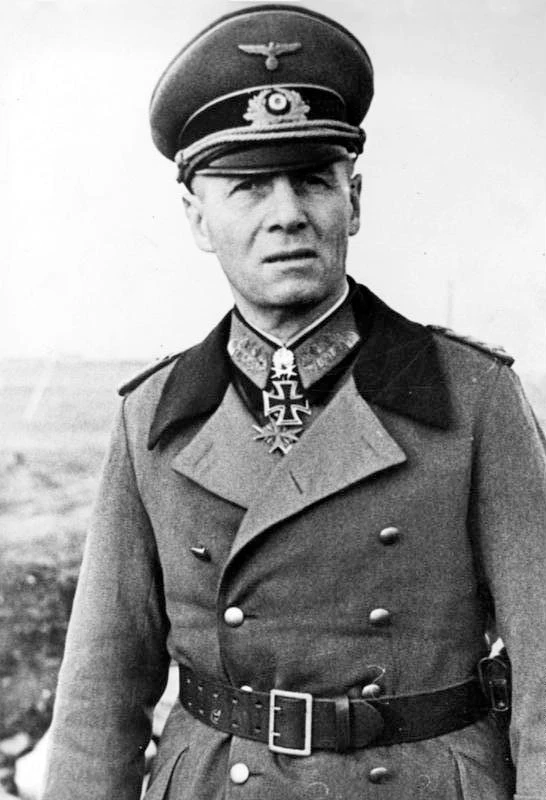
Rommel before the Meuse — Dinant, 13 May
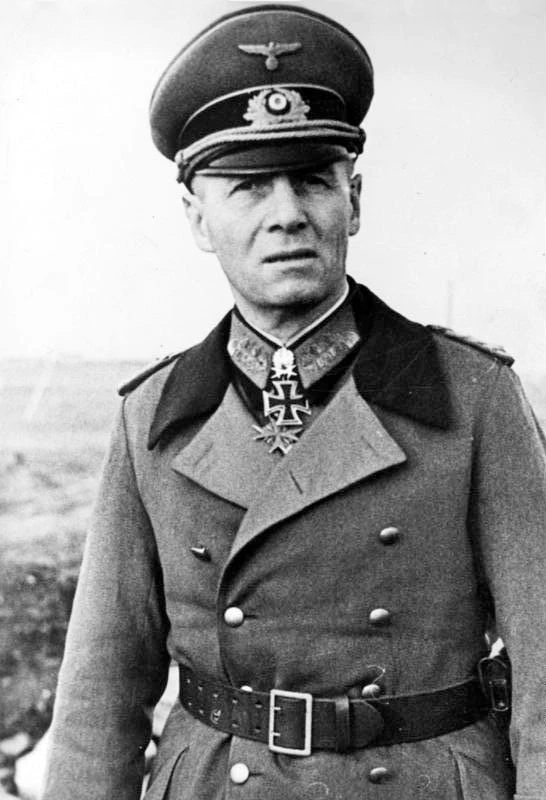
Rommel before the Serre — the Crécy bridge
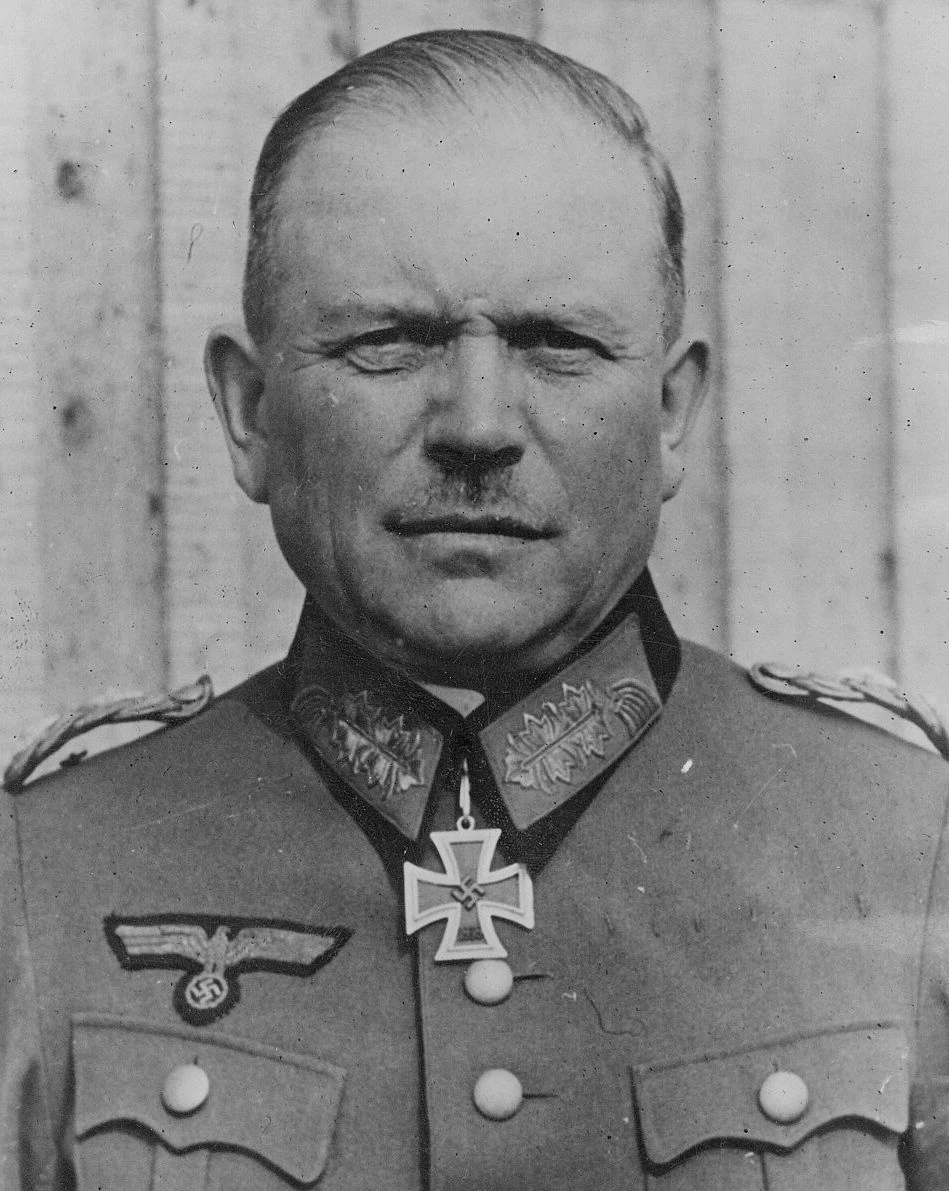
Sedan — Guderian on the Meuse
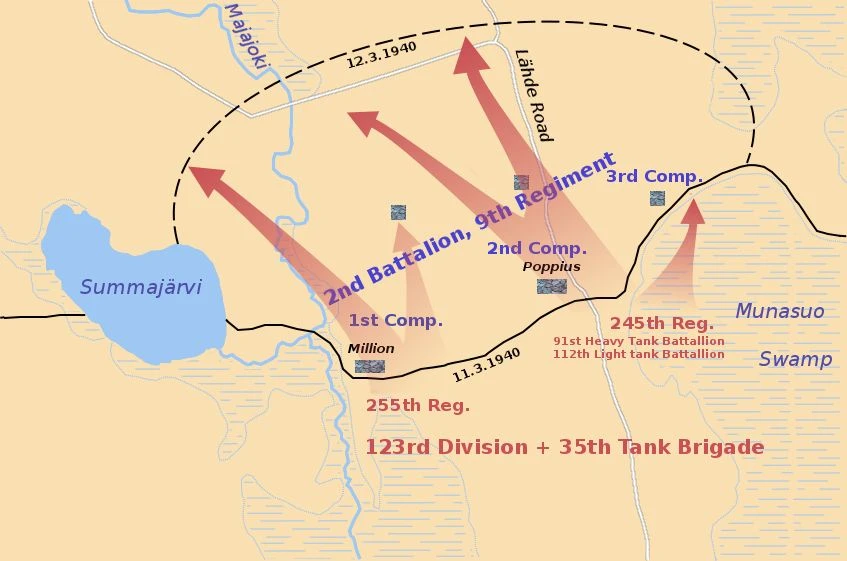
Lähde — Yakovlev against the Mannerheim bolt
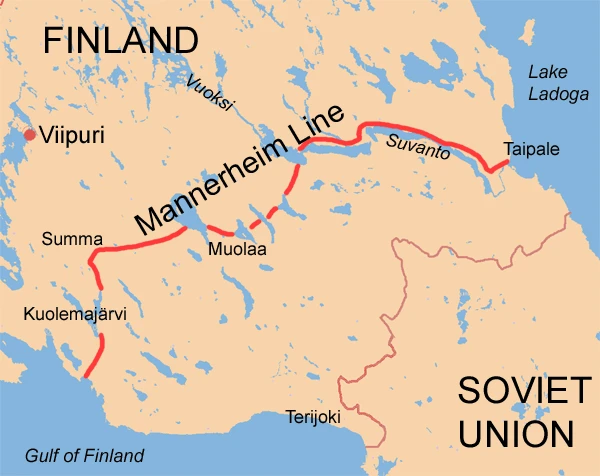
Timoshenko at Summa — 11 February
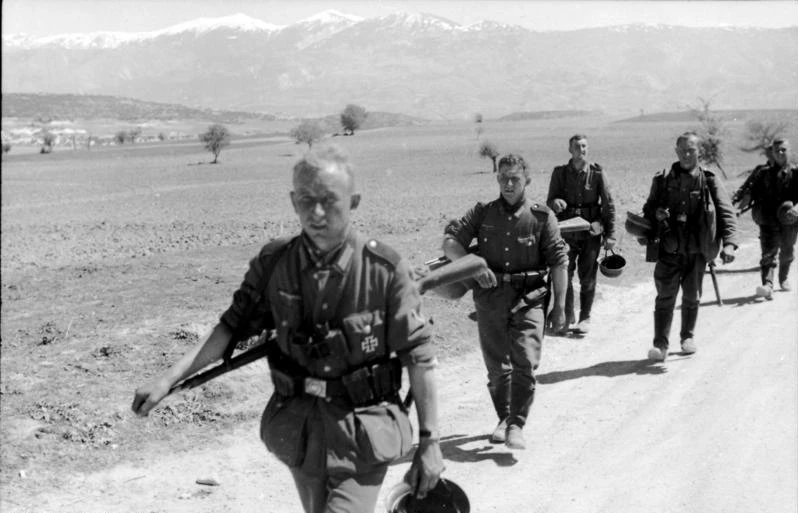
Marita — the invasion of Greece
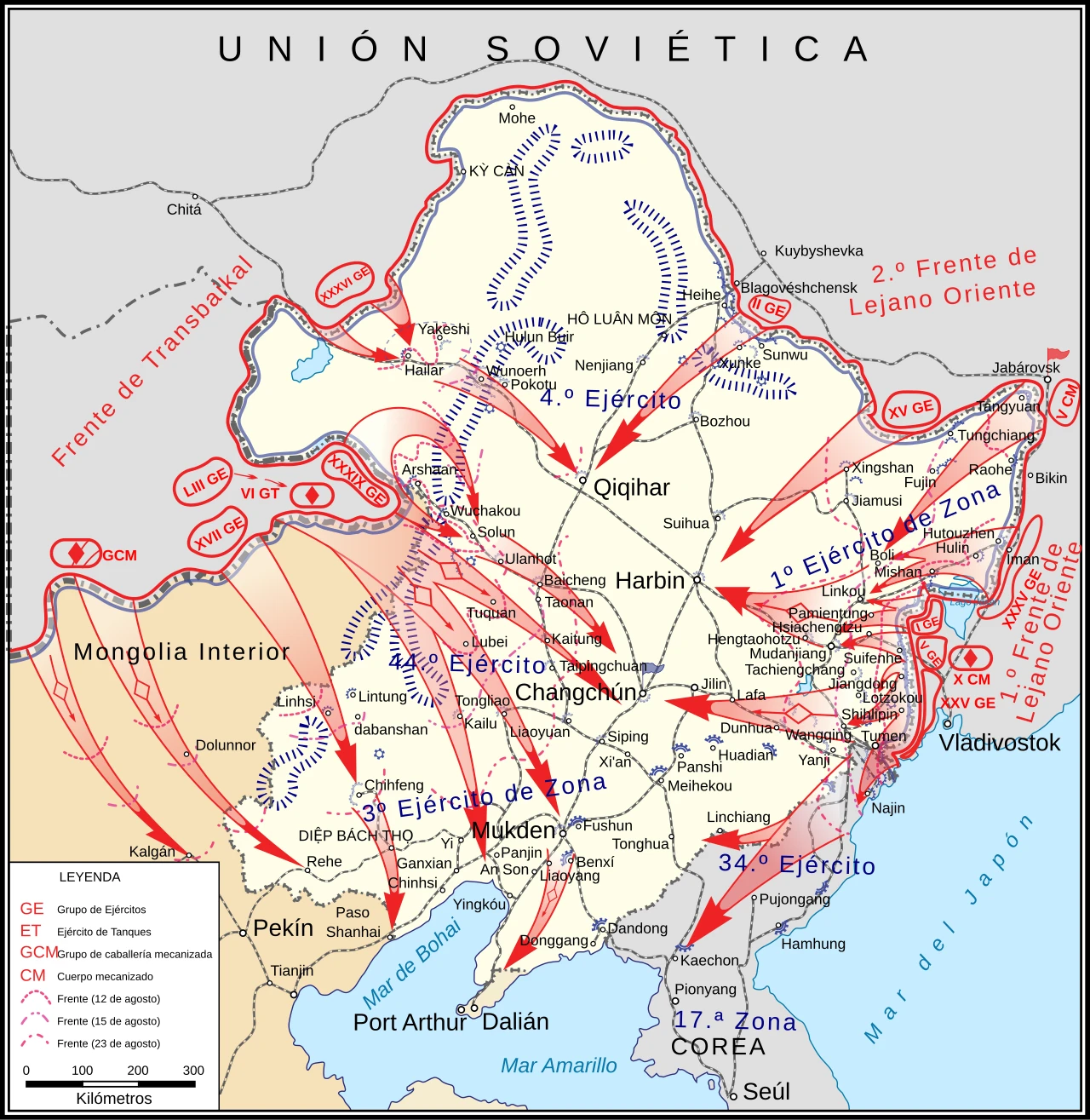
Zhukov Counterattacks
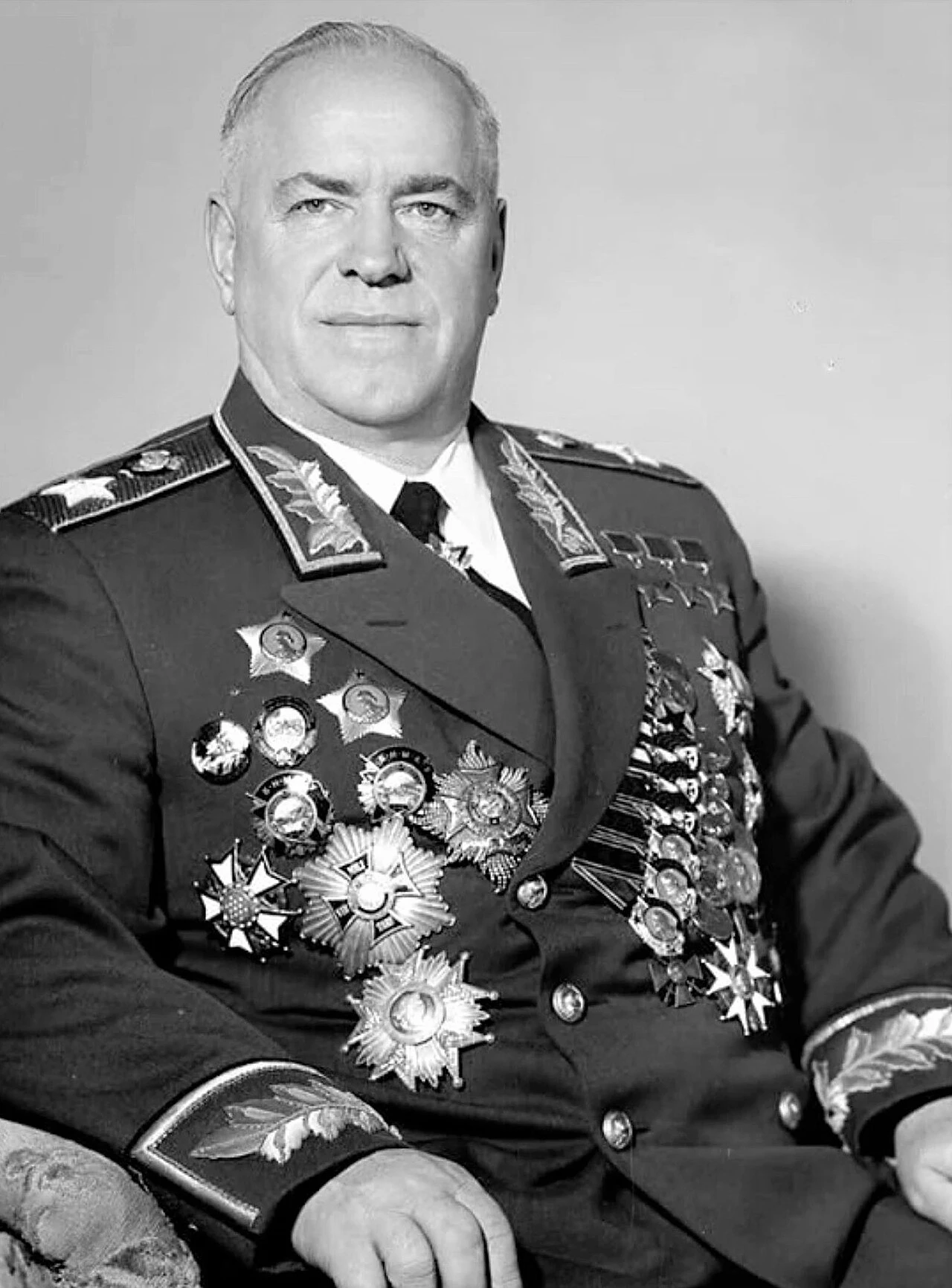
Khalkhin Gol — Baïn-Tsagan
The Houx weir
The crossing of the Meuse at Dinant
Rommel before the Meuse — Dinant, 13 May
Rommel before the Serre — the Crécy bridge
Sedan — Guderian on the Meuse
Lähde — Yakovlev against the Mannerheim bolt
Timoshenko at Summa — 11 February
Marita — the invasion of Greece
Zhukov Counterattacks