
Hitler After Molotov — Berlin, November 1940
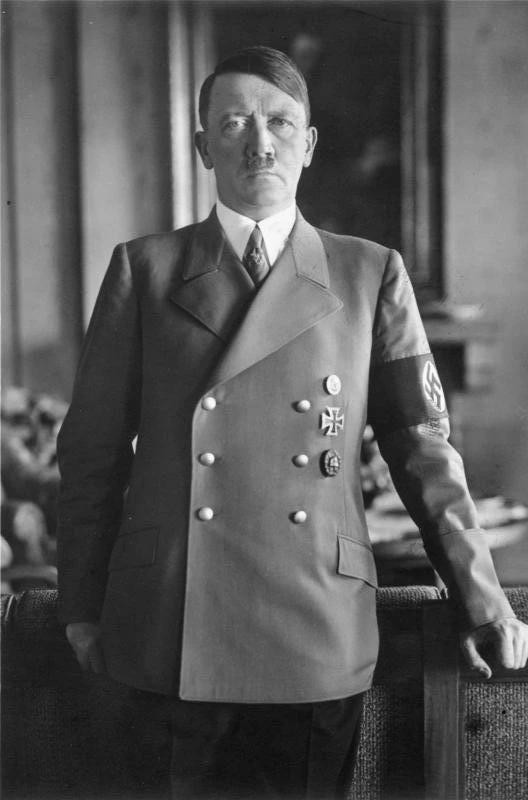
, master of the Reich from the new chancellery in Berlin, has won a dazzling victory in the West but has been unable to break England. His obsession remains the East and Lebensraum; the question is whether he should first neutralise the USSR by diplomacy or by arms.
The German-Soviet pact of August 1939 has covered his rear, but Stalin is pocketing the gains: the Baltic States, Bessarabia, Bukovina. Soviet ambitions in the Balkans and towards the Straits worry Berlin, all the more since the Reich has just placed a guarantee over Romania and its oil.
On 12 November 1940, the Commissar for Foreign Affairs arrives in Berlin in the rain. Received by Ribbentrop, Göring, Hess and then Hitler on 12 and 13 November, he is invited to join the Tripartite Pact and to carve himself a share in the "partition of the British Empire" to the south. Molotov, intractable, demands concrete guarantees in Finland, in the Balkans and over the Straits. A British air-raid warning even drives the guests towards a shelter.
Molotov leaves empty-handed on 14 November. Hitler must decide: maintain the arrangement with Moscow, or definitively consecrate the turn towards the East.
In the wake of Molotov's disappointing visit, what does Hitler decide regarding the USSR?
Hitler chose A. When Moscow replied with a long list of demands for joining the Tripartite Pact, Berlin did not answer. On 18 December 1940, Hitler signed OKW Directive No. 21: "The Wehrmacht must be ready to crush Soviet Russia in a rapid campaign (Operation Barbarossa) even before the end of the war against England." The meeting with Molotov, far from drawing the two regimes together, had convinced Hitler that the USSR was too cumbersome a partner and an adversary to be brought down. Six months later, on 22 June 1941, nearly three million Axis soldiers would cross the Soviet frontier, opening the deadliest front of the war.
Learn more about this event
Related polls
10
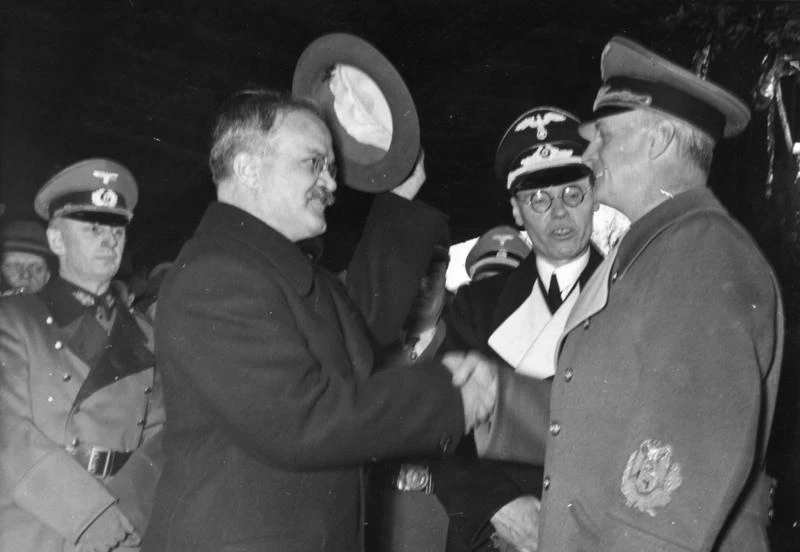
Molotov in Berlin — November 12
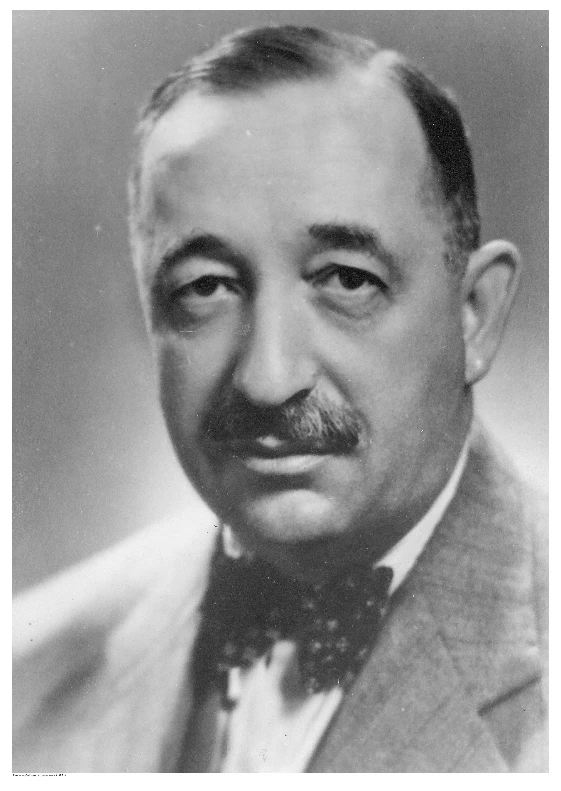
Bulgaria: lock of the Balkans, a price to pay
Gibraltar after the rebuff at Hendaye
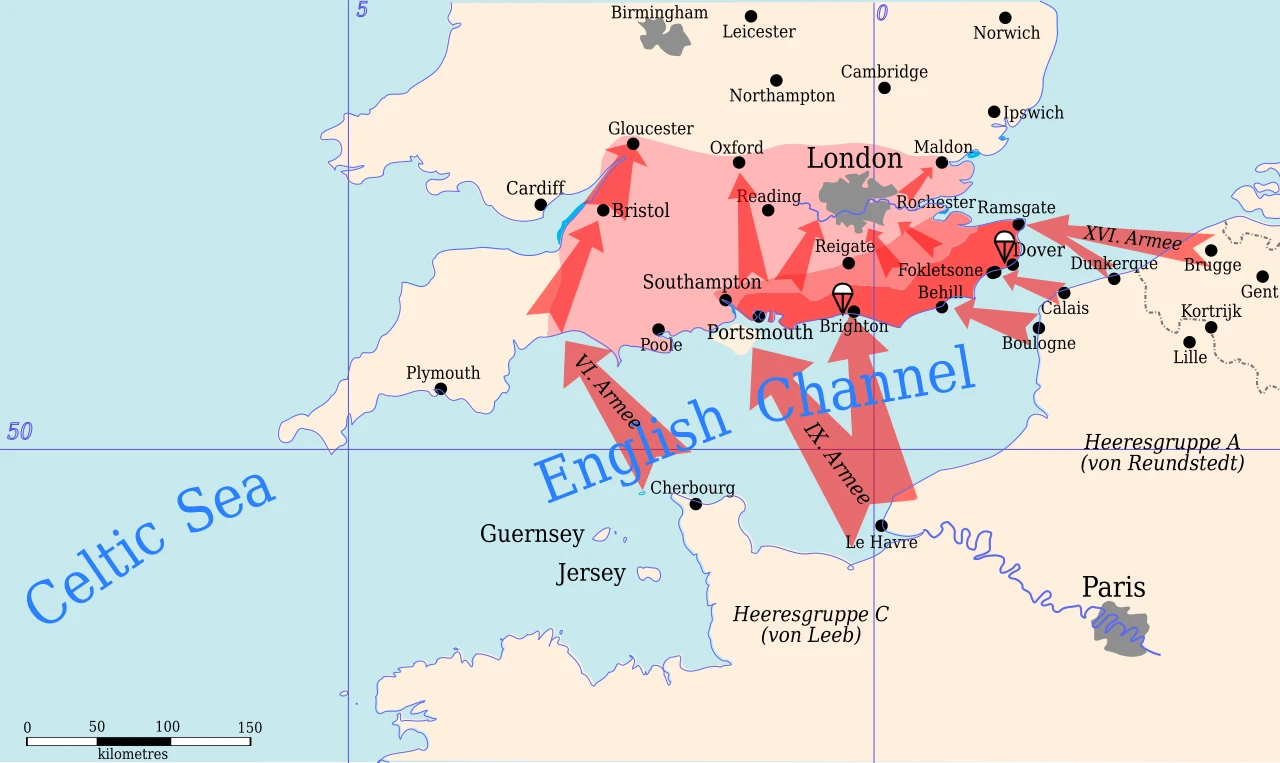
Hitler faces Sea Lion — September 17
The Indische Legion — Subhas Chandra Bose in Berlin
Saving an ally bogged down in the mountains
The Obersalzberg Speech
Goering at Carinhall — the promise to Hitler
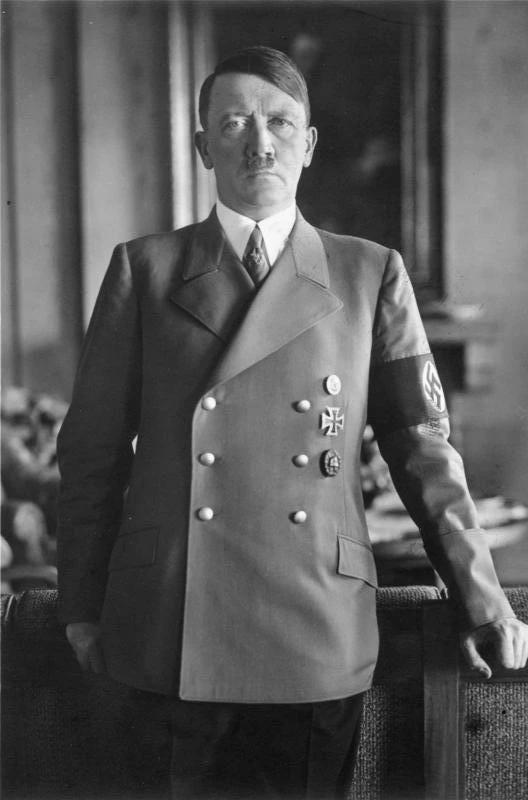
Hitler Before His Generals
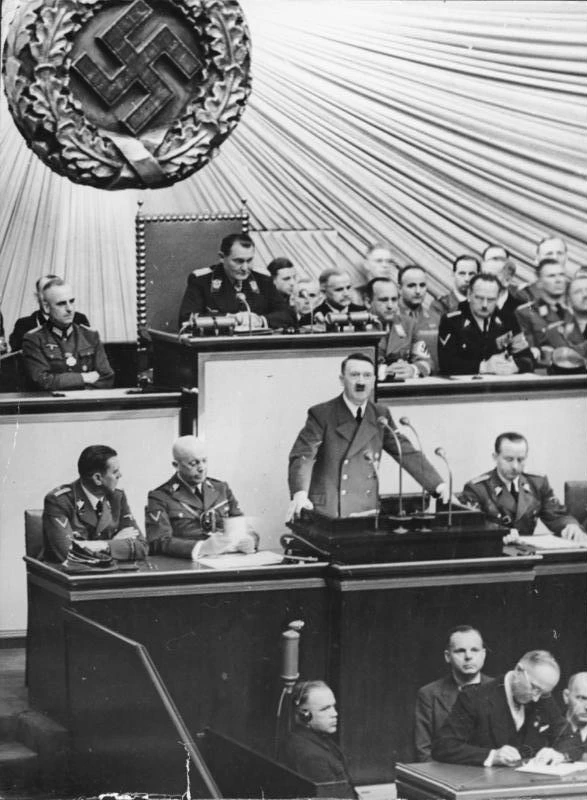
Hitler — the Reichstag Speech
Molotov in Berlin — November 12
Bulgaria: lock of the Balkans, a price to pay
Gibraltar after the rebuff at Hendaye
Hitler faces Sea Lion — September 17
The Indische Legion — Subhas Chandra Bose in Berlin
Saving an ally bogged down in the mountains
The Obersalzberg Speech
Goering at Carinhall — the promise to Hitler
Hitler Before His Generals