
Father Kolbe — the Wehrmacht arrives at Niepokalanów
Father (), 45, is a Conventual Franciscan. Since 1927 he has run the monastery of Niepokalanów ("City of the Immaculate"), which he founded — the largest Franciscan community in the Catholic world, with 762 friars in 1939. The monastery runs a printing house that publishes the monthly Rycerz Niepokalanej in a print run of one million (the largest Catholic magazine in Poland), a daily Mały Dziennik at 137,000 copies, a radio station, and a training airfield for missionary friars learning to fly.
Politically, Kolbe long published in Rycerz Niepokalanej texts now regarded as antisemitic in their tone (likening Judaism to a "spiritual enemy"). But that line fades from 1937 onward. In 1936 he had visited Japan to found a monastery in Nagasaki, and had been marked by the intercultural experience.
On 1 September 1939, Niepokalanów lies on the main axis of the German advance Łódź — Warsaw. From 9 to 17 September, tens of thousands of civilian refugees from the north and west of Poland pass through the region. Kolbe throws open the monastery's gates: dormitories, kitchens, workshops, underground shelters dug for the printing press. On 14 September there are about 3,500 refugees. Among them: between 1,500 and 2,000 Jews from the shtetls of Mazovia, fleeing the massacres already foretold. Kolbe takes them in without distinction of faith. The Wehrmacht approaches on 18 September.
What to do when the Wehrmacht approaches on 18 September?
Kolbe chooses B. On 19 September two Wehrmacht officers visit Niepokalanów. Kolbe receives them in his habit and explains in German (which he speaks fluently) the humanitarian nature of the refuge. Not a single friar is arrested, not a single refugee handed over. On 19 September, however, Kolbe is arrested for the first time by the Gestapo, transferred to the camp at Amtitz (Gębice, Brandenburg) and released on 8 December 1939. He returns to Niepokalanów. In the spring of 1940 the monastery still shelters 1,200 Jewish and Polish refugees. Kolbe sets up workshops (sewing, mechanics) to give them a means of living, and goes on publishing Rycerz Niepokalanej clandestinely. On 17 February 1941, he is arrested again. He is transferred to Auschwitz on 28 May 1941 (prisoner number 16670). In July 1941, after a prisoner escape, the commandant selects ten men to die in the starvation bunker in reprisal. Kolbe volunteers in the place of (a Polish sergeant who was weeping for his wife and children). He died on 14 August 1941 of a phenol injection after two weeks without food or water. Canonised by on 10 October 1982.
Learn more about this event
Related polls
10
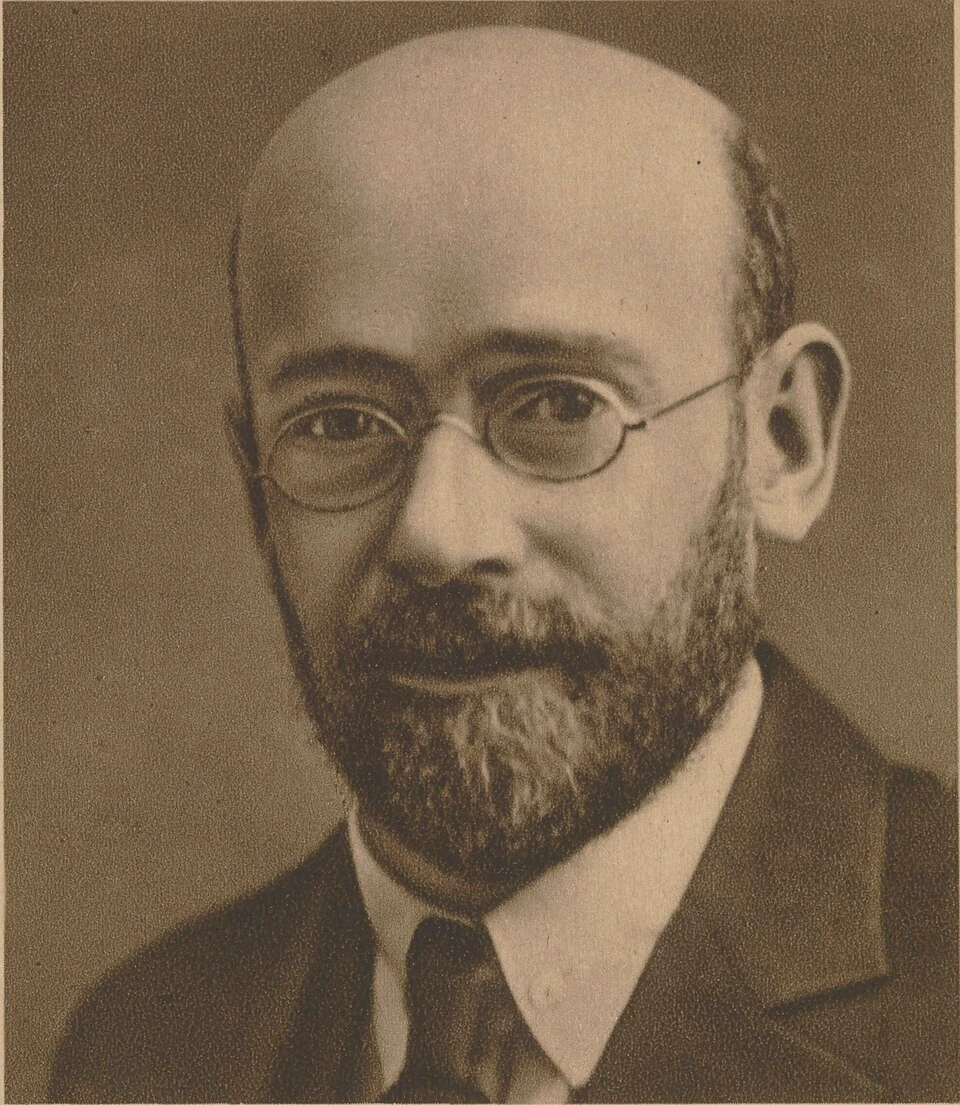
Korczak — facing the siege of Warsaw
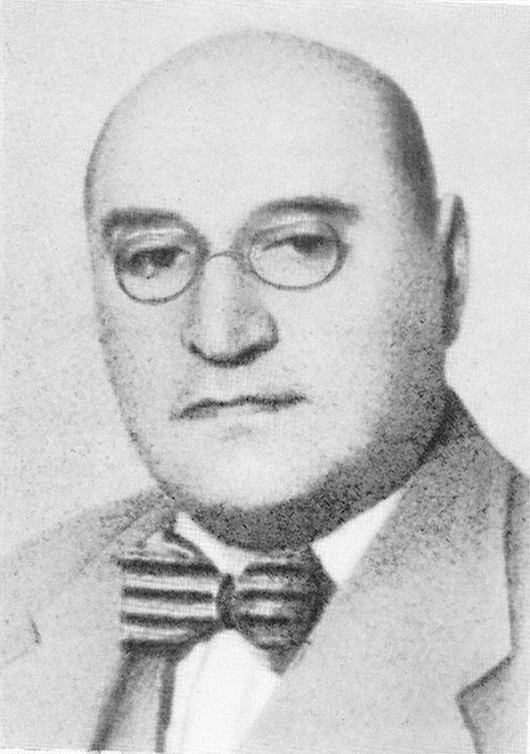
Czerniaków — the offer of the Judenrat
The Evacuation of the Children
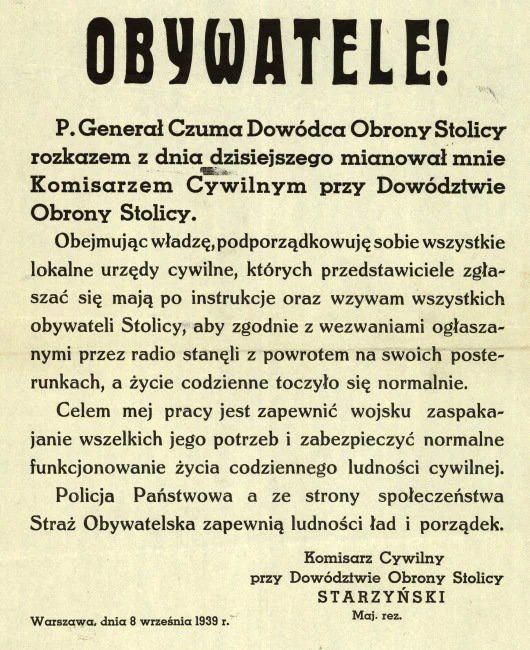
Warsaw Under Siege: Feeding the City or the Front
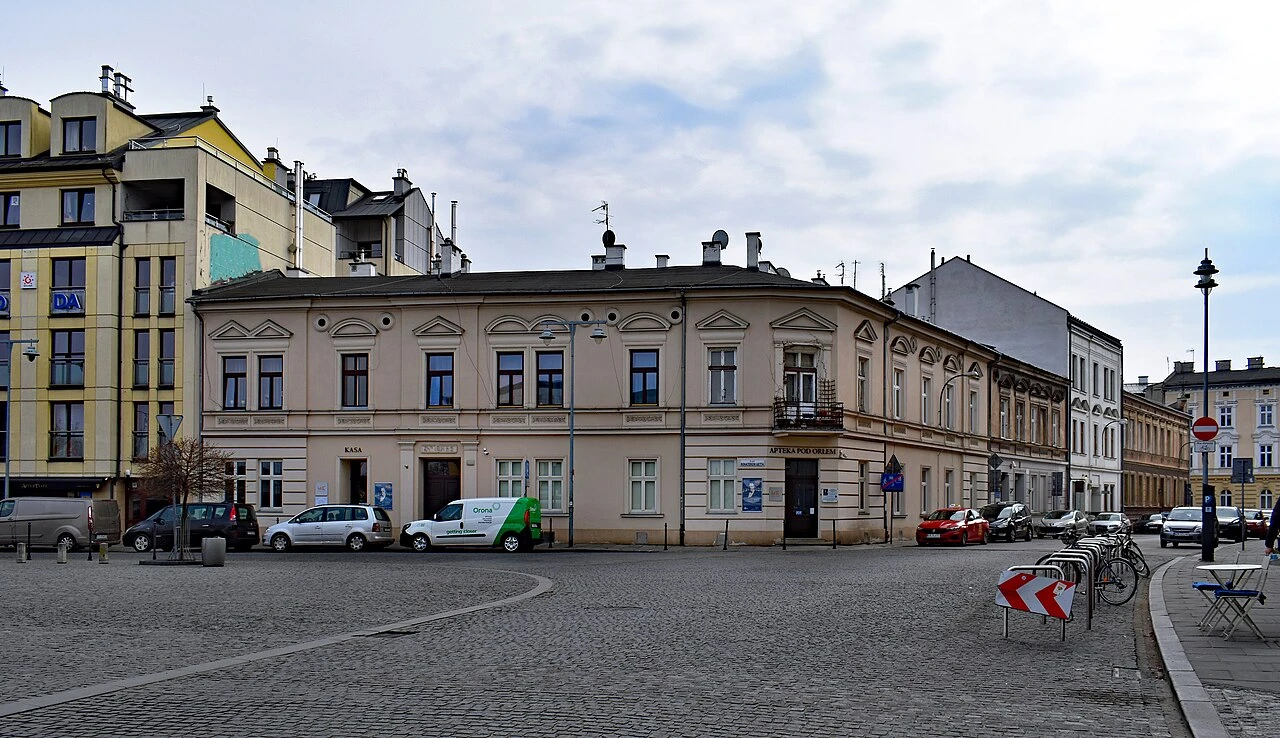
The apothecary of the Kraków Ghetto
The Conscientious Objector
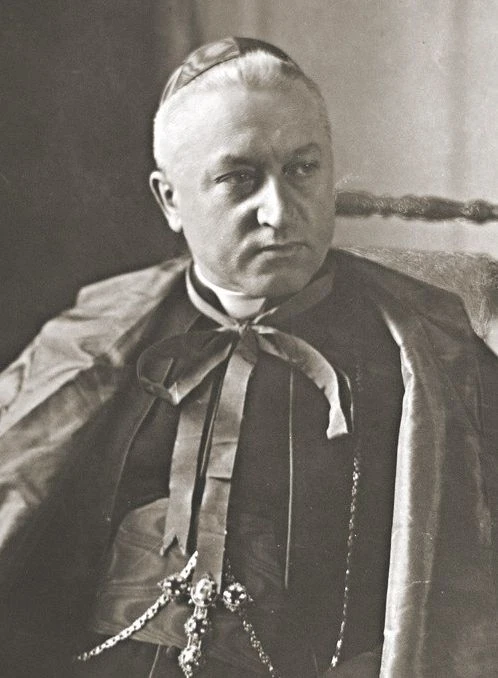
Cardinal Hlond — the Vatican's instruction
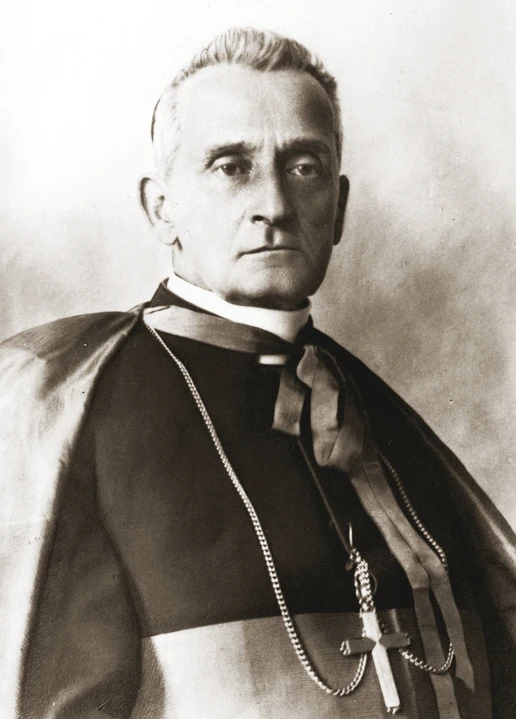
Cardinal Sapieha — Krakow under Occupation
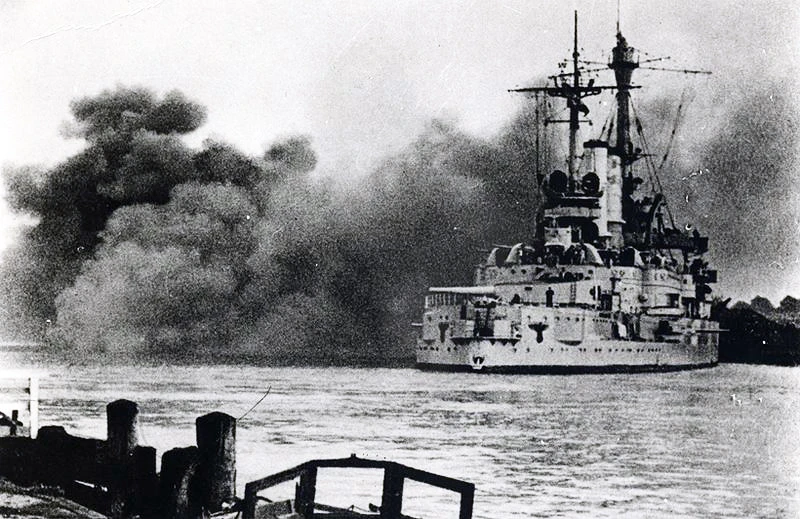
Danzig, September 1939 — the policeman of the Free City
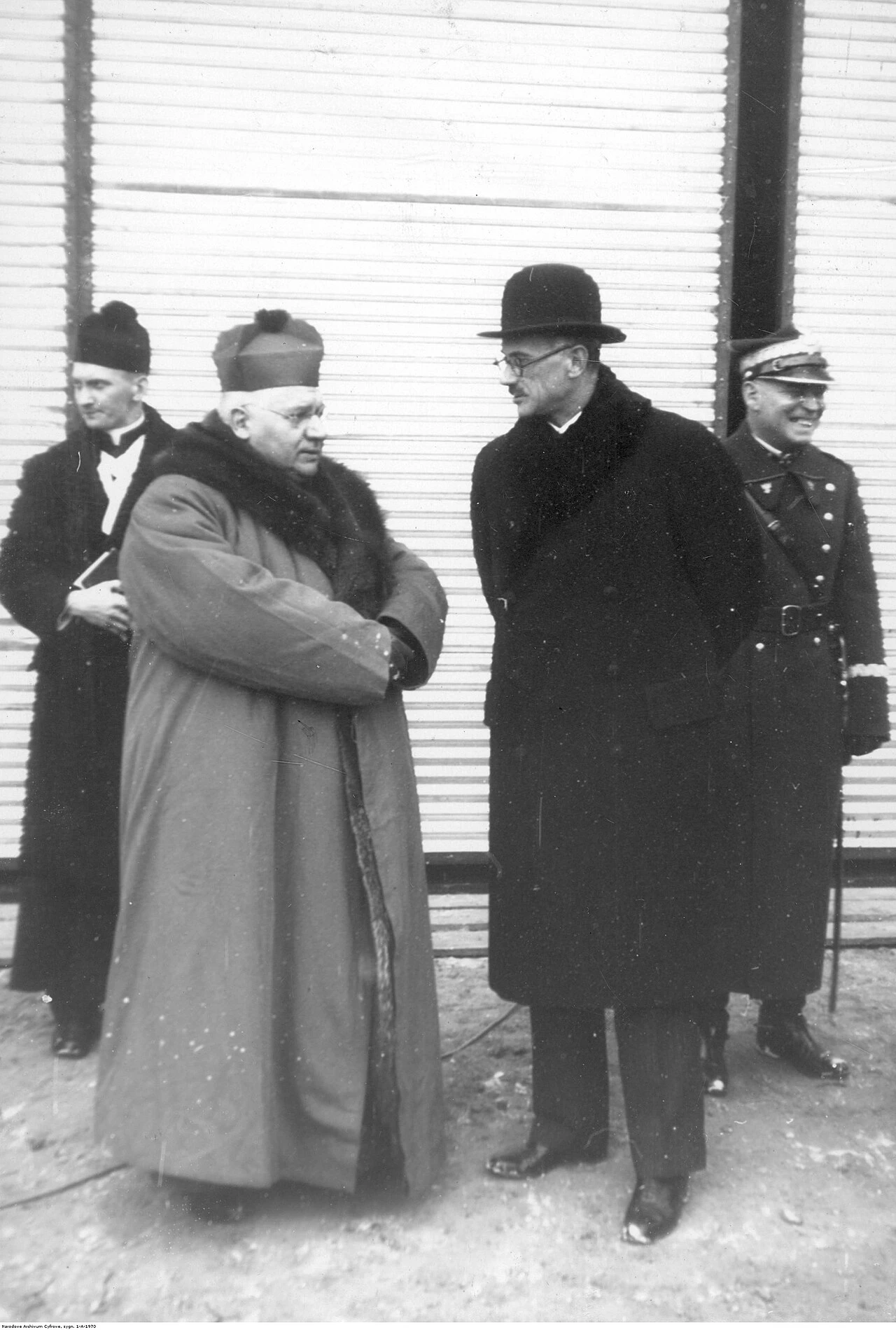
Bishop Adamski in annexed Katowice
Korczak — facing the siege of Warsaw
Czerniaków — the offer of the Judenrat
The Evacuation of the Children
Warsaw Under Siege: Feeding the City or the Front
The apothecary of the Kraków Ghetto
The Conscientious Objector
Cardinal Hlond — the Vatican's instruction
Cardinal Sapieha — Krakow under Occupation
Danzig, September 1939 — the policeman of the Free City