
Christian X — Amalienborg, 1 September
, sixty-eight, has been King of Denmark since 1912 — twenty-seven years on the throne. A forceful public personality, he favours an active symbolic role for the monarch. Denmark is a small country of 3.8 million inhabitants, sharing sixty-eight kilometres of land frontier with Germany (Jutland). The German-Danish Non-Aggression Pact signed on 31 May 1939 nominally binds the two countries — a step imposed by Berlin which Copenhagen accepted reluctantly.
The Danish army has been deliberately reduced to the strict minimum: only 14,000 men serve under arms, in two territorial divisions, supplemented by a coastal navy and a skeletal air force of some fifty aircraft. No one imagines that the country can defend itself by force of arms; its protection can rest only on diplomatic choices.
On 1 September 1939, at the invasion of Poland, the Social-Democrat Prime Minister (sixty-two, in power since 1924 with one interruption) and Foreign Minister (a radical-liberal) must decide on the official stance. Three options lie on the table: a rapprochement with Berlin to ward off invasion; strict neutrality, declared in concert with Norway and Sweden; or discreet moral support for the Allies, without diplomatic commitment. is constitutionally consultative, but his word carries weight: his sympathies are with the Allies, yet he fears an immediate occupation of Jutland. Which attitude will he publicly support?
What attitude does the king publicly support on 1 September 1939?
and Stauning choose B. On 1 September 1939, the official declaration of Danish neutrality is issued. On 18 September, a joint declaration of the three Scandinavian countries (Sweden, Norway, Denmark) confirms their neutrality. Agricultural exports to Germany are maintained — furnishing some 30 per cent of the meat consumed in Germany during the Phoney War. On 9 April 1940 at 4.15 a.m., without a declaration of war, the Wehrmacht invades Denmark as part of Operation Weserübung. Six hours later the Danish army ceases combat on the government's order — toll: sixteen Danes dead, twenty Germans dead. remains on the throne, refuses exile. He becomes the symbol of passive national resistance: a daily morning ride alone through the streets of Copenhagen (a public ritual, an emblematic image). According to a popular legend he wore the yellow star in solidarity with Danish Jews — a legend not historically documented (Danish Jews wore the star only after September 1943, and the king's rides had begun long before). Denmark saves 99 per cent of its Jewish community by evacuating them to Sweden in October 1943 — an operation which quietly supports. He dies in April 1947, two years after the liberation.
Learn more about this event
Related polls
10
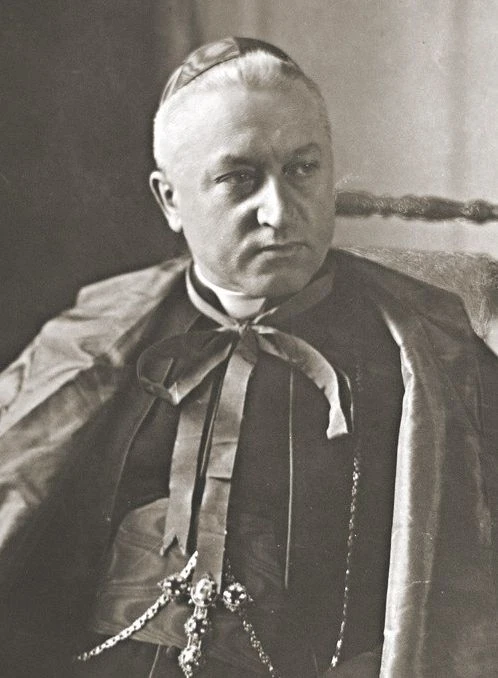
Cardinal Hlond — the Vatican's instruction
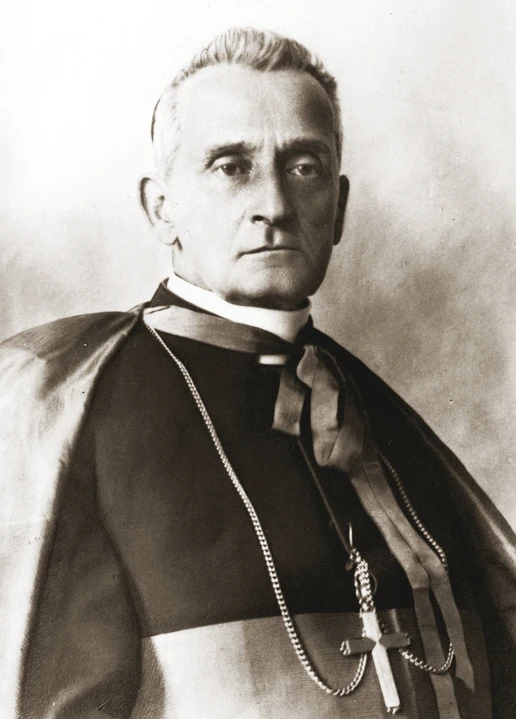
Cardinal Sapieha — Krakow under Occupation
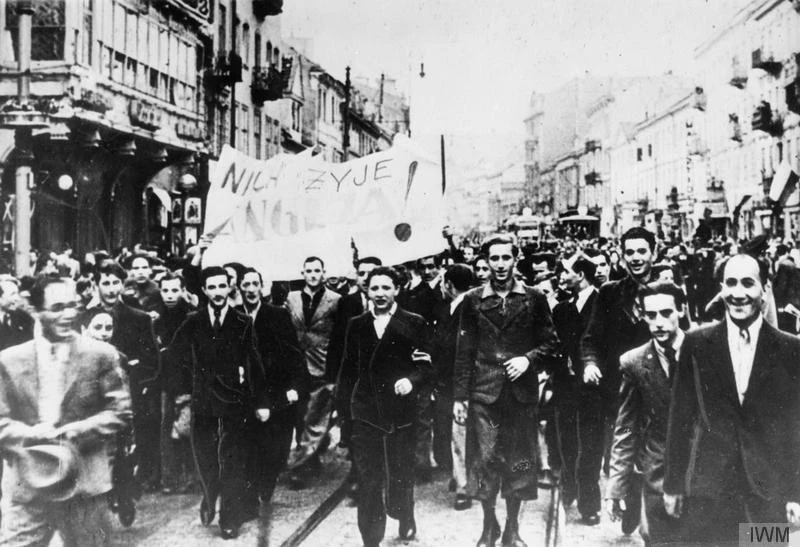
Chamberlain — 11:15 BST
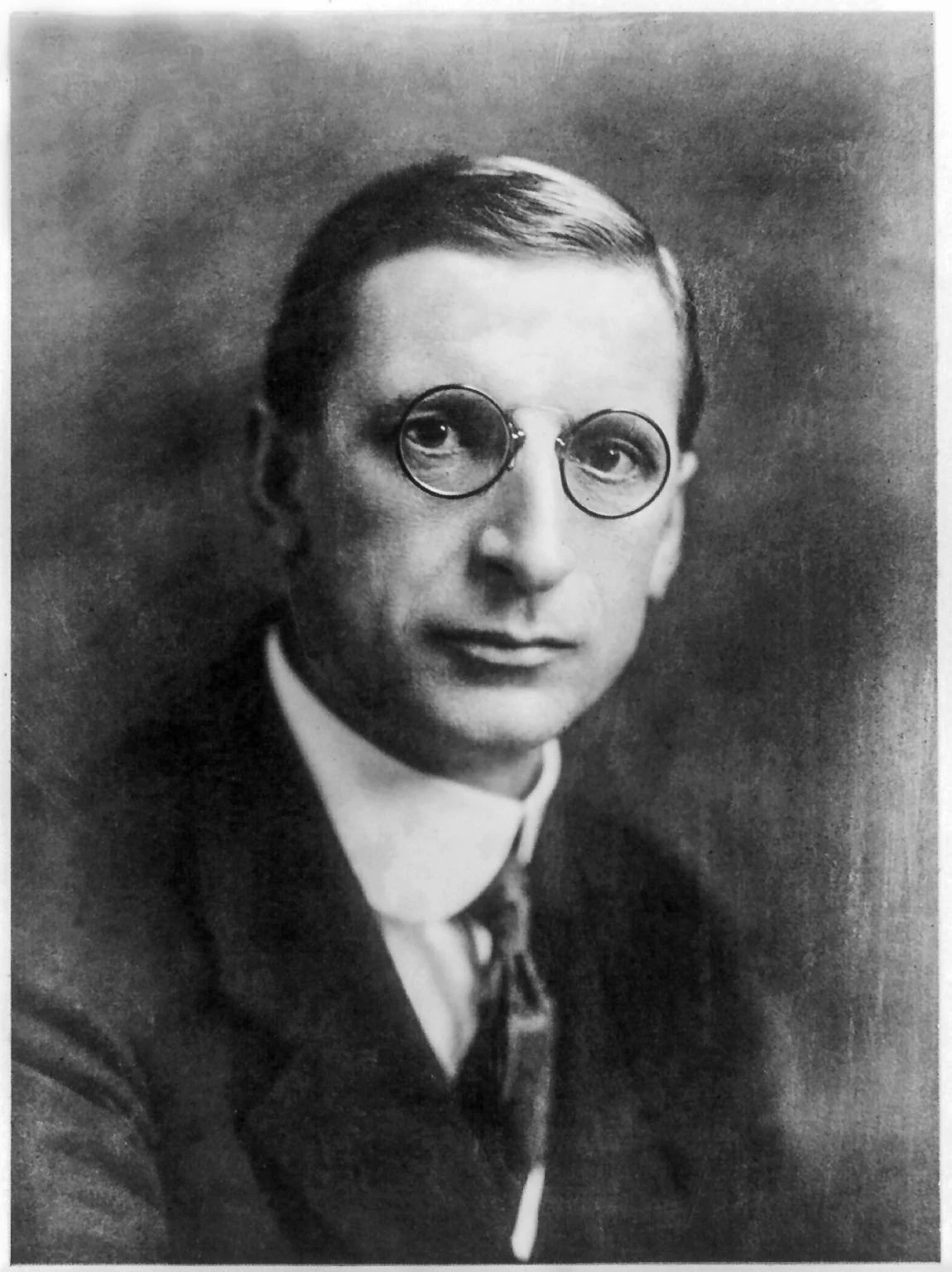
De Valera — Leinster House, 2 September
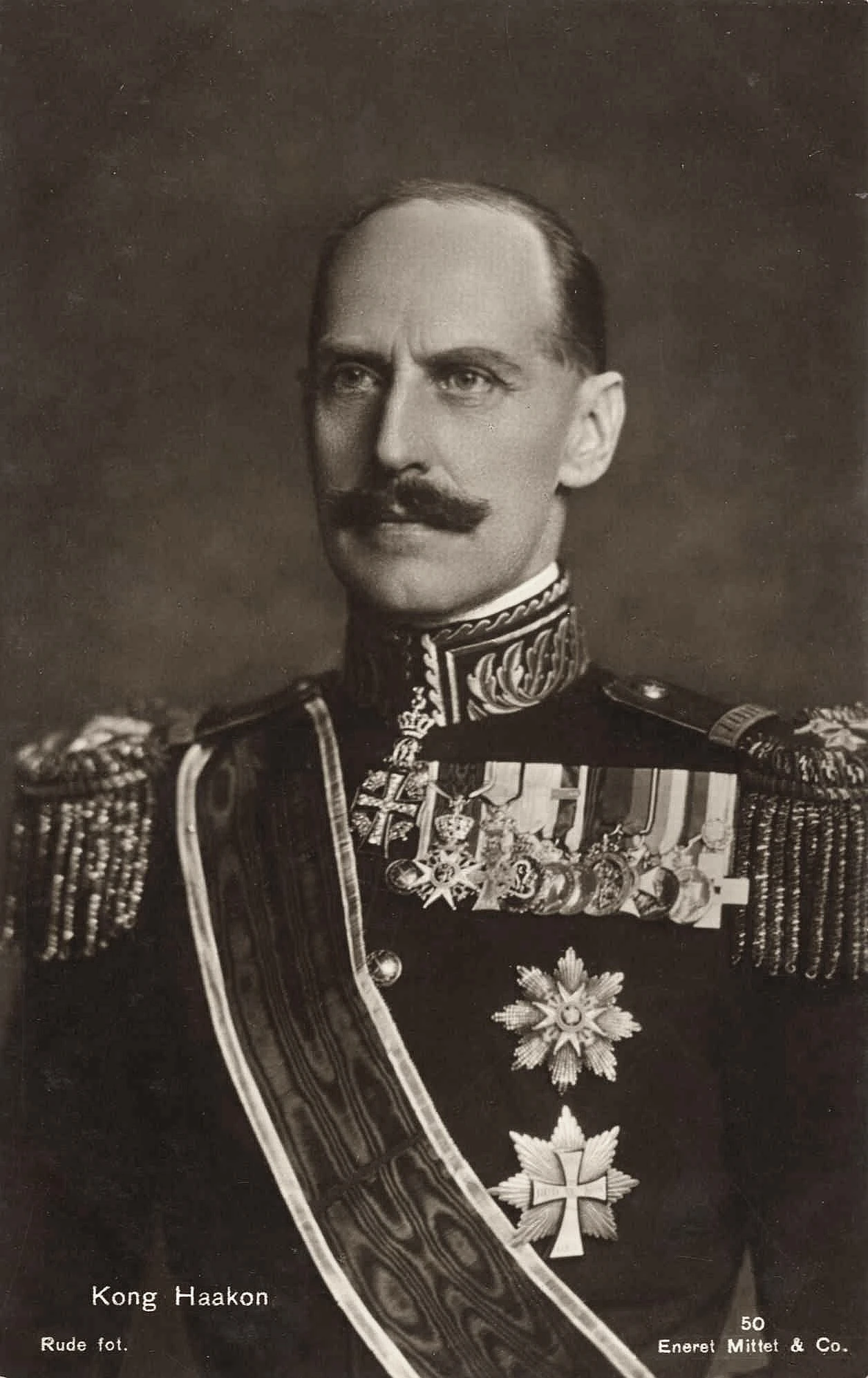
Haakon VII — Facing the Cross-Pressures
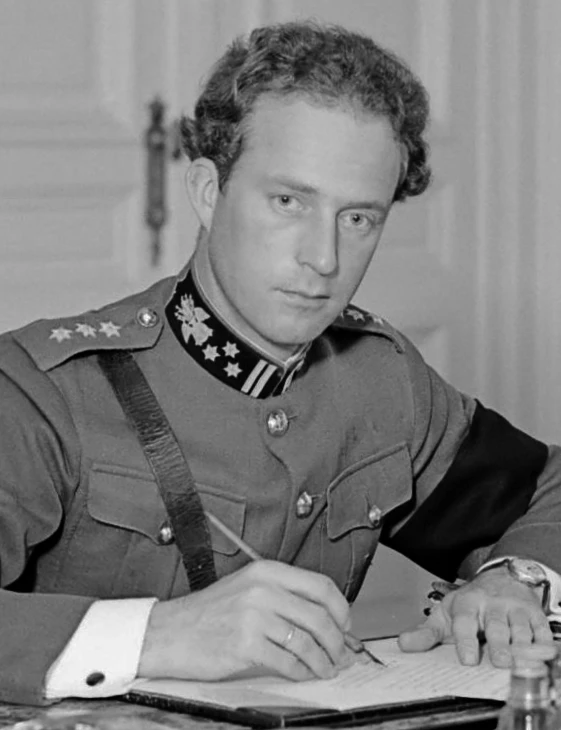
Leopold III — Brussels, 3 September
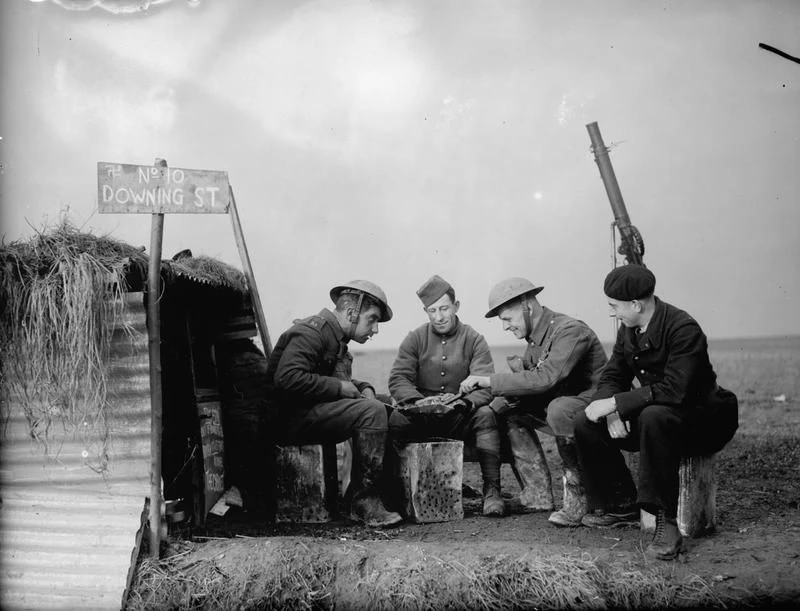
Maurras and the phoney war
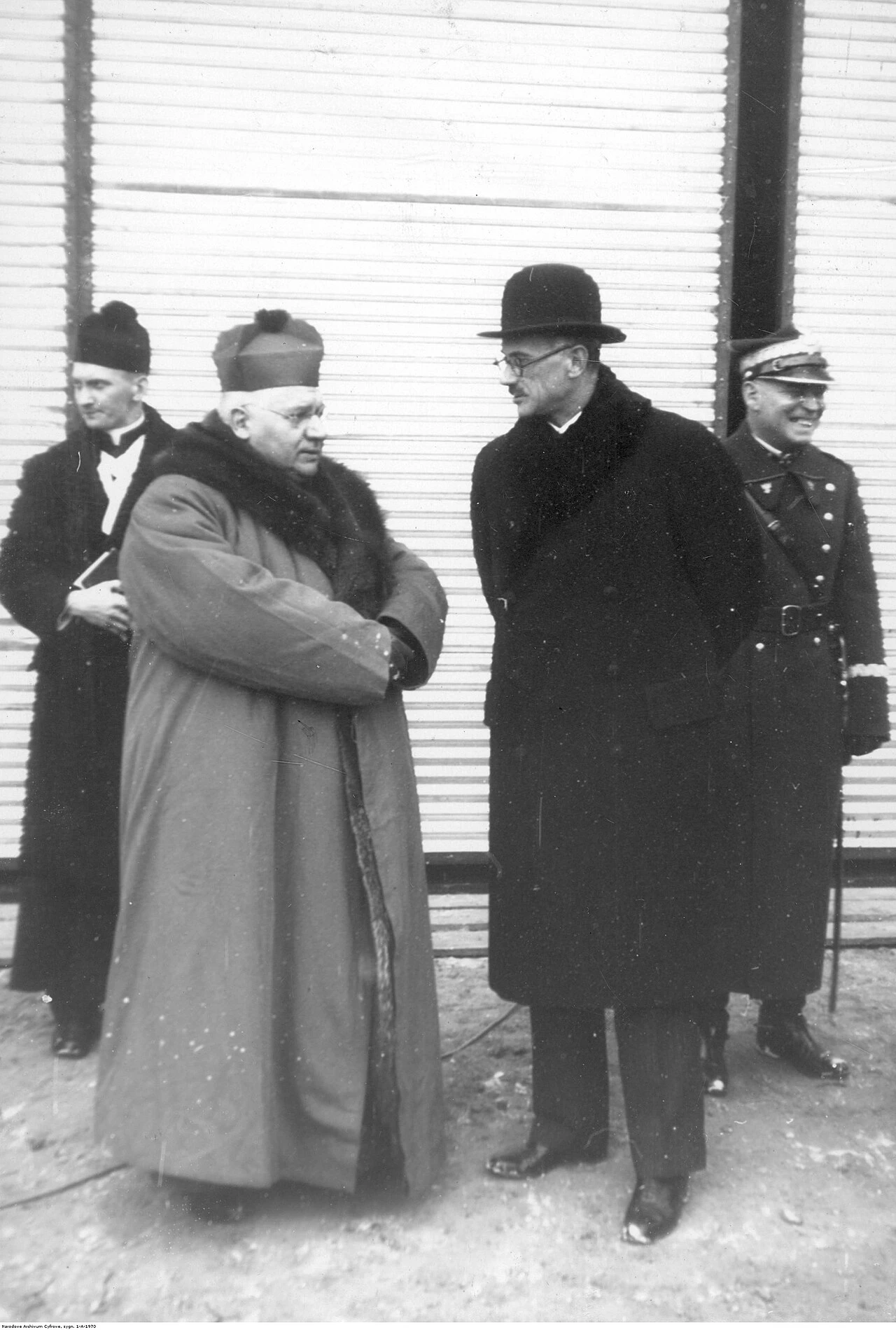
Bishop Adamski in annexed Katowice
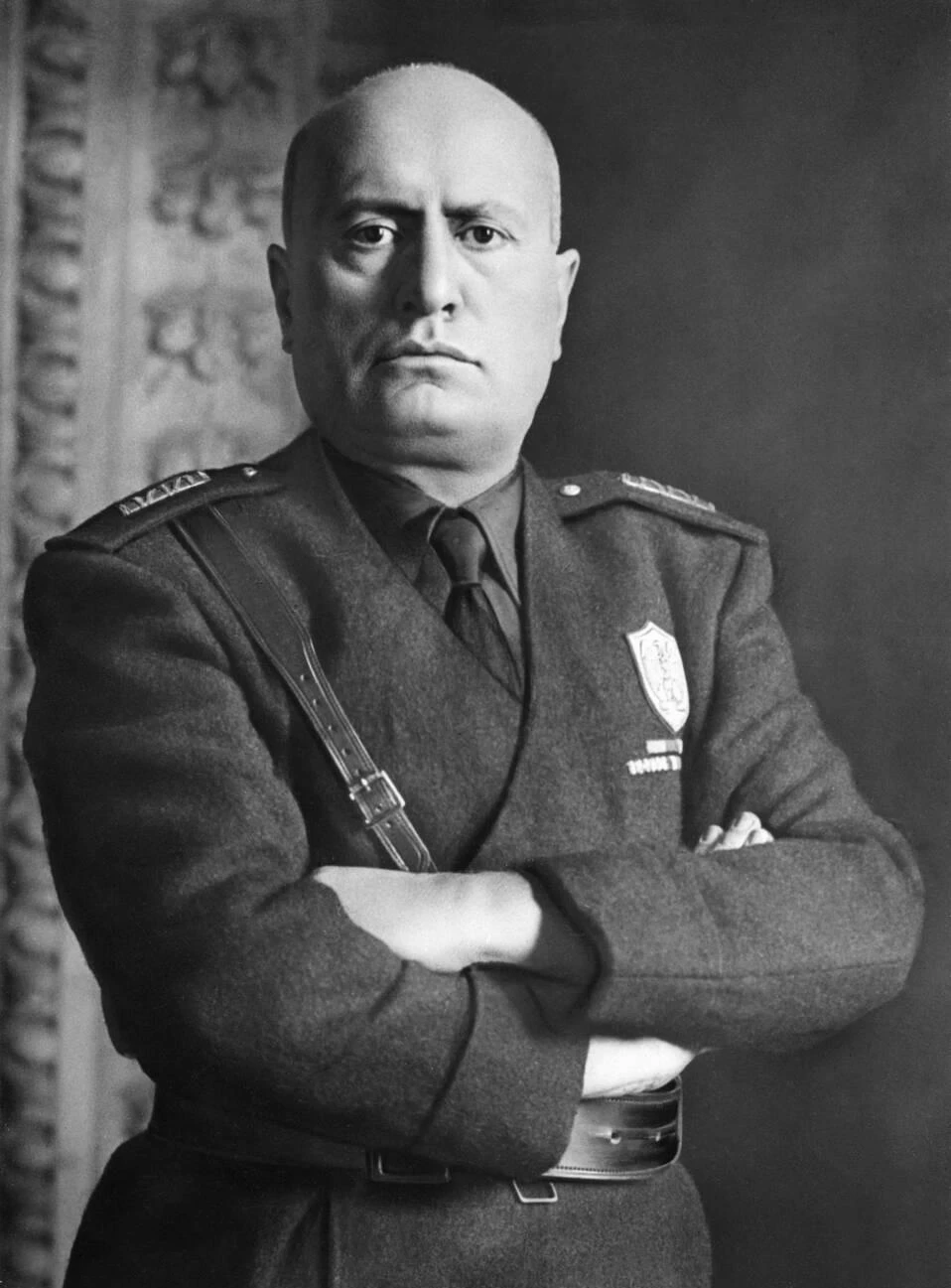
Mussolini — Palazzo Venezia, 1 September
The Gold of the Bank of Poland — the destination of the SS Eocene
Cardinal Hlond — the Vatican's instruction
Cardinal Sapieha — Krakow under Occupation
Chamberlain — 11:15 BST
De Valera — Leinster House, 2 September
Haakon VII — Facing the Cross-Pressures
Leopold III — Brussels, 3 September
Maurras and the phoney war
Bishop Adamski in annexed Katowice
Mussolini — Palazzo Venezia, 1 September