
Polish pilots — the exit through Constanța
On 1 September 1939, the Polish air force counted about 400 combat aircraft — PZL.7 and PZL.11 fighters, PZL.23 Karas light bombers, PZL.37 Łoś medium bombers — and 5,000 trained pilots. Facing a numerically superior Luftwaffe, with some 2,000 aircraft committed in Poland, and technically more modern, it nonetheless proves remarkably effective in the opening days, shooting down about 285 German aircraft in four weeks. But it leaves much behind: roughly 330 aircraft destroyed and 330 pilots killed, wounded, or captured.
On 17 September, the Soviet invasion precipitates the evacuation of the surviving pilots. General , who commands the Polish air force, orders the still-operational squadrons to fall back into Romania: 117 aircraft reach the Romanian airfields of Cernăuți, Roman, and Focșani, while 9,200 air-force personnel cross the border between 17 and 27 September.
The Romanians intern the pilots. But, as with those who passed through Hungary, a clandestine Franco-Polish-Romanian network works to extricate them. In Bucharest, Ambassador 's French embassy issues collective visas, and the airmen embark in groups of one to two hundred on liners from Constanța, by way of Piraeus to Marseille aboard French vessels, or via Beirut through the Levant.
Among the first to pass through is Lieutenant-Colonel , 31, former commander of the at Warsaw, credited with eight aerial victories in September 1939; he is followed by Captain , 24, with five victories in the same month. Both reach France in November 1939.
It remains to be decided how to integrate these 9,200 Polish airmen with the Allied forces.
How should these 9,200 Polish airmen be integrated with the Allies?
Sikorski pursues the three options simultaneously. Phase 1 (October 1939 - June 1940): the Polish pilots are first integrated into the French Air Force (4 Polish squadrons created in March 1940, equipped with Morane-Saulnier MS.406 and Curtiss H-75). Limited combat, few victories (about 50 German aircraft shot down during the Battle of France). Phase 2 (July 1940 - May 1945): after evacuation to the United Kingdom, Polish squadrons are created within the RAF — the Sikorski-Sinclair model. 14 Polish squadrons are created. The most famous: ("Kościuszko"), based at Northolt — which becomes during the Battle of Britain the most effective combat unit in the whole RAF (126 confirmed victories in 6 weeks, an unmatched victory/loss ratio). War total: 17,000 Polish airmen fight in the RAF, 2,165 killed in action, 621 British decorations. Urbanowicz becomes commander of in September 1940 and totals 17 victories. Skalski totals 22 confirmed victories — the most successful Polish ace of the war. After the war, most refuse to return to communist Poland. Skalski accepts the return in 1947, is imprisoned, released in 1956, rehabilitated, and dies in 2004. Urbanowicz emigrates to the United States and dies in 1996.
Learn more about this event
Related polls
10
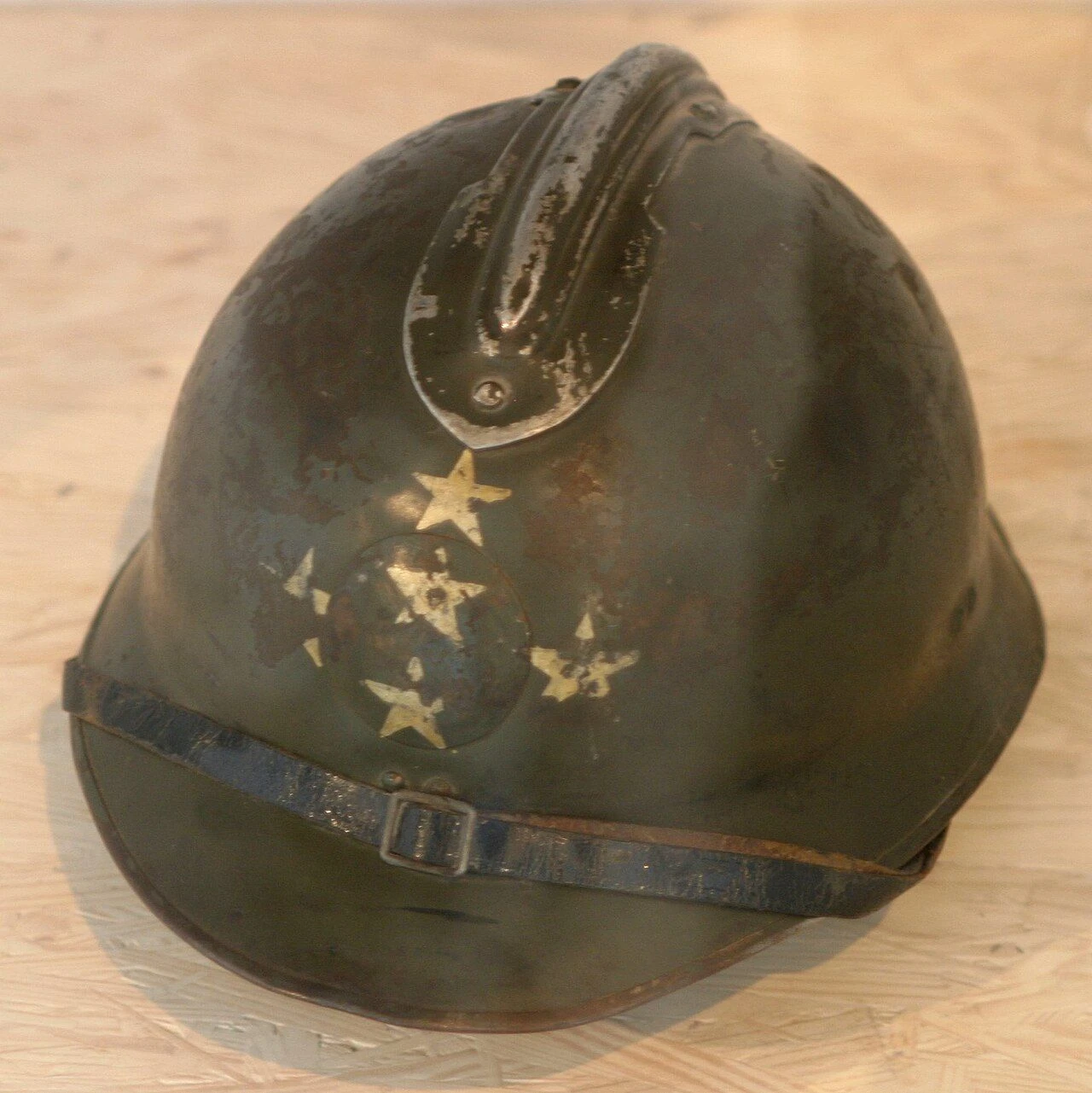
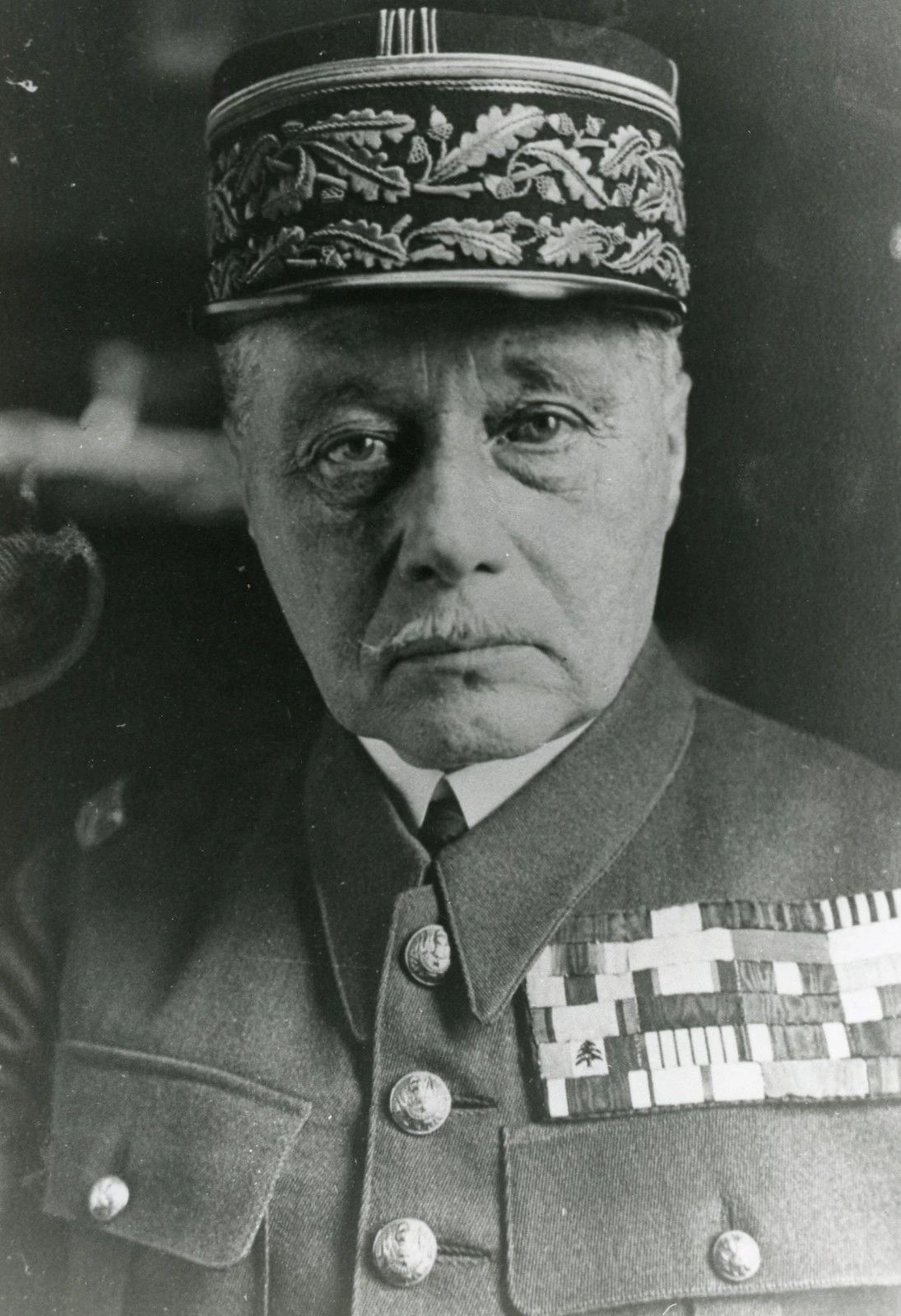
Vuillemin — the Armée de l'Air on standby
Baku in the crosshairs — Operation Pike
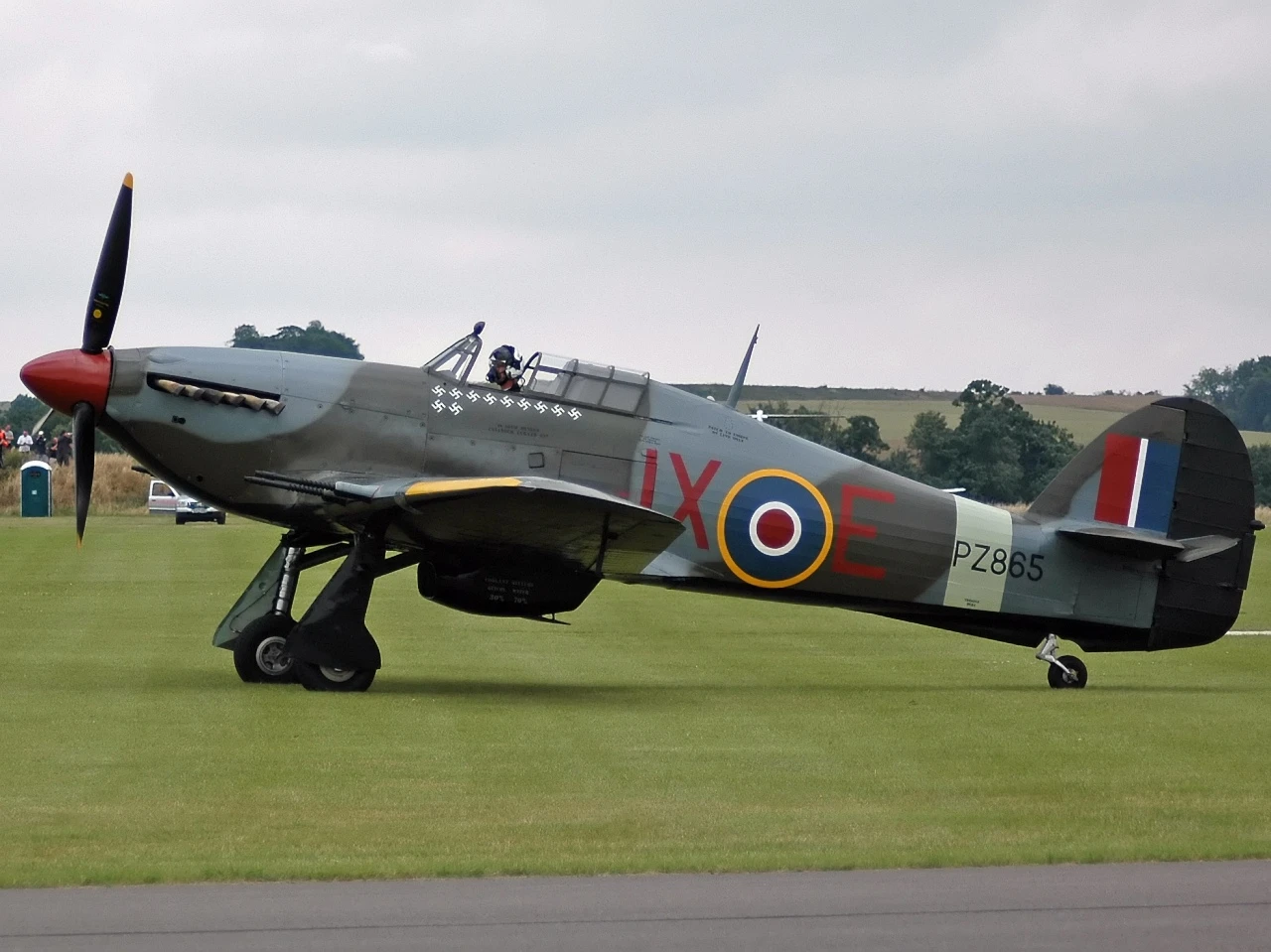
The RAF — Fighters or Bombers
Smushkevich — report to Stalin
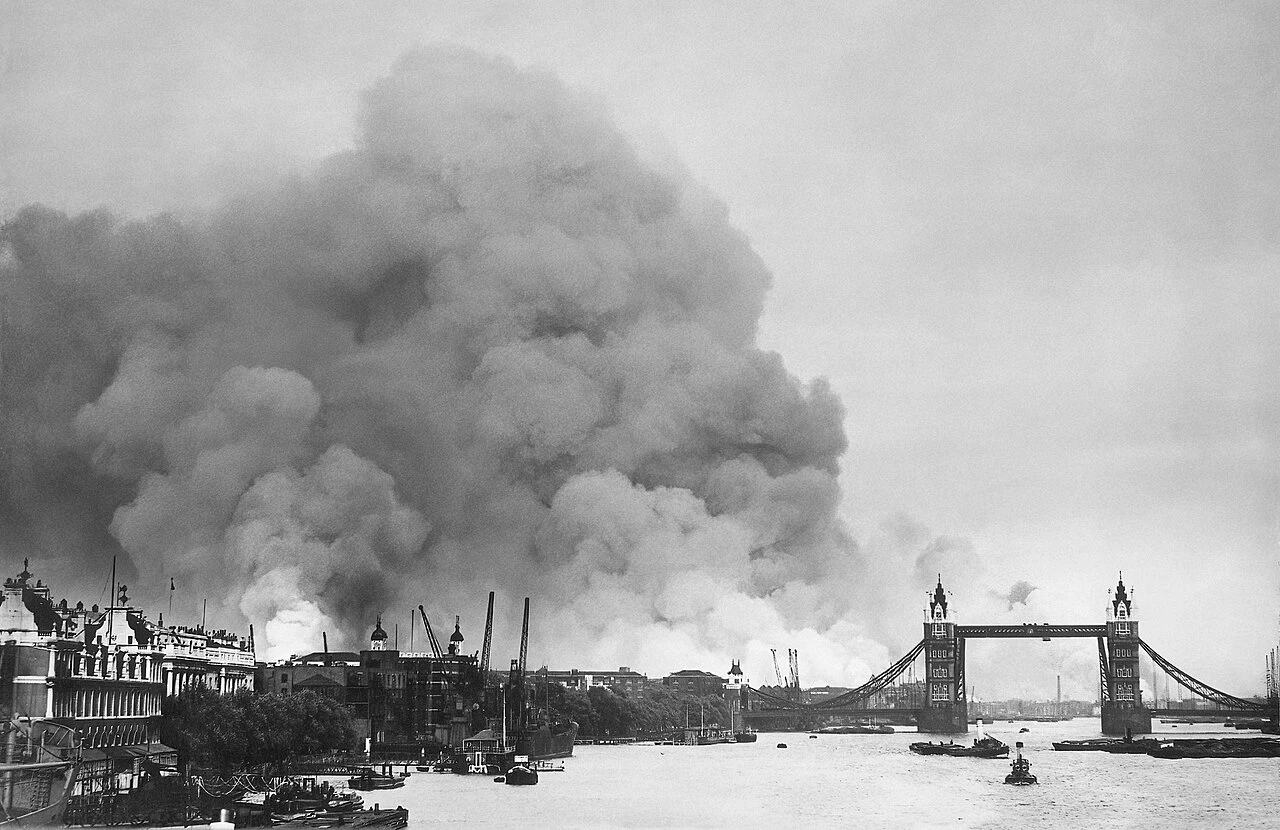
Adlertag — which targets?
Bombing London — and the reply on Berlin
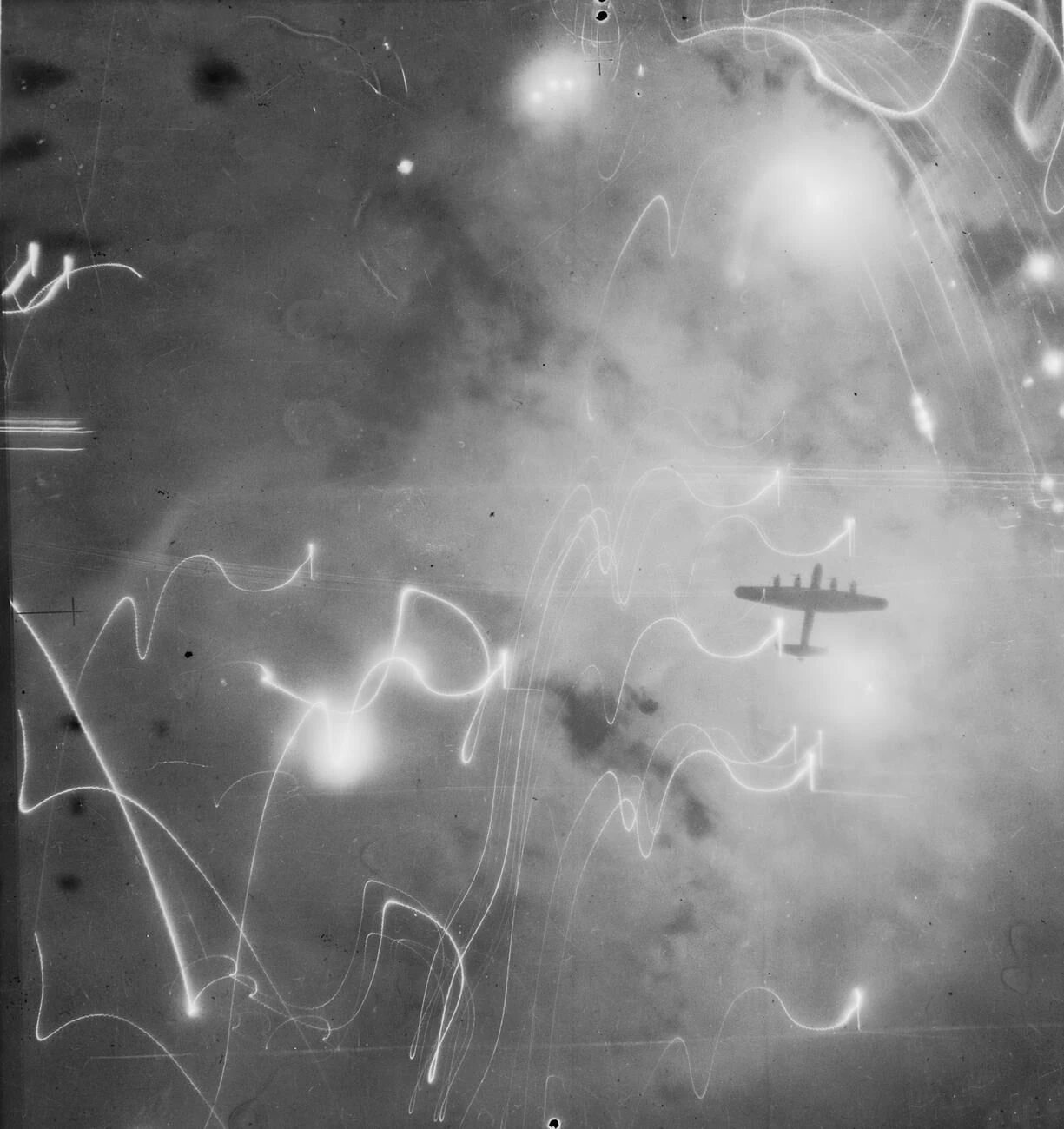
The doctrine of terror bombing
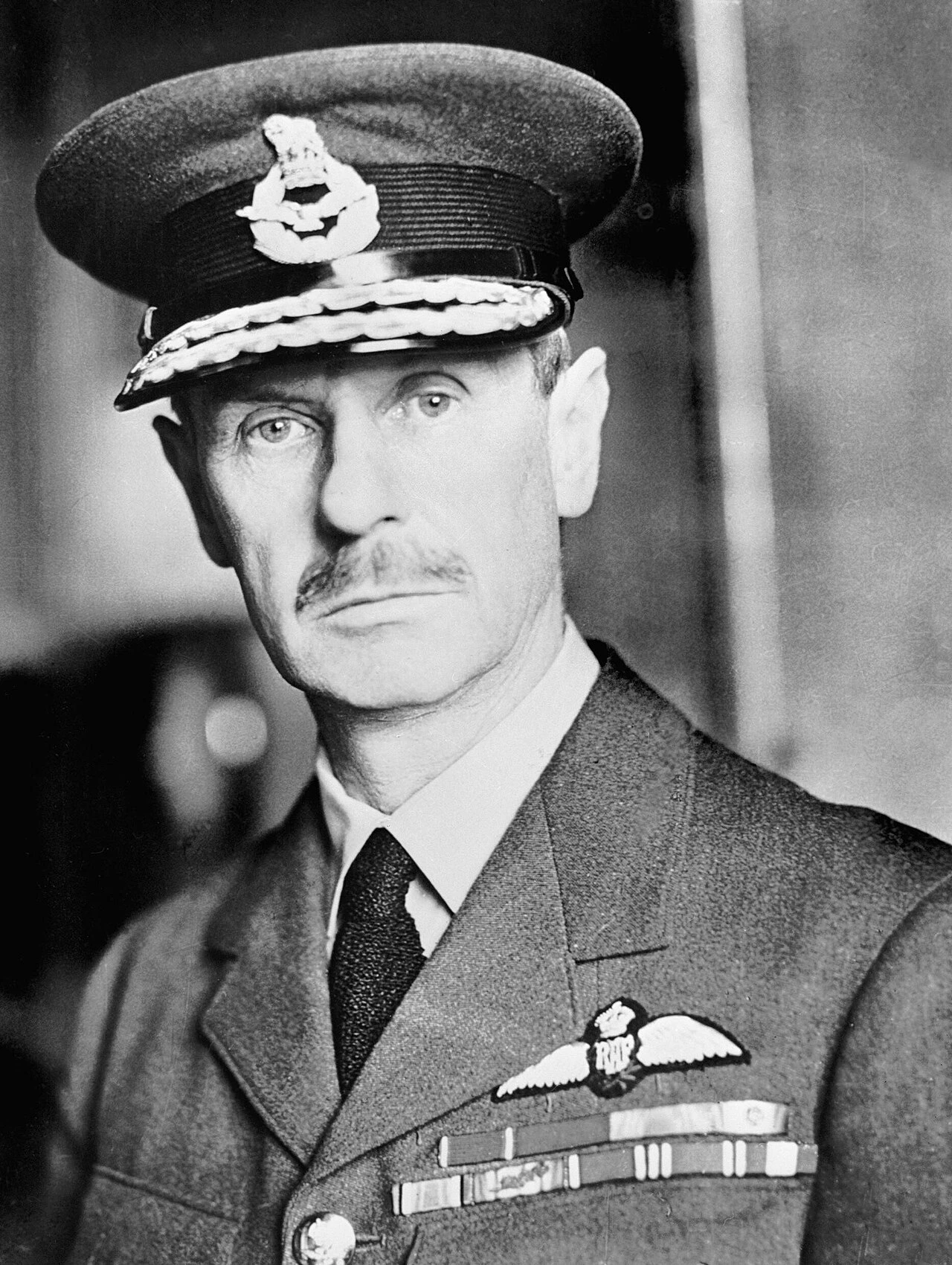
Dowding and the fighters
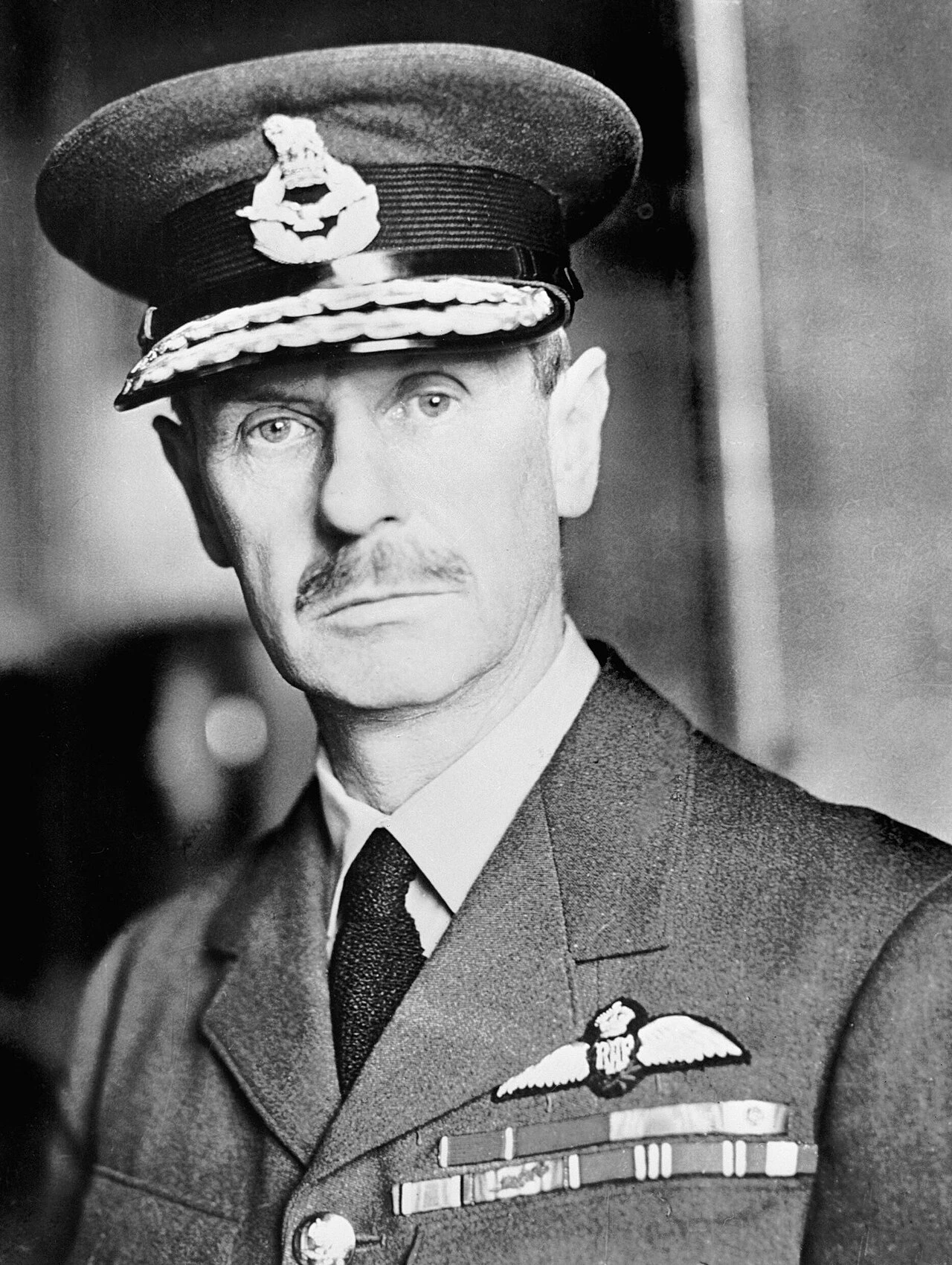
Dowding — Keep the Fighters?
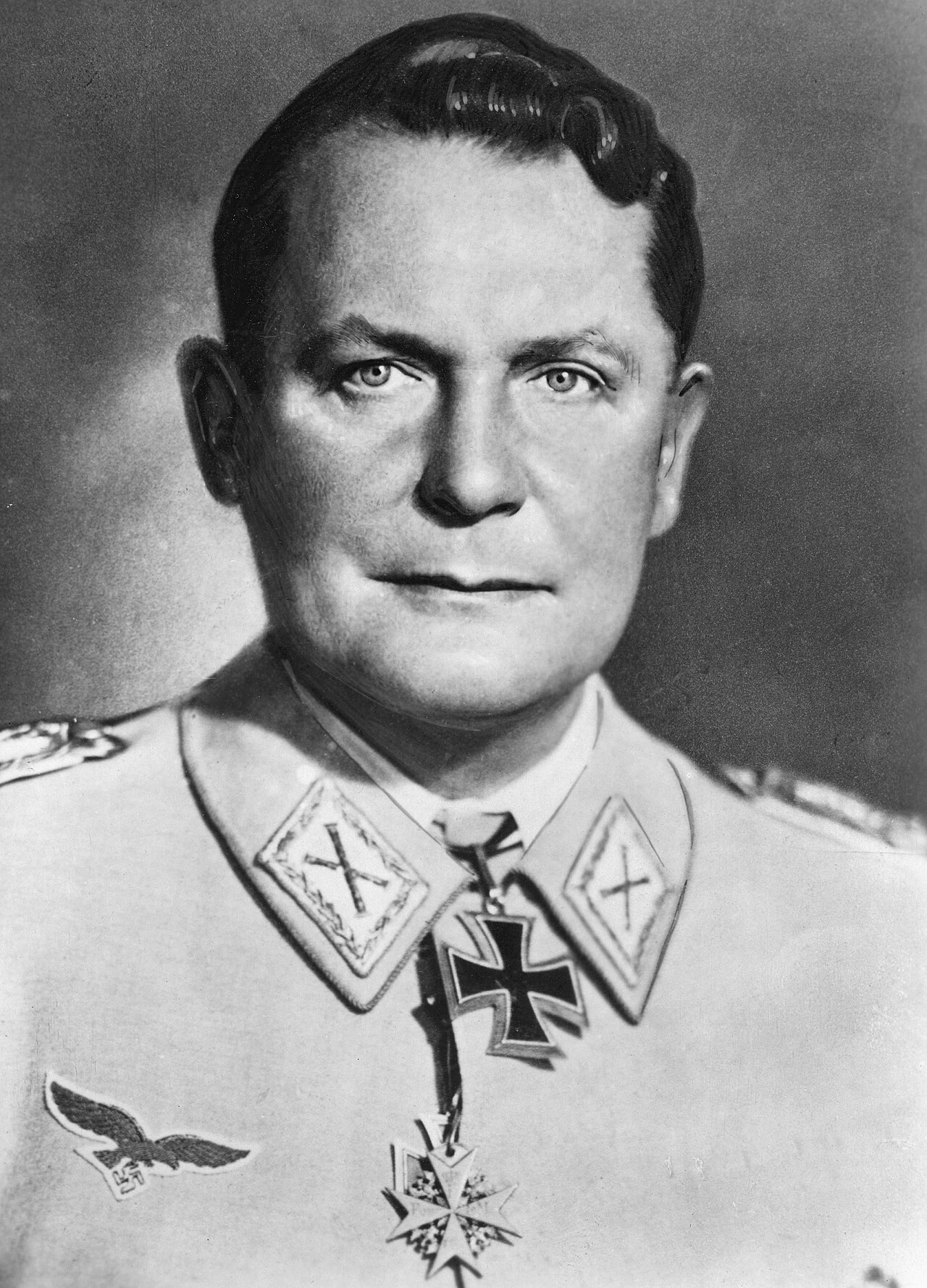
Goering at Carinhall — the promise to Hitler
Vuillemin — the Armée de l'Air on standby
Baku in the crosshairs — Operation Pike
The RAF — Fighters or Bombers
Smushkevich — report to Stalin
Adlertag — which targets?
Bombing London — and the reply on Berlin
The doctrine of terror bombing
Dowding and the fighters
Dowding — Keep the Fighters?