
The Chasseurs Ardennais facing the breakthrough
The Belgian defence of the Ardennes rested on a long-standing calculation: the massif was reputed to be difficult, and the army did not intend to wear itself out there. The Chasseurs Ardennais and the cavalry were deployed there as a covering force, tasked with destroying the bridges and roads and then falling back quickly on the main fortified position (the Albert Canal, the K-W line), where the real battle would be fought.
On the morning of 10 May 1940, the German attack fell precisely where the terrain had been judged unrewarding. The general staff had to decide on the tempo of the withdrawal. Pulling the covering units back quickly would spare forces for the main position, but would surrender — almost without a fight — terrain where a few determined men might win precious hours. Conversely, letting them delay the enemy to the utmost would disrupt the advance of the Panzers — at the risk of sacrificing isolated detachments.
Communications were already poor, and the order, whatever it was, would not reach everyone. The choice bore on the ability of the Belgian army — and of the Allies preparing to enter Belgium — to gain time against the armoured rush through the Ardennes.
Should the Ardennes covering units be withdrawn quickly, or made to delay the enemy as long as possible?
The command settled on A: the withdrawal order was given that very morning. But severed communications meant that several detachments did not receive it — and those that remained, like the company at Bodange, delayed the Panzers far more than expected. The episode would fuel a post-war controversy: did too hasty a withdrawal squander the defensive value of the Ardennes, where organised resistance might have seriously slowed the breakthrough towards the Meuse? The speed of the French collapse at Sedan would, in hindsight, lend weight to this criticism.
Learn more about this event
Related polls
10
The abatis of the Chasseurs Ardennais
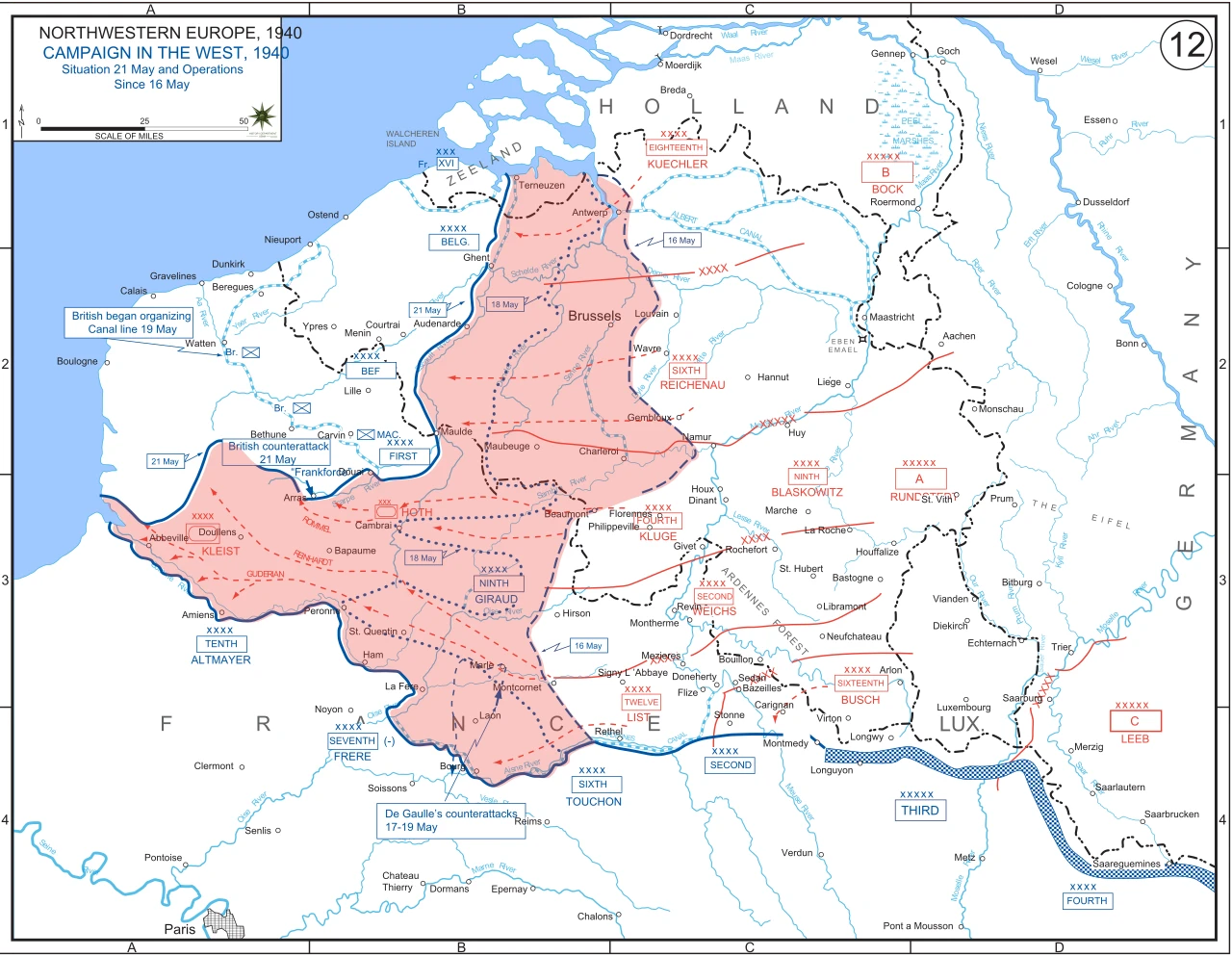
The Battle of the Lys
The bridges of the Meuse
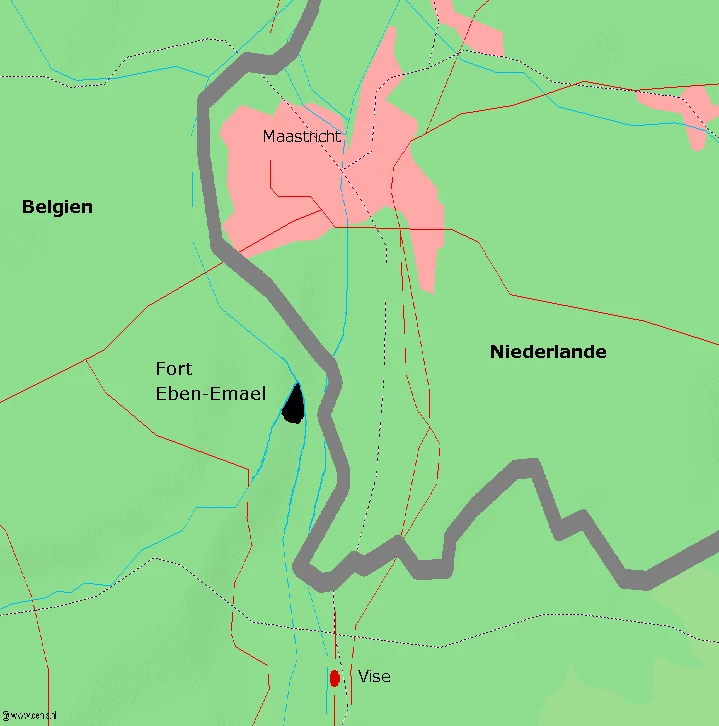
Eben-Emael — Jottrand under the explosions
Kanne bridge — fourth airborne target
Veldwezelt bridge — Beert and the demolition officer
Vroenhoven bridge — the demolition order
The bridges of the Albert Canal
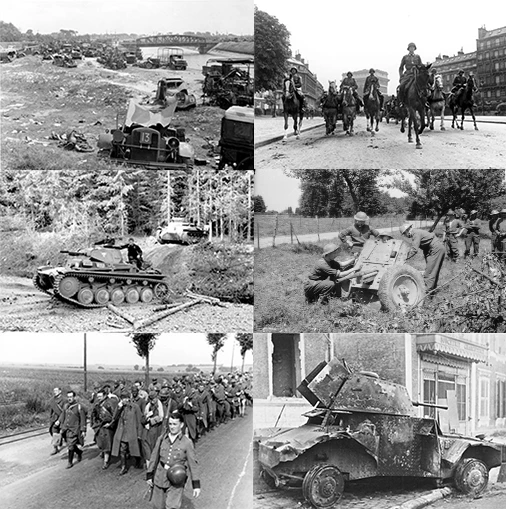
The fortified position of Namur
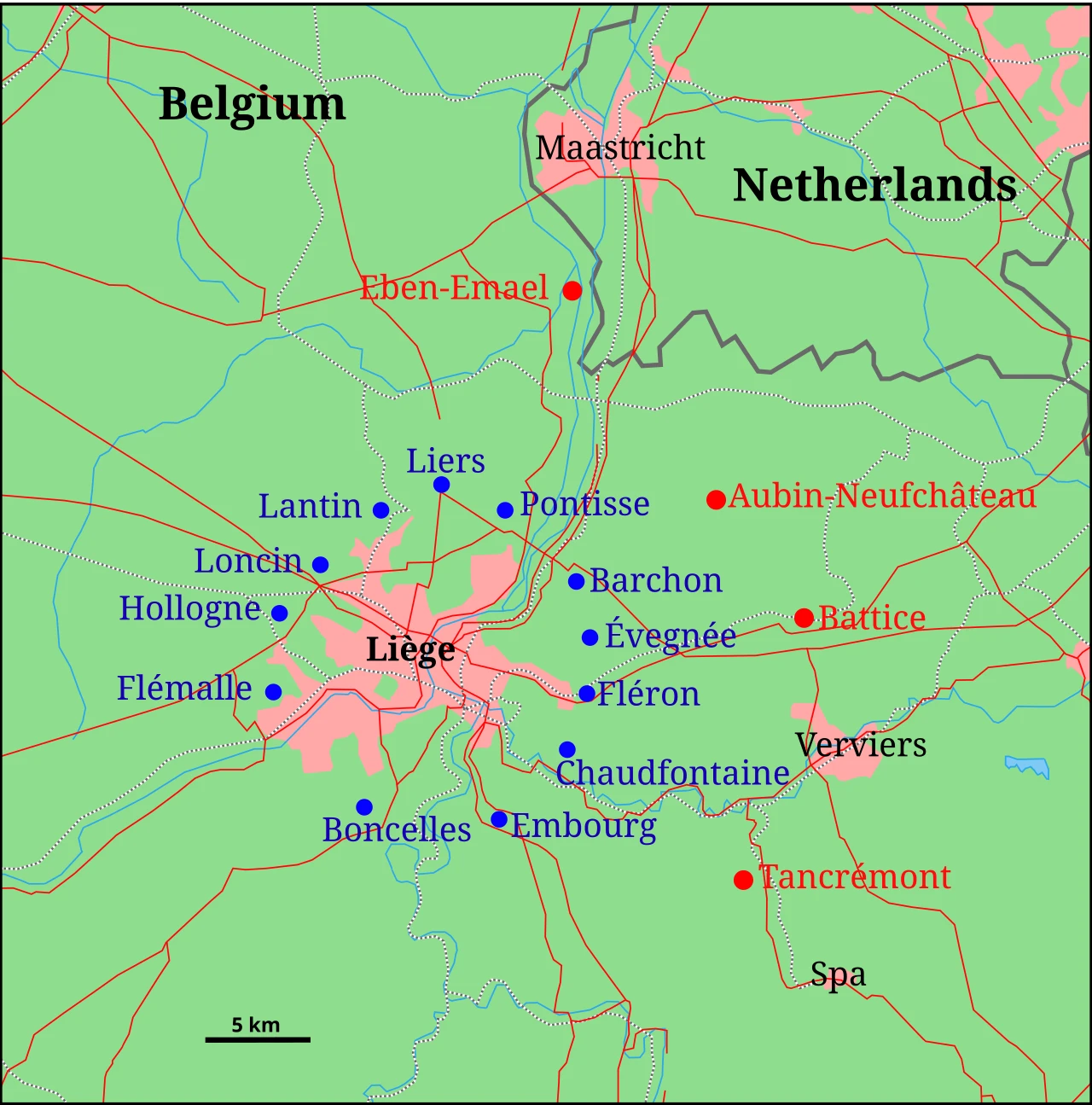
The fortified position of Liège
The abatis of the Chasseurs Ardennais
The Battle of the Lys
The bridges of the Meuse
Eben-Emael — Jottrand under the explosions
Kanne bridge — fourth airborne target
Veldwezelt bridge — Beert and the demolition officer
Vroenhoven bridge — the demolition order
The bridges of the Albert Canal
The fortified position of Namur