
After a two-month campaign (April-June 1940), Norwegian resistance is nearing its end. The Allies, absorbed by the collapse in France, are evacuating the Narvik area. The Labour Prime Minister and King — who has refused to recognize Quisling's collaborationist government — have no territory left to defend. Tromsø, in the far north, is the last port still free and has served as a provisional capital for several weeks.
On 7 June the British cruiser HMS Devonshire stands ready to embark the king, the government, and the royal family. The question is not only flight, but choosing from where to carry on the fight. Norway has one considerable asset: its merchant marine, the Nortraship, one of the largest fleets in the world, whose ships scattered across every sea can become a major strategic resource for the Allied camp.
Nygaardsvold must decide where to go into exile — close to the fighting or in maximum safety — knowing the choice will shape Norway's place in the coalition.
Where should the Norwegian government in exile settle?
Nygaardsvold chooses A. The king, the government, and the gold reserves of the Bank of Norway embark on the Devonshire and reach London, from where Norway will fight on until 1945. The merchant fleet, run by the Nortraship from London and New York, will bring the Allies a decisive contribution in tankers and cargo ships — at a heavy price: several hundred ships sunk and thousands of Norwegian sailors killed during the conflict. Nygaardsvold returns home in 1945, where his handling of the April 1940 defence will be criticized; he leaves political life and dies in 1952. The rallying of the king, the government, and above all the fleet, makes Norway a far more useful ally than its military defeat had suggested.
Learn more about this event
Related polls
10
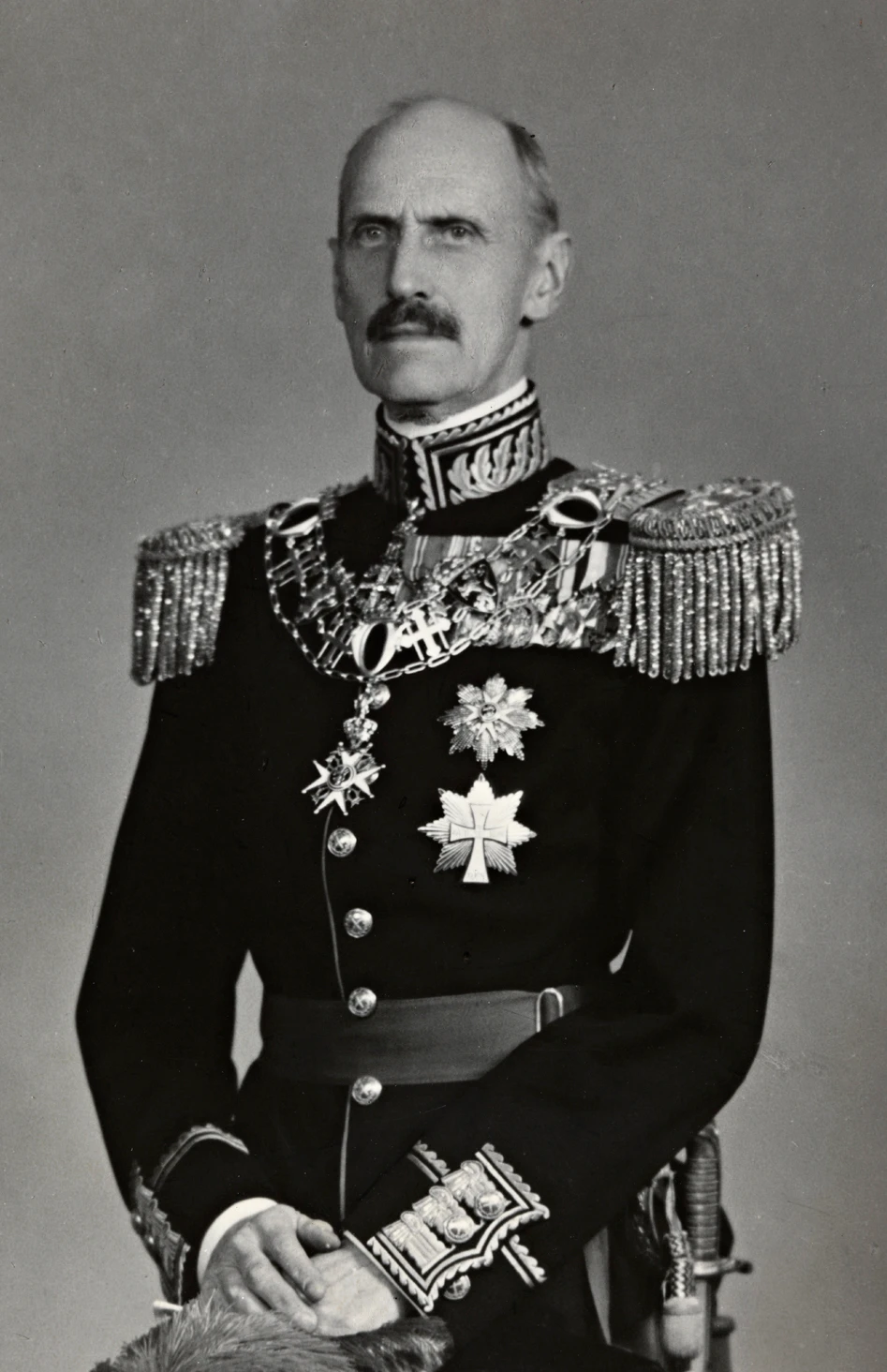
Haakon VII at Nybergsund — 10 April
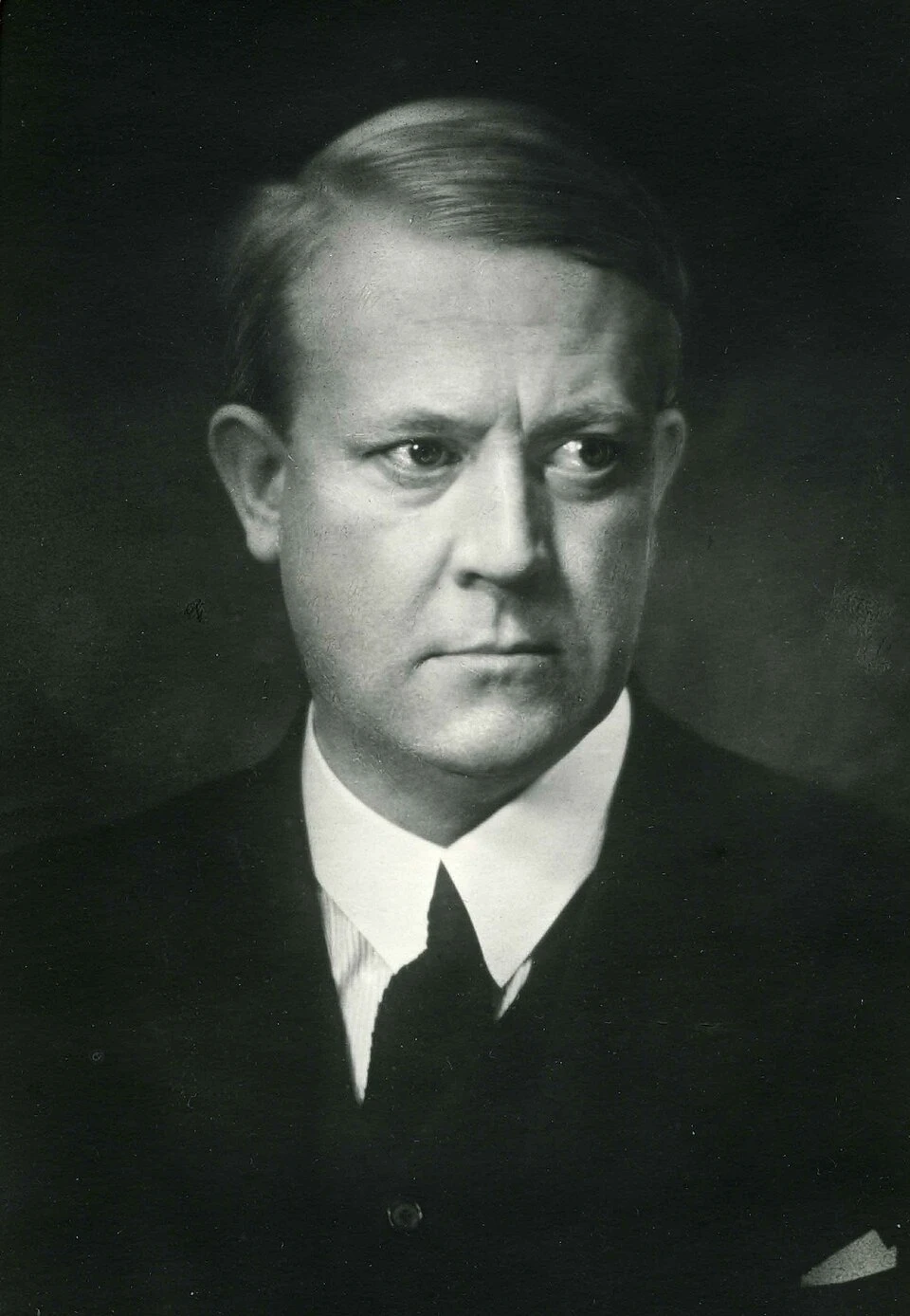
Quisling at Radio Oslo — 19:32
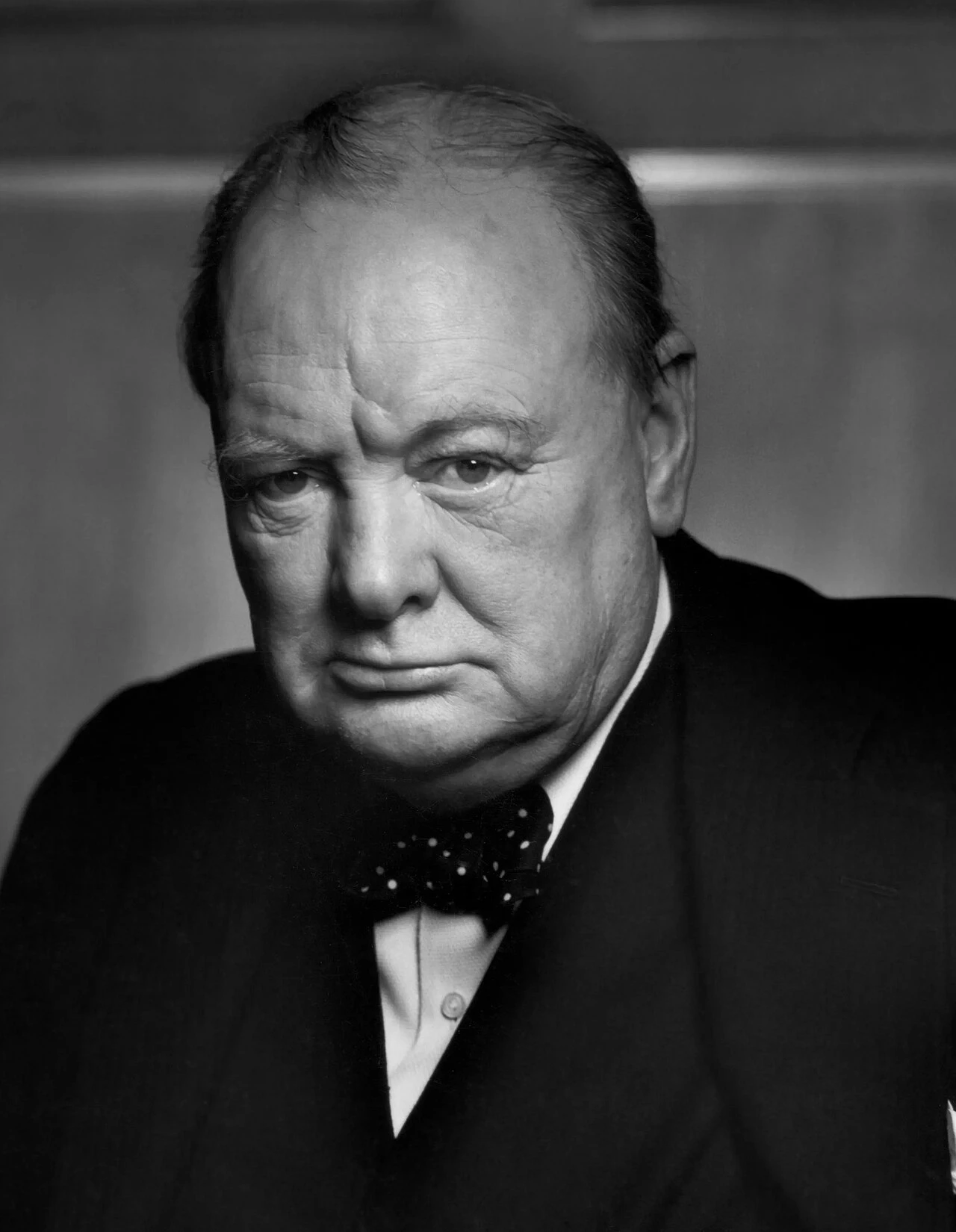
Churchill before the 25 ministers — 28 May 18:00
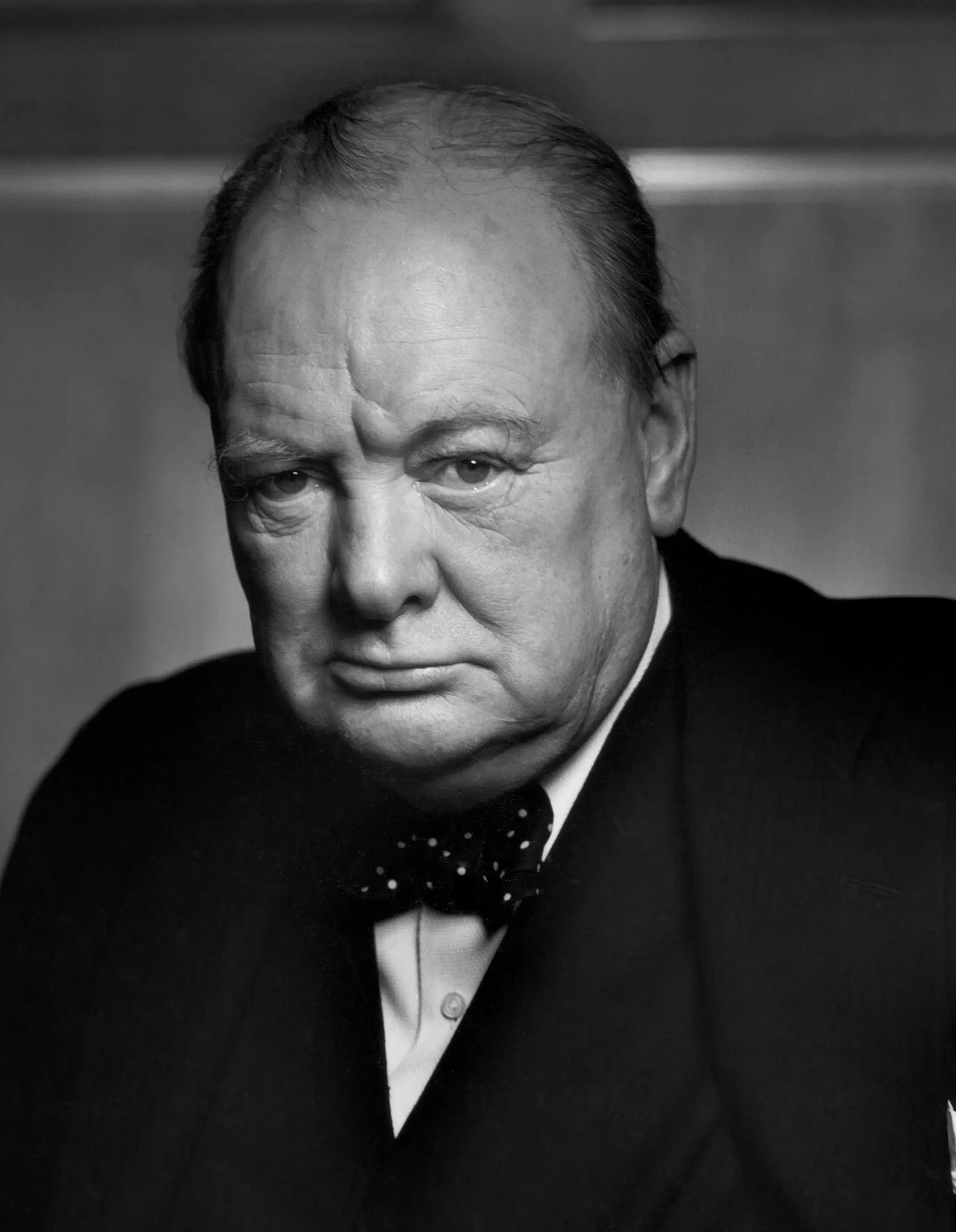
Churchill before the Commons — 4 June
Ciano summons the ambassadors — 10 June
Halifax at the War Cabinet — 25 May 18:00
Hannah Arendt, Stateless and Interned, Facing Exile
Langeron — Prefecture of Police, 14 June
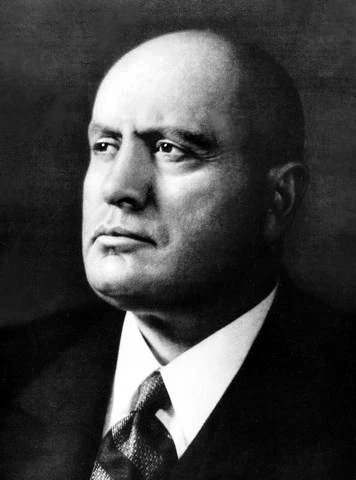
Mussolini on the balcony — 10 June, 18:00
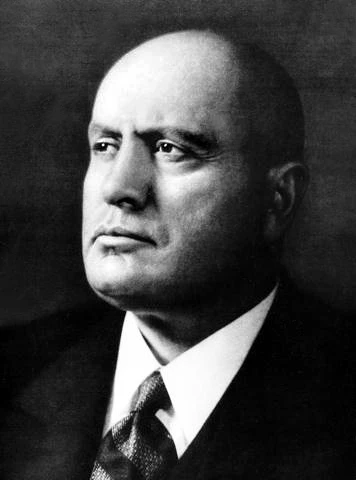
Mussolini at the Palazzo Venezia — early June
Haakon VII at Nybergsund — 10 April
Quisling at Radio Oslo — 19:32
Churchill before the 25 ministers — 28 May 18:00
Churchill before the Commons — 4 June
Ciano summons the ambassadors — 10 June
Halifax at the War Cabinet — 25 May 18:00
Hannah Arendt, Stateless and Interned, Facing Exile
Langeron — Prefecture of Police, 14 June
Mussolini on the balcony — 10 June, 18:00