
The Belgian railways under occupation
In May 1940, the SNCB is placed under the supreme command of the army. During the eighteen-day campaign, the railways evacuate authorities, civil servants and fleeing civilians towards France; some of the rolling stock also heads south. But the rout is swift: on 28 May, the Belgian army surrenders, and the Wehrmacht seizes a largely intact network.
The management finds itself alone, without political cover: the board of directors will not meet until August. The rail network is the backbone of Belgian economic life — but also a valuable asset for the occupier, who needs it for military transport.
Should it refuse to restart operations so as to offer nothing to the enemy, sabotage what can be sabotaged, or get the trains running again to feed and supply the population at the cost of rendering a service to the occupier?
After the Belgian surrender, what should the SNCB management do with its network and rolling stock?
On 19 June 1940, the SNCB management decides to restart the company, with staff recalled to work from 22 June. The network, having remained largely intact, is put back into service: the management considers the services rendered to German military transport as "the price to pay" for maintaining the provisioning and supply of Belgium. The evacuation had been only partial — only 381 locomotives, out of a fleet of around 3,414, had reached France, where they were soon seized by the Germans anyway. No systematic sabotage of the network was undertaken by the SNCB.
Learn more about this event
Related polls
10
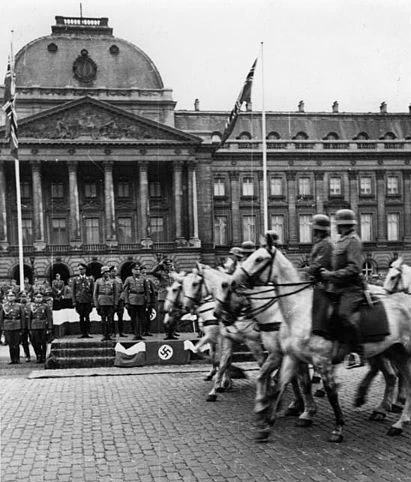
Going back to work under the occupier
Organised plunder — the mark at 12.50 F
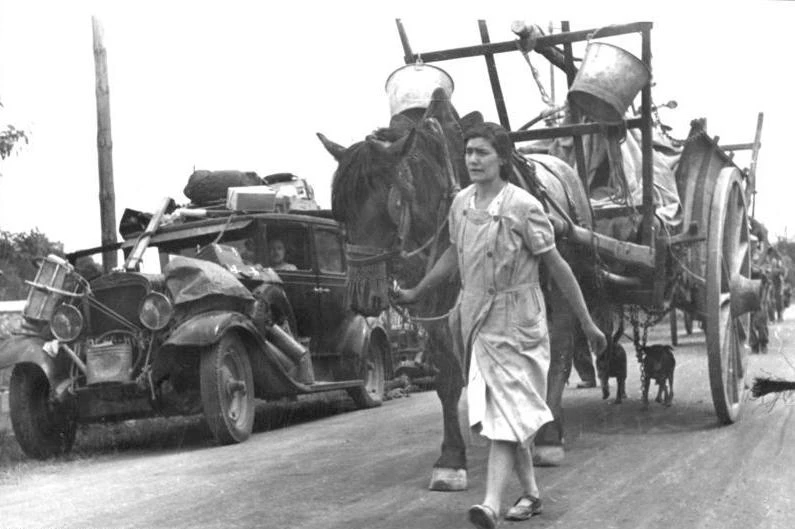
The Repatriation of the Refugees
Provisioning and the Black Market
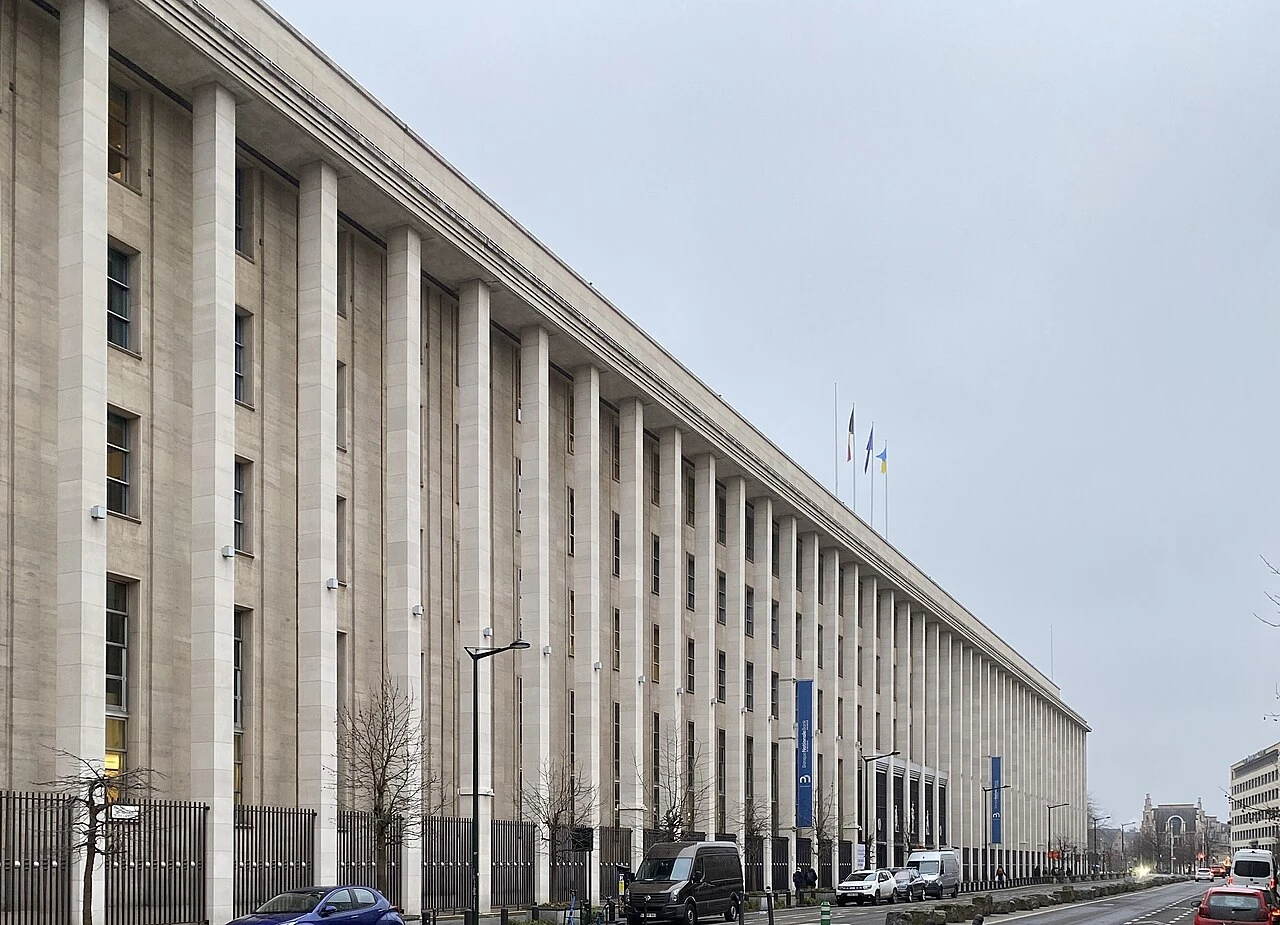
Forty tonnes of gold trapped at Ostend

Castle Bromwich: car assembly lines to build the Spitfire
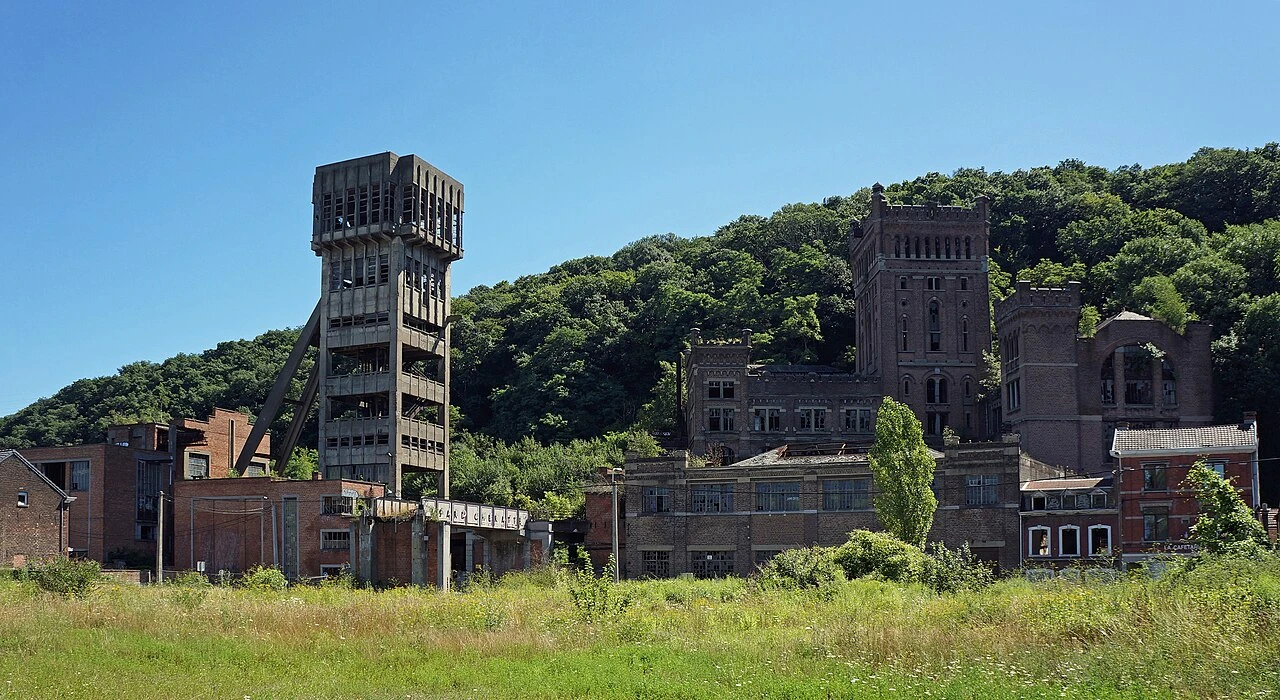
Campine Coal and the Hunger of Year One
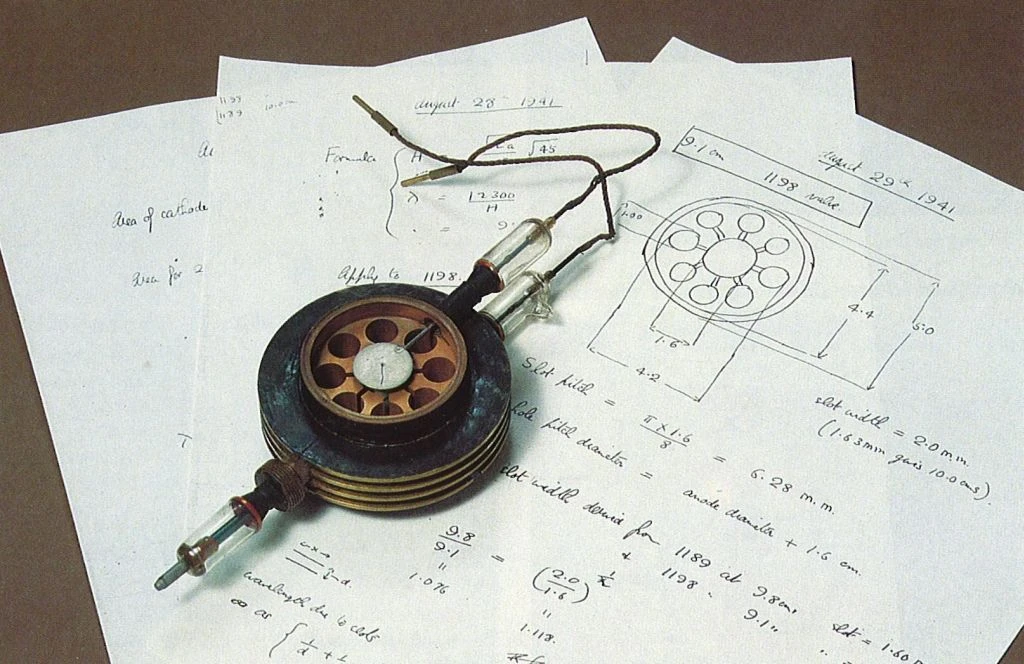
The Tizard Mission's Trunk for America

Selling to Both Sides
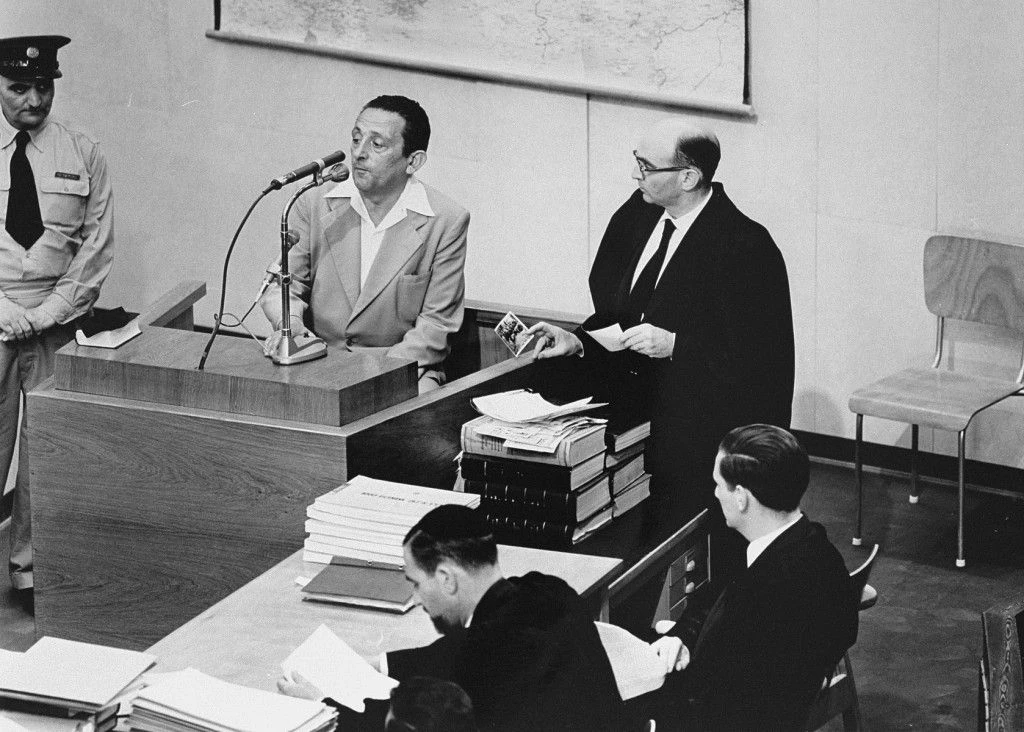
Biebow at Litzmannstadt — 8 February
Going back to work under the occupier
Organised plunder — the mark at 12.50 F
The Repatriation of the Refugees
Provisioning and the Black Market
Forty tonnes of gold trapped at Ostend
Castle Bromwich: car assembly lines to build the Spitfire
Campine Coal and the Hunger of Year One
The Tizard Mission's Trunk for America
Selling to Both Sides