
The Reuben James Sinks: The Undeclared War
Since the summer of 1941, the U.S. Navy has escorted part of the Atlantic convoys; after the Greer incident, Roosevelt gave the order to "shoot on sight" (11 September). On 17 October, the destroyer Kearny is torpedoed (eleven dead). On 31 October 1941, Kapitänleutnant Topp's U-552 sinks the USS Reuben James off Iceland: about a hundred dead, the first American warship lost — before Pearl Harbor.
The outrage is keen, but isolationism remains powerful (America First, Lindbergh). Roosevelt must decide: ask Congress for a declaration of war on Germany, continue the undeclared naval war (escorts, arming of ships) while remaining "short of war," or pull back to avoid the fatal incident.
The president advances along a knife's edge between public opinion and the slide into war.
After the sinking of the Reuben James, should Roosevelt ask Congress for war, continue the undeclared naval war, or pull back to avoid the incident too far?
Roosevelt did not ask for war: isolationist opinion and political caution held him back. Instead, on 13 November 1941, he obtained the revision of the Neutrality Act, authorising the arming of merchant ships and their entry into the war zones. The United States remained formally neutral until Pearl Harbor (7 December) and the German declaration of war (11 December 1941).
Learn more about this event
Related polls
10
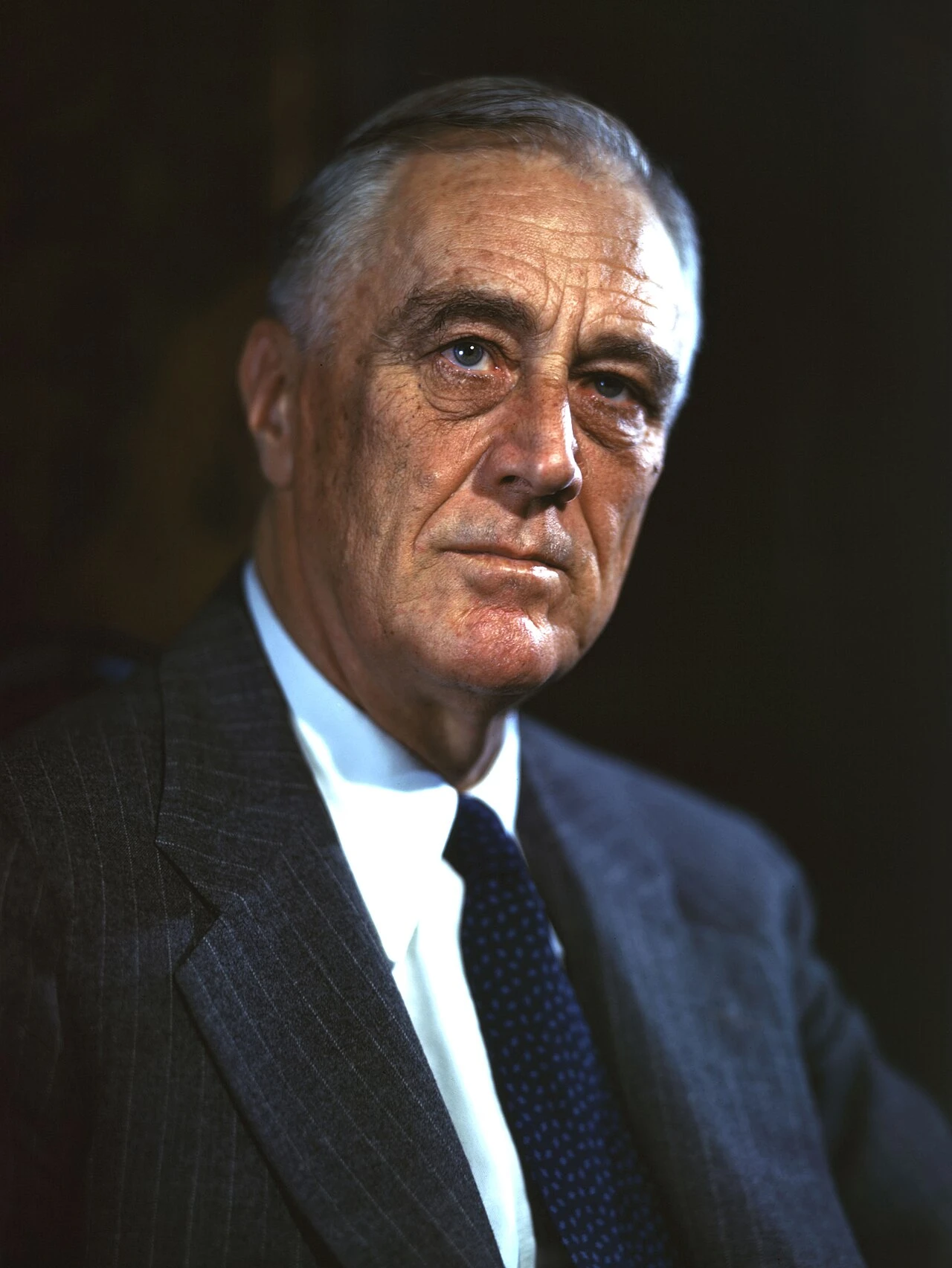
Should Stalin Be Armed?
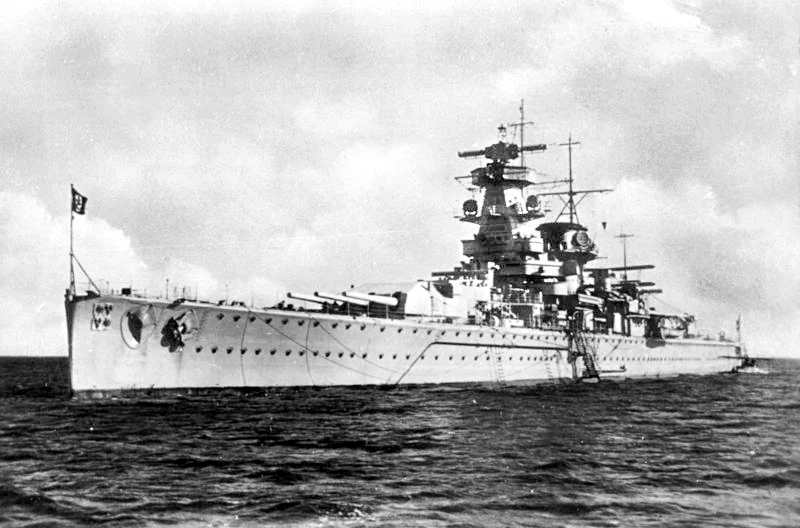
Langsdorff at Montevideo — 17 December

Borakowski and the merchant fleet
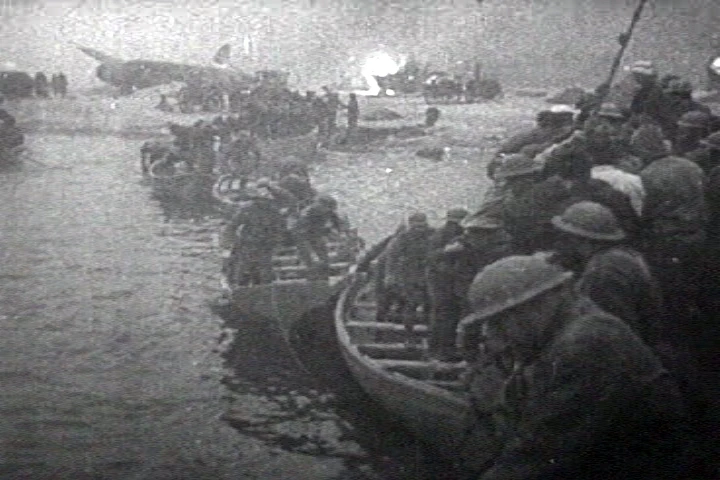
Ramsay — Dover, 14:23
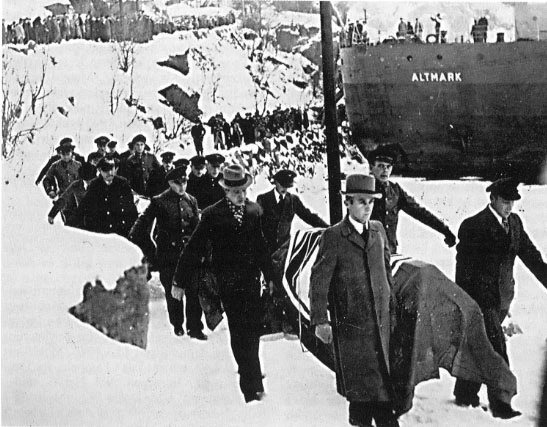
Vian in the Jøssingfjord
Vinson and the Two-Ocean Navy Act
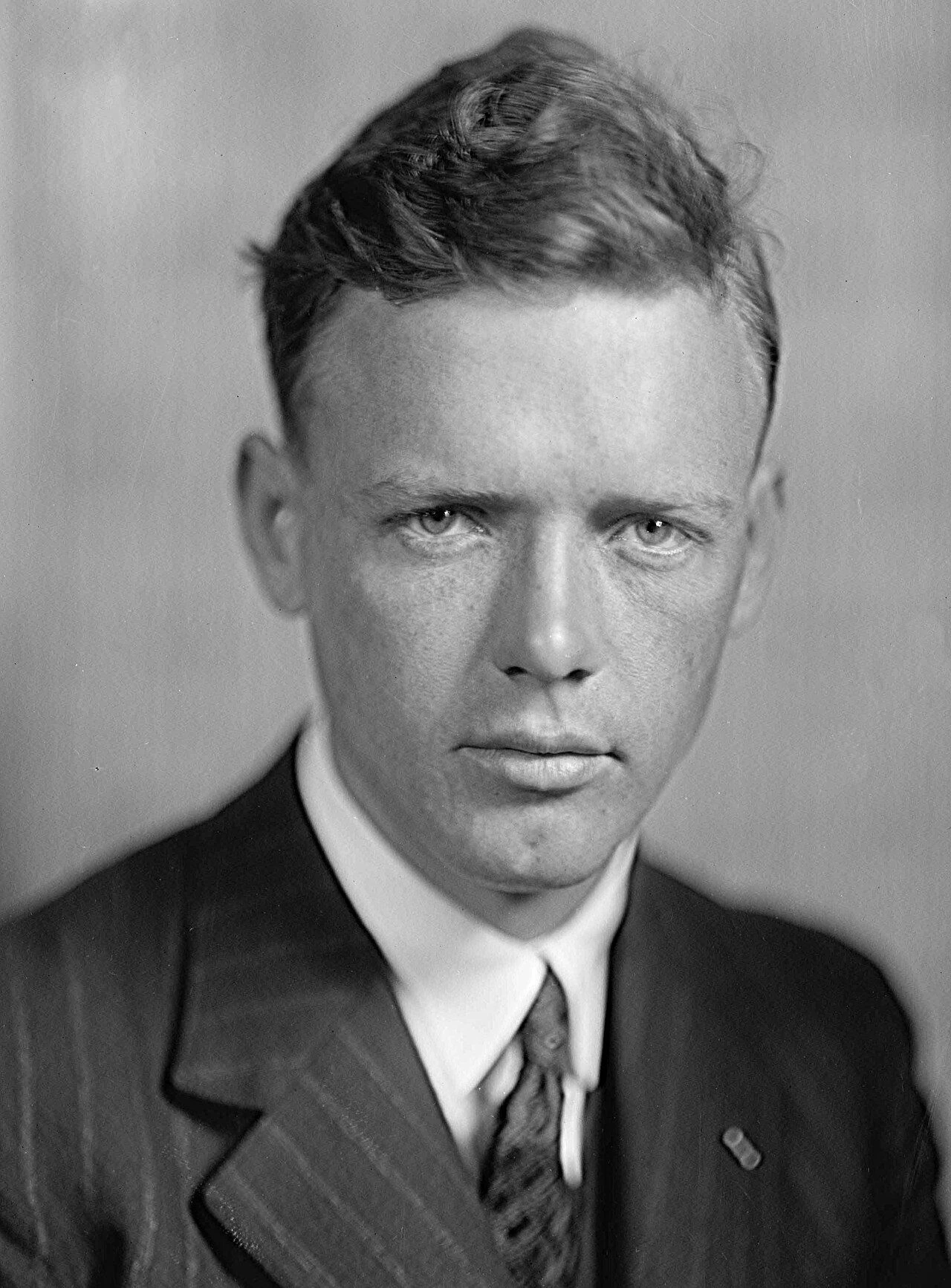
Charles Lindbergh — at the NBC Microphone
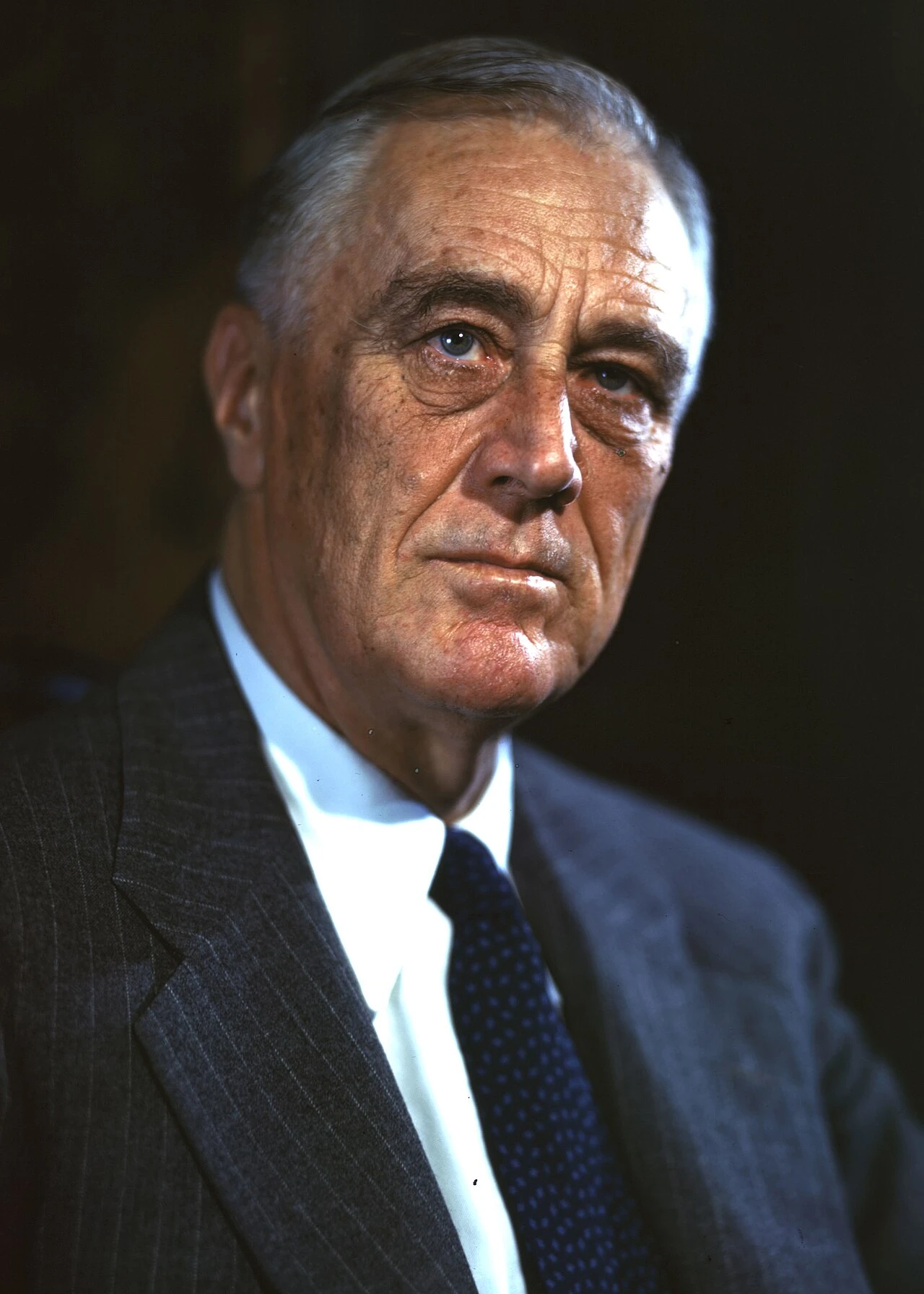
Roosevelt at Charlottesville — 10 June
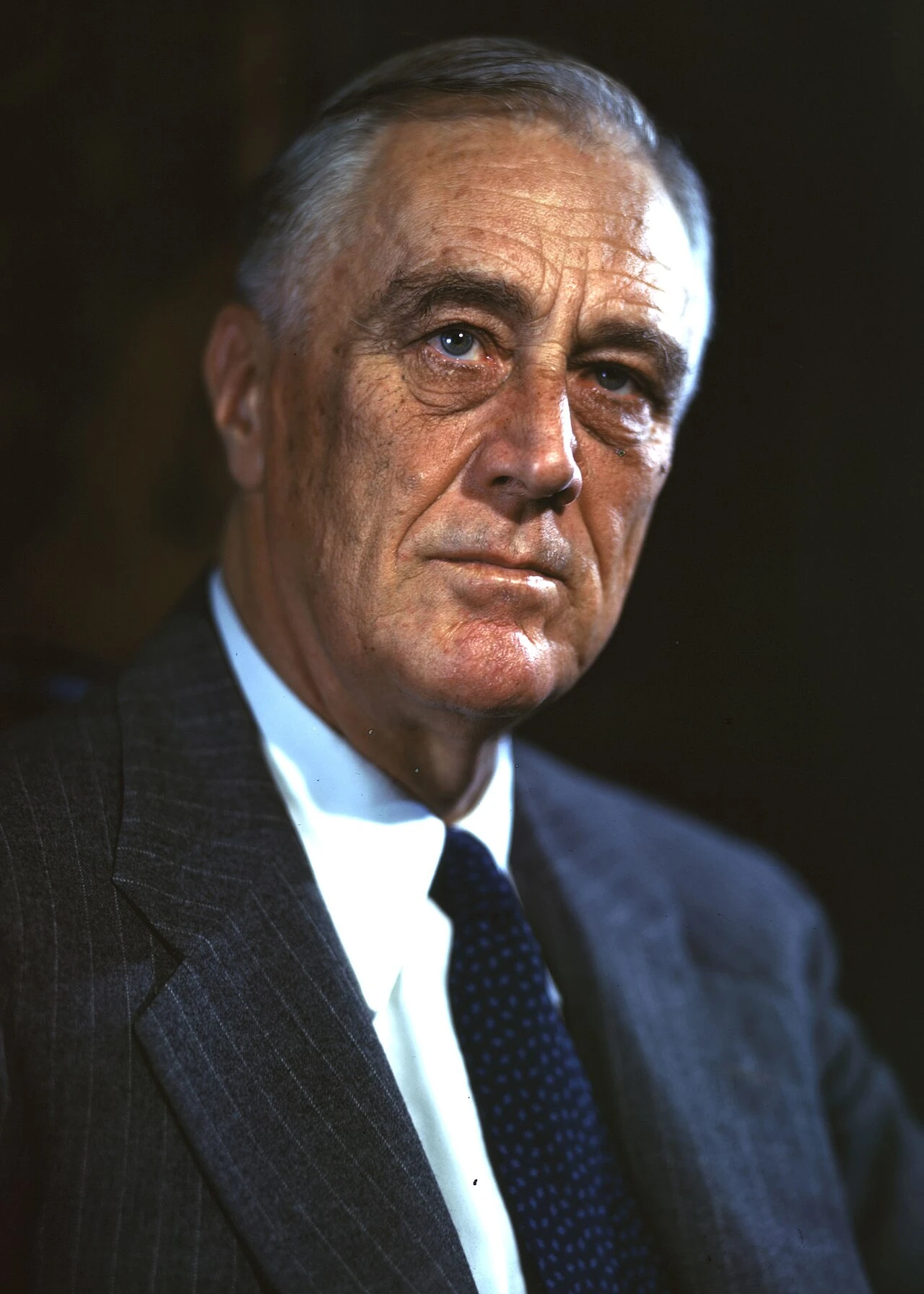
Roosevelt — destroyers for bases
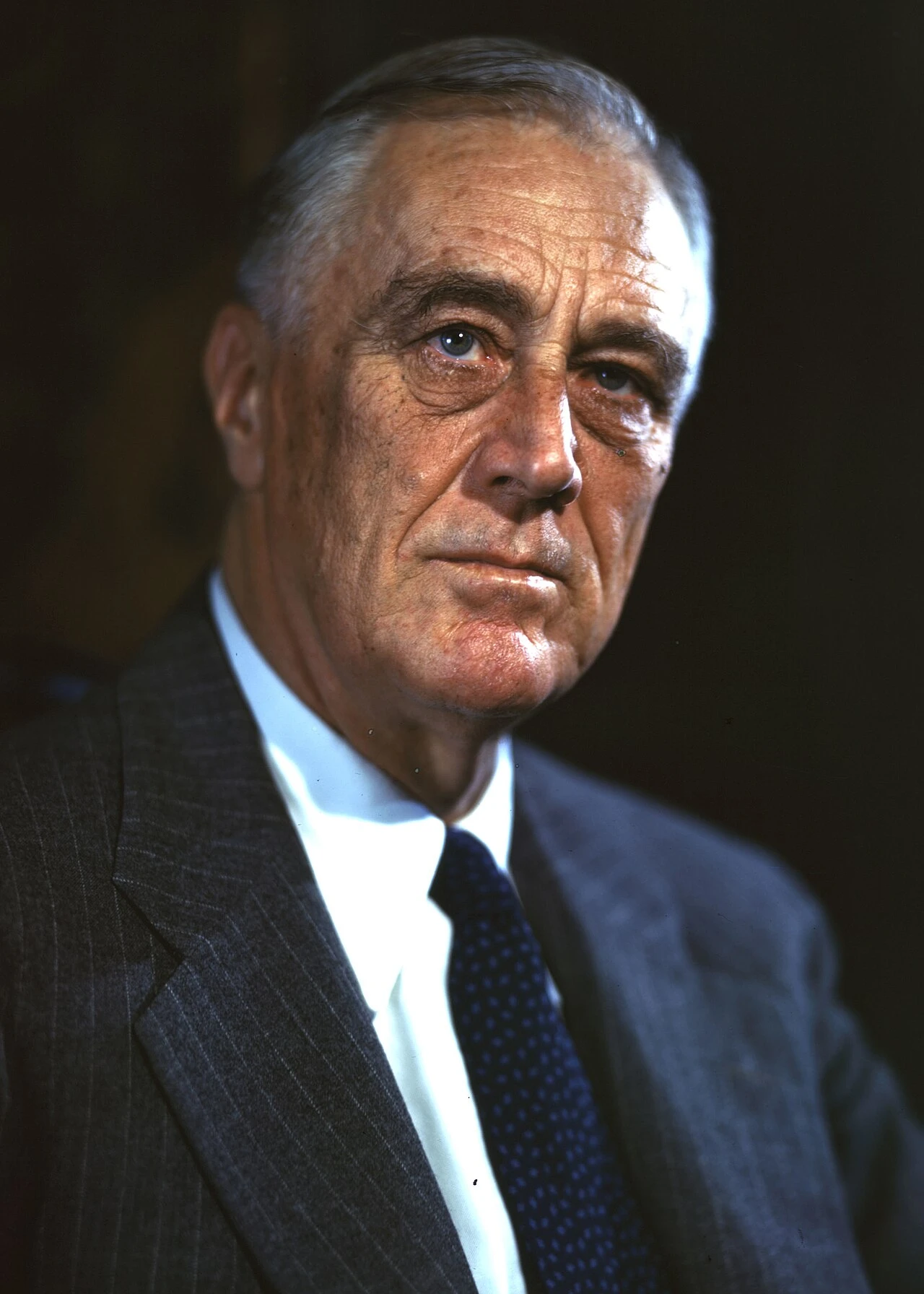
Roosevelt on the stump — "your boys"
Should Stalin Be Armed?
Langsdorff at Montevideo — 17 December
Borakowski and the merchant fleet
Ramsay — Dover, 14:23
Vian in the Jøssingfjord
Vinson and the Two-Ocean Navy Act
Charles Lindbergh — at the NBC Microphone
Roosevelt at Charlottesville — 10 June
Roosevelt — destroyers for bases