
HMS Ark Royal Torpedoed off Gibraltar
This afternoon of 13 November 1941, your aircraft carrier was returning to Gibraltar, barely some thirty miles from the mole, after ferrying fighters to Malta. A single track was enough: a torpedo from U-81 struck the starboard side, below the waterline, tearing a long gash in the hull. The engines stop, the list grows dangerously, and water is already reaching the neighbouring magazines. You are the commander, standing on a tilting bridge, and every minute counts.
Your ship is a symbol: one of the most modern carriers in the fleet, which enemy propaganda has repeatedly proclaimed sunk. To lose her would be a blow to morale as much as to naval air power in the Mediterranean. But the technical reality is implacable: the list threatens to flood the funnel uptakes and extinguish the boilers, and with them the power that drives the pumps. Without propulsion or electricity, fighting on becomes a race against the rising water. Gibraltar is near, escort destroyers are drawing up alongside you, ready to manoeuvre the moment you decide.
Three courses open up, and the crew awaits your order.
What order do you give to decide the fate of your stricken carrier?
The commander chose to fight to save the ship: counter-flooding teams to reduce the list, then a tow toward nearby Gibraltar. The Ark Royal stayed afloat for some fourteen hours before capsizing and sinking on 14 November 1941. Because the evacuation had been ordered in time, only one man perished, Able Seaman Edward Mitchell, out of some 1,500 crew. The inquiry revealed flaws in compartmentation and list management (flooding of the funnel uptakes extinguishing the boilers) that sealed her fate. The wreck rests at a depth of about 1,000 metres, some thirty miles from Gibraltar, where it was located in 2002.
Learn more about this event
Related polls
10
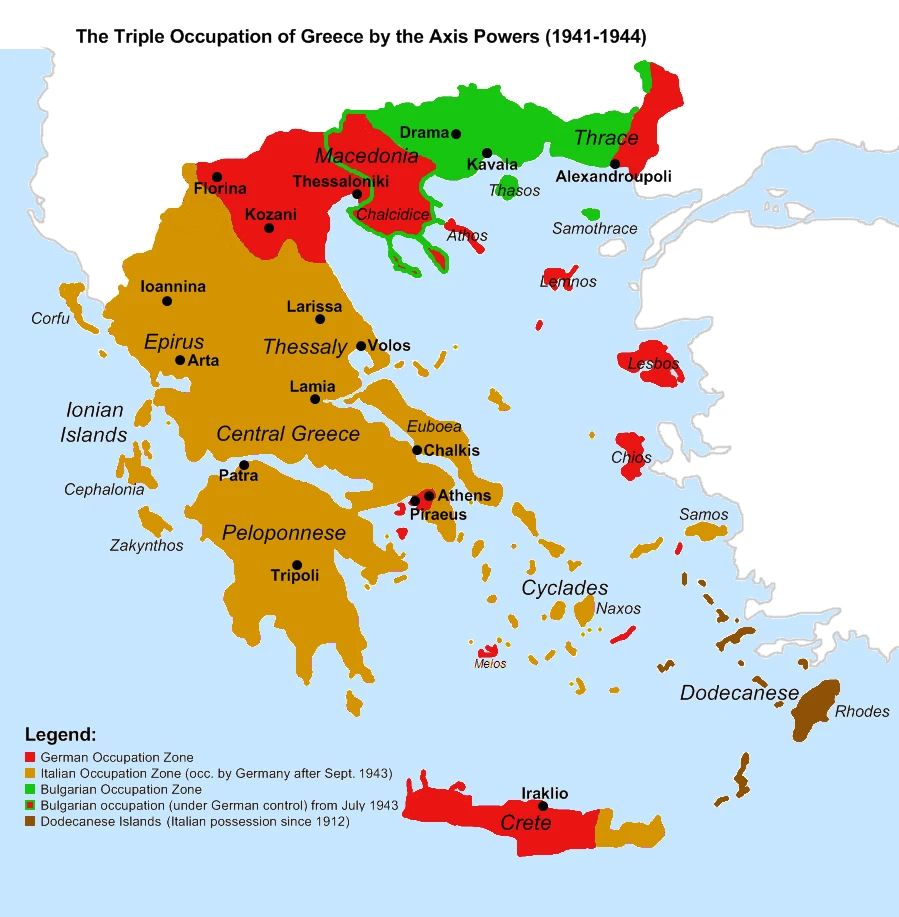
Athens, the Winter of Hunger
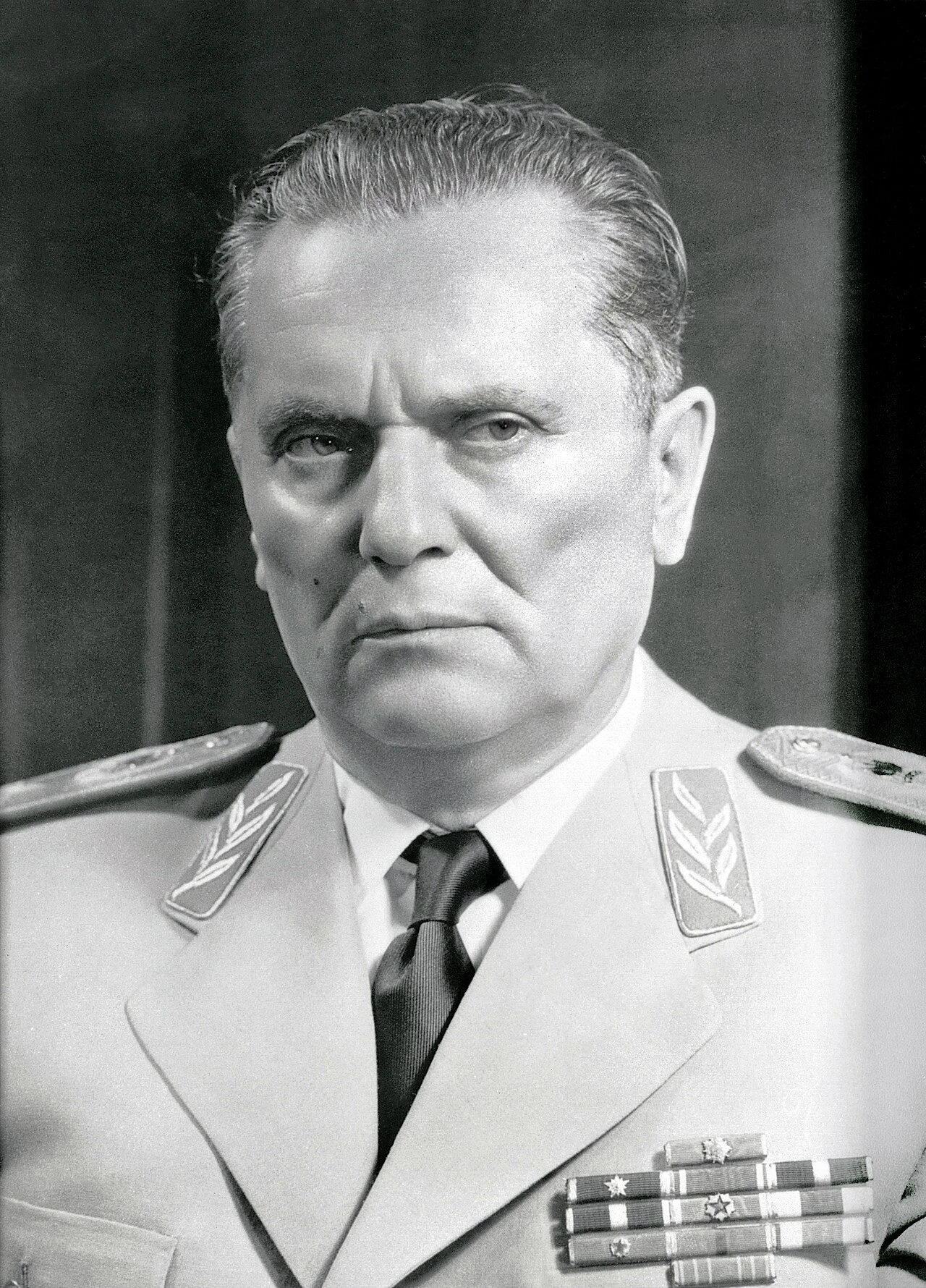
The Belgrade medical student and the call of the Partisans

The Kharkov railwayman and the Reichsbahn
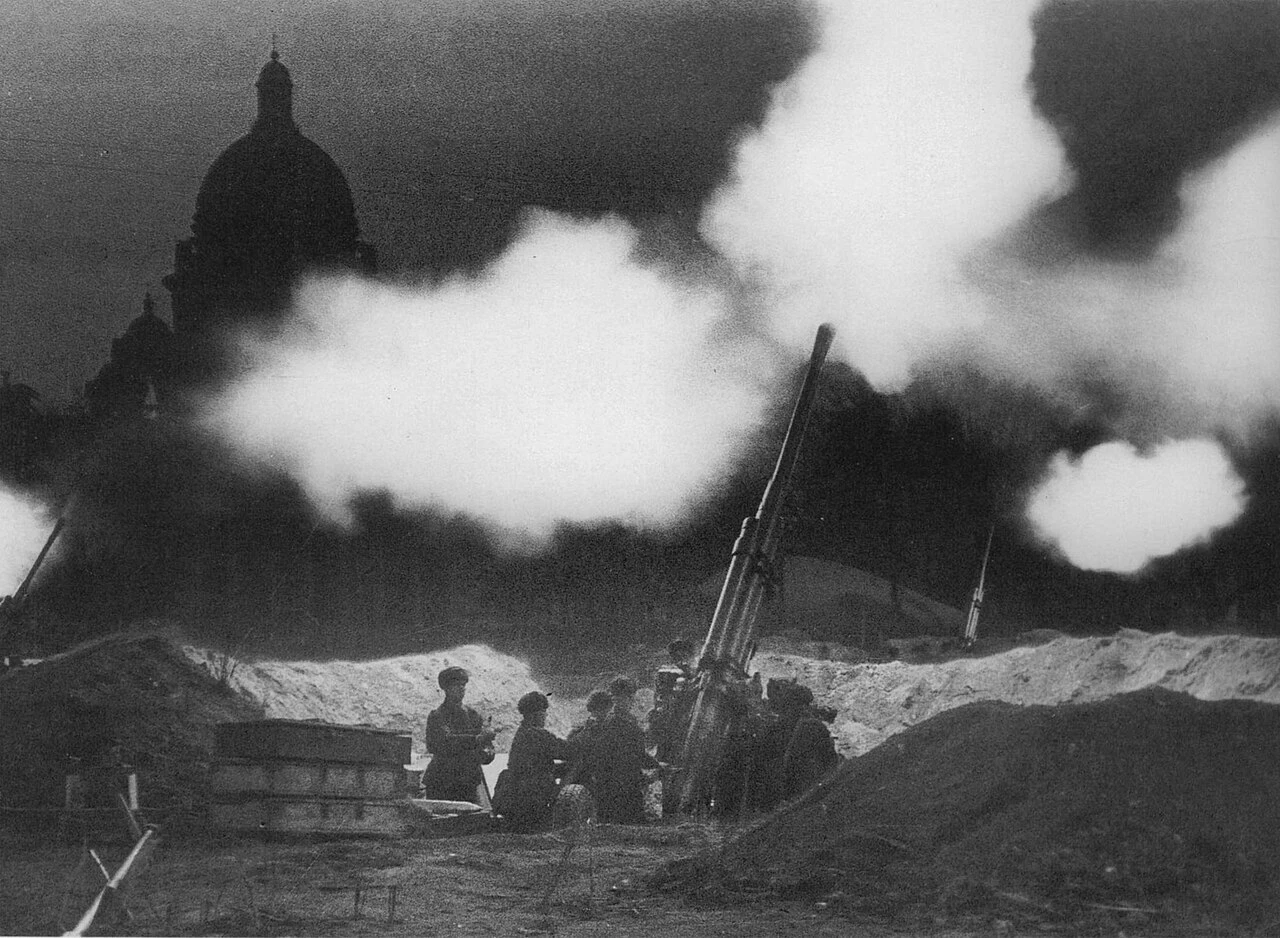
Leningrad besieged: hunger as a weapon
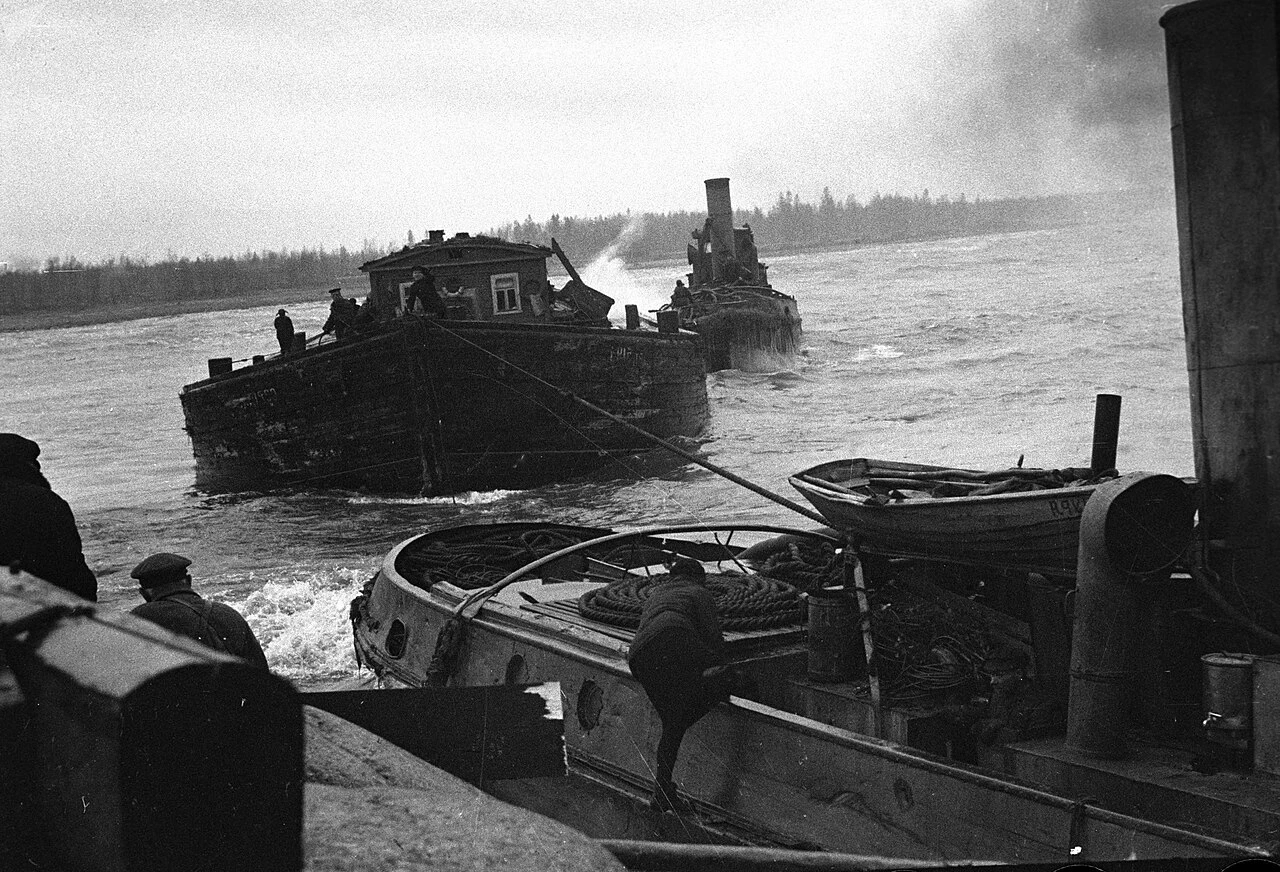
Leningrad: The First Ice on Lake Ladoga
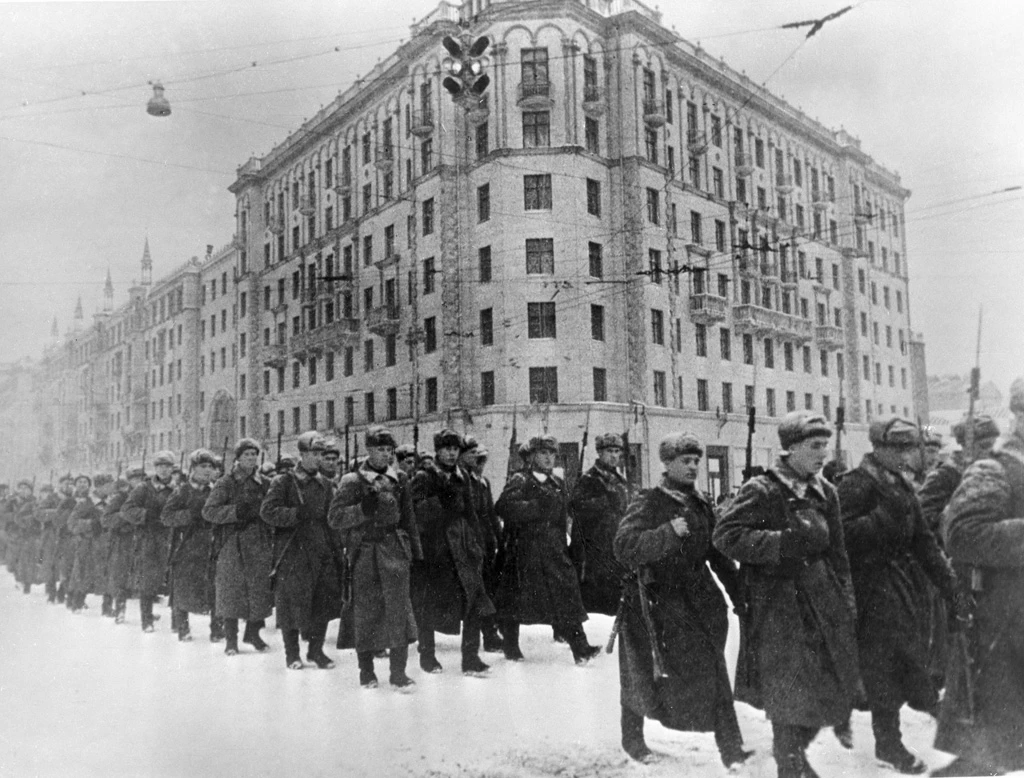
At the Gates of Moscow, in the November Frost
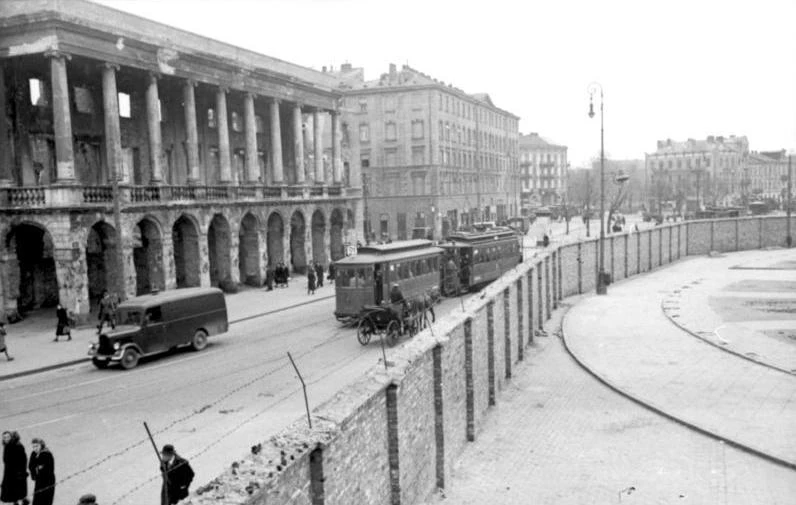
Studying in the Warsaw Ghetto
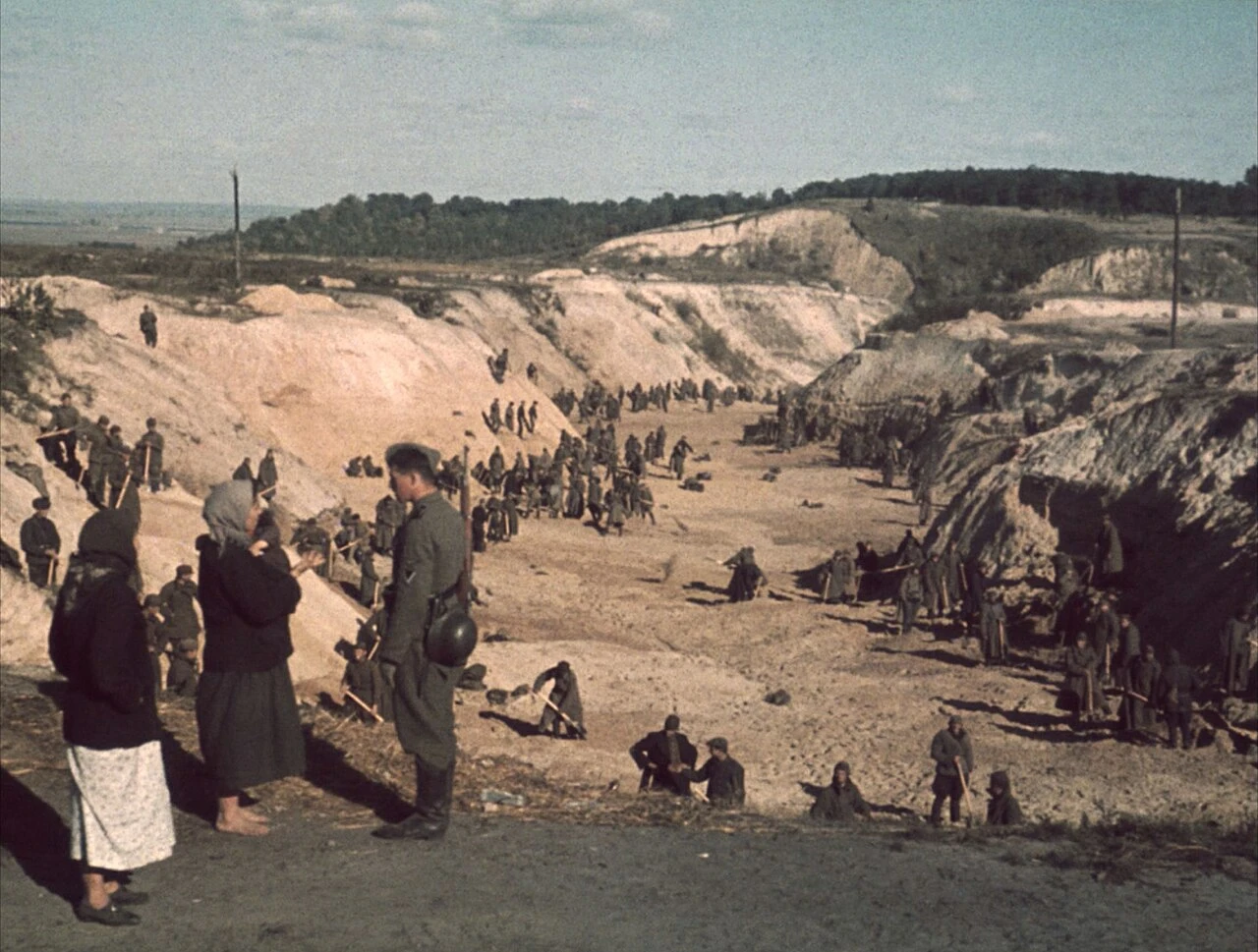
Kiev, 29 September 1941: The Posted Notice
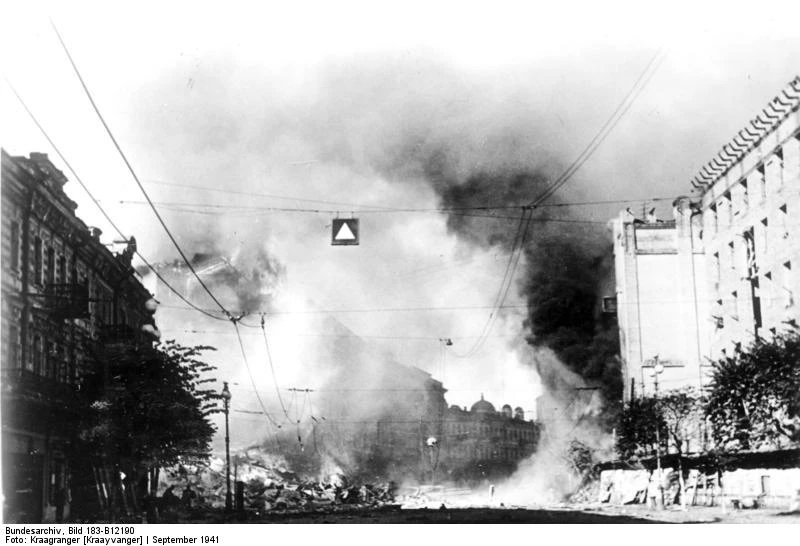
Kiev, September 1941: A Neighbor Facing Babi Yar
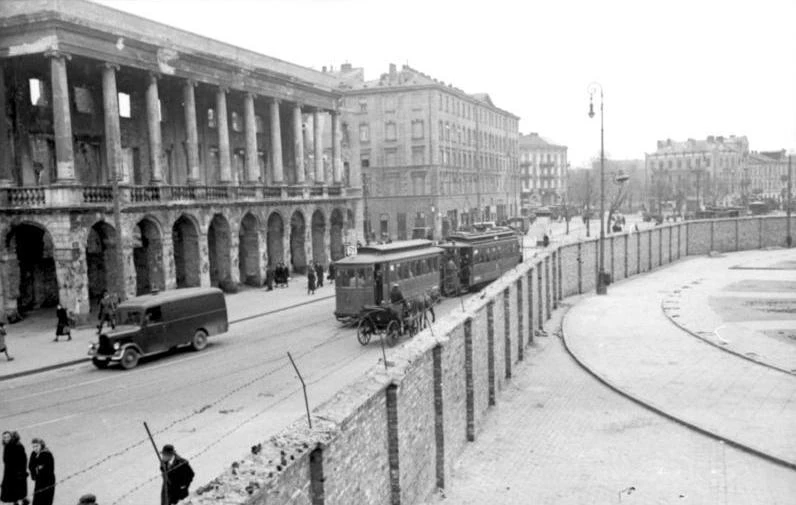
Clandestine teaching in the Warsaw Ghetto
Athens, the Winter of Hunger
The Belgrade medical student and the call of the Partisans
The Kharkov railwayman and the Reichsbahn
Leningrad besieged: hunger as a weapon
Leningrad: The First Ice on Lake Ladoga
At the Gates of Moscow, in the November Frost
Studying in the Warsaw Ghetto
Kiev, 29 September 1941: The Posted Notice
Kiev, September 1941: A Neighbor Facing Babi Yar