
The Massilia — Bordeaux 21 June
, 56, former President of the Council and Minister of War, was pushed out of the government in early June. In Bordeaux, the provisional capital of an agonising France, he knows he could be arrested by the new power forming around Pétain.
The outgoing Minister of the Interior, , urges several parliamentarians to embark on the liner Massilia, announced to depart for Morocco to organise, from North Africa, the continuation of the war. Some twenty deputies and senators — including , , and Daladier himself — are approached.
To embark is to bet on continuing the fight from the Empire, but to expose oneself to accusations of desertion. To stay is to defend republican legality from within, at the risk of arrest. To go alone to London and join de Gaulle is a third path, more radical still. Daladier, the 'man of Munich' of 1938, knows that the new team holds him responsible for the war as much as for the defeat. He must decide in the hours before sailing.
Should Daladier embark on the Massilia?
Daladier chooses A. The Massilia leaves Bordeaux on 21 June with some thirty parliamentarians — including Mandel, Mendès France and Zay — and their families, and reaches Casablanca on 24 June. But Vichy turns the operation into a political trap: the passengers, depicted as 'fugitives,' are arrested on arrival. Mandel and Zay will be murdered in 1944, Mendès France imprisoned then escaped, Daladier deported to Germany. The Massilia affair will serve Vichy as an argument to discredit the Third Republic and its elites. It illustrates the total scrambling of bearings in June 1940, when wanting to continue the war could be turned into an accusation of desertion.
Learn more about this event
Related polls
10
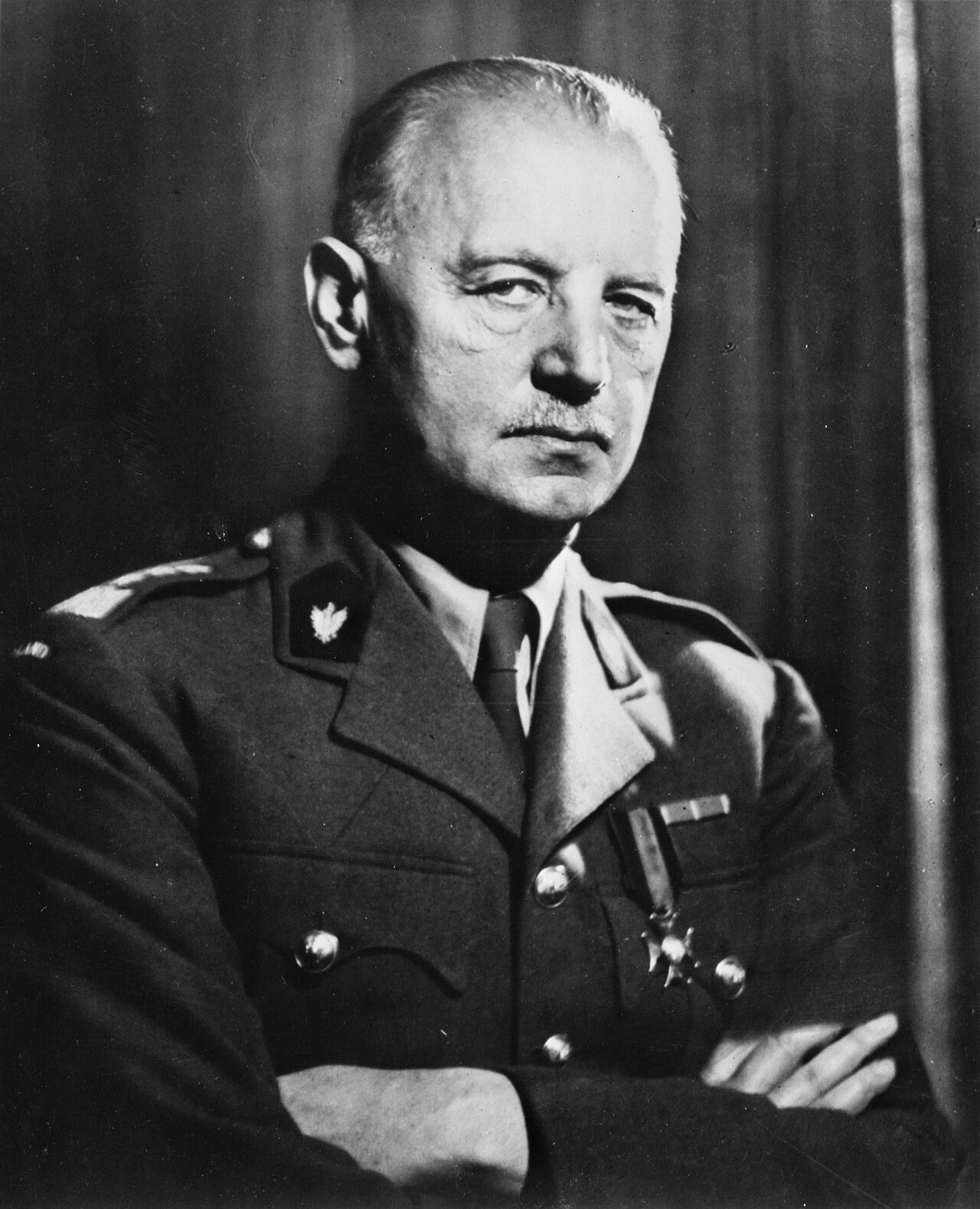
Sikorski leaves Bordeaux — 18 June
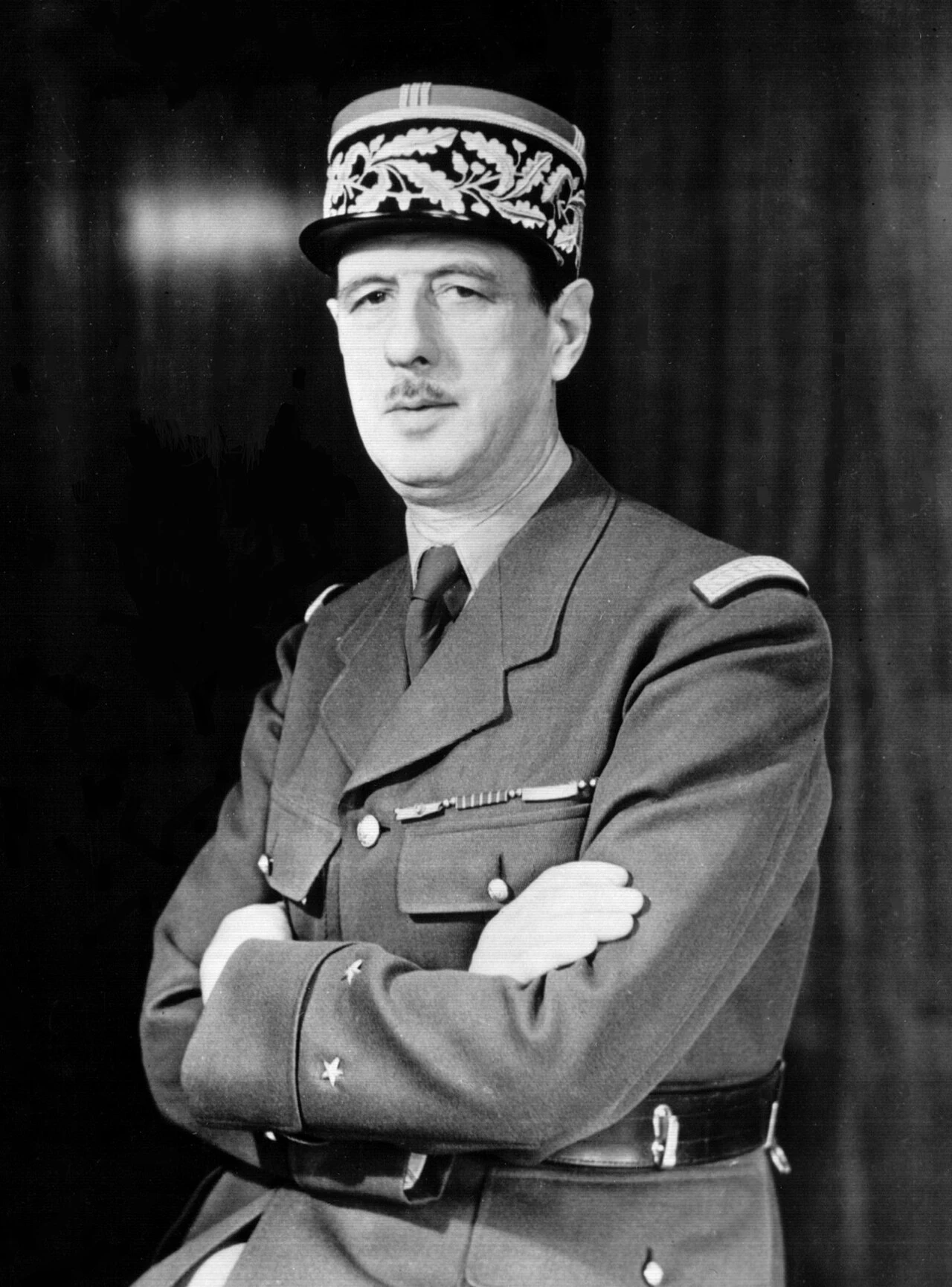
De Gaulle at the BBC microphone — 18 June, 18:00
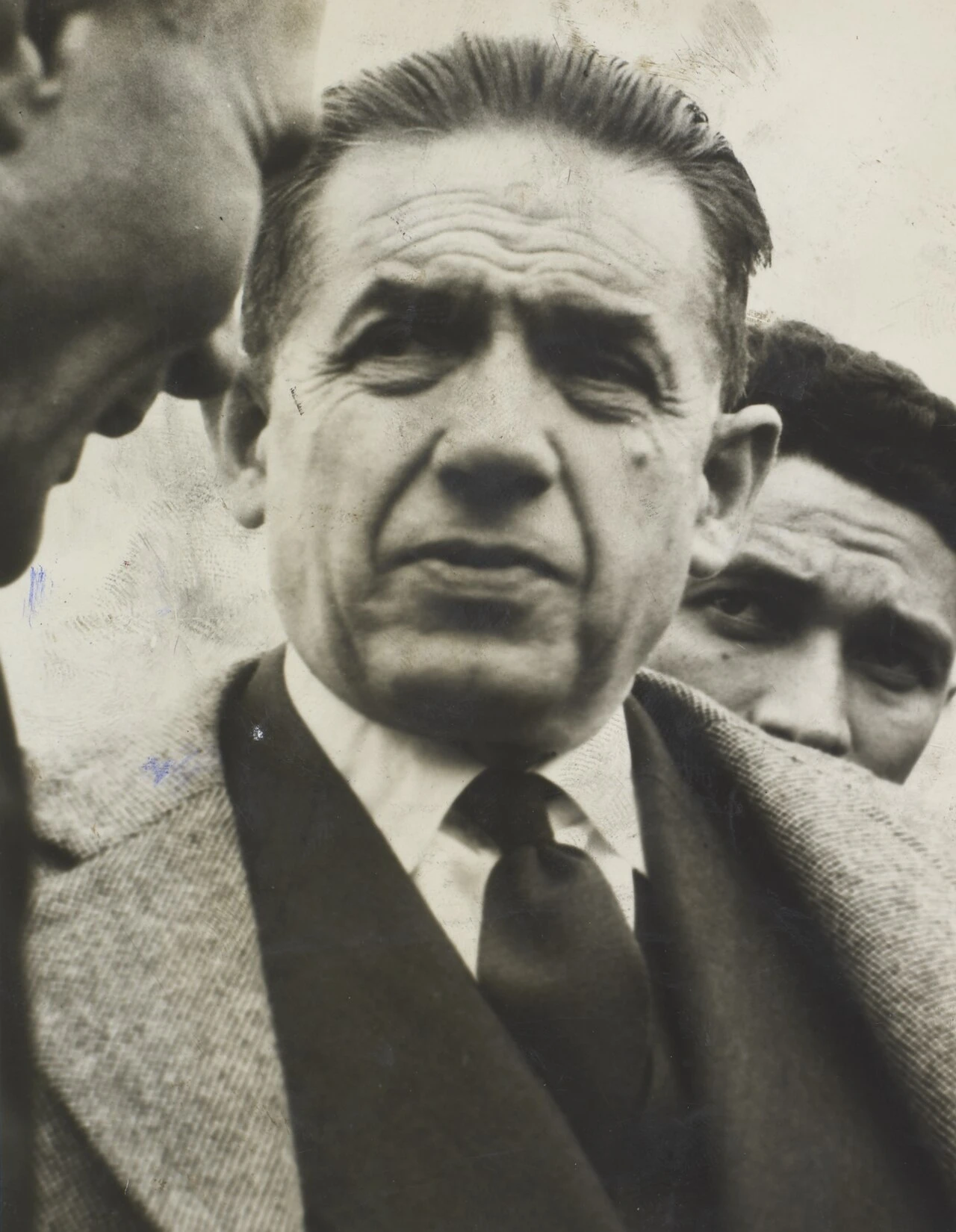
Edmond Michelet — Brive leaflet, 18 June
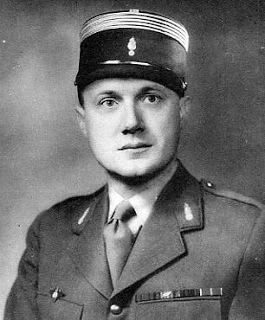
Gilbert Renault — the road to London
Jean Moulin — Chartres, 17 June
Langeron — Prefecture of Police, 14 June
Pétain Faces Mers-el-Kébir
Reynaud faces the Council — Bordeaux, 16 June, 22:00
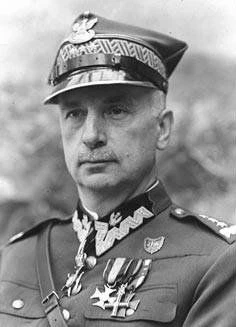
Sosnkowski — KSK, 27 November
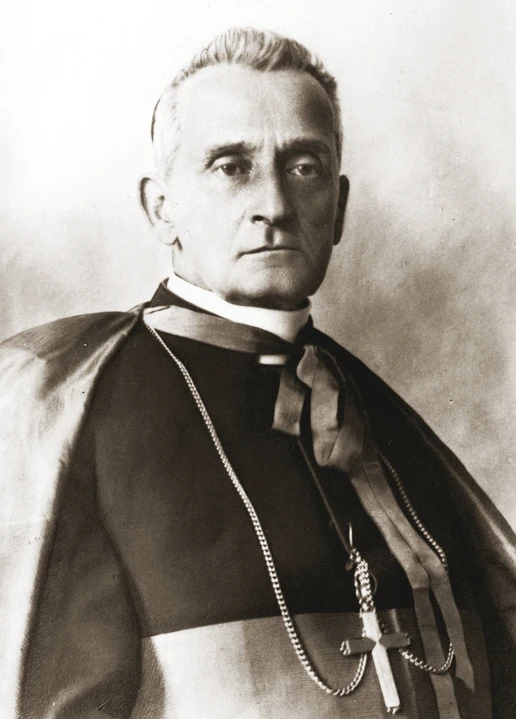
Cardinal Sapieha — Krakow under Occupation
Sikorski leaves Bordeaux — 18 June
De Gaulle at the BBC microphone — 18 June, 18:00
Edmond Michelet — Brive leaflet, 18 June
Gilbert Renault — the road to London
Jean Moulin — Chartres, 17 June
Langeron — Prefecture of Police, 14 June
Pétain Faces Mers-el-Kébir
Reynaud faces the Council — Bordeaux, 16 June, 22:00
Sosnkowski — KSK, 27 November