
The strike of the '100,000' in Belgium
Belgium had been occupied since May 1940 and its vital heavy industry was working for the German war effort. Workers there were subject to frozen wages, severe rationing and the threat of forced labour in the Reich. The clandestine Communist Party — the USSR still being tied to Germany by the Nazi-Soviet pact — nevertheless drove the social agitation, alongside other trade union networks.
In the spring of 1941, discontent was rising in the steel mills, where the production rates imposed by German orders contrasted with falling rations and wages frozen since the defeat. At the Cockerill steelworks at Seraing, near Liège, the workers were at the end of their tether. The date of 10 May, the first anniversary of the invasion, gave the moment patriotic significance: a wage protest could become an act of resistance to the occupier.
Our militants had to decide on the form of action, in a country under German control where any strike was forbidden and harshly repressed: launch an open strike combining wage demands with defiance of the occupier, at the risk of arrests; stick to discreet protests to preserve the networks; or give up, judging repression too dangerous.
How should the workers of the Liège basin protest in May 1941?
The workers chose A. Starting at Cockerill on 10 May 1941, the strike spread within a few days to all the Walloon steel industry and won the support of broader sections of the population: it was the 'Strike of the 100,000.' Chief of Staff Halder noted that 'a day of strike means 2,000 tons of steel lost' — a real blow to war production, a month before Barbarossa. Notably, the occupier reacted with unusual restraint: on 18 May, an 8% wage increase was granted and work resumed; the communist leader initially escaped sanctions. Coming three months after the February strike in Amsterdam, the Belgian strike confirmed that, even under occupation, mass movements could hamper the German war machine.
Learn more about this event
Related polls
10
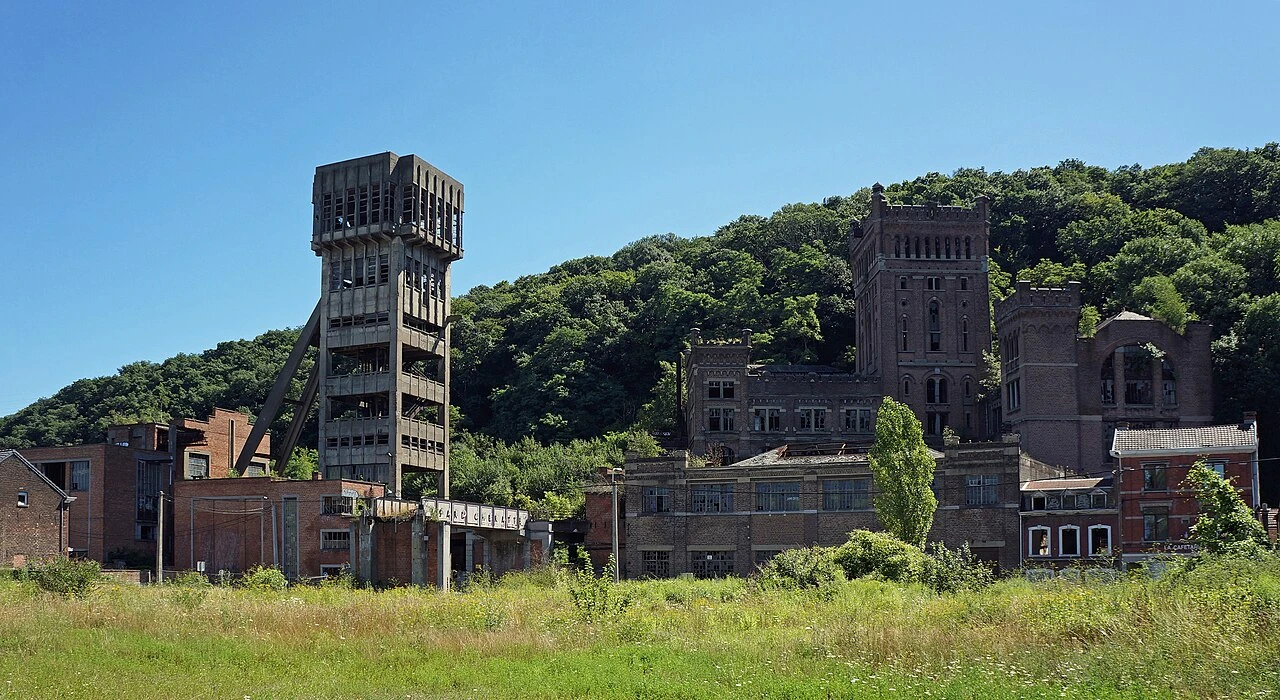
Campine Coal and the Hunger of Year One
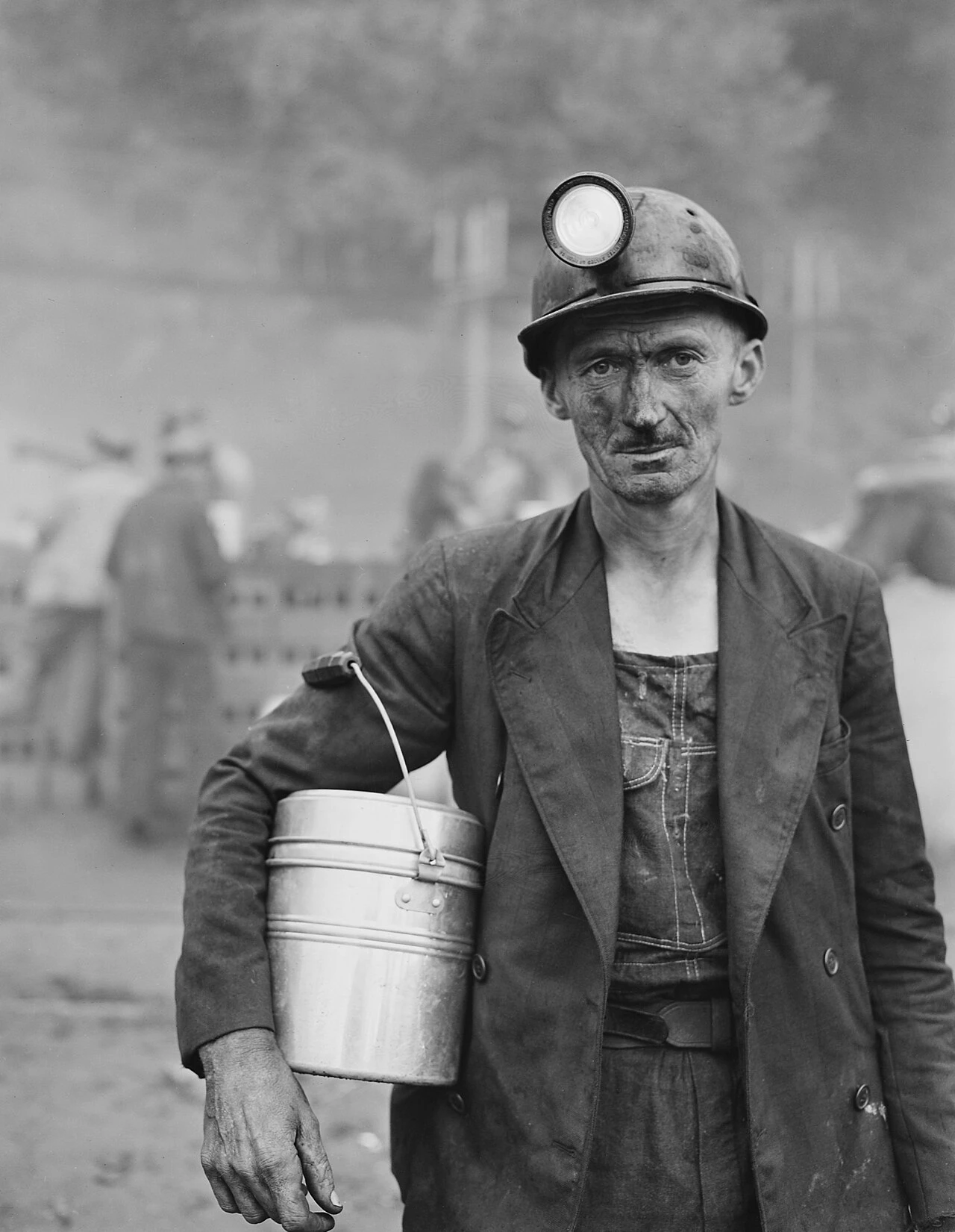
At the Dahomey pit, the morning of team-rate pay
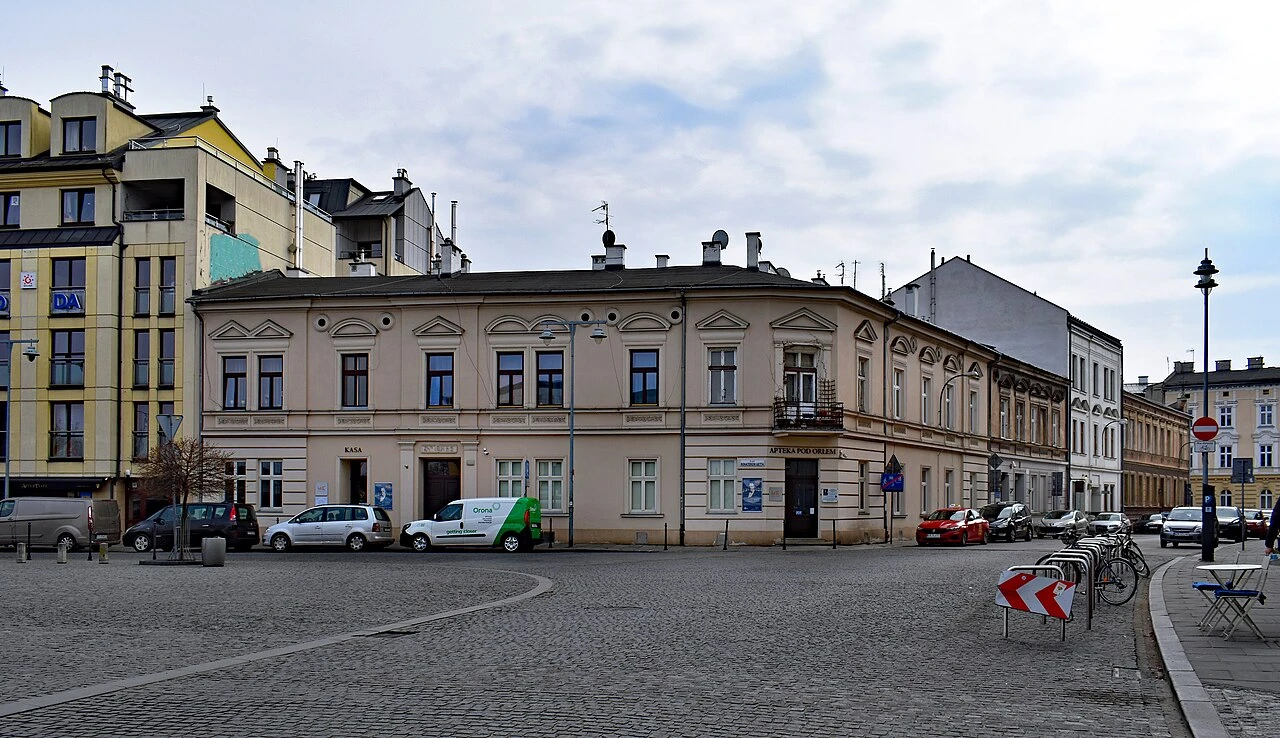
The apothecary of the Kraków Ghetto
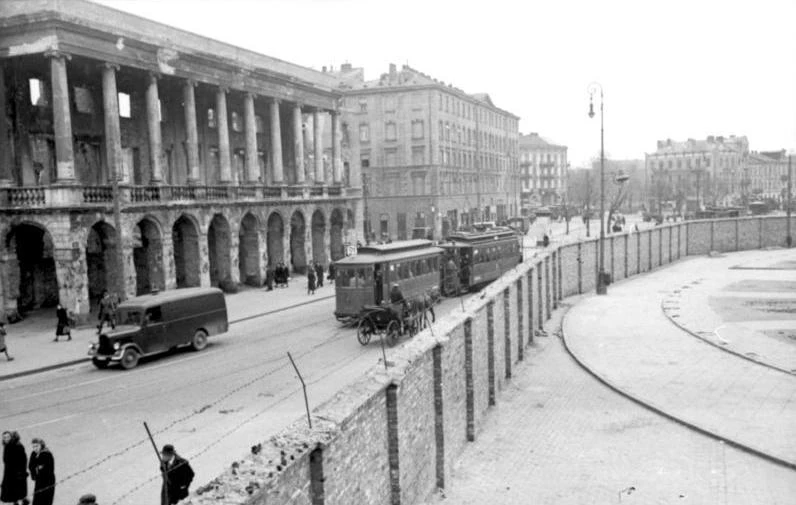
Studying in the Warsaw Ghetto
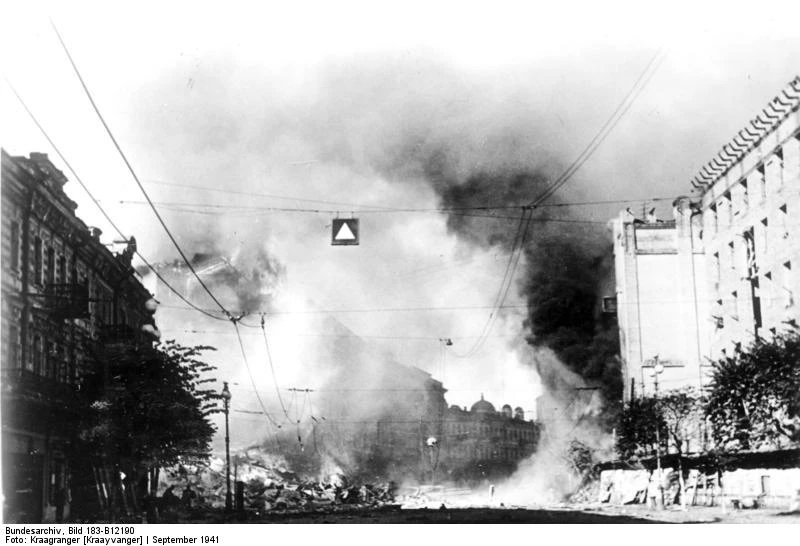
Kiev, September 1941: A Neighbor Facing Babi Yar
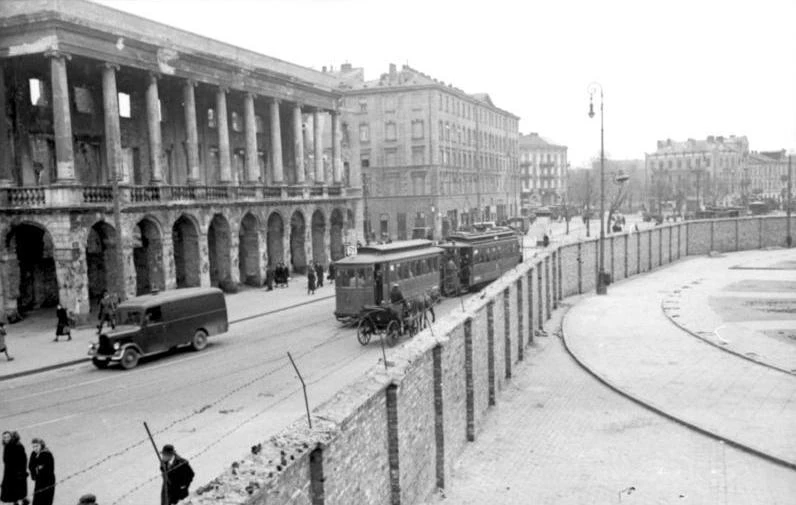
Clandestine teaching in the Warsaw Ghetto
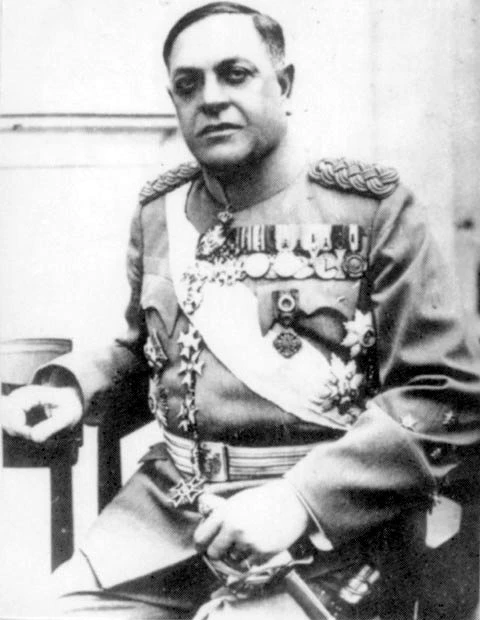
The Belgrade schoolteacher under the occupation

The Parisian concierge facing informing under the Occupation
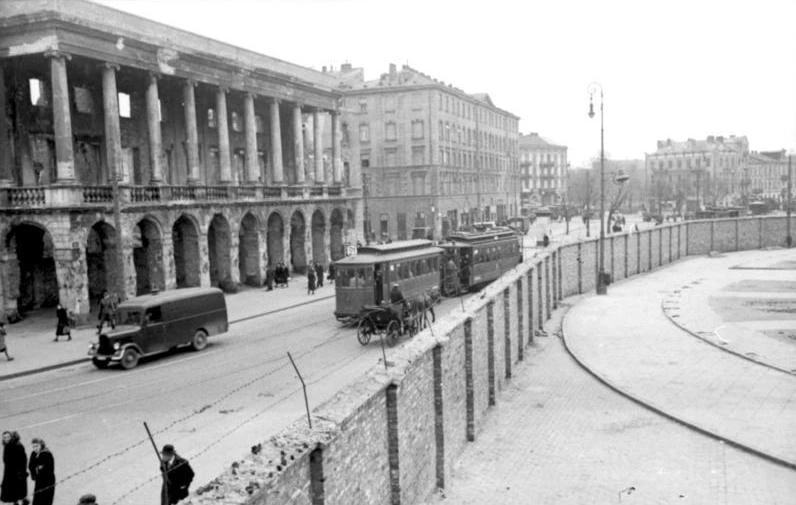
The Warsaw Ghetto — the temptation of informing
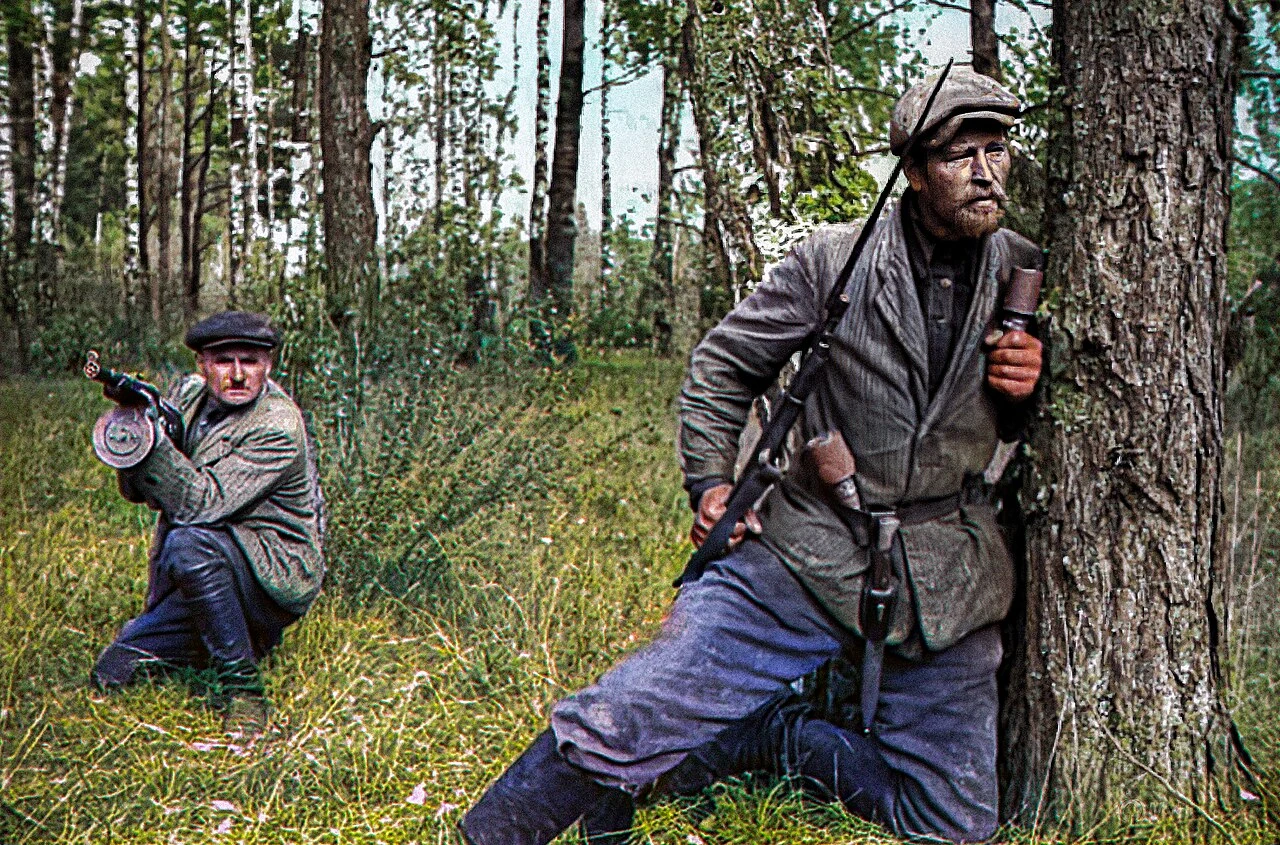
The Bryansk forests, autumn 1941
Campine Coal and the Hunger of Year One
At the Dahomey pit, the morning of team-rate pay
The apothecary of the Kraków Ghetto
Studying in the Warsaw Ghetto
Kiev, September 1941: A Neighbor Facing Babi Yar
Clandestine teaching in the Warsaw Ghetto
The Belgrade schoolteacher under the occupation
The Parisian concierge facing informing under the Occupation
The Warsaw Ghetto — the temptation of informing