
The tank battle of Hannut
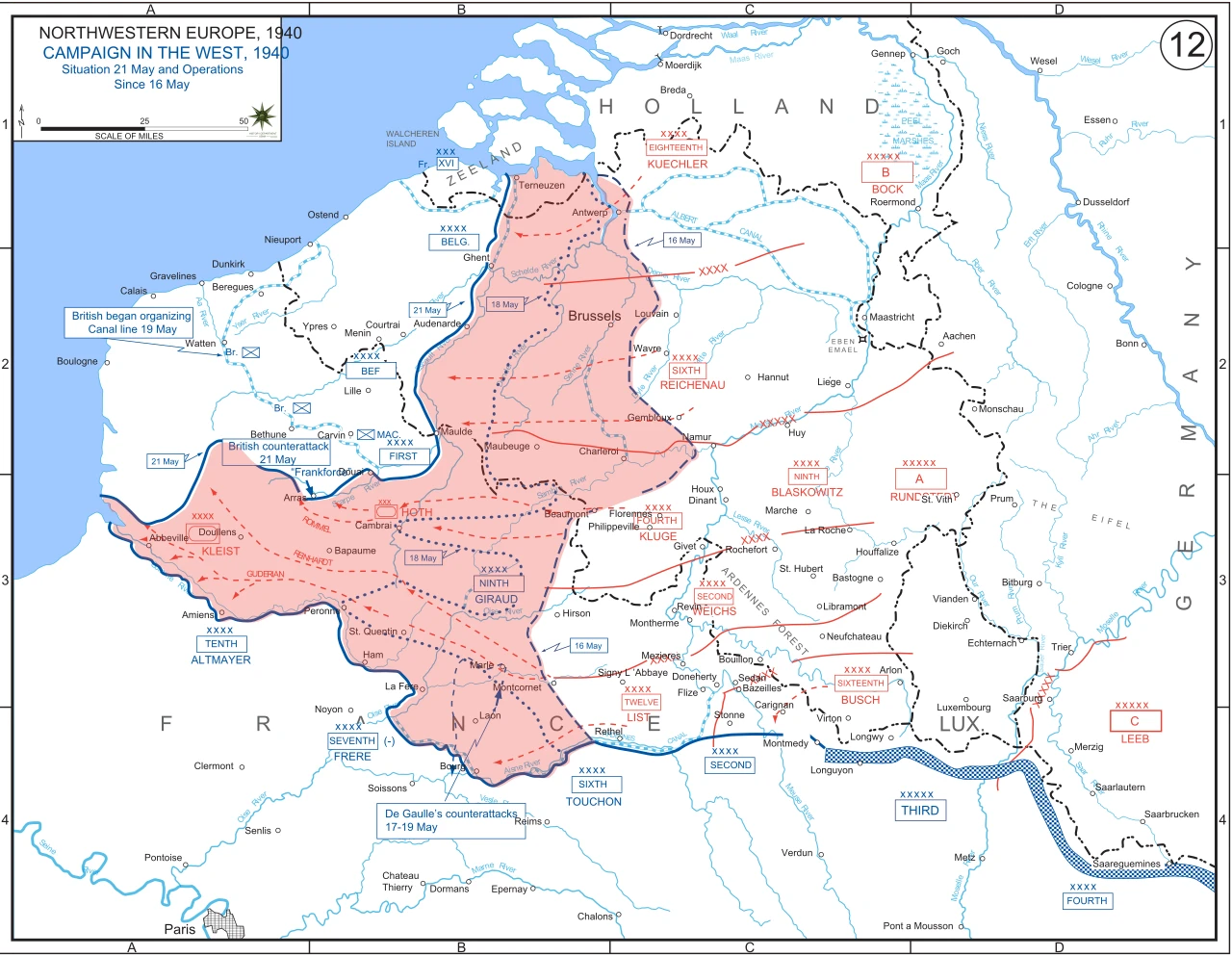
As part of the Allied plan, the French and British armies advanced into Belgium to hold the line of the Dyle. To cover this deployment, the Cavalry Corps of General , equipped with modern Somua S35 and Hotchkiss tanks, was pushed forward into the plain of Hannut, where it engaged the German on 12 and 13 May — the first great tank battle in history.
Prioux had to decide how to employ his armour. He could disperse it in support of the infantry across a broad front, in keeping with classic French doctrine, to cover the deployment. He could concentrate it as a manoeuvre mass to strike the Panzers, in the German manner. Or he could conduct a mobile defence, slowing the enemy while withdrawing to preserve his forces.
The stakes were twofold: his tanks, individually superior to many German vehicles, could inflict heavy losses, but a poor concentration or too rigid a defence risked wearing them out to no purpose. The doctrine for employing tanks, as much as the equipment itself, would be decided here.
Should Prioux disperse his tanks in support, concentrate them as a manoeuvre mass, or conduct a mobile defence?
Prioux conducted, in the main, option C — a mobile delaying defence: his mission was to buy time for the deployment of the armies on the Dyle, not to break through. His tanks inflicted serious losses on the Panzers at Hannut and Merdorp, proving the quality of French equipment, then withdrew in good order. Tactically, the French cavalry fulfilled its role; but the relative dispersal of the armour and the absence of a doctrine of offensive concentration — unlike the Germans — limited the effect. Hannut illustrates that France possessed good tanks, but a conception of their use inferior to that of its adversary.
Learn more about this event
Related polls
10

The abatis of the Chasseurs Ardennais
The Battle of the Lys

The bridges of the Meuse
Eben-Emael — Jottrand under the explosions
Flavion — the 1st DCR run dry
Kanne bridge — fourth airborne target
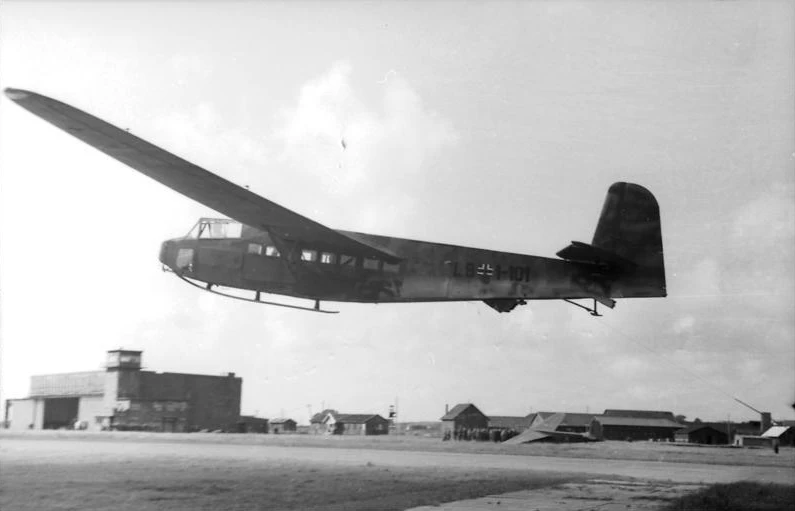
Veldwezelt bridge — Beert and the demolition officer
Vroenhoven bridge — the demolition order
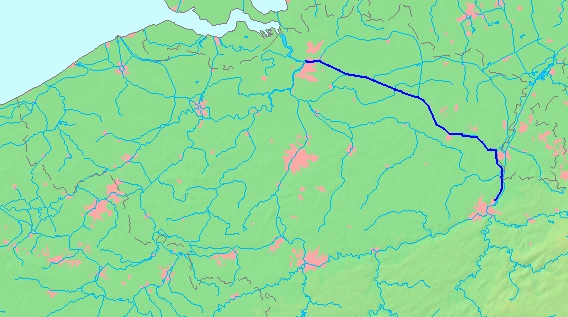
The bridges of the Albert Canal
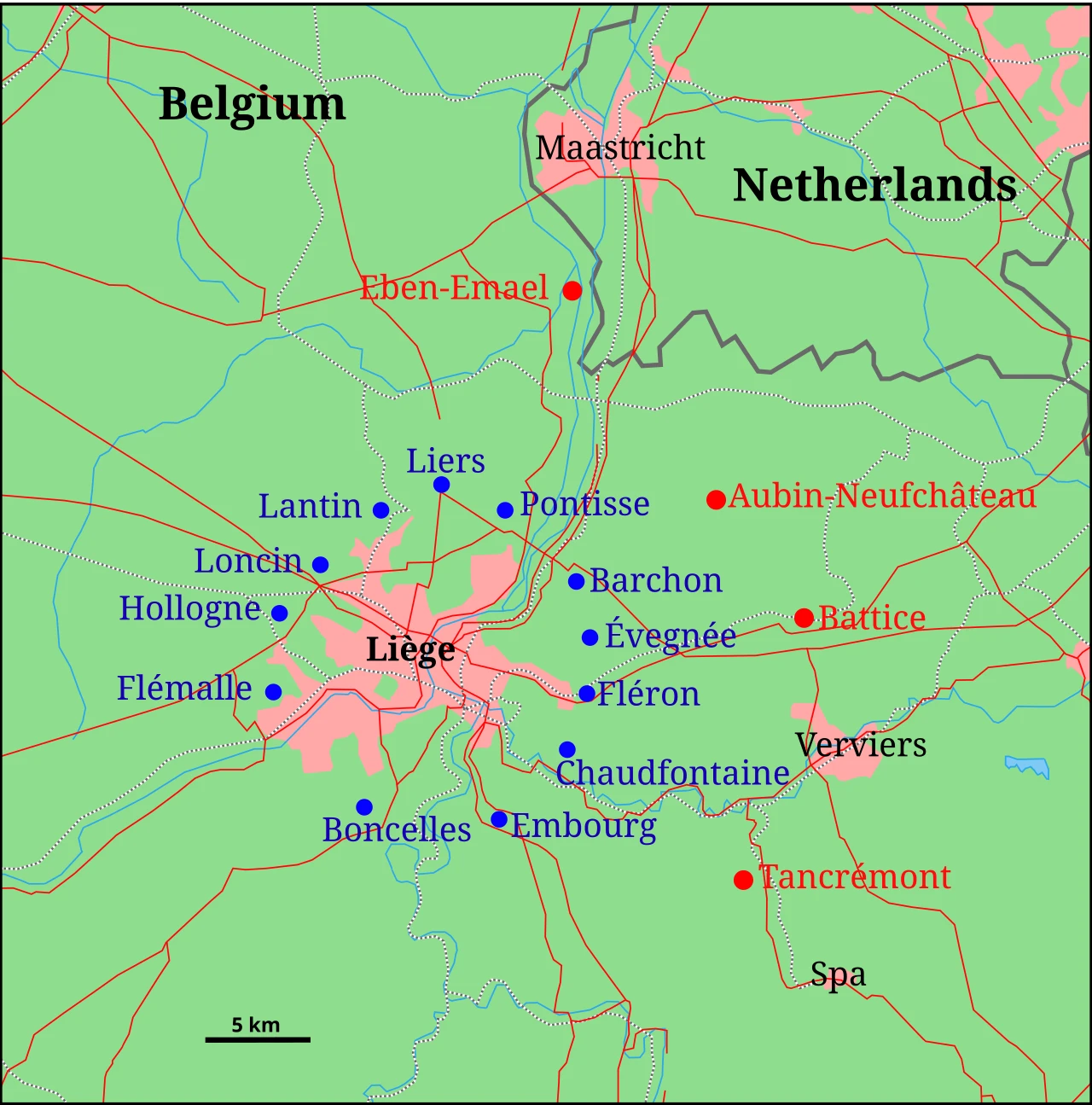
The fortified position of Liège
The abatis of the Chasseurs Ardennais
The Battle of the Lys
The bridges of the Meuse
Eben-Emael — Jottrand under the explosions
Flavion — the 1st DCR run dry
Kanne bridge — fourth airborne target
Veldwezelt bridge — Beert and the demolition officer
Vroenhoven bridge — the demolition order
The bridges of the Albert Canal