
Cardinal Hlond — the Vatican's instruction
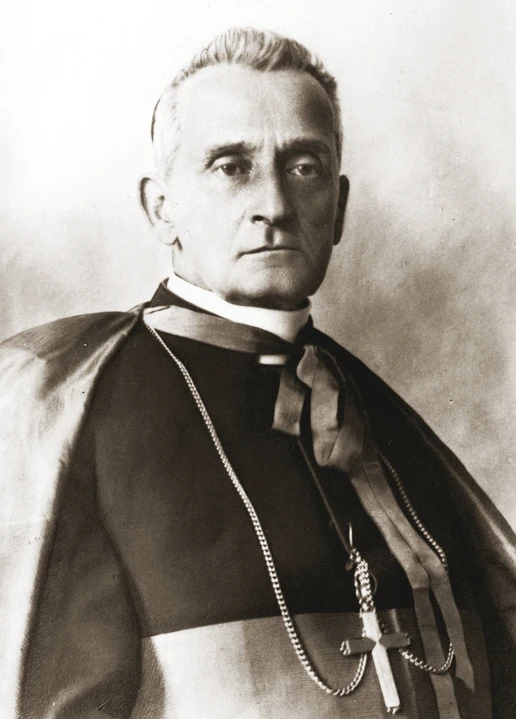
, 58, has been Primate of Poland since 1926 — Metropolitan Archbishop of Gniezno (the historic see) and of Poznań. A cardinal since 1927, a Salesian. The first Polish prelate since independence in 1918, he negotiated the Concordat of 1925 between the Holy See and Poland with . At the moment of the invasion he is at Poznań, the ecclesiastical capital of western Poland.
On 1 September, Poznań is 80 km from the German frontier, on the direct line of the invasion. On 2 September the Apostolic Nuncio transmits to Hlond an instruction from the Vatican drafted by the Secretary of State Maglione: "In case of occupation, the Polish bishops should avoid being captured in place — they could become a target for reprisals, and their deportation would behead the Polish Church." On 3 September Hlond leaves Poznań for Warsaw. On 6 September the Polish government explicitly asks him to leave the national territory: his capture by the Germans would be a disaster for the Church and for the Polish state in exile that Sikorski is about to constitute.
With the decision to leave taken, the role he will assume from abroad remains to be chosen. He can turn his exile into a public platform — lectures, communiqués, explicit denunciation of German crimes; favour discreet diplomacy with and the chancelleries, while organising material support for the Poles in exile; or attempt a clandestine return via Hungary or Slovakia to share the national fate. Which stance to adopt?
What posture should he adopt once the decision to leave has been taken?
Hlond combines A and B. From 6 to 11 September, he travels via Krzemieniec to Czerniowce (Romania). On 21 September he reaches Rome, where he is received by . From Rome and then from Lourdes (from June 1940, when Italy enters the war), he publishes communiqués from the Vatican on the persecutions suffered by the Polish Church — losses documented by him: 6,000 priests killed during the war, 1,800 in the concentration camps alone, 25 percent of the Polish clergy. He explicitly denounces Hitler in two broadcasts on Vatican Radio (1940, 1942). Meanwhile Bishops (Cracow) and (Tarnów) had refused to leave and stayed in Poland. On 3 February 1944, Hlond is arrested at Lourdes by the Gestapo, deported to Bavaria, and freed by the Americans in April 1945. He returns to Poland, into the zone of Soviet occupation, and accepts the new order — including the loss of the eastern lands (Kresy) to the USSR. He died in October 1948 in Warsaw. His decision of September 1939 was immediately controversial — some accused him of having abandoned his people, "the shepherd who flees his sheep". His cause for beatification was opened in 1992; the process is still under way owing to the debates over his flight and over certain pre-war pastoral letters considered problematic on the Jewish question.
Learn more about this event
Related polls
10
Cardinal Sapieha — Krakow under Occupation
Bishop Adamski in annexed Katowice
The Gold of the Bank of Poland — the destination of the SS Eocene
Starzyński — Mówi Warszawa
Wasilewska in Lwów, then Moscow
Borakowski and the merchant fleet
Czerniaków — the offer of the Judenrat
Hans Frank — the taking of the Wawel
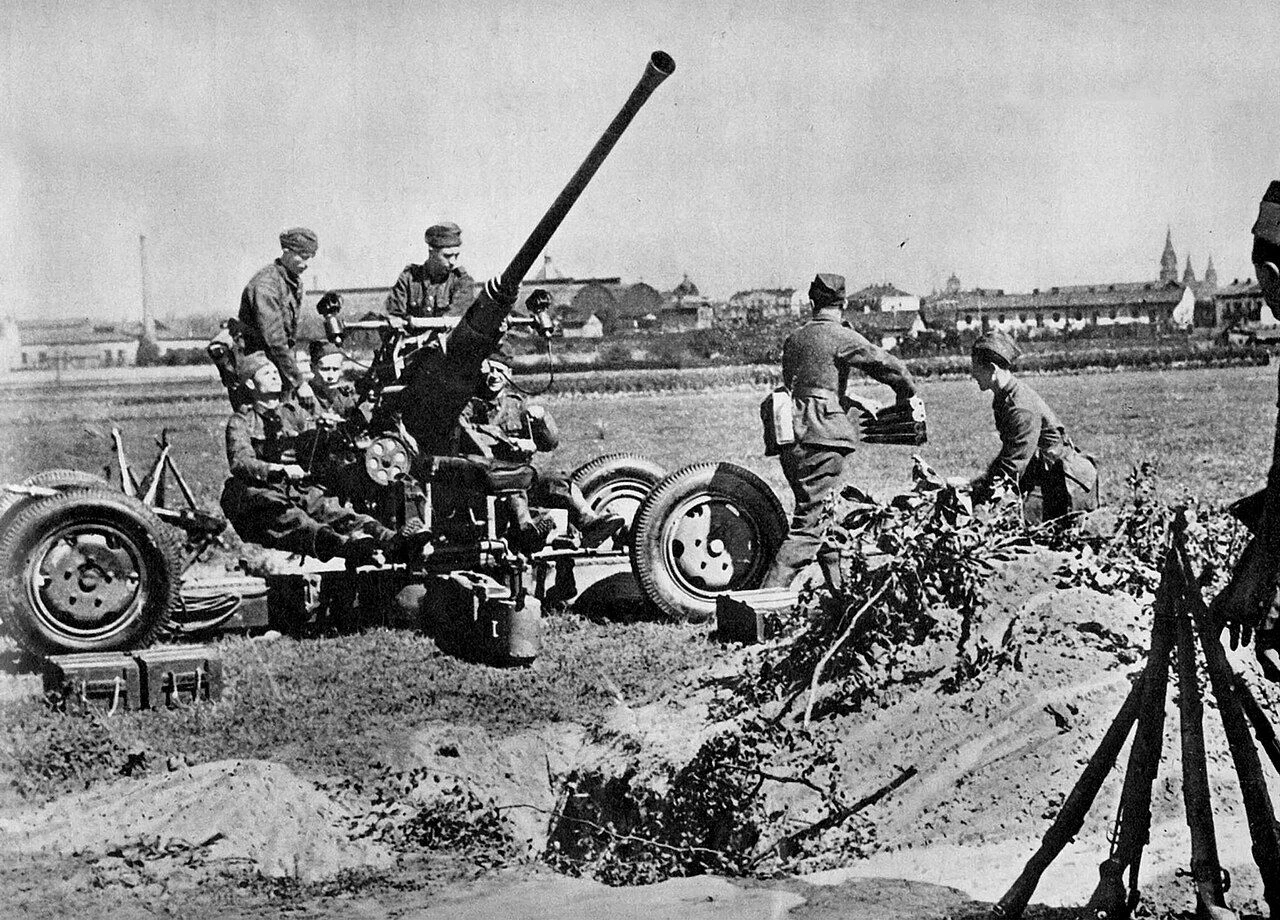
Lwów — Langner between two occupiers
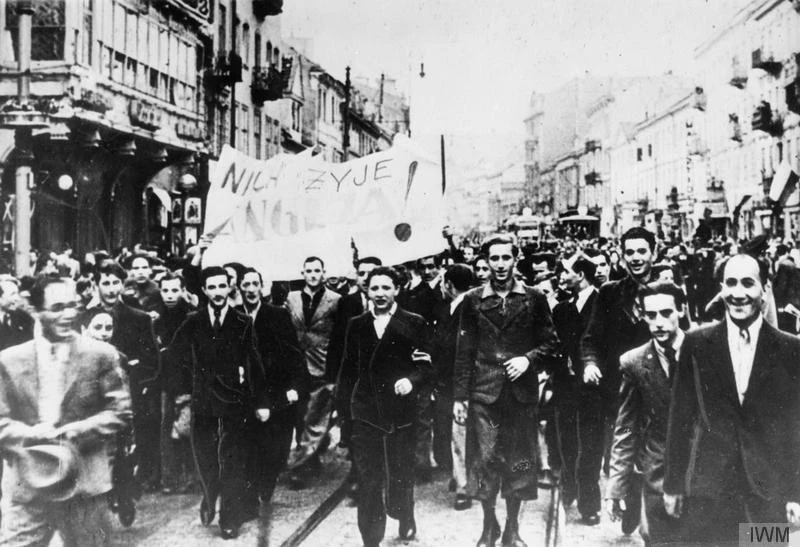
Chamberlain — 11:15 BST
Cardinal Sapieha — Krakow under Occupation
Bishop Adamski in annexed Katowice
The Gold of the Bank of Poland — the destination of the SS Eocene
Starzyński — Mówi Warszawa
Wasilewska in Lwów, then Moscow
Borakowski and the merchant fleet
Czerniaków — the offer of the Judenrat
Hans Frank — the taking of the Wawel
Lwów — Langner between two occupiers