
Maastricht — Govers facing the armour at 04:35
Lieutenant-Colonel Govers commanded the defence of South Limburg in the Netherlands and, with it, the bridges over the Maas at Maastricht — a key city at the junction of the Dutch, Belgian and German frontiers. Three vital structures crossed the river through the city centre: the Wilhelmina bridge to the south, the Sint-Servaas in the middle, and the Wyck bridge to the north. Govers had orders to destroy them at the first German intrusion; charges were in place under each deck.
At 04:35 on 10 May, his lookouts reported a German armoured patrol approaching from the east — the vanguard of the , launched precisely to seize the bridges before they blew. Govers had a few minutes.
But doubt set in. Was this really the general invasion, or just a reconnaissance to be confirmed? Prematurely destroying three bridges in the middle of a city was costly: one cut a major economic artery and trapped the civilian population. Waiting, on the other hand, meant risking the tanks seizing the bridges intact and pouring westward. Govers held the fate of the three bridges in his hands.
Should he blow the three bridges on the strength of this single armoured patrol, or wait for confirmation of a massive attack?
Govers applied A: he ordered the destruction of the three bridges as soon as the patrol was sighted. The structures blew in time, denying the any rapid crossing of the Maas at Maastricht. The German crossing was delayed by more than a day, the time to throw military bridges across under fire — a precious respite for the Dutch and Belgian defence to the north. On the scale of the campaign, that gain of time did not reverse the course of operations: Maastricht capitulated and Govers was taken prisoner on 11 May. Held for five years, he was released in 1945. His snap decision in the face of armour has remained a textbook case taught at the Royal Netherlands Military Academy at Breda. In his command sector, 47 Dutch soldiers fell on that first day of the war.
Learn more about this event
Related polls
10
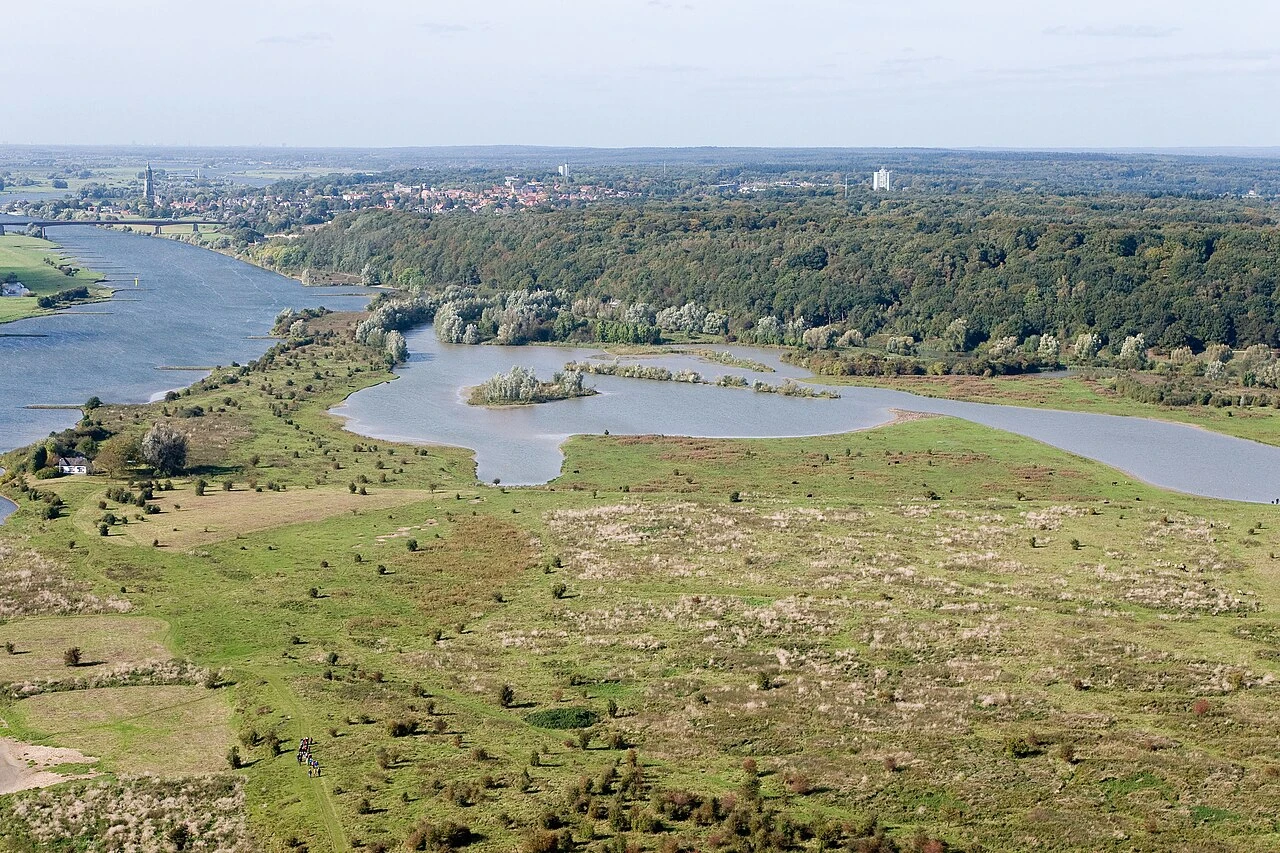
The Grebbeberg

The abatis of the Chasseurs Ardennais
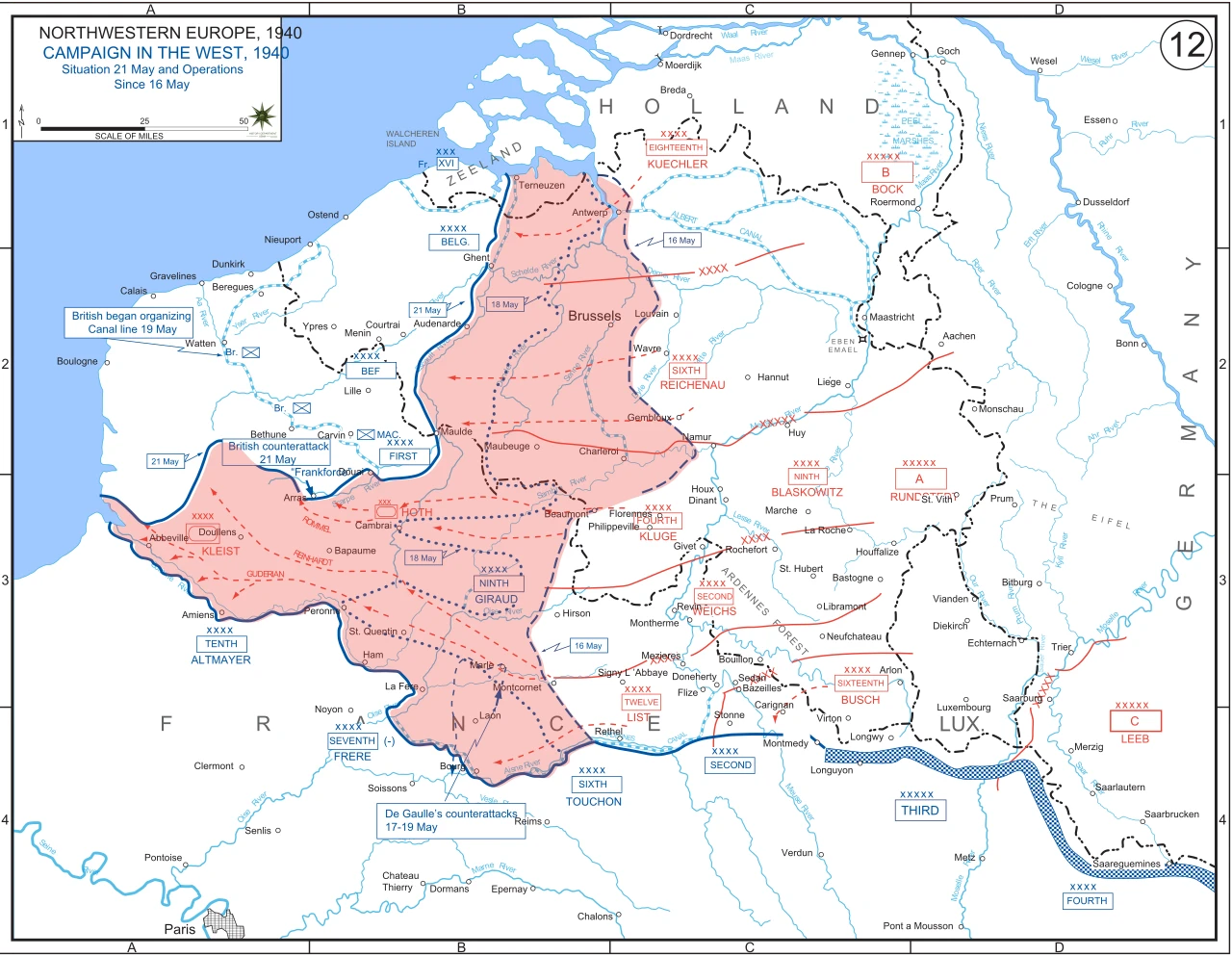
The Battle of the Lys
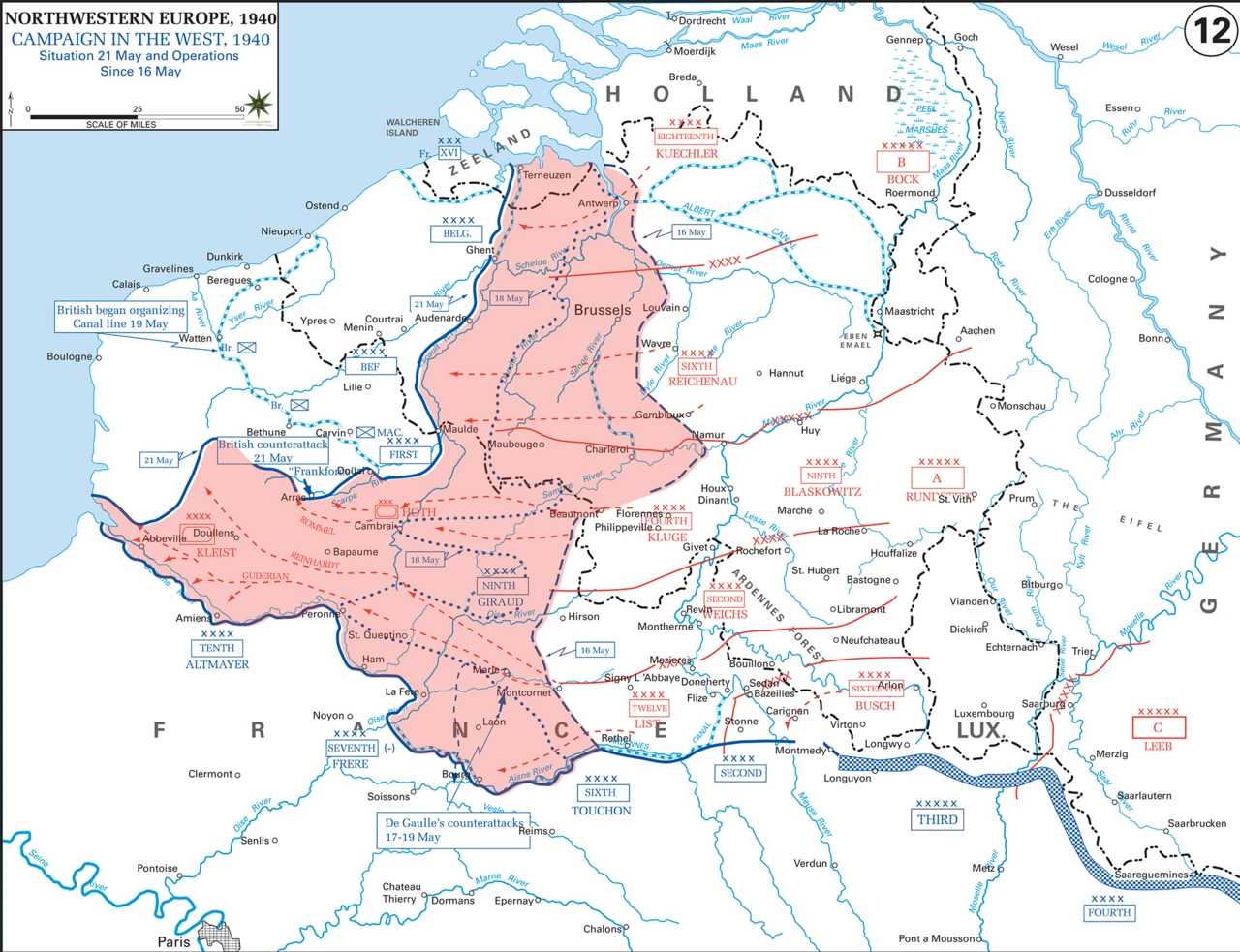
Boulogne — Fox-Pitt and the Guards facing the port
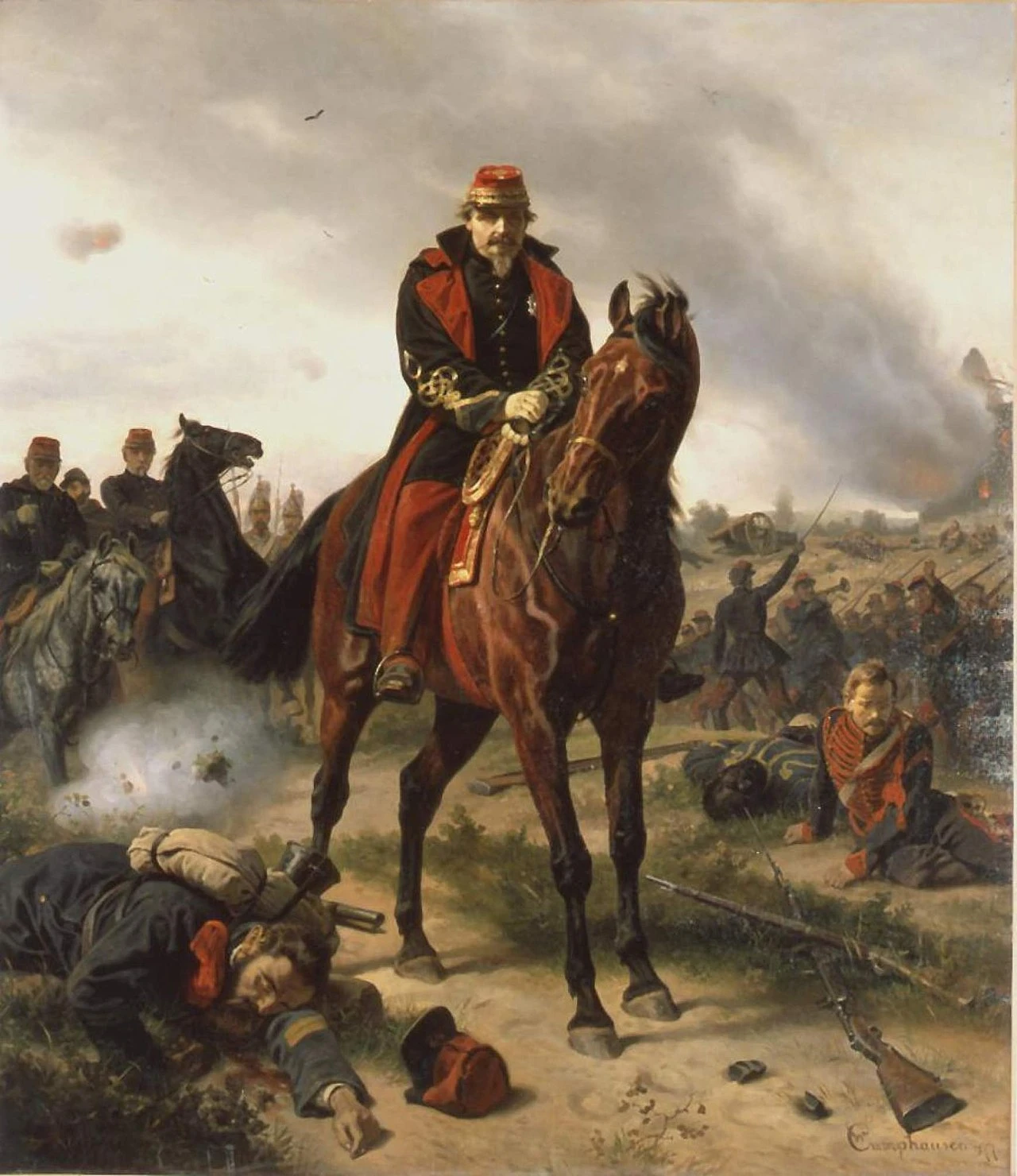
Bulson — Lafontaine and the 02:00 rumour
The Defence of Boulogne

The bridges of the Meuse
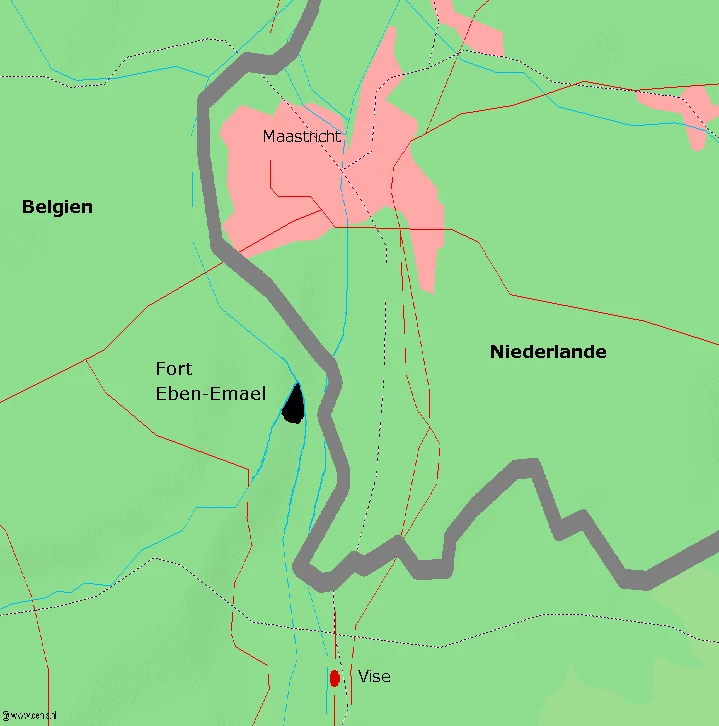
Eben-Emael — Jottrand under the explosions
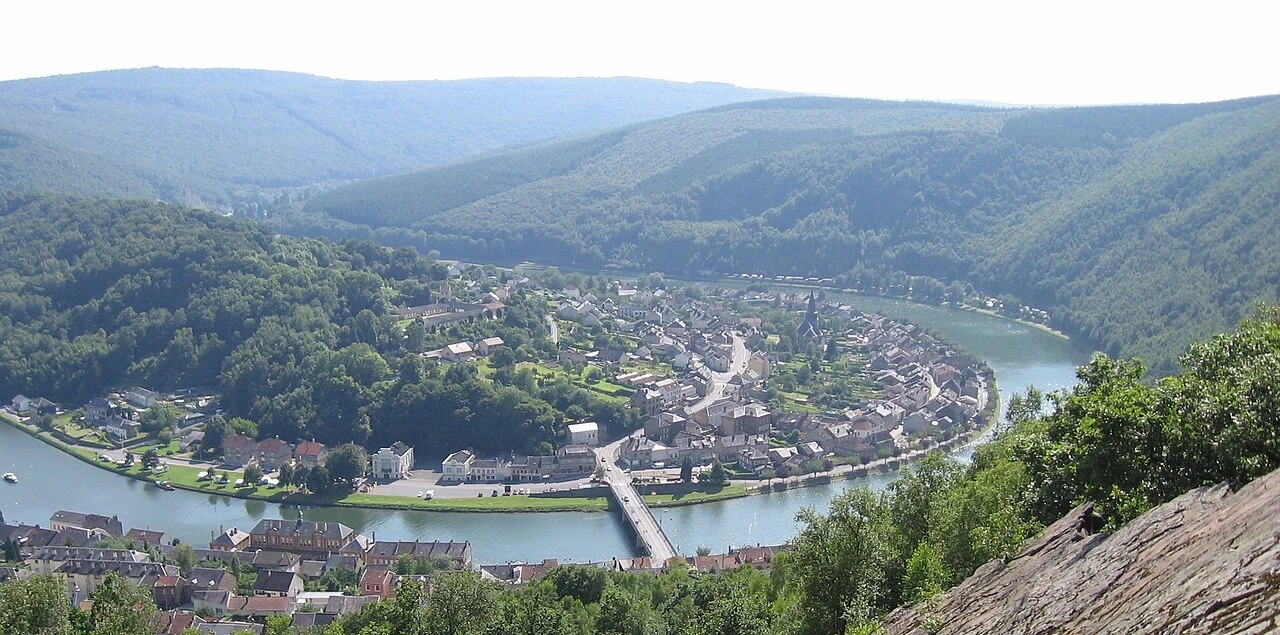
Monthermé — Portzert in the Meuse loop
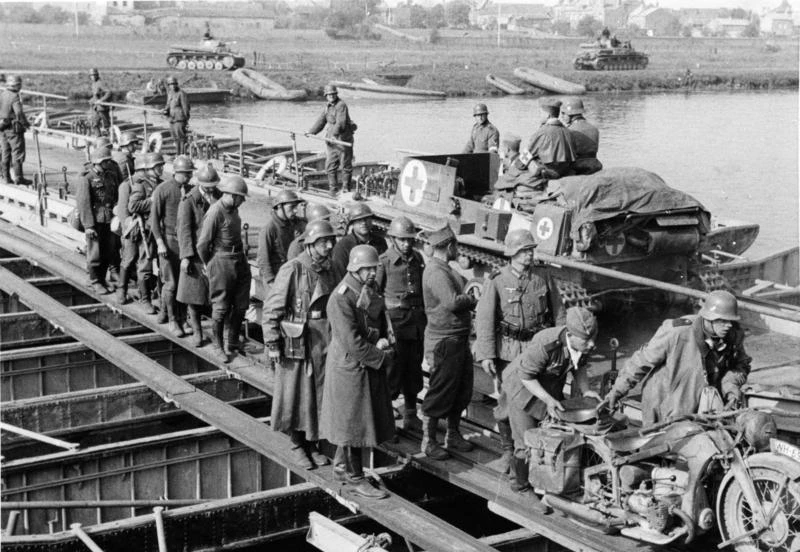
The panic of Bulson
The Grebbeberg
The abatis of the Chasseurs Ardennais
The Battle of the Lys
Boulogne — Fox-Pitt and the Guards facing the port
Bulson — Lafontaine and the 02:00 rumour
The Defence of Boulogne
The bridges of the Meuse
Eben-Emael — Jottrand under the explosions
Monthermé — Portzert in the Meuse loop