
On 17 June 1940, General , an Under-Secretary of State in the fallen Reynaud government, made his way to London rather than accept the armistice requested by Pétain. An officer virtually unknown to the general public, with no troops and no mandate, he had one platform: British radio, the BBC.
The dilemma carried heavy personal and national consequences. To launch a public appeal to continue the war was to set himself against the lawful government of his country — an act that Vichy would describe as treason, punishable by death. To remain silent was to resign himself to defeat. Many other officers, although hostile to the armistice, would choose silence or discipline.
De Gaulle could launch a public appeal on the airwaves to call on the French to continue the fight. To rally discreetly to the British war effort without exposing himself. Or to return to France to submit to the hierarchy and the new power. On this choice would depend the very existence of a "Free France" and the possibility, for the country, of figuring among the victors.
Should de Gaulle launch a public appeal to continue the war, rally discreetly, or return and submit?
De Gaulle chose A: on 18 June 1940, he launched on the BBC his appeal to continue the fight, affirming that "the flame of French resistance must not go out and will not go out". Heard at the time by very few French people, the appeal became the founding act of Free France. Condemned to death in absentia by Vichy, de Gaulle gradually gathered rallying support (territories of the empire, volunteers, naval forces) and established himself as the figure of fighting France. The appeal of 18 June moved France from the camp of the defeated to that of the future victors — one of the most consequential acts in modern French history.
Learn more about this event
Related polls
10
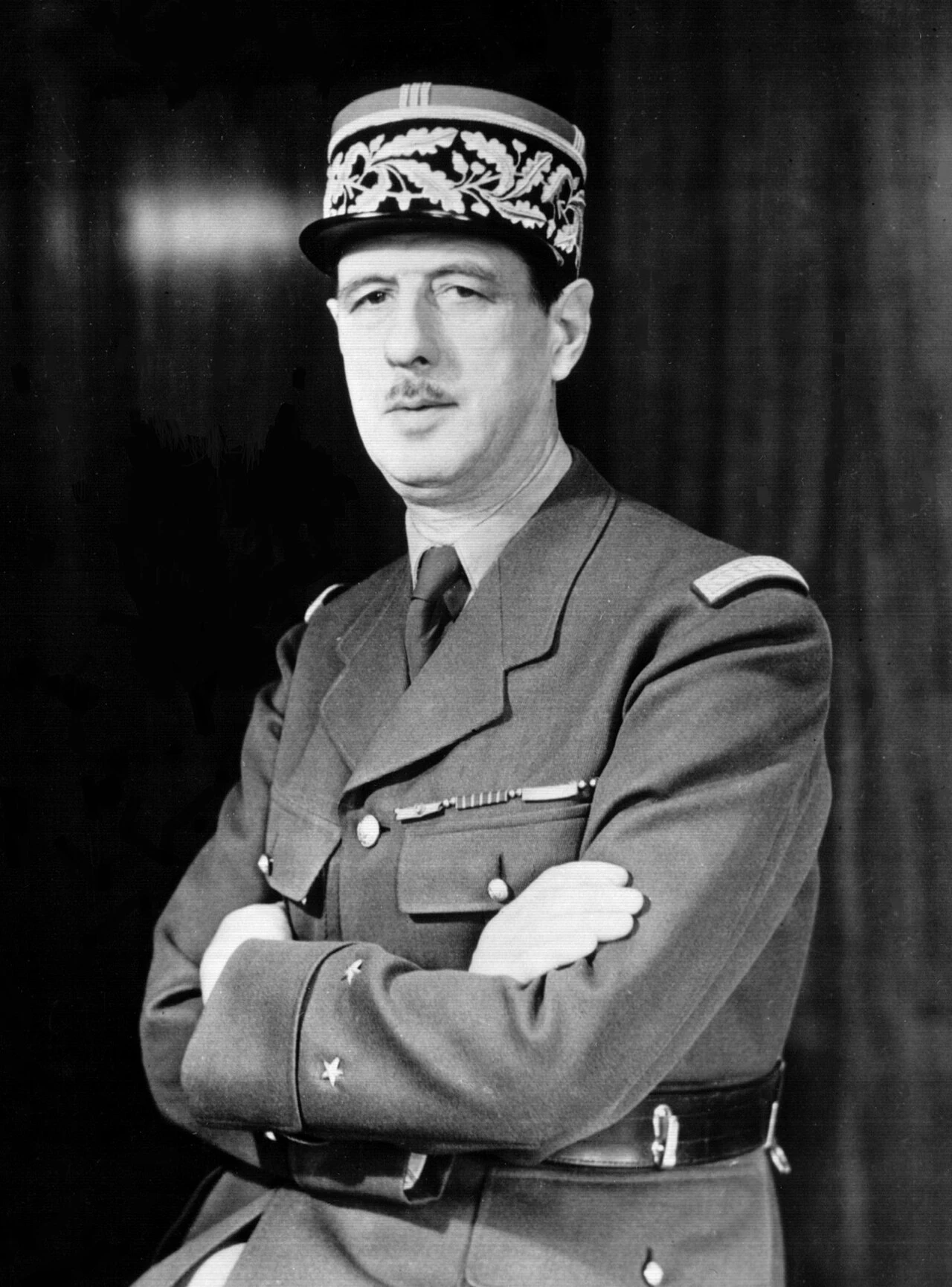
De Gaulle at the BBC microphone — 18 June, 18:00
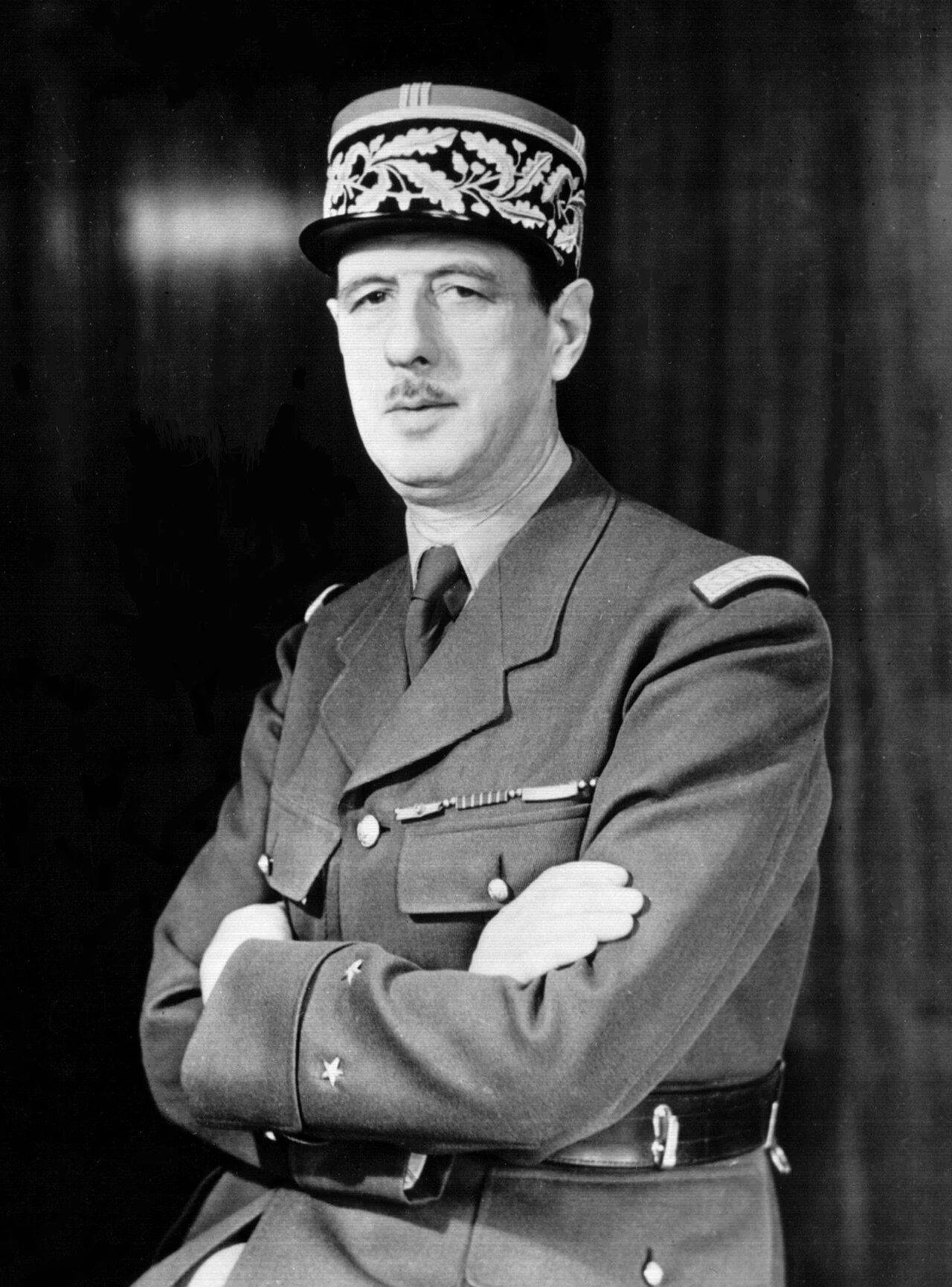
De Gaulle calls on Churchill — 9 June
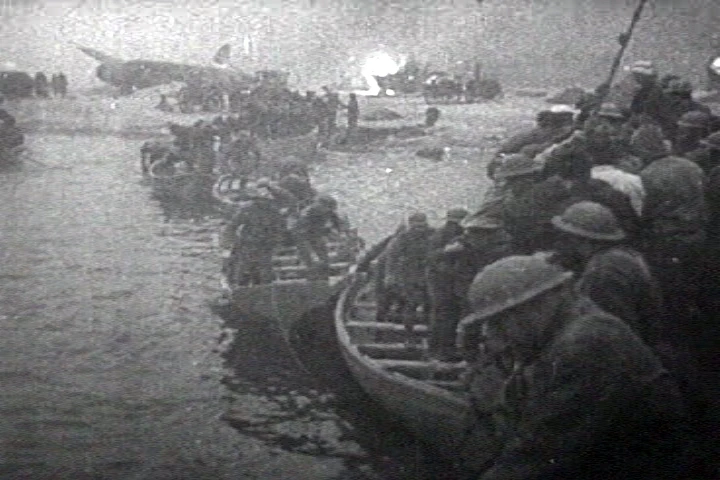
Ramsay — Dover, 14:23
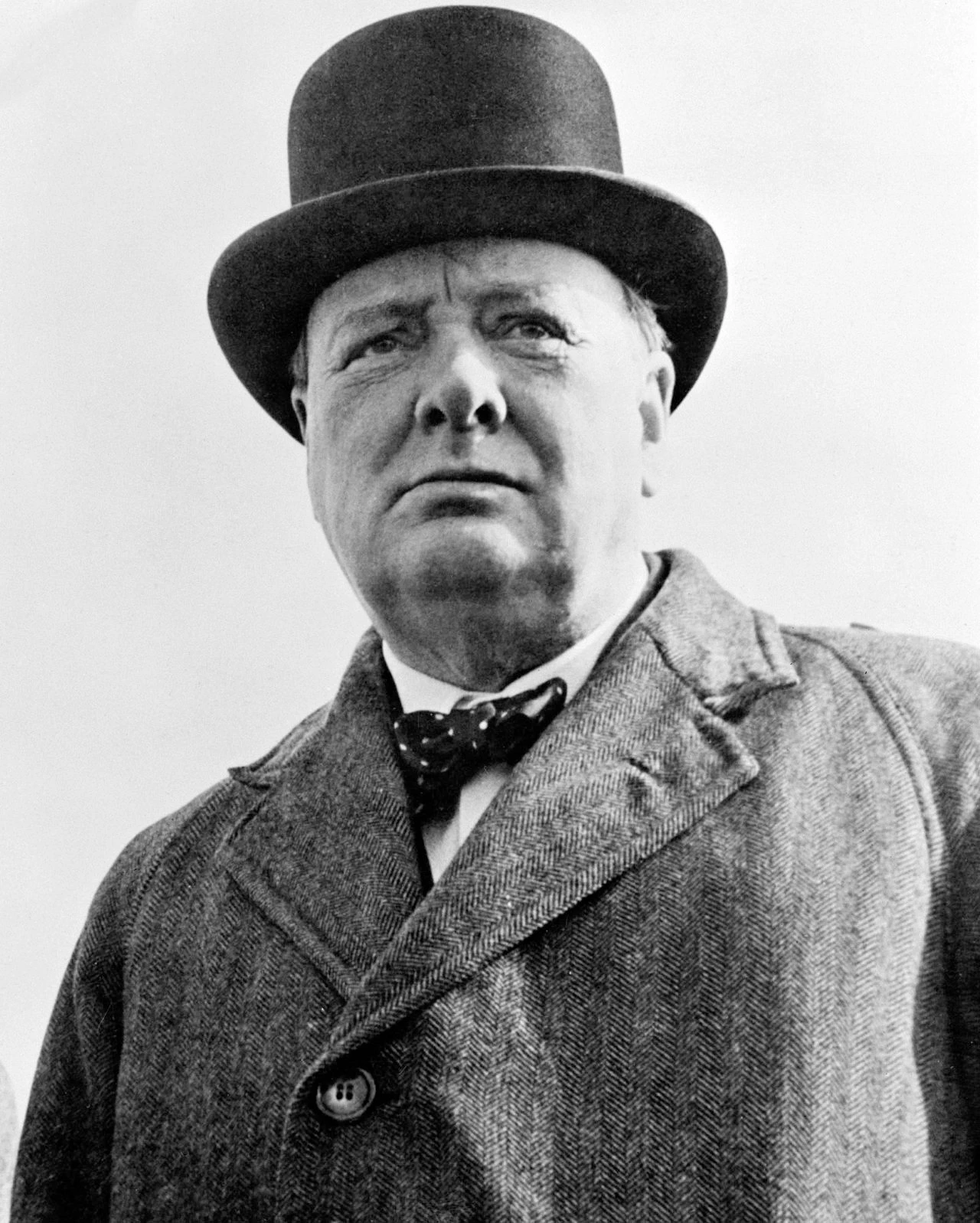
Churchill in power
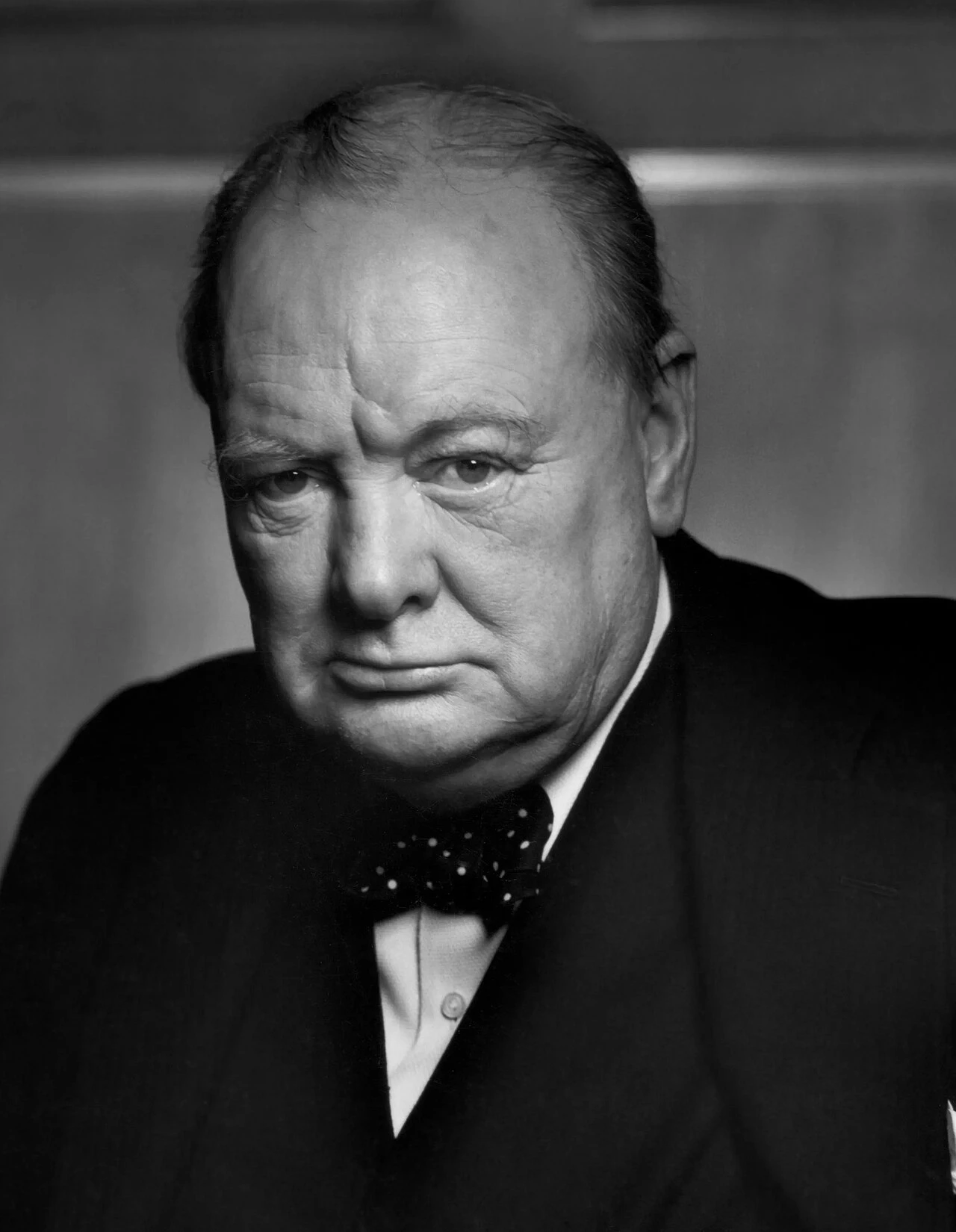
Churchill before the 25 ministers — 28 May 18:00
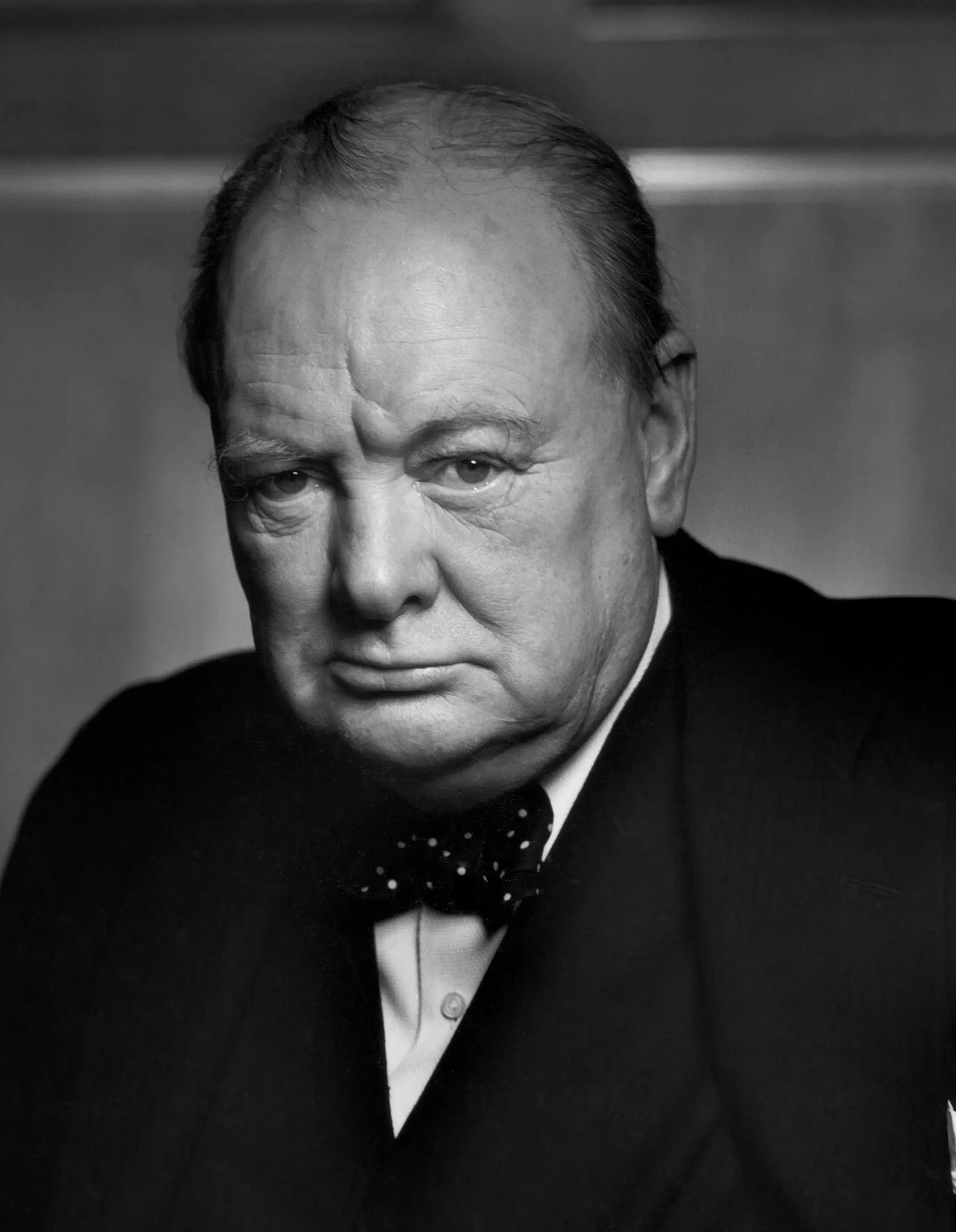
Churchill before the Commons — 4 June
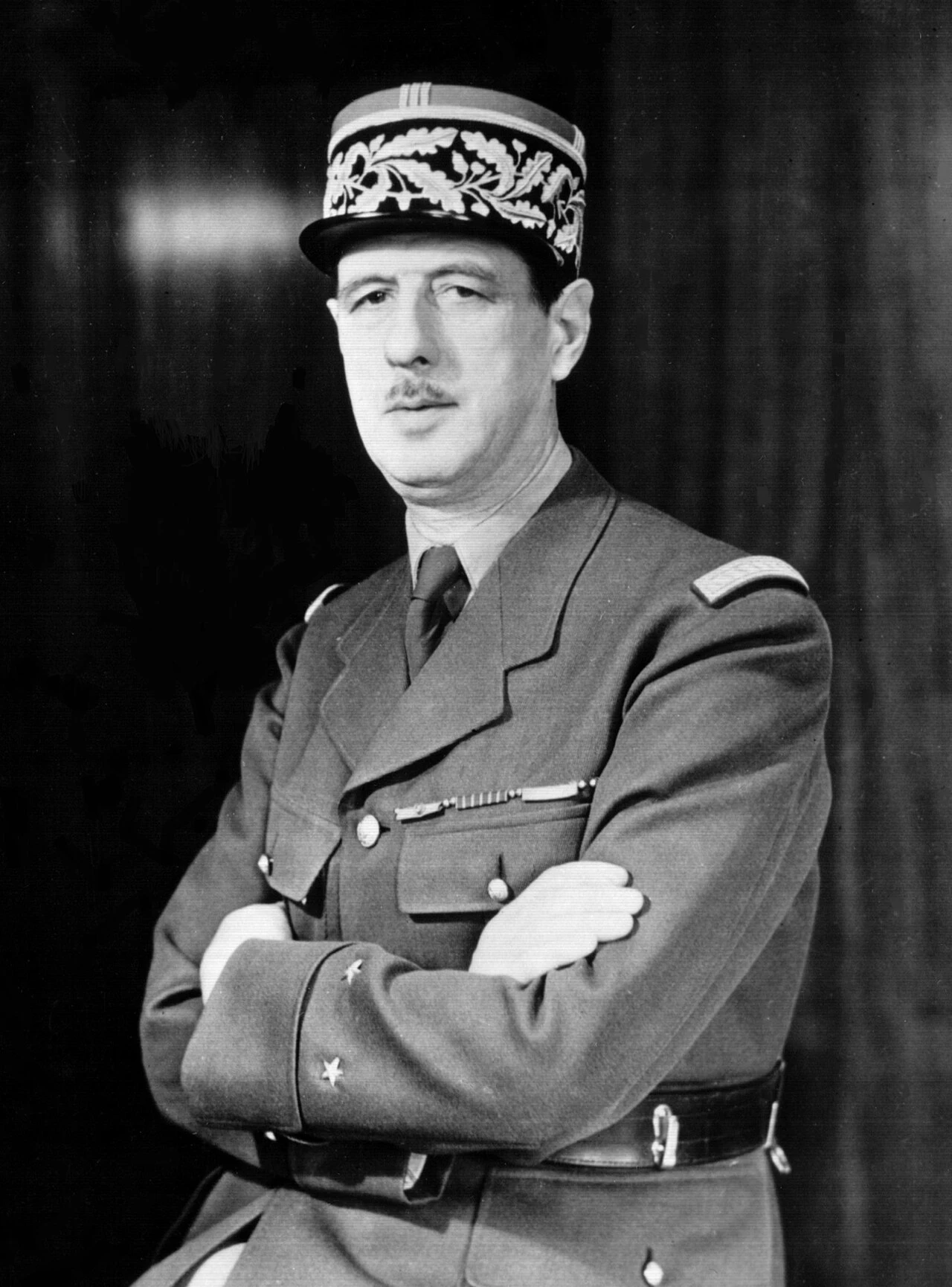
De Gaulle joins the government — 5 June
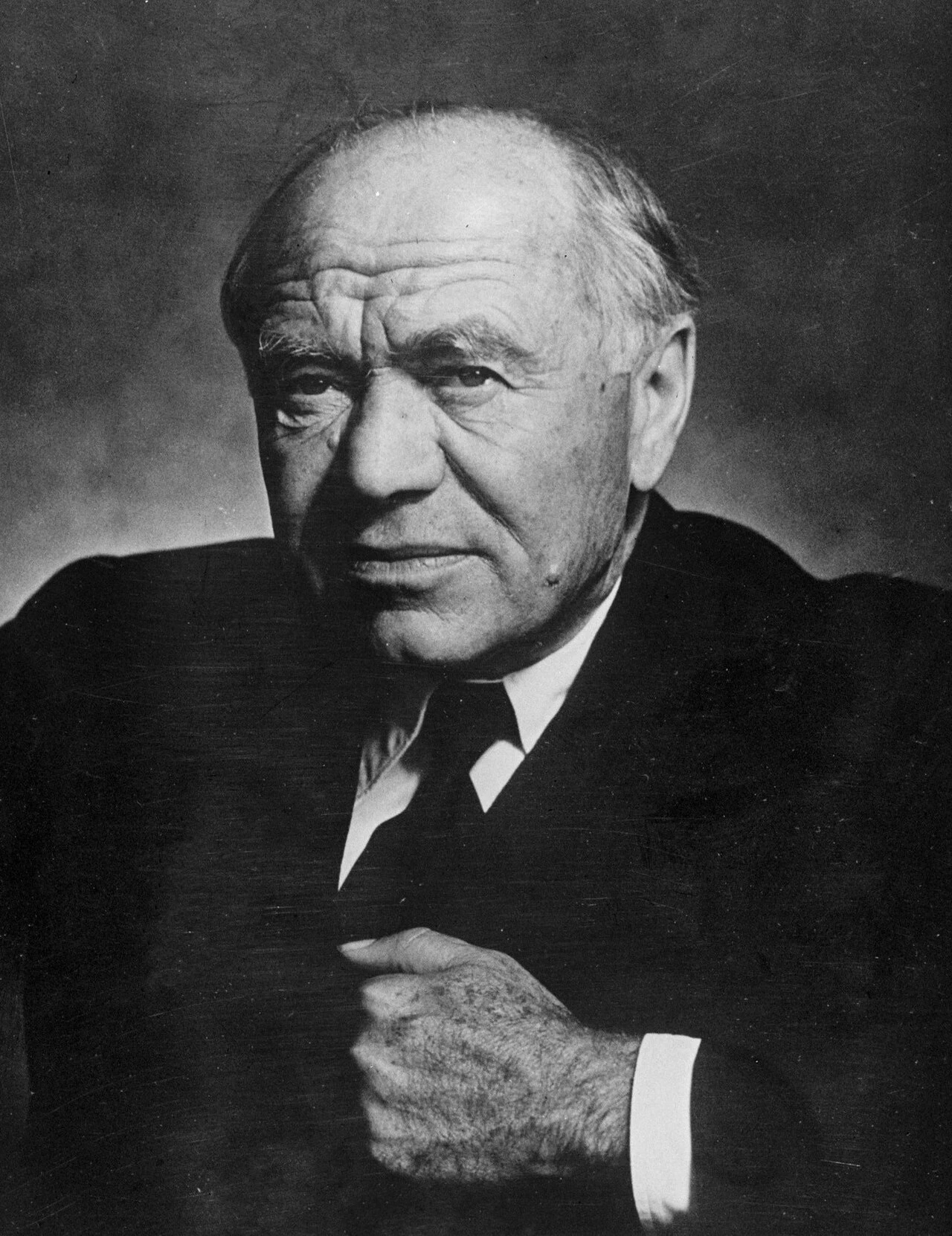
Casting Out the Victors — Air Ministry, November 1940
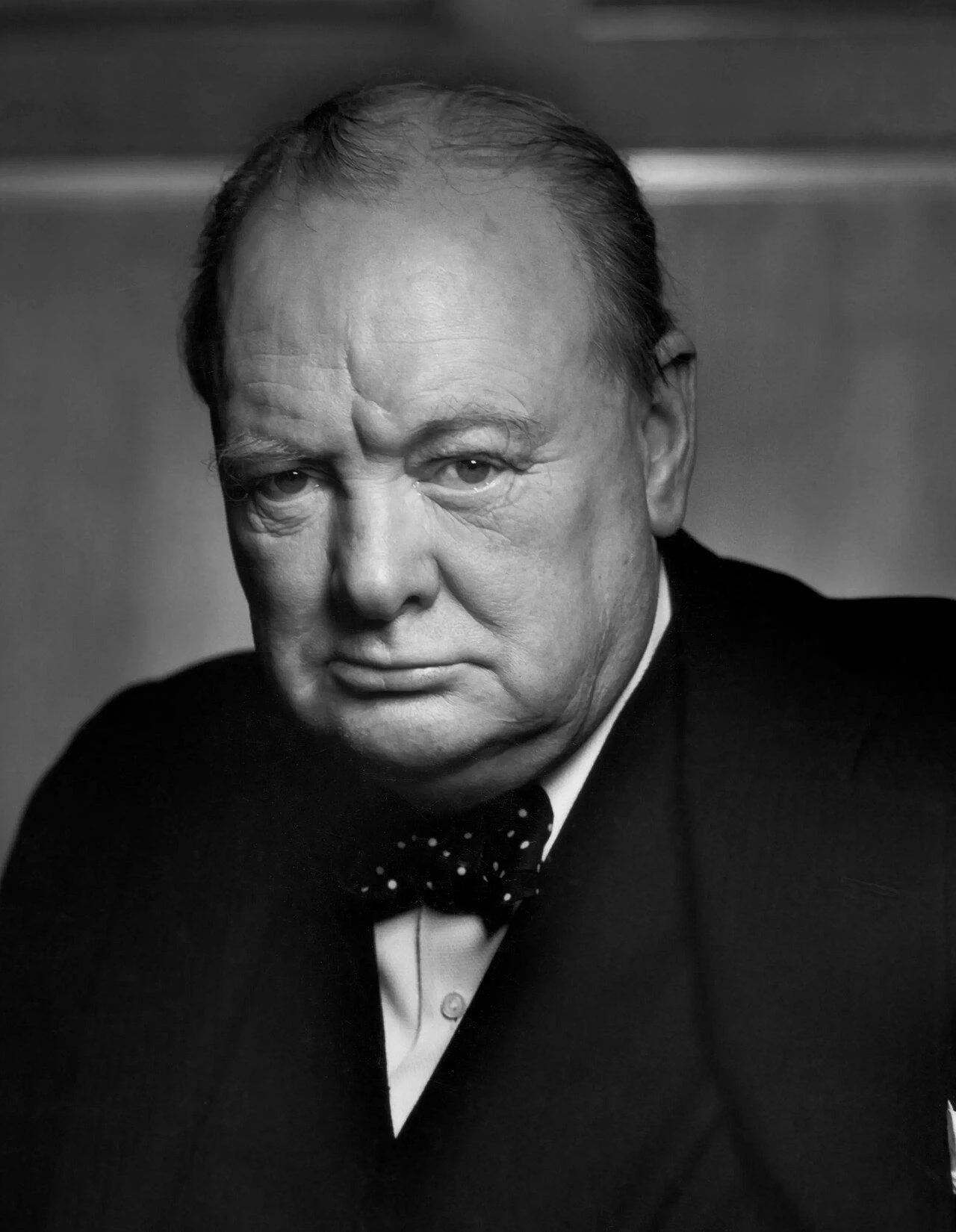
Halifax at the War Cabinet — 25 May 18:00
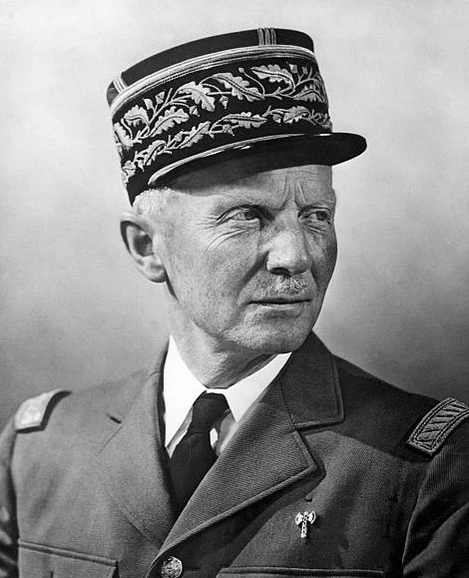
Huntziger in Foch's Carriage — 22 June
De Gaulle at the BBC microphone — 18 June, 18:00
De Gaulle calls on Churchill — 9 June
Ramsay — Dover, 14:23
Churchill in power
Churchill before the 25 ministers — 28 May 18:00
Churchill before the Commons — 4 June
De Gaulle joins the government — 5 June
Casting Out the Victors — Air Ministry, November 1940
Halifax at the War Cabinet — 25 May 18:00