
René Cassin Reaches London — 29 June
, 52, is professor of international law at the Sorbonne, former French delegate to the League of Nations and a figure in the veterans' movement — he is himself disabled from the Great War. Jewish and deeply republican, he refuses the armistice. In late June 1940, he is in the South-West, near the border.
After hearing de Gaulle on the radio, he decides to reach London. He embarks for England and arrives on 29 June. De Gaulle receives him at once and offers him the legal responsibility of Free France: to give a legal basis to a movement that, at this stage, is only an isolated general and a few volunteers.
For Cassin, the stakes are immense. To accept is to break completely with Vichy, which will consider him a traitor, and to commit his name and competence to an uncertain adventure. Free France needs a solid legal framework to exist in the face of states; he alone, or almost, can provide it.
Should Cassin accept on the spot the legal role that de Gaulle offers him?
Cassin chooses A. He drafts with de Gaulle the agreement of 7 August 1940 between Churchill and de Gaulle, which gives Free France its first recognised legal basis. Becoming one of the chief jurists of Fighting France, after the war he will be Vice-President of the Council of State (1944-1960), then one of the principal drafters of the Universal Declaration of Human Rights adopted in 1948. He will receive the Nobel Peace Prize in 1968 and enter the Panthéon in 1987. His rallying on 29 June 1940 illustrates the diversity of the first Free French — here a jurist who brings to the nascent movement what it most lacks: the legitimacy of the law.
Learn more about this event
Related polls
10
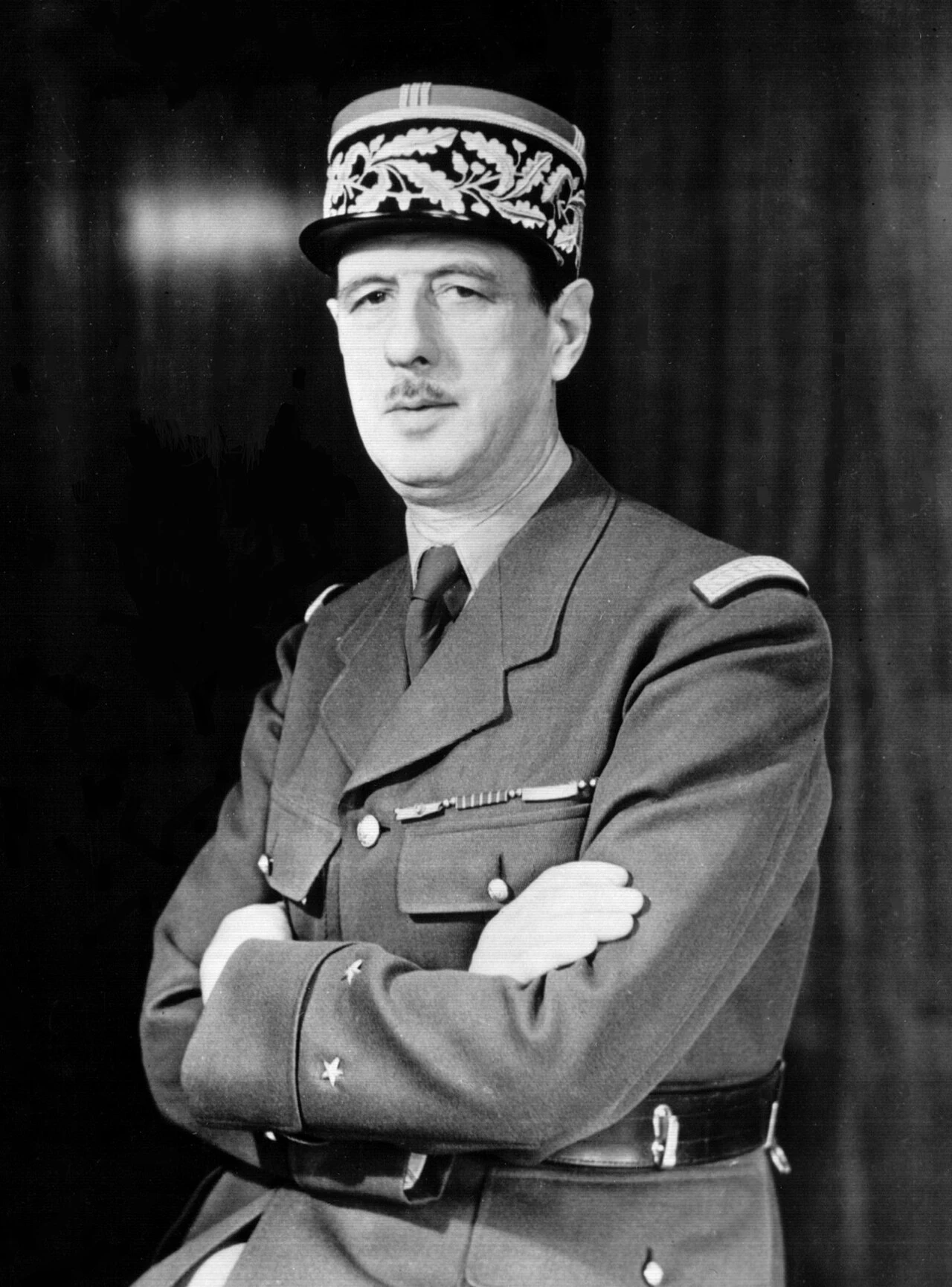
De Gaulle at the BBC microphone — 18 June, 18:00
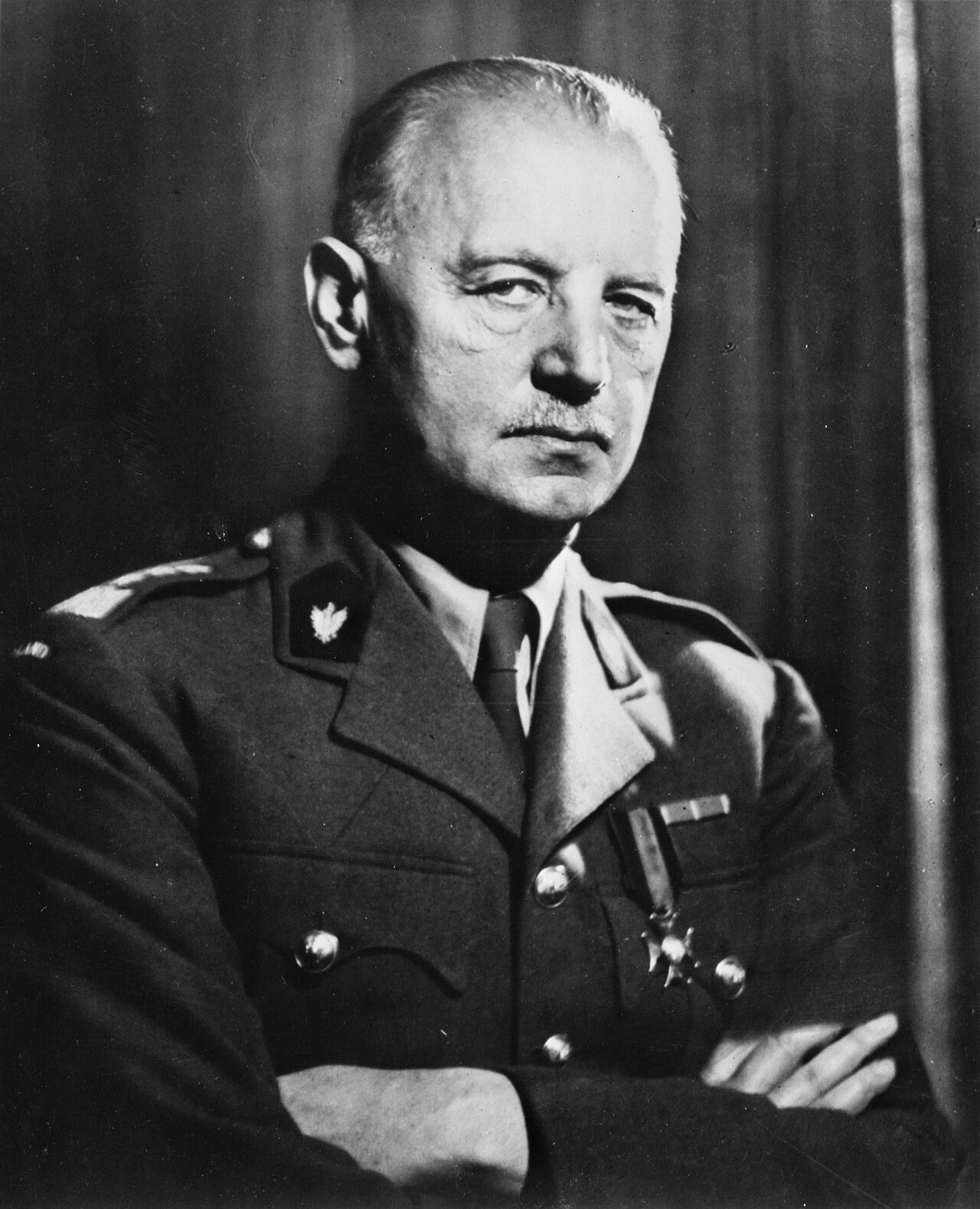
Sikorski leaves Bordeaux — 18 June
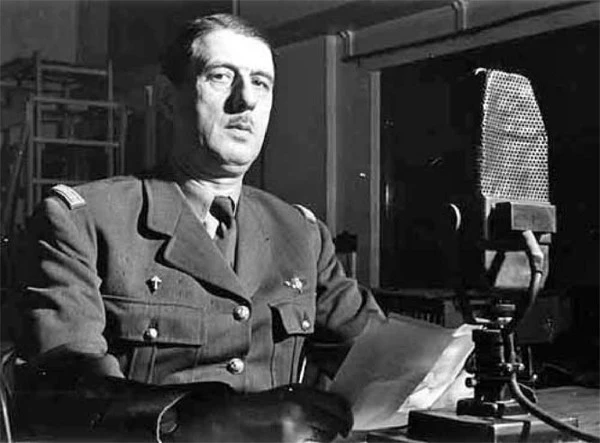
The Appeal of 18 June
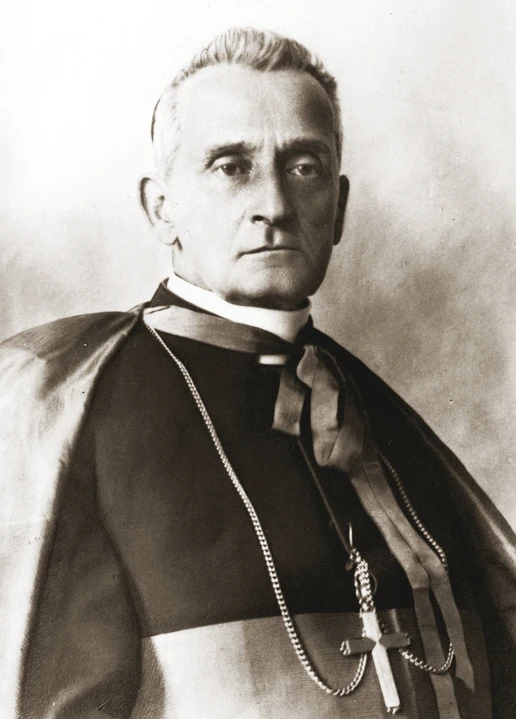
Cardinal Sapieha — Krakow under Occupation
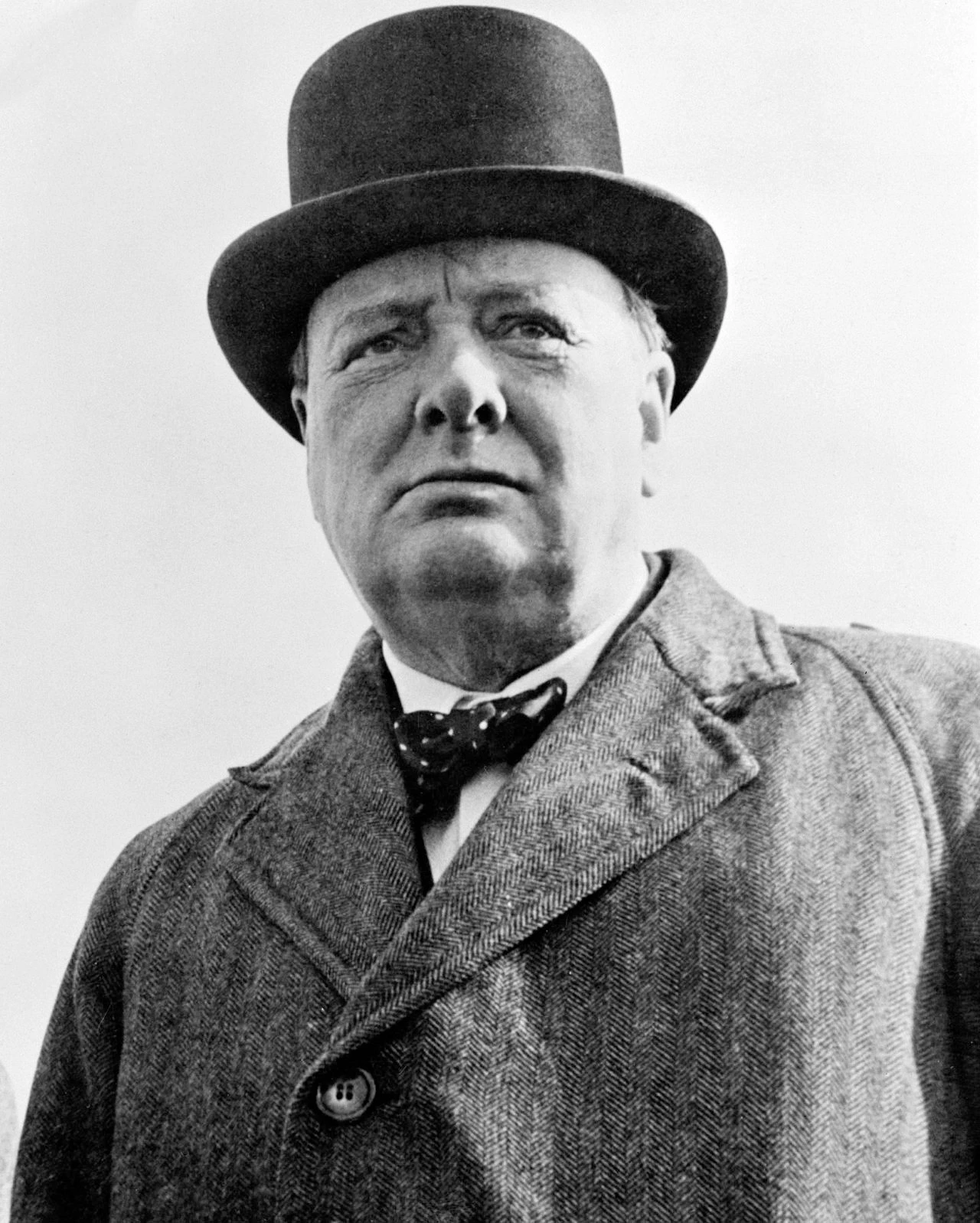
Churchill in power
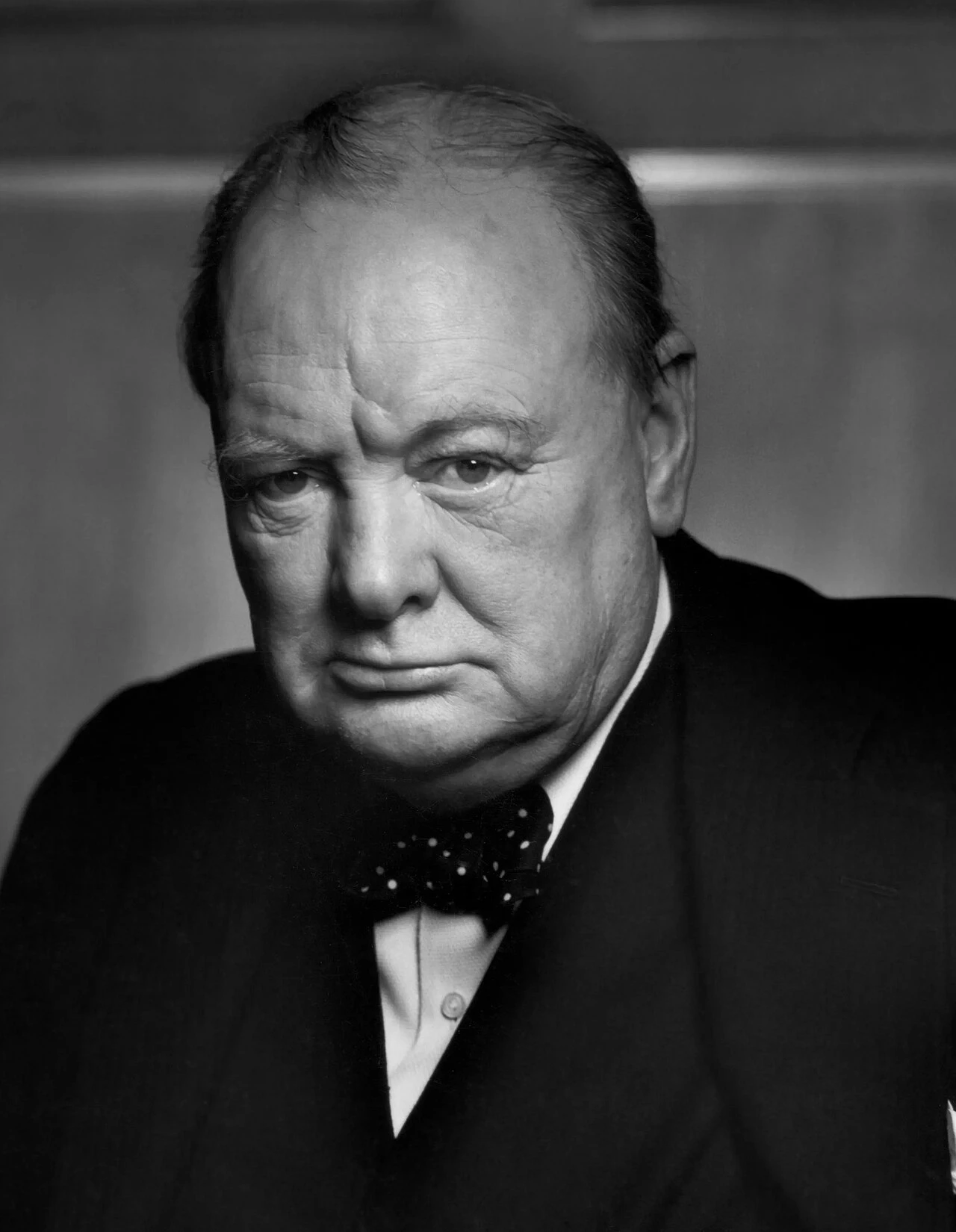
Churchill before the 25 ministers — 28 May 18:00
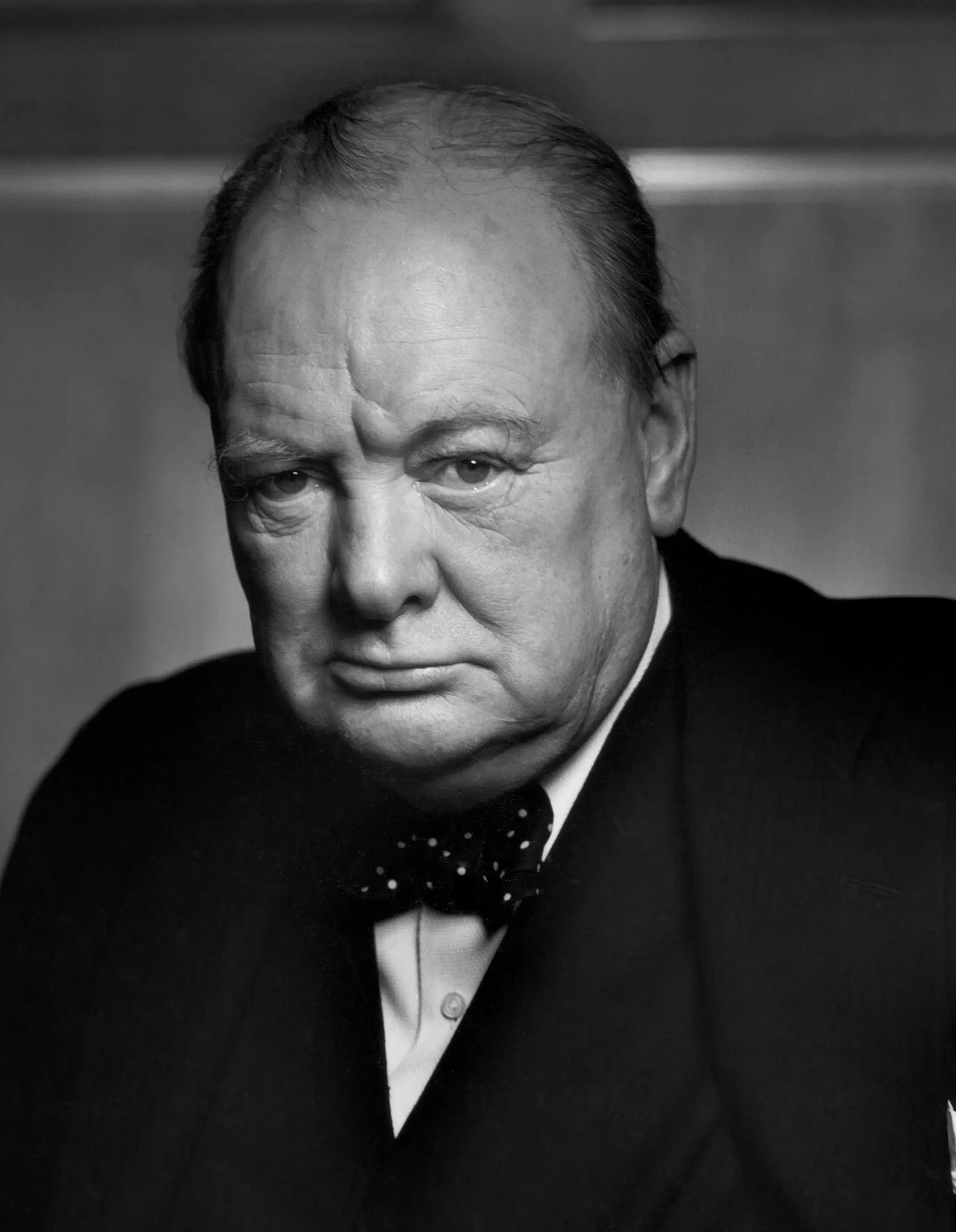
Churchill before the Commons — 4 June
Halifax at the War Cabinet — 25 May 18:00
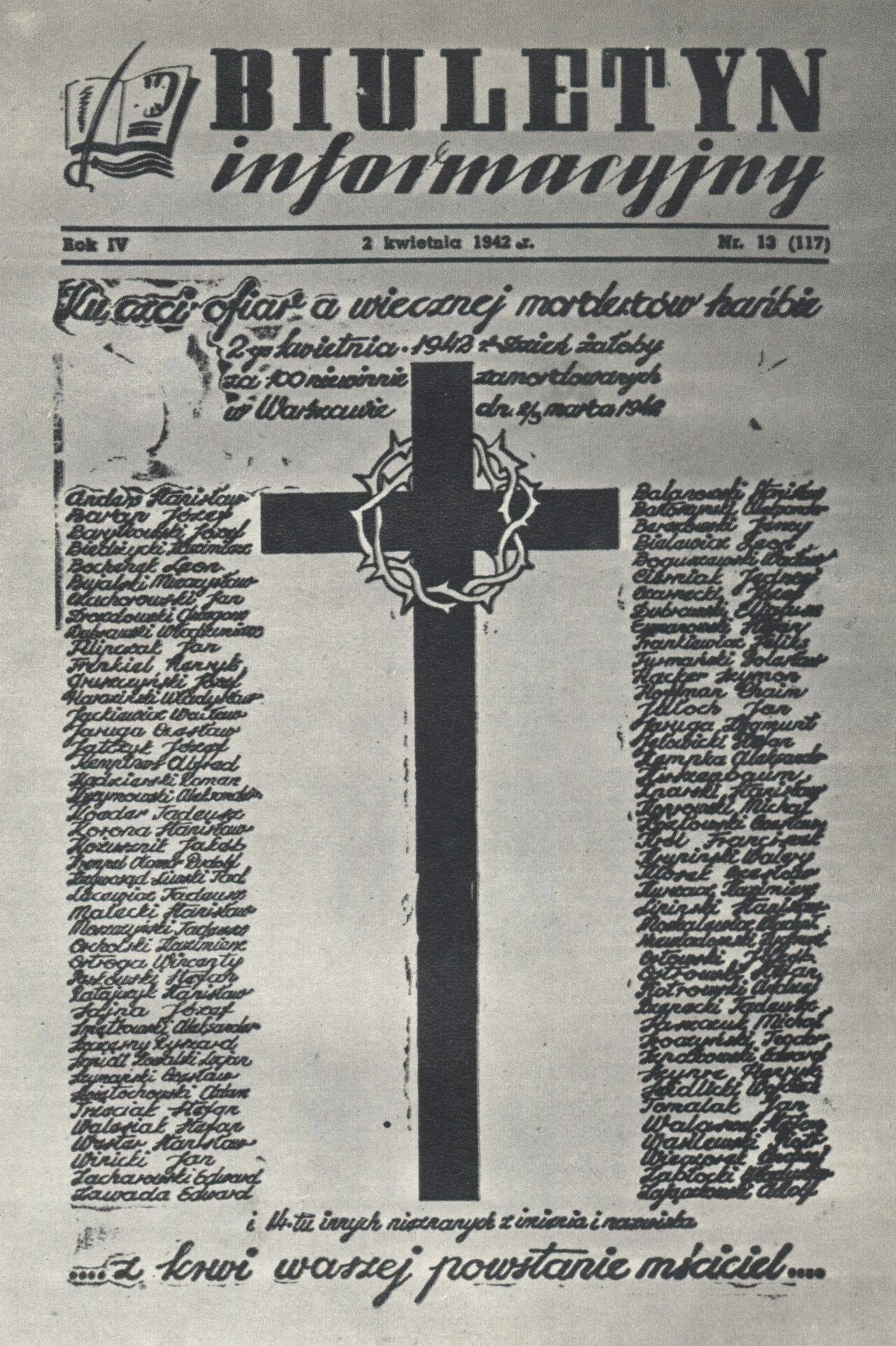
Kamiński and the Biuletyn — 5 November
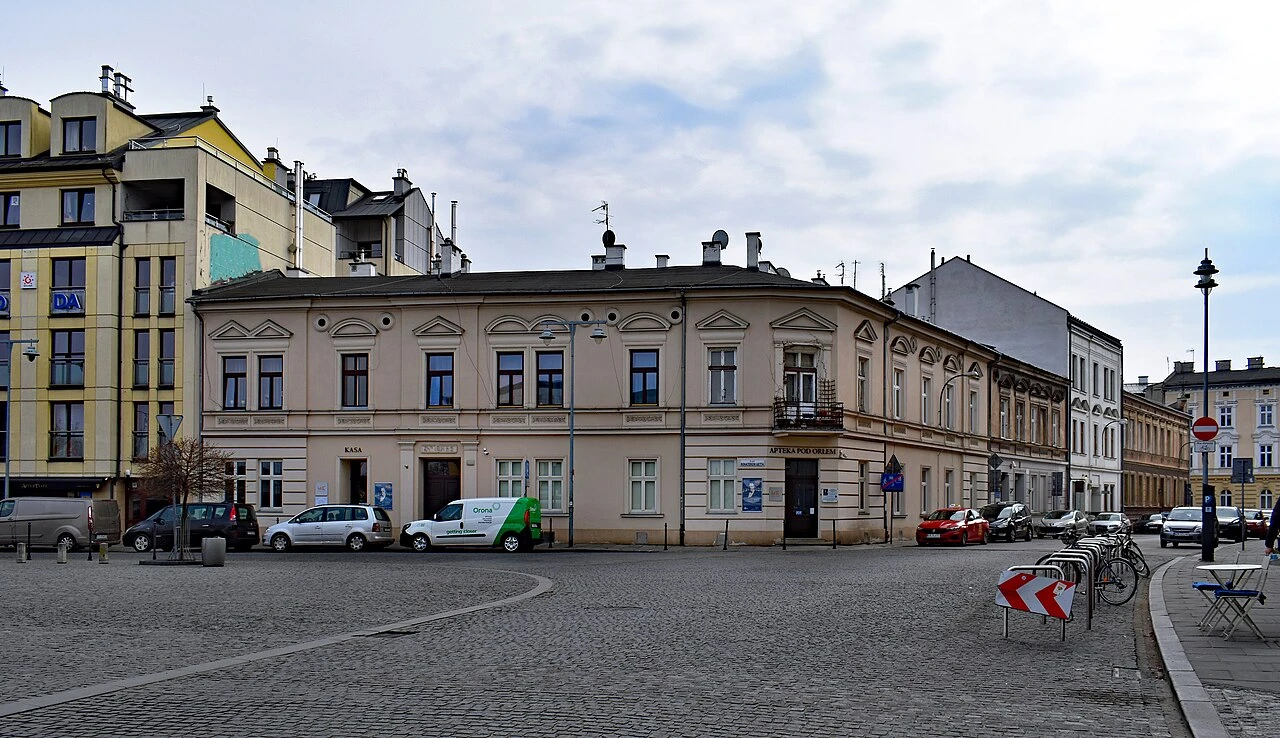
The apothecary of the Kraków Ghetto
De Gaulle at the BBC microphone — 18 June, 18:00
Sikorski leaves Bordeaux — 18 June
The Appeal of 18 June
Cardinal Sapieha — Krakow under Occupation
Churchill in power
Churchill before the 25 ministers — 28 May 18:00
Churchill before the Commons — 4 June
Halifax at the War Cabinet — 25 May 18:00
Kamiński and the Biuletyn — 5 November