
, 46, had been Prime Minister of Yugoslavia since February 1939 — the successor to (overthrown for excessive pro-Germanism). Cvetković represented the moderate Serbian line of the Yugoslav Radical Union. His main achievement had been the Cvetković-Maček Agreement of 26 August 1939 — the creation of the Banovina of Croatia (Croatian territorial autonomy), intended to pacify the Yugoslav national question. (Croatian Peasant Party) became Vice-Prime Minister.
At the end of 1939 Cvetković faced pressures from many sides: - Germany demanded agricultural deliveries (Yugoslavia supplied 12 percent of the wheat imported into the Reich) and threatened invasion in the event of a tilt towards the British-French Axis. - Italy claimed Dalmatia and the Trieste-Ljubljana area. - The United Kingdom pressed for a Balkan defensive alliance (the Balkan Pact of 1934). - Hungary claimed the Vojvodina. - Bulgaria claimed Macedonia.
Within the government, (Foreign Affairs) leaned to neutrality; the Regent Paul (Prince , 47, the uncle of the young King , then 16) preferred not to decide.
Cvetković had to choose a strategic orientation.
Should Cvetković accept a pro-German reorientation?
Cvetković applied B. Throughout the winter of 1939-1940 agricultural deliveries to Germany were maximised (in exchange for loans in marks, a heavy debt contracted). But political neutrality was maintained. In the spring of 1940 Cvetković signed a commercial treaty with the USSR (June 1940 — the first Soviet recognition of the Yugoslav kingdom since 1918). By the summer of 1940, after France fell, the position became untenable. On 25 March 1941, under German threat, Cvetković signed the Tripartite Pact joining the Axis. Forty-eight hours later (27 March 1941): a military coup in Belgrade led by General ; the Regent Paul was overthrown; the young King declared of age. Cvetković was arrested. On 6 April 1941 Hitler invaded Yugoslavia. Collapse in 11 days. Cvetković went into exile in Bulgaria, then France, and died in Paris in 1969.
Learn more about this event
Related polls
10
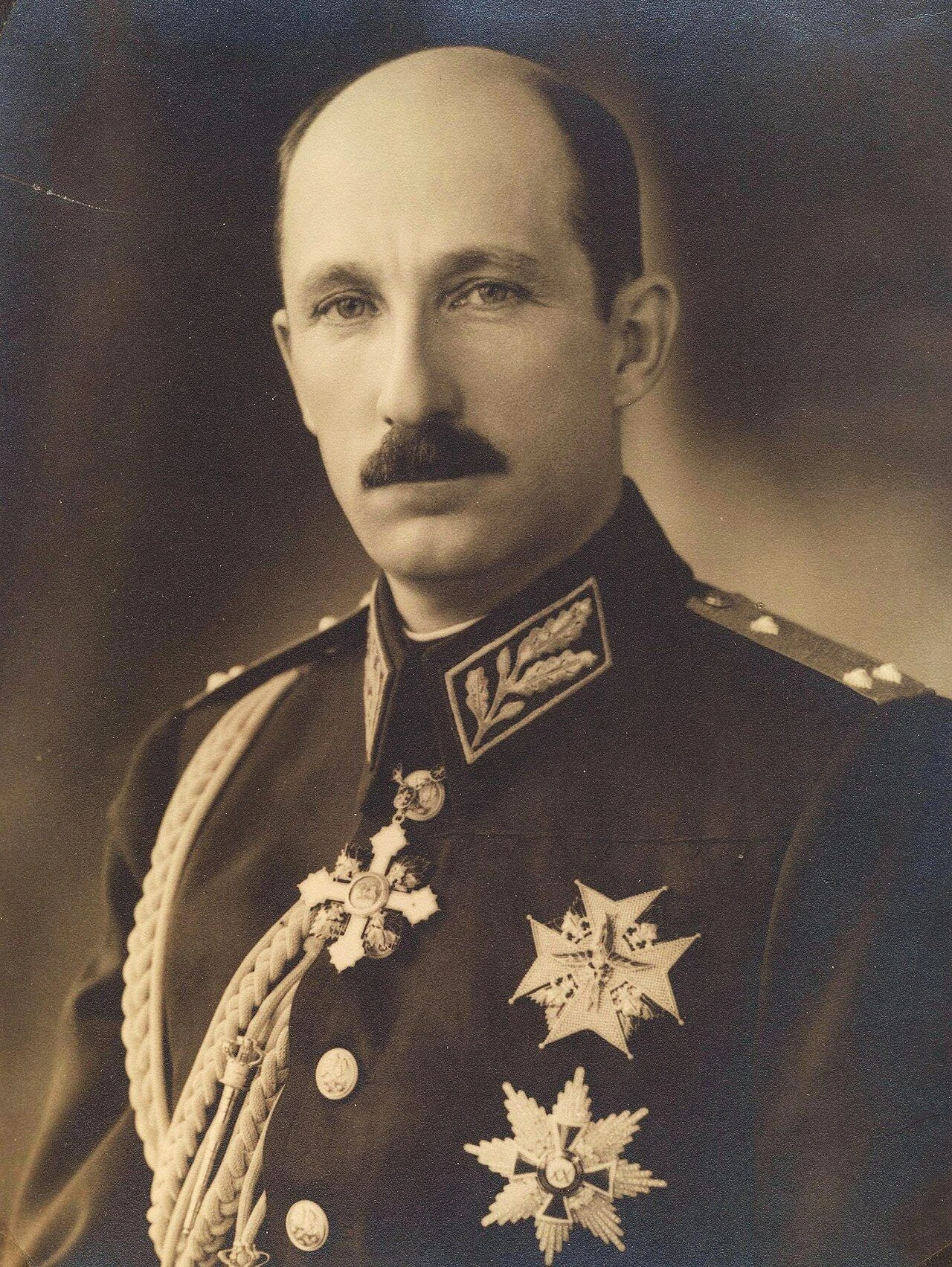
Boris III — the Bulgarian balancing act
Carol II in Bucharest — the Romanian balance
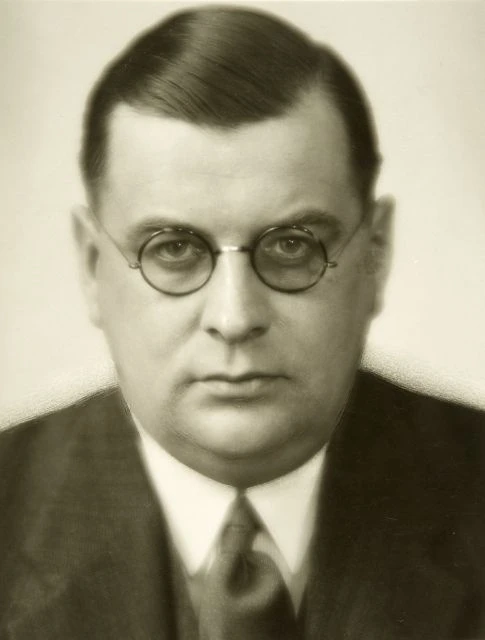
Erkko — the minister of 1 December
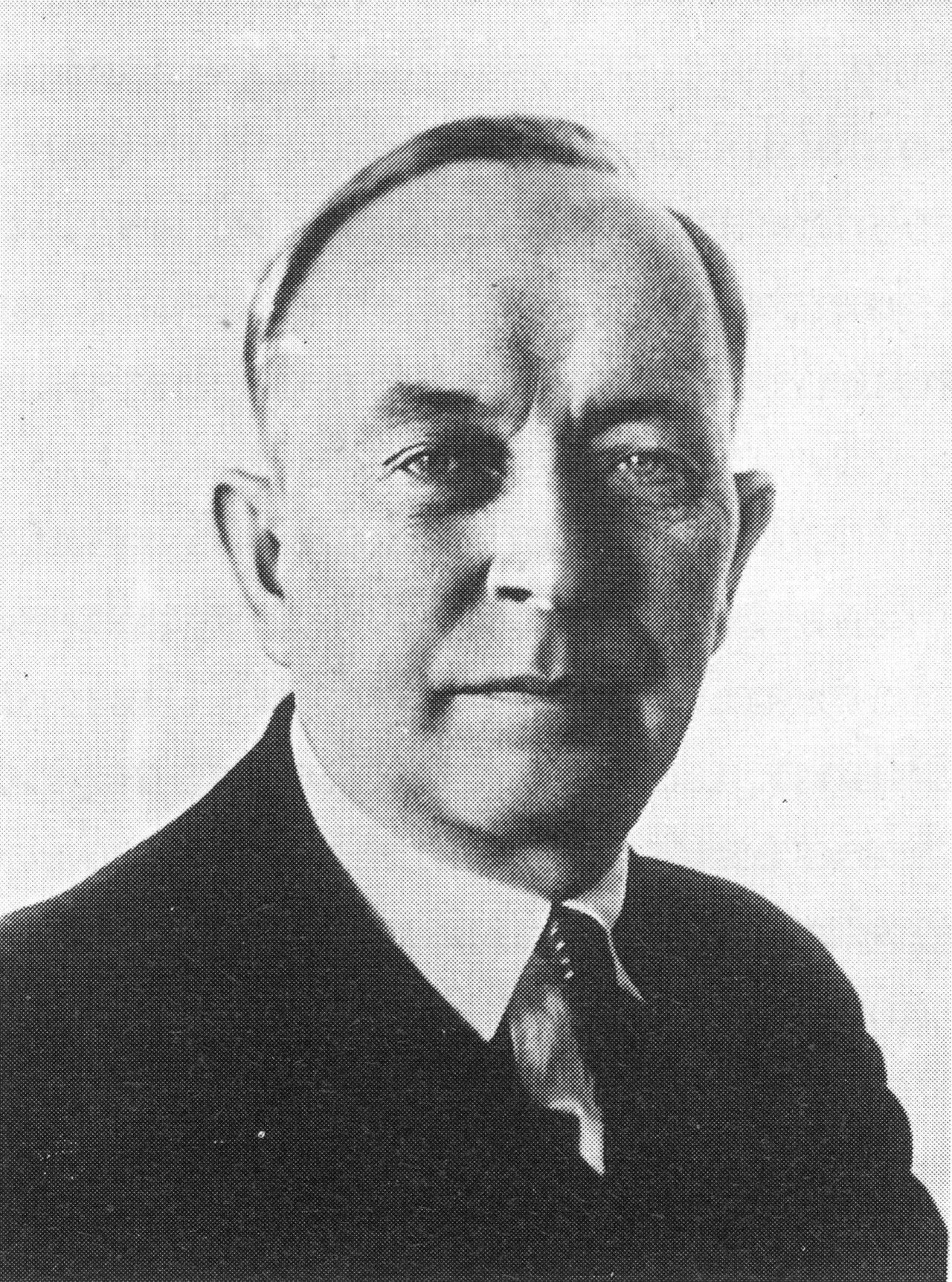
Kuusinen — Terijoki, 1 December
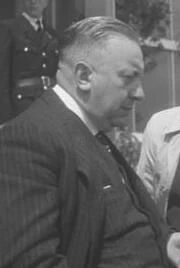
Müller in Rome — the Vatican channel
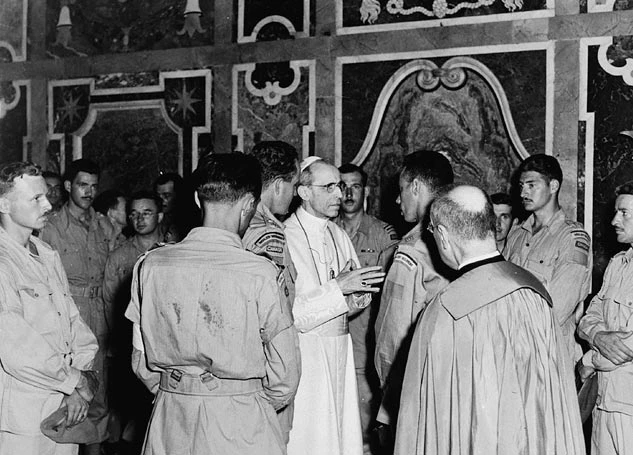
Pius XII — the Christmas allocution
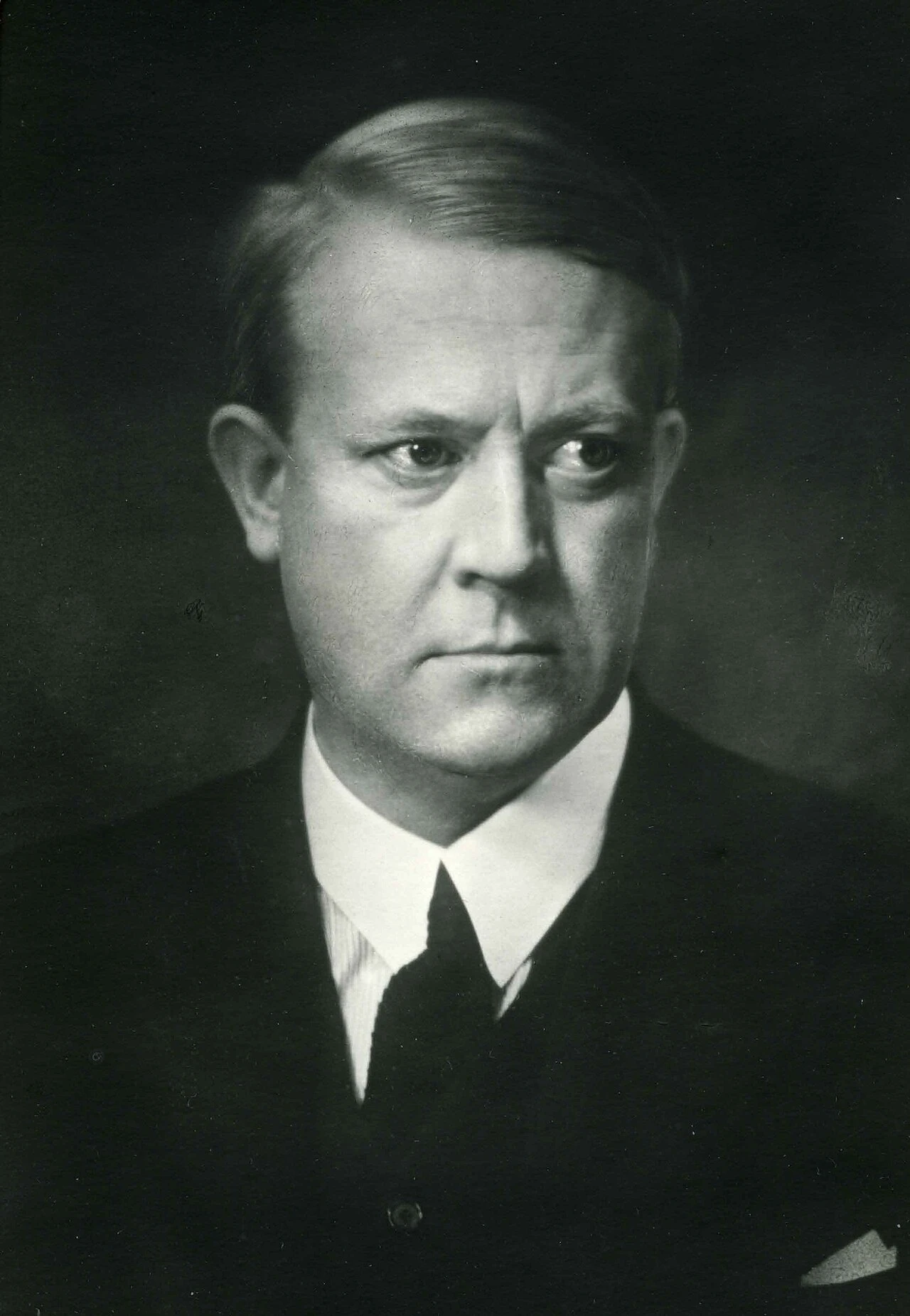
Quisling in Berlin — facing Rosenberg
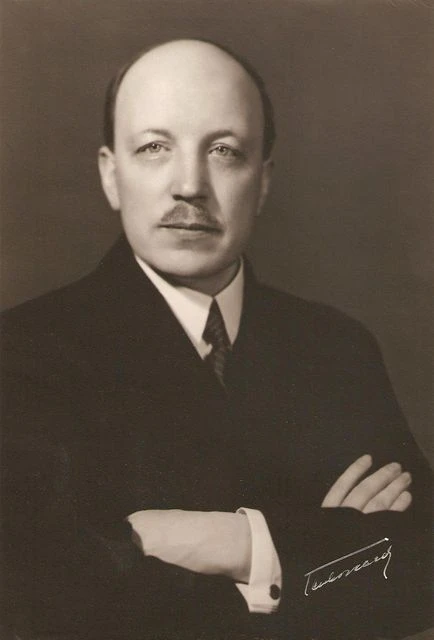
Ryti — Prime Minister on 2 December
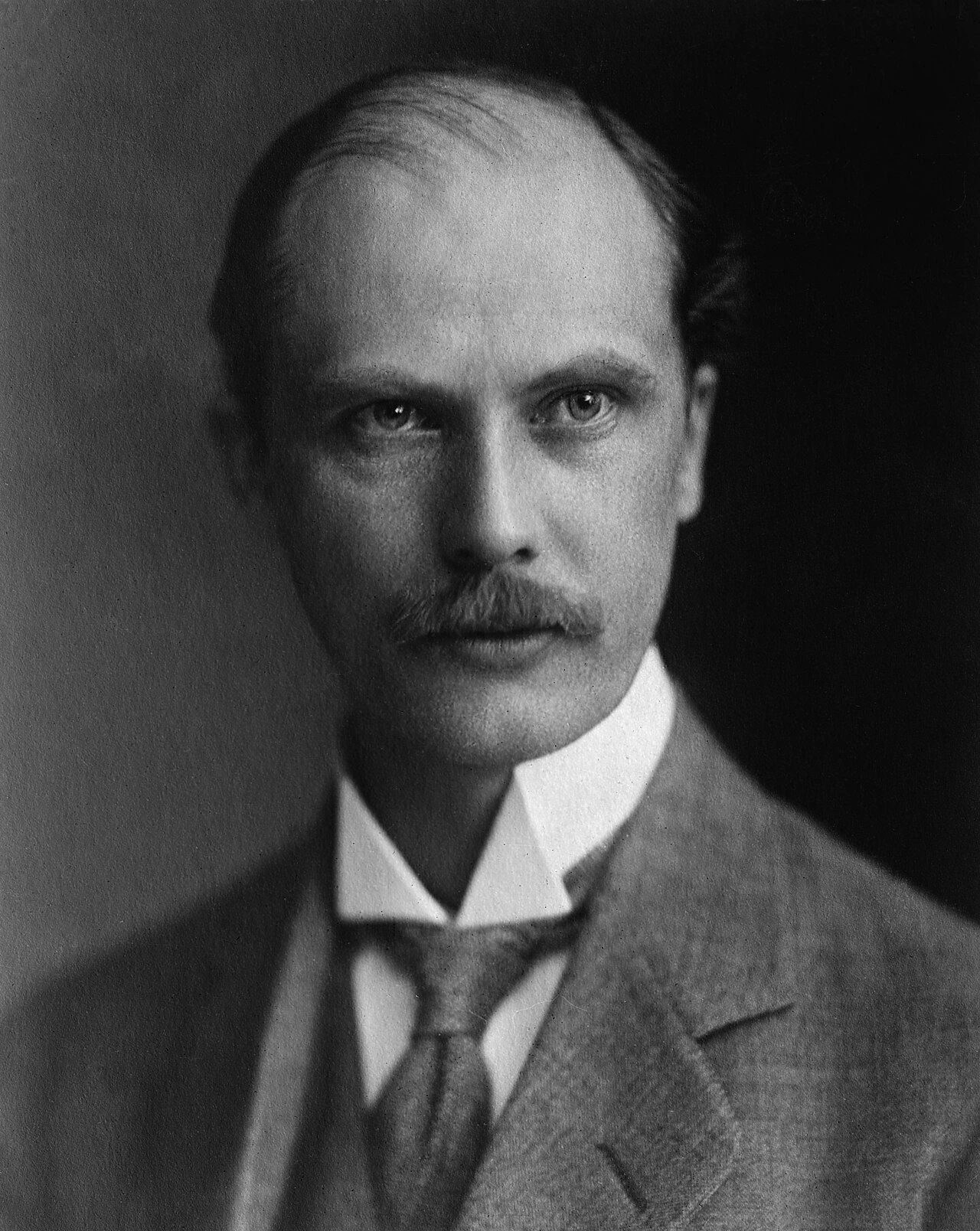
Sandler against the Hansson Council
The League of Nations faces Soviet aggression
Boris III — the Bulgarian balancing act
Carol II in Bucharest — the Romanian balance
Erkko — the minister of 1 December
Kuusinen — Terijoki, 1 December
Müller in Rome — the Vatican channel
Pius XII — the Christmas allocution
Quisling in Berlin — facing Rosenberg
Ryti — Prime Minister on 2 December
Sandler against the Hansson Council