
Baku in the crosshairs — Operation Pike
General , 67, is Commander-in-Chief of the Allied forces. In the spring of 1940, the general staffs seek a way to bring down Germany without facing her head-on, and one weak point draws every gaze: oil.
The German-Soviet Pact of August 1939 makes the USSR a key supplier of the Reich, which receives by trade treaty a share of Soviet crude. Yet more than 90% of Soviet extraction and 80% of refining concentrate in the Caucasus, around Baku, Batumi and Grozny. In a report submitted on 22 February 1940, Gamelin states that Soviet dependence on Caucasus oil is "the fundamental weakness" of its economy, and that cutting the flow could provoke famine and collapse.
The project takes the name Operation Pike: bombers would take off from bases in Iraq, Turkey and Syria to pulverise the wells. But the USSR is not at war with the Allies. To strike Baku is to risk opening a second front against Stalin. Should the raid be prepared, deferred, or renounced?
Commander-in-Chief, will you launch the preparation of a raid on Soviet oil fields?
Gamelin and the Supreme War Council chose A, but history settled matters before them. Pike's planning accelerated: on 30 March 1940, a modified and camouflaged Lockheed Model 12 Electra took off from RAF Habbaniya in Iraq, flew over the Caspian and spent an hour in Soviet airspace above Baku, taking six series of photographs before returning. A second flight overflew Batumi on 5 April, drew fire and escaped. The plans targeting Baku, Batumi and Grozny were ready in April under the name "Western Air Plan 106." But the German offensive of 10 May 1940 and the French collapse made the operation moot. Pike's files, captured by the Wehrmacht, would be brandished by Nazi propaganda as proof of a planned Allied aggression against the USSR.
Learn more about this event
Related polls
10
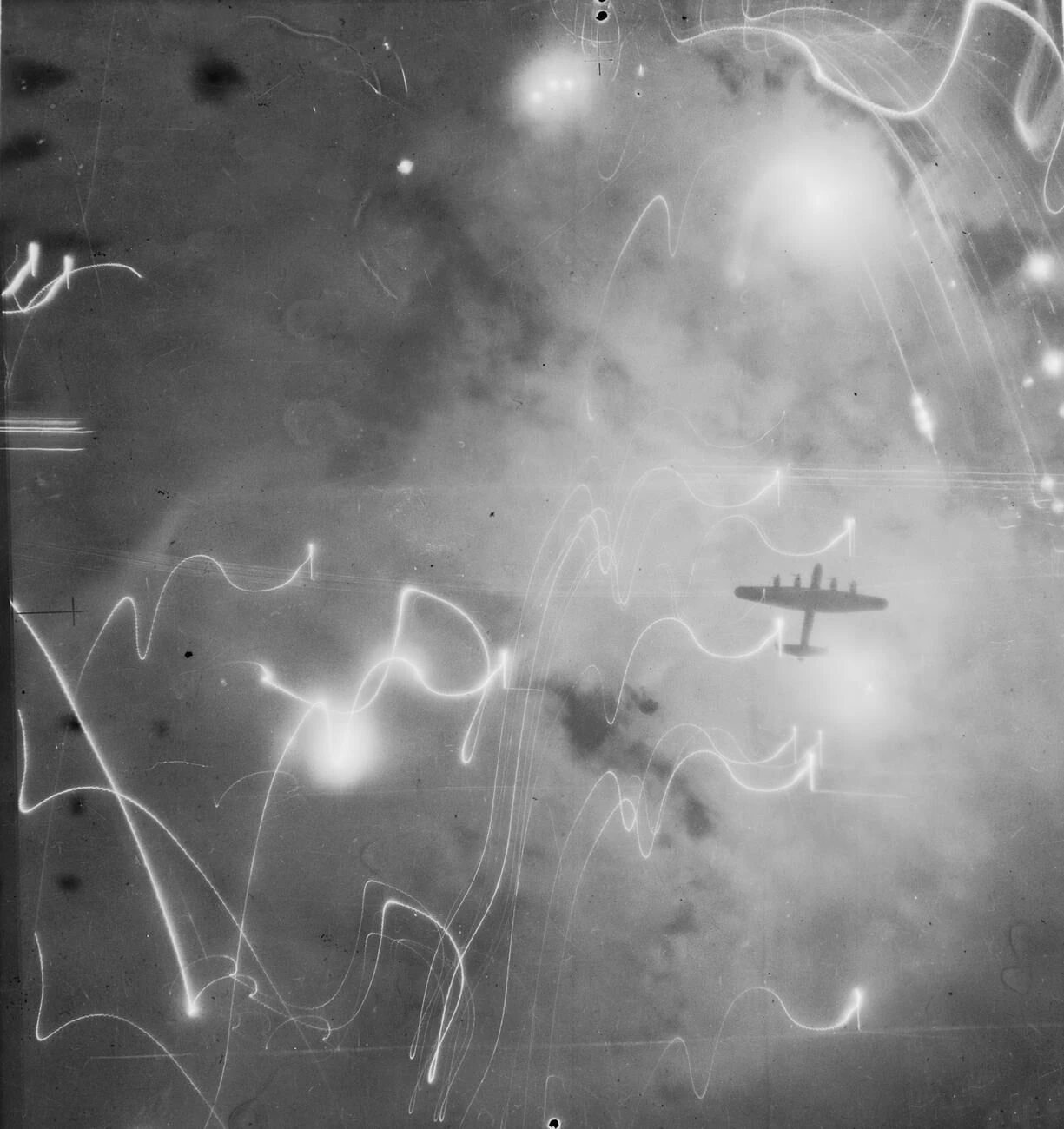
Bombing London — and the reply on Berlin
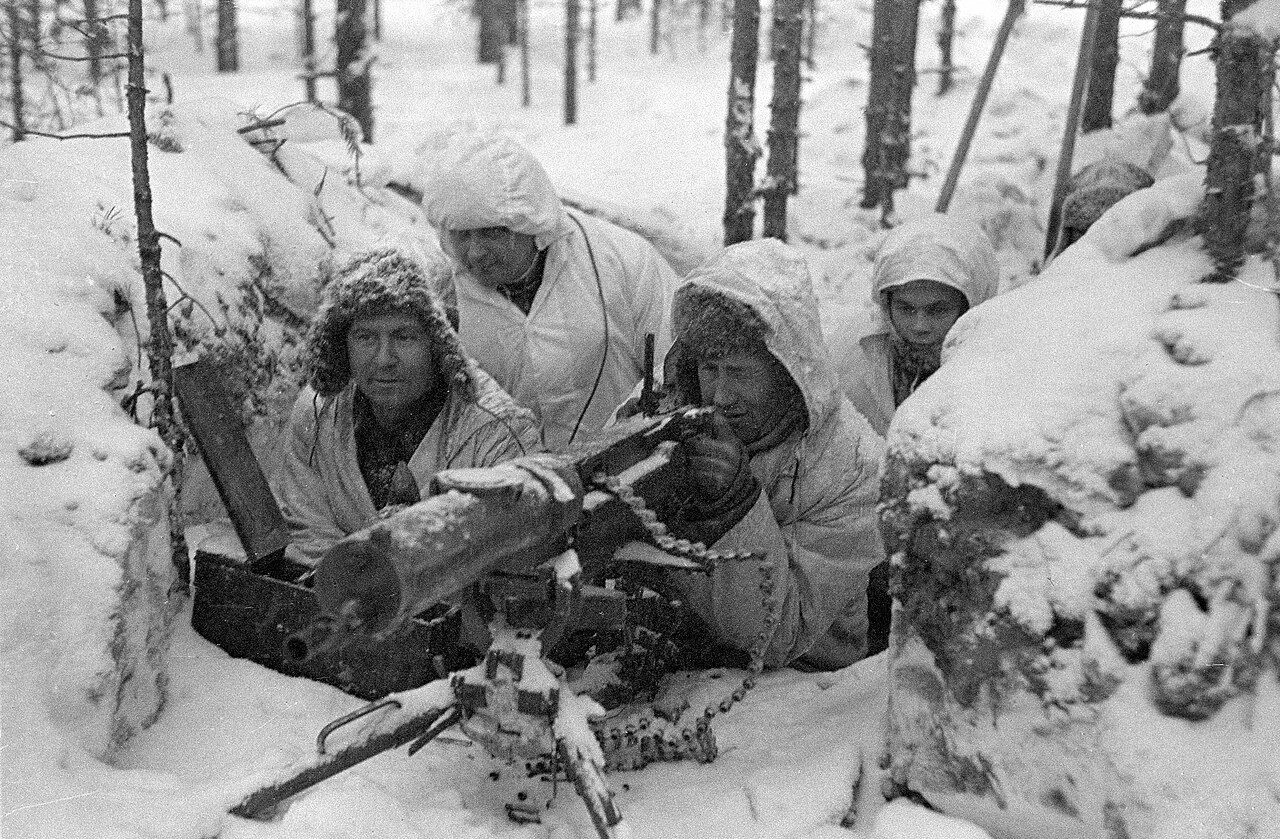
The Supreme Allied Council faces Finland
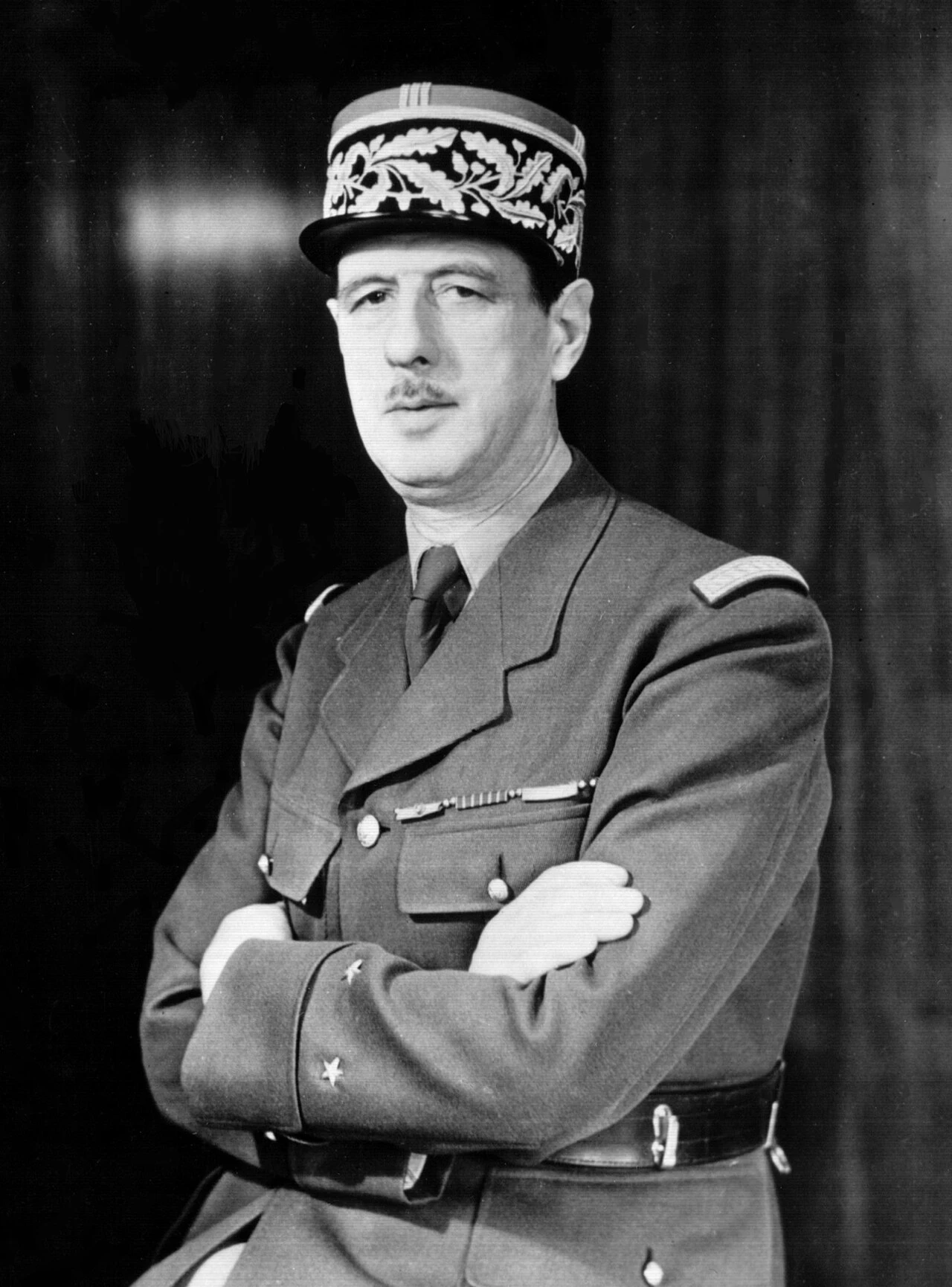
De Gaulle joins the government — 5 June
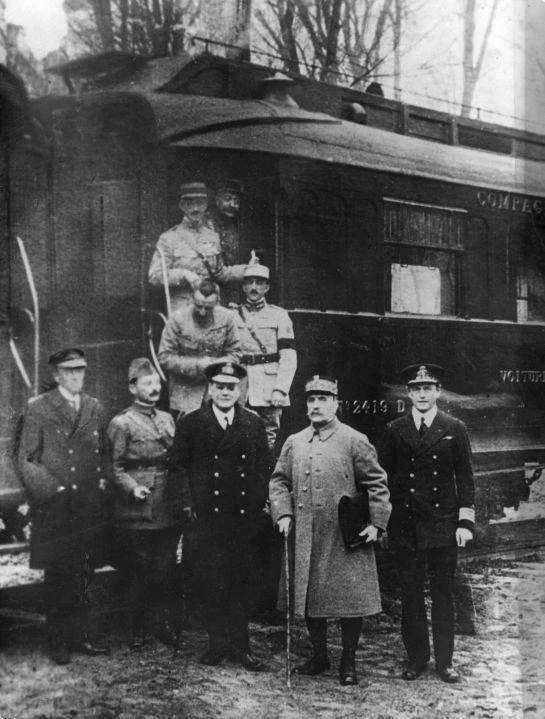
Rethondes — Article 8 on the Fleet
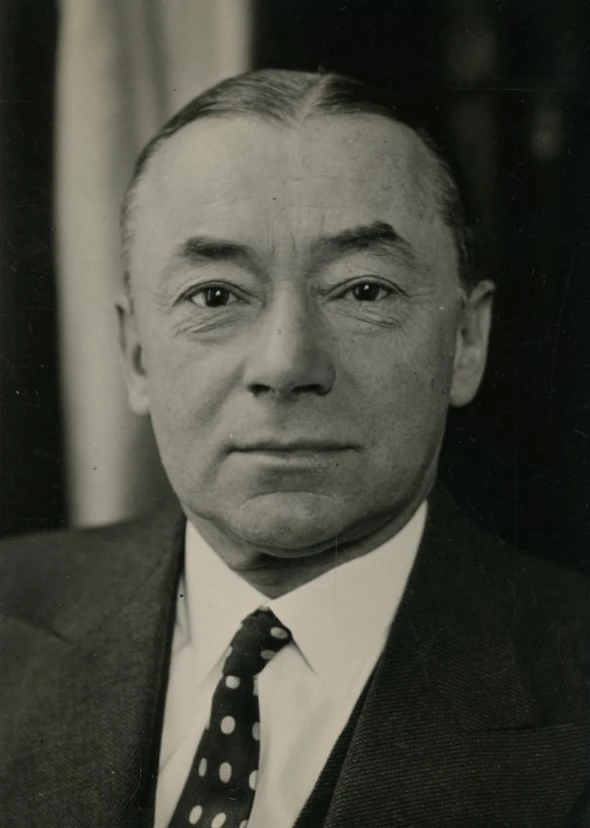
Reynaud — Matignon 21 March
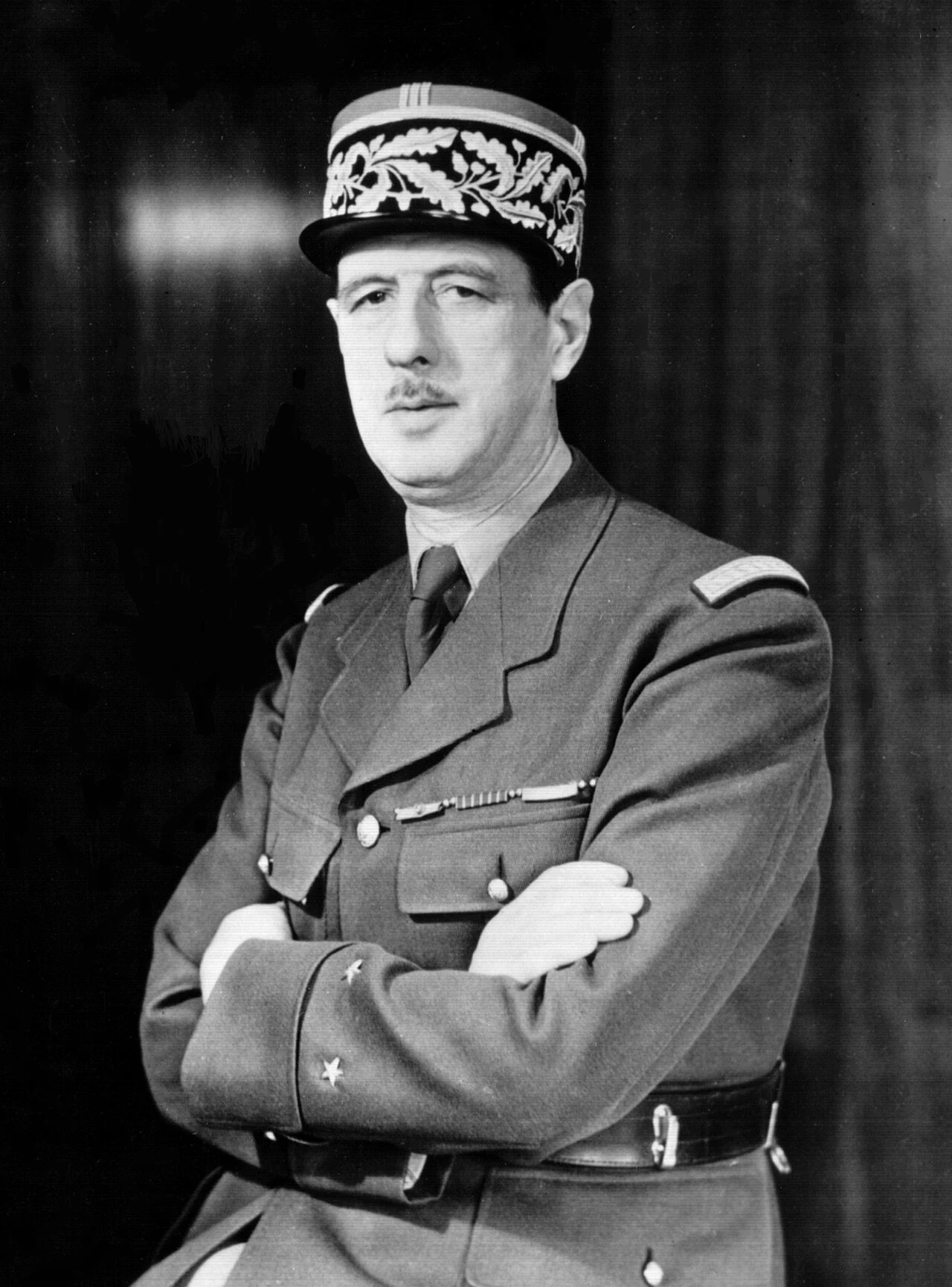
The Franco-British union — 16 June
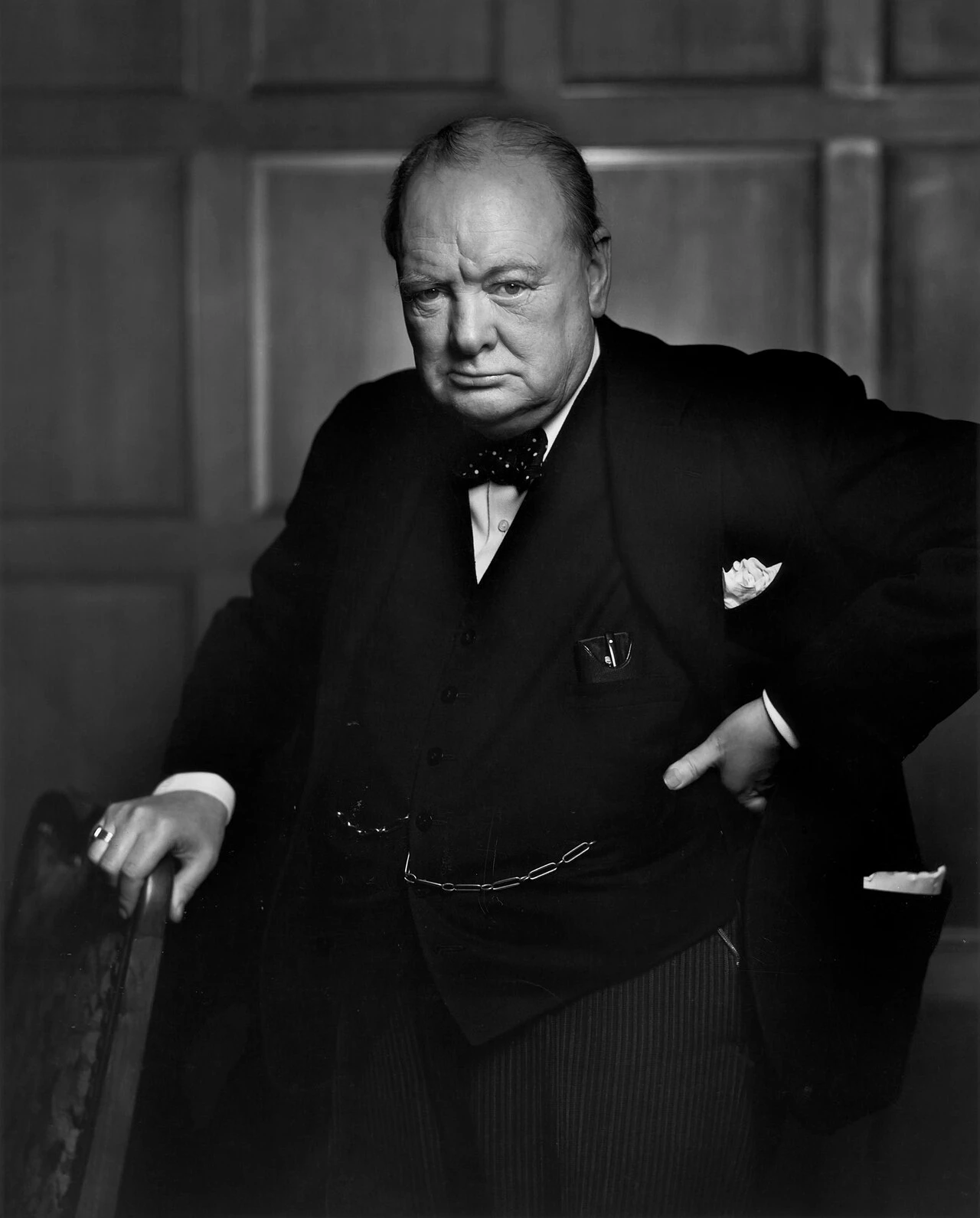
Dunkirk: should the French be saved alongside the British?
The Empire — Vichy or de Gaulle
Reynaud or Pétain — Carry On or the Armistice
The Capitulation of 28 May
Bombing London — and the reply on Berlin
The Supreme Allied Council faces Finland
De Gaulle joins the government — 5 June
Rethondes — Article 8 on the Fleet
Reynaud — Matignon 21 March
The Franco-British union — 16 June
Dunkirk: should the French be saved alongside the British?
The Empire — Vichy or de Gaulle
Reynaud or Pétain — Carry On or the Armistice