
A Danish smuggler and the Sound
Our subject is a Danish fisherman on the coast of Sjaelland (Zealand), facing the Oresund, the 'Sound' — that strait which separates occupied Denmark from neutral Sweden, scarcely a few kilometres wide between Helsingor and Helsingborg.
Denmark fell in April 1940 within a few hours. The Nazis treat it as their 'model client state': the government stays in place, King too, and the occupier grants lenient conditions so long as the country cooperates. The small Danish Jewish minority is, for the moment, relatively spared. But political opponents, anti-Nazi German refugees, people sought by the Gestapo are already trying to escape to Sweden — and the only practicable way is the water.
A fisherman knows the currents, the patrol schedules, the coves. A moonless night, an engine cut close to the Swedish shore, and a few passengers hidden under nets can make it across. But a German patrol boat, a searchlight, a neighbour who talks, and it is prison, the camp, perhaps death — for him as for his family. No one is asking anything of him; he could simply keep on fishing.
Do you risk your life ferrying Jews and other hunted people across the Oresund to neutral Sweden — or stay silent and safe?
From 1940, Danish fishermen and boatmen choose A: a continuous trickle of small boats ferries Jews and other Reich 'undesirables' across the Sound into Sweden — well before the great rescue of October 1943, when hundreds of boats will evacuate more than 7,000 of Denmark's 7,800 Jews within a few weeks. In 1940 these crossings remain sporadic, individual, without an organised network; some smugglers are paid, many act out of conviction. The deed will be recognised after the war as one of the most effective collective rescues in occupied Europe, and the Danish people honoured as 'Righteous Among the Nations' on a near-collective basis — a distinction extremely rare on a national scale.
POINT OF VIGILANCE — [Historiographical note: documented archetype (the 1940 rescuer), to be distinguished from the mass rescue of October 1943, which belongs to a later poll. Do not project the 1943 figures onto 1940: at that date, crossings were sporadic. Mixed motives (conviction + payment) to be presented without excessive heroisation.]
Learn more about this event
Related polls
10

Boulanger and the Reich's trucks

Citroën, the occupier and the secret little car

Citroën under the Occupation: the boss faces German orders
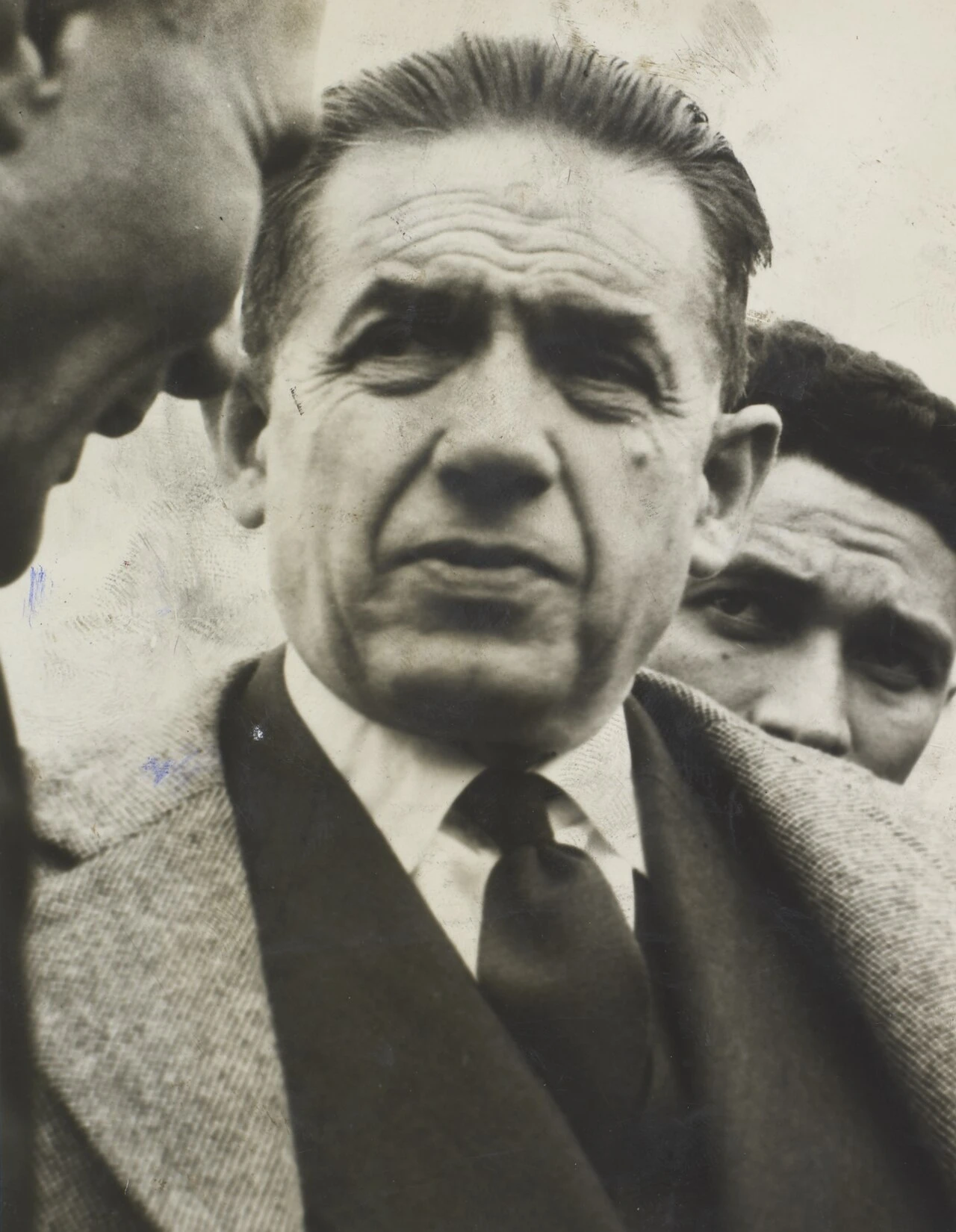
Edmond Michelet — Brive leaflet, 18 June

The Free-Shooter of Information — Listening to London
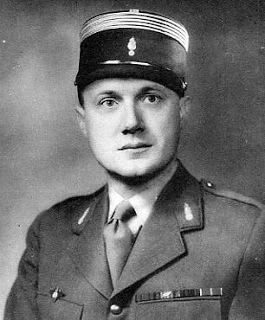
Gilbert Renault — the road to London
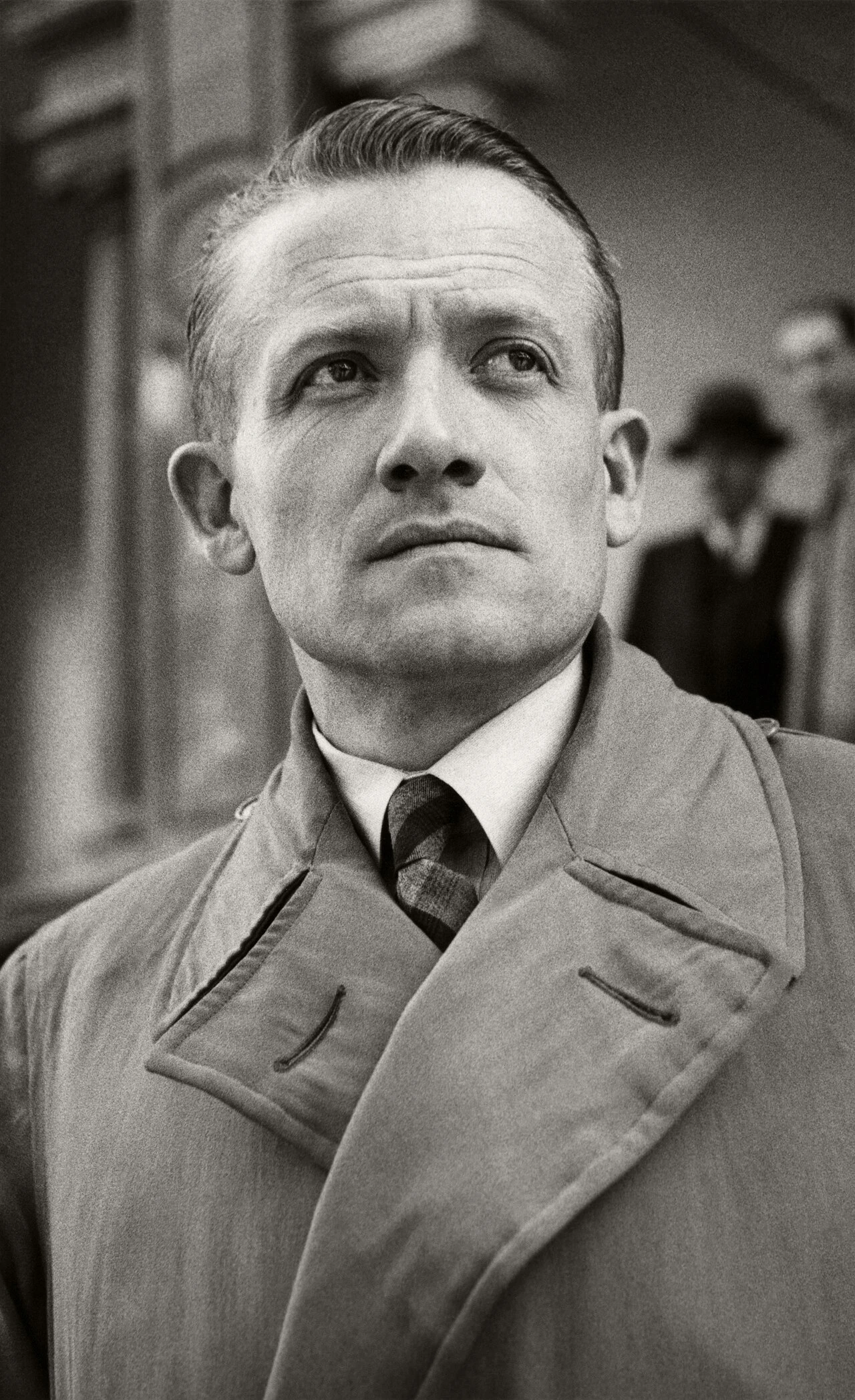
Henri Frenay at Marseille — August 1940
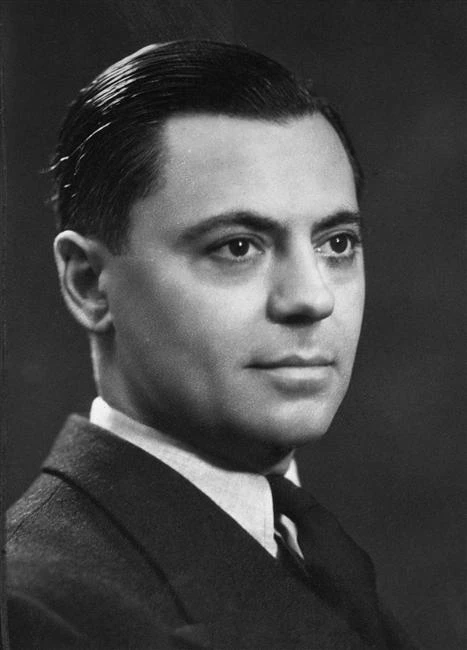
Jean Moulin — Chartres, 17 June
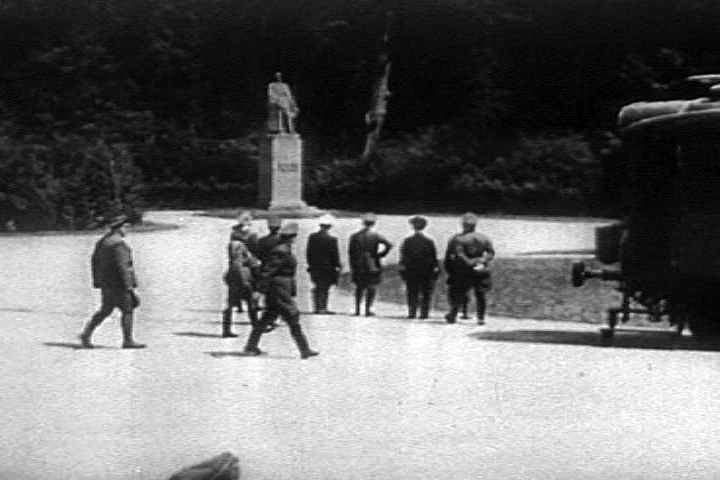
The weapons of the armistice — a secret beneath the table at Wiesbaden
The Massilia — Bordeaux 21 June
Boulanger and the Reich's trucks
Citroën, the occupier and the secret little car
Citroën under the Occupation: the boss faces German orders
Edmond Michelet — Brive leaflet, 18 June
The Free-Shooter of Information — Listening to London
Gilbert Renault — the road to London
Henri Frenay at Marseille — August 1940
Jean Moulin — Chartres, 17 June
The weapons of the armistice — a secret beneath the table at Wiesbaden