
Michelin under the Occupation: keep the presses running or close the doors
In the summer of 1940, dies and the leadership of the largest company in Clermont-Ferrand passes to his son-in-law , assisted by . The armistice commission then sets the production quotas: the bulk of the firm's tyres will go to the occupier.
The factory employs around 10,000 people. Halting production in order to refuse to supply the occupier would mean shutting down the workshops and throwing thousands of families out of work. At the same time, Resistance networks are forming among the workers, the engineers, and even within the Michelin family itself, and they are demanding the sabotage of the installations.
Management must choose between keeping the industrial machine running, closing through refusal, and the deliberate destruction demanded by the underground.
Faced with the tyre quotas imposed by the armistice commission and the Resistance's calls for sabotage, which course should Michelin's management follow?
Michelin's management, under , chose to continue the legal production of tyres (most of which went to Germany via the armistice commission) while systematically refusing to sabotage its own workshops as the Resistance demanded, in order to preserve the industrial machine and the jobs. The resistance was the work of individual initiatives by workers, engineers, and family members (, arrested in July 1943 and dead in deportation), not a company decision. In the absence of internal sabotage, it was the British who bombed the Cataroux factory on 16 March 1944 to cut off the German supply.
Learn more about this event
Related polls
10
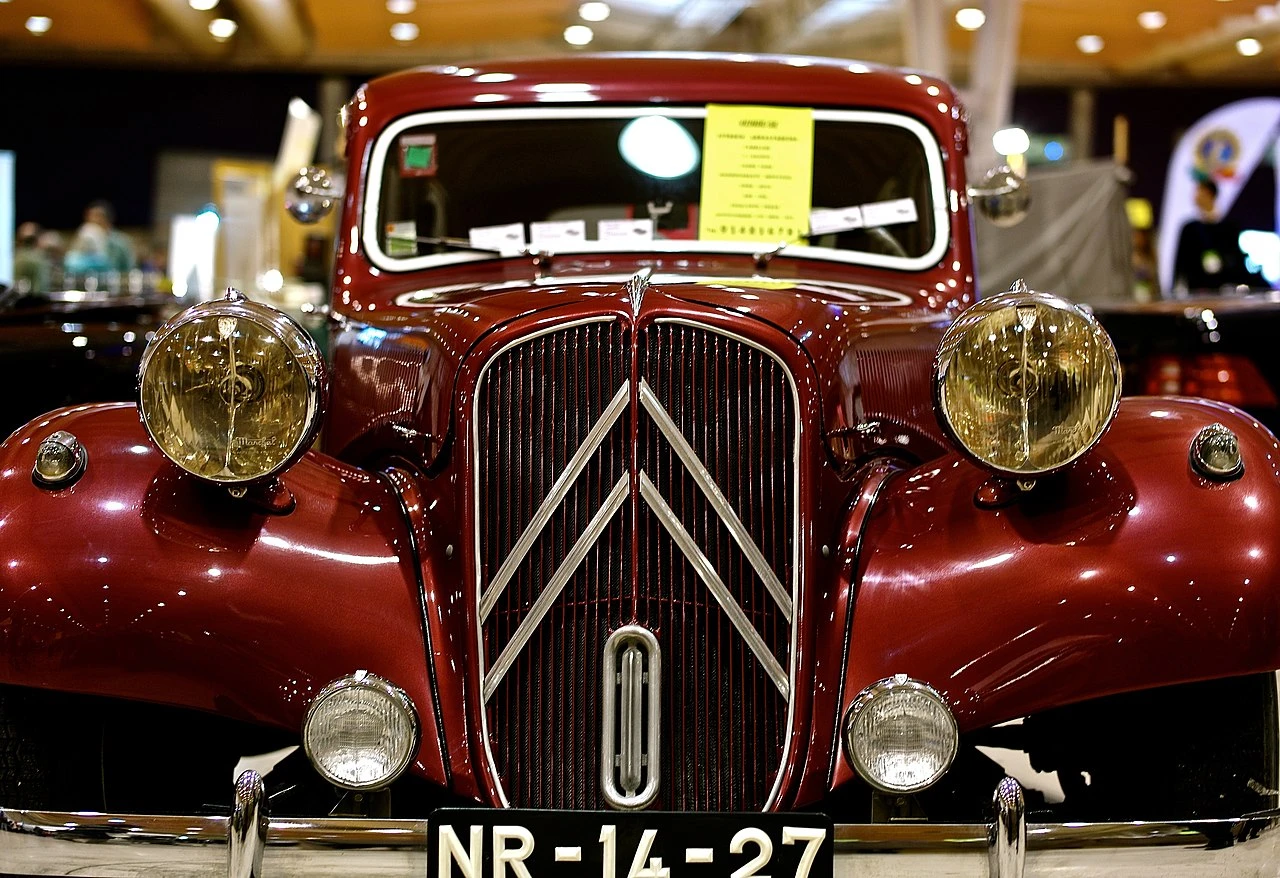
Boulanger and the Reich's trucks
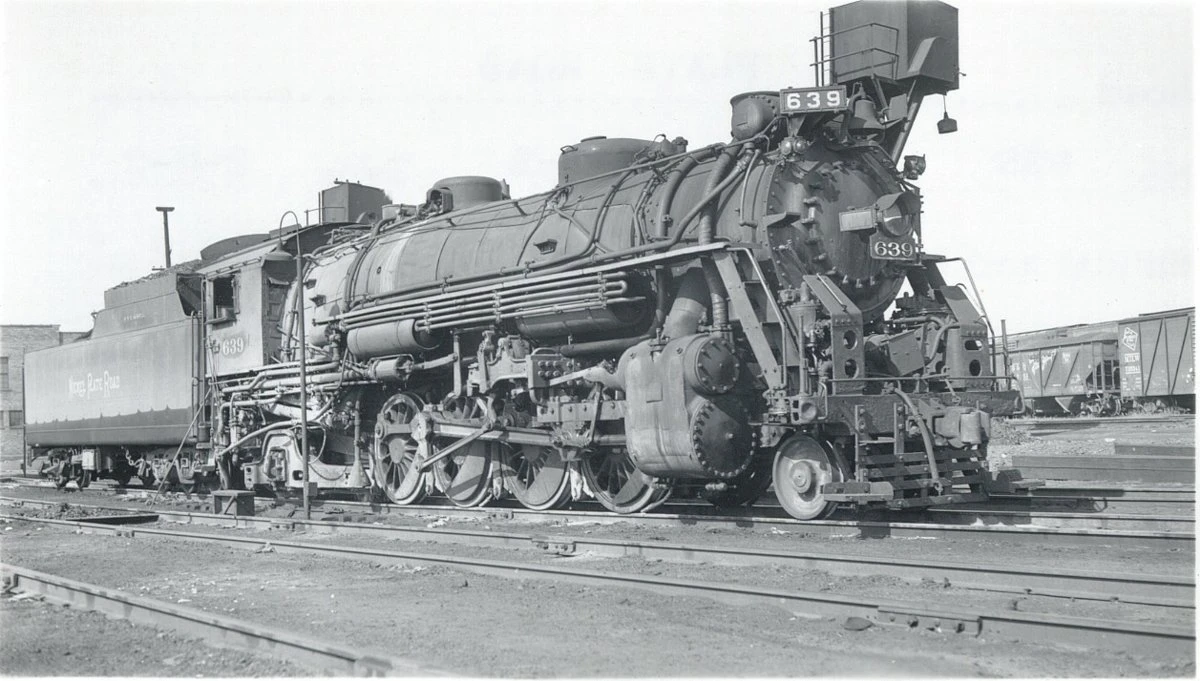
Article 13: the SNCF and the occupier
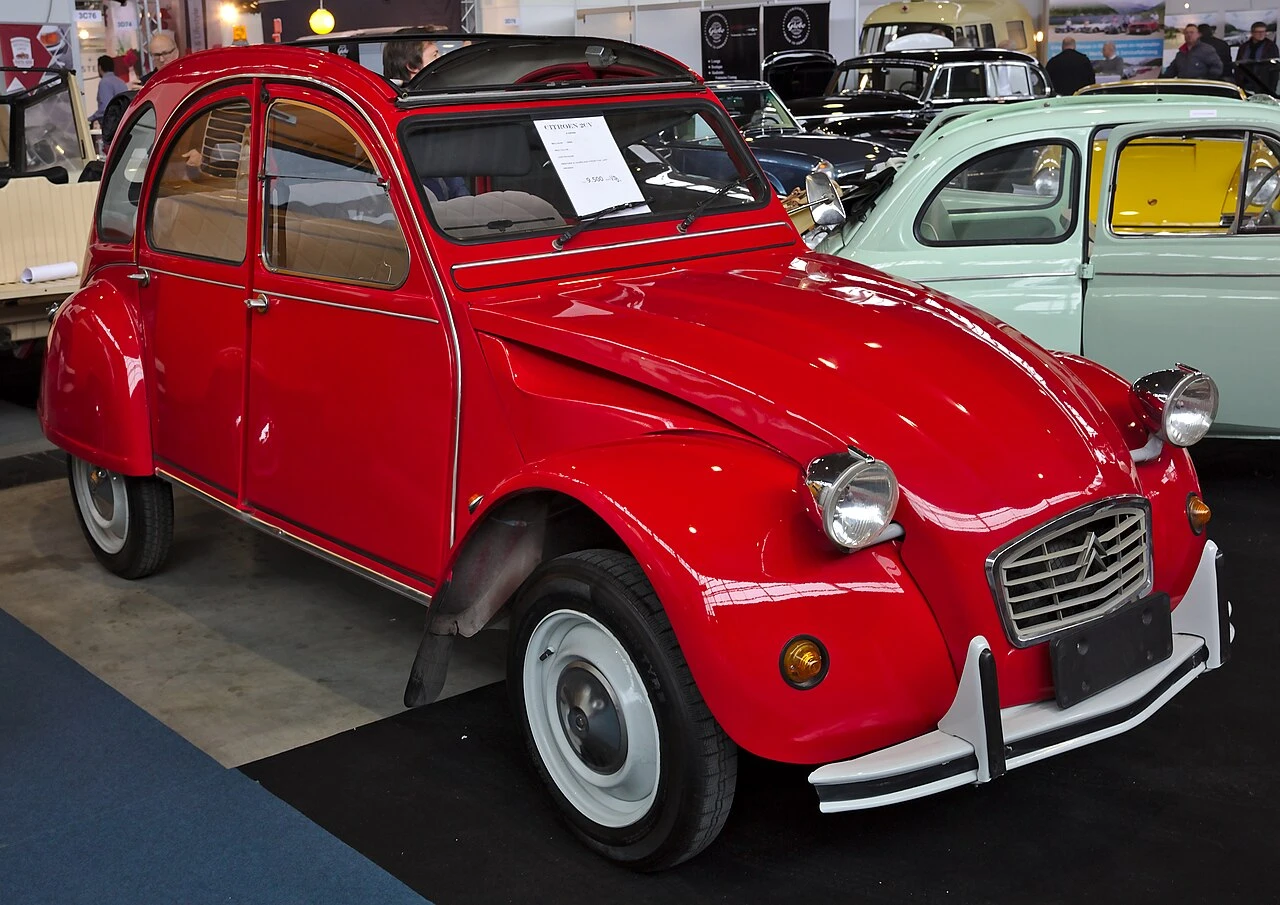
Citroën, the occupier and the secret little car
Hermann Röchling and the Lorraine Ironworks
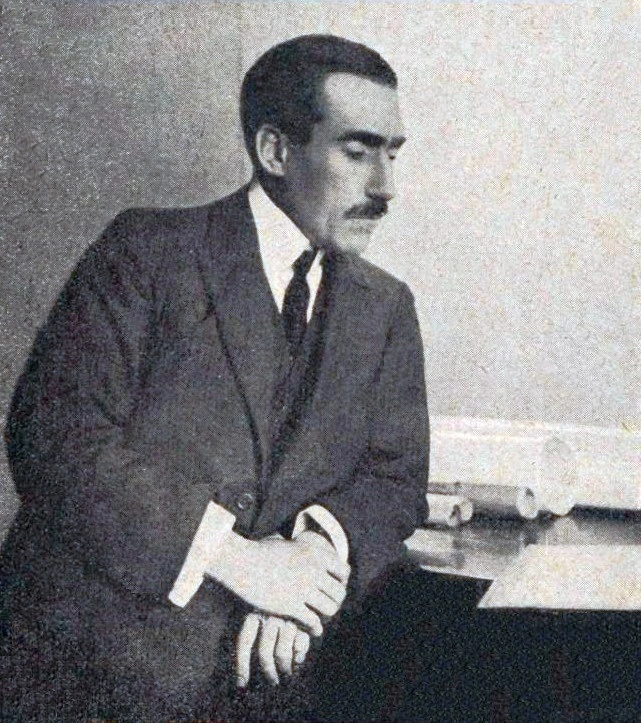
Louis Renault Returns from the United States: Billancourt Under German Control
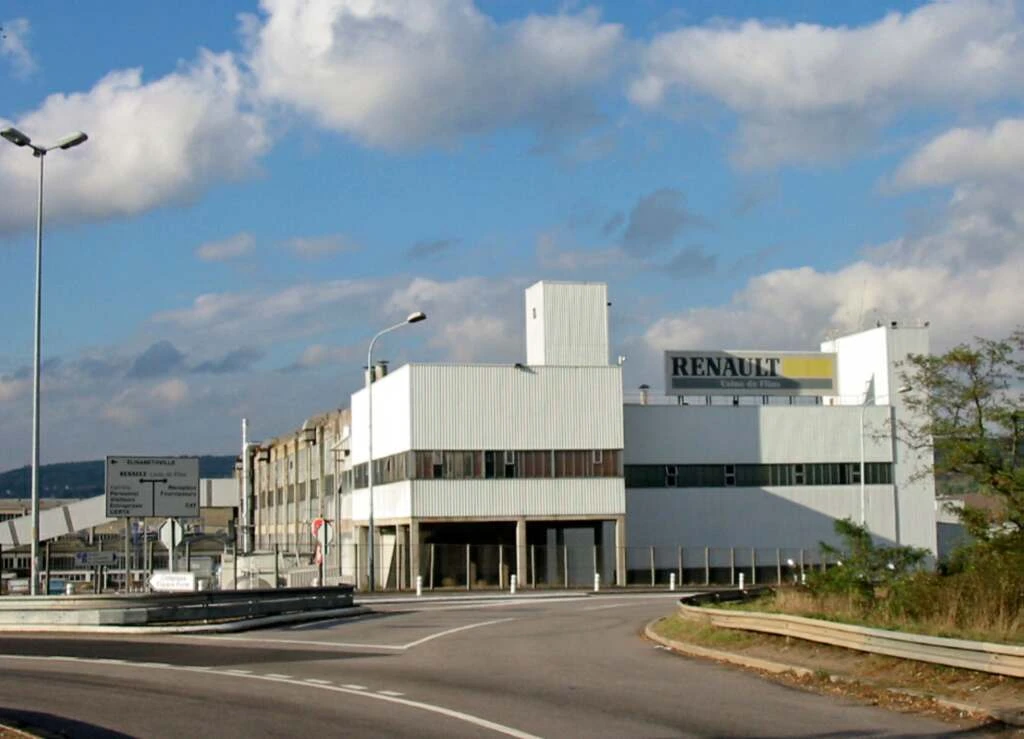
Billancourt under threat: the old boss and his machines

Citroën under the Occupation: the boss faces German orders

The nation's gold against the invader
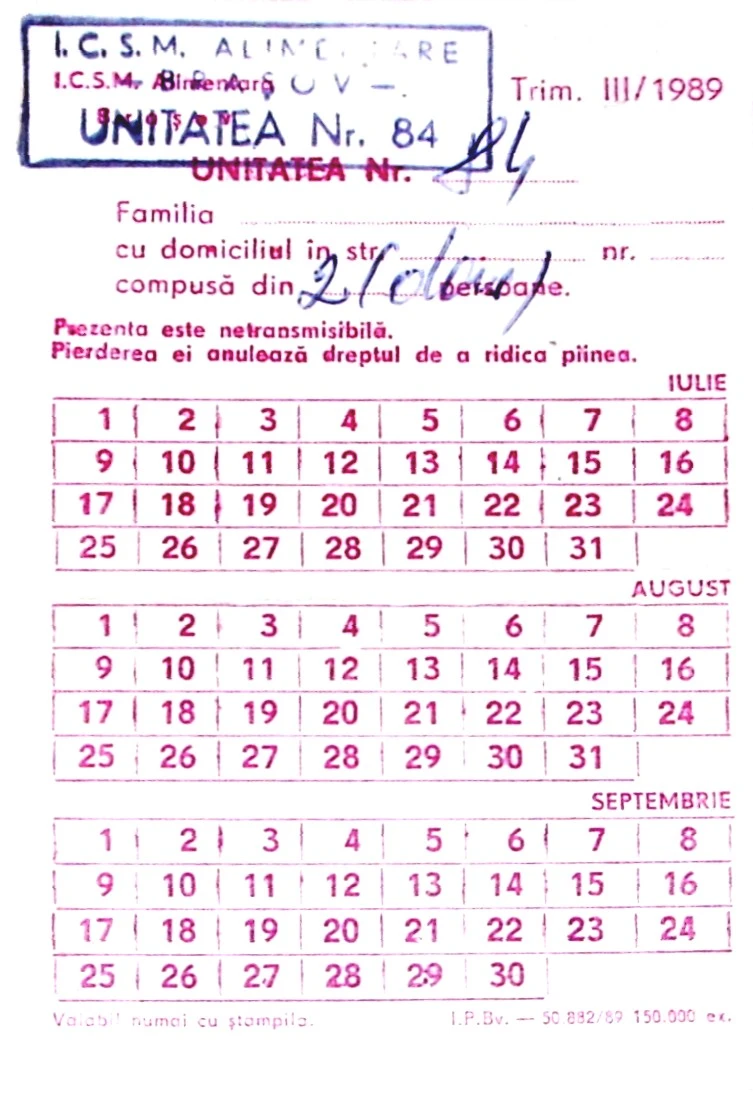
France's March 1940 Ration Card
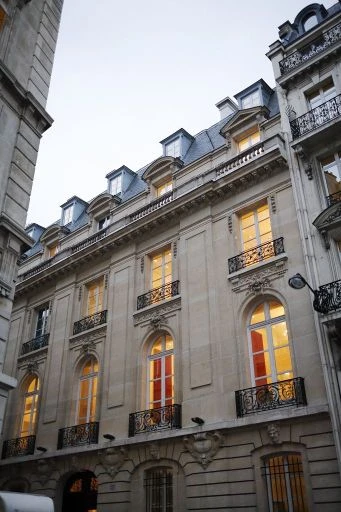
Le Creusot Faces the Wehrmacht — the Forges in the Hour of the Exodus
Boulanger and the Reich's trucks
Article 13: the SNCF and the occupier
Citroën, the occupier and the secret little car
Hermann Röchling and the Lorraine Ironworks
Louis Renault Returns from the United States: Billancourt Under German Control
Billancourt under threat: the old boss and his machines
Citroën under the Occupation: the boss faces German orders
The nation's gold against the invader
France's March 1940 Ration Card