
The paratroopers on The Hague
On the morning of 10 May 1940, Germany attempted an unprecedented stroke: to seize the political heart of the Netherlands by an airborne assault. The plan, inspired by General , called for dropping paratroopers and airborne troops on the airfields around The Hague (Ypenburg, Ockenburg, Valkenburg) to capture the government, the general staff and perhaps the queen, and to provoke an immediate collapse.
The operation was of extreme audacity but risky: the airborne troops, lightly armed, would be isolated at the heart of the enemy's deployment, dependent on the rapid capture of the airfields to be reinforced. A vigorous Dutch defence could annihilate them.
The German command could launch the airborne assault on The Hague to behead the Dutch state at the outset. It could instead concentrate the airborne effort on Rotterdam and the bridges, safer objectives. Or it could renounce the massive use of airborne troops, judged too risky. The gamble, if it succeeded, would shorten the campaign; if it failed, it would squander an irreplaceable elite.
Should the airborne assault be launched on The Hague, concentrated on Rotterdam, or renounced?
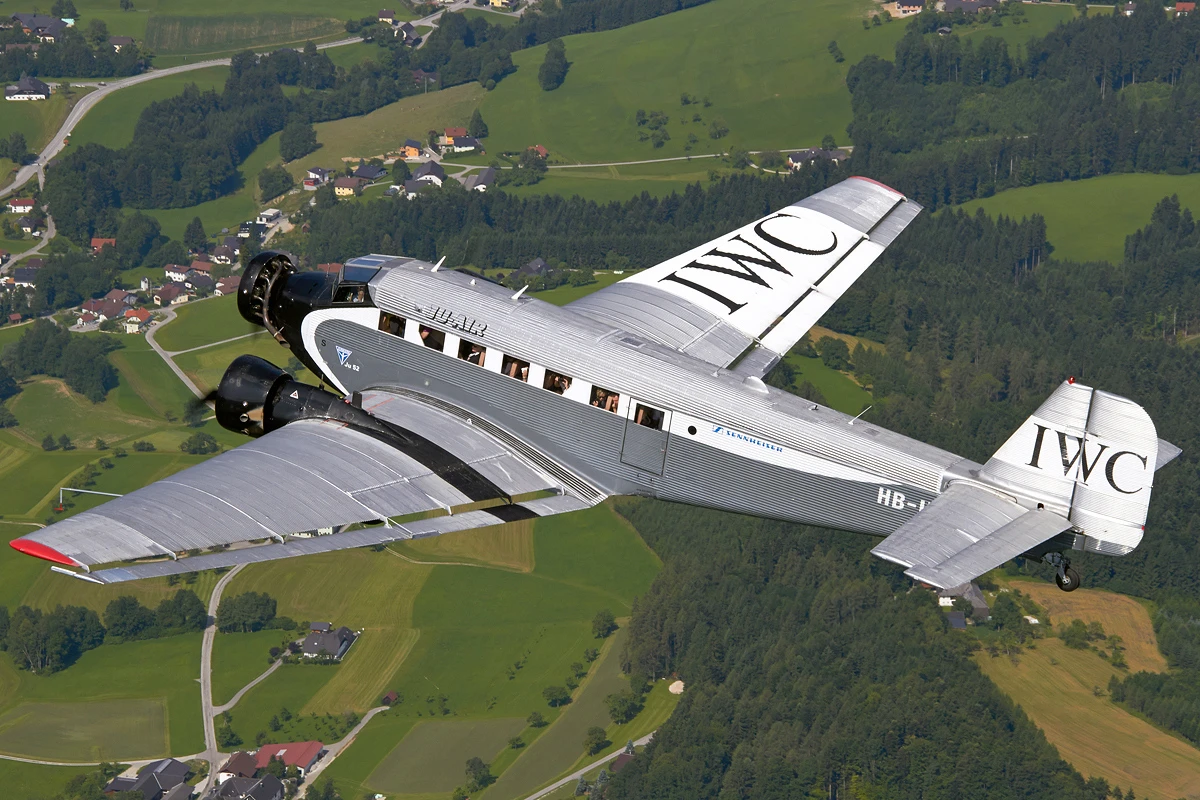
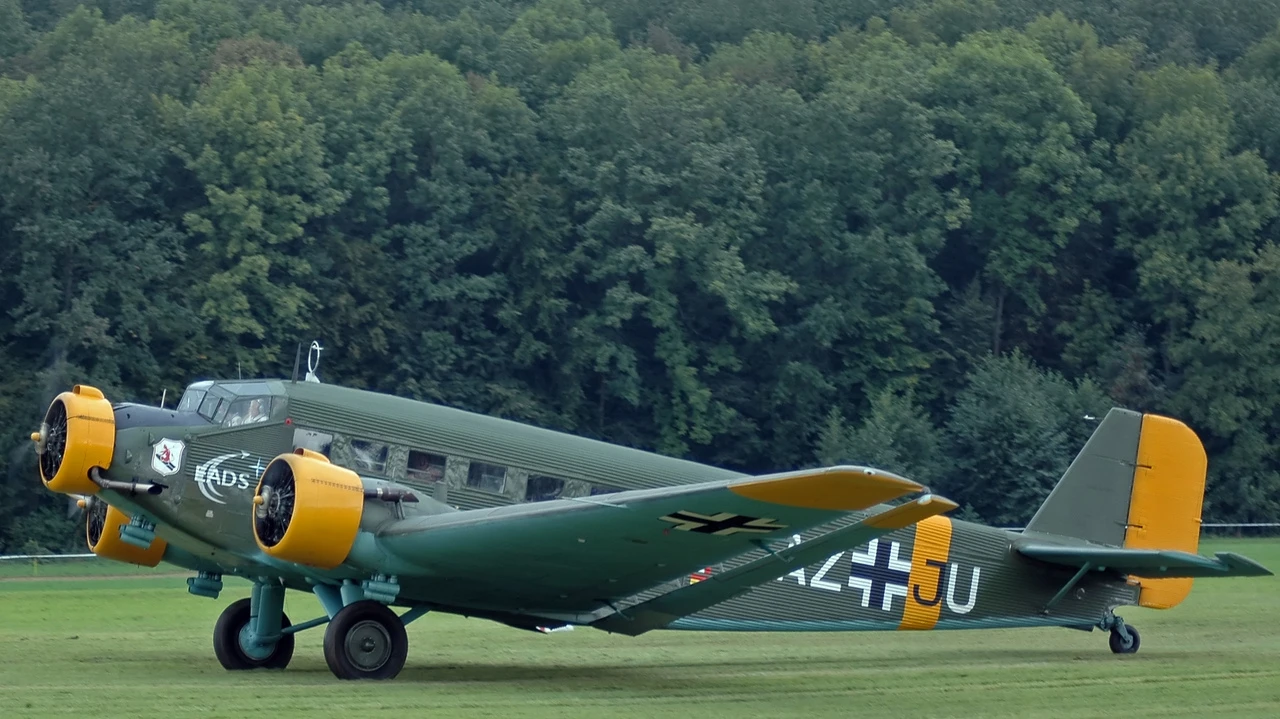
The Germans attempted A — and failed: the assault on the airfields of The Hague on 10 May met a resolute Dutch defence. The airfields were not held, the airborne troops suffered heavy losses, many transport aircraft were destroyed, and both the government and the queen escaped capture. It was one of the few German setbacks of the campaign and the first great warning about the vulnerability of airborne operations. Student's effort was, by contrast, decisive around Rotterdam. The failure at The Hague, and the losses in transport aircraft, would later weigh on German caution — and would, conversely, inspire the costly airborne operation on Crete in 1941.
Learn more about this event
Related polls
10
Valkenburg — paras on a grass strip
Ypenburg — German paras outside The Hague
The coup de main on Ében-Émael
Fornebu — the transports under fire
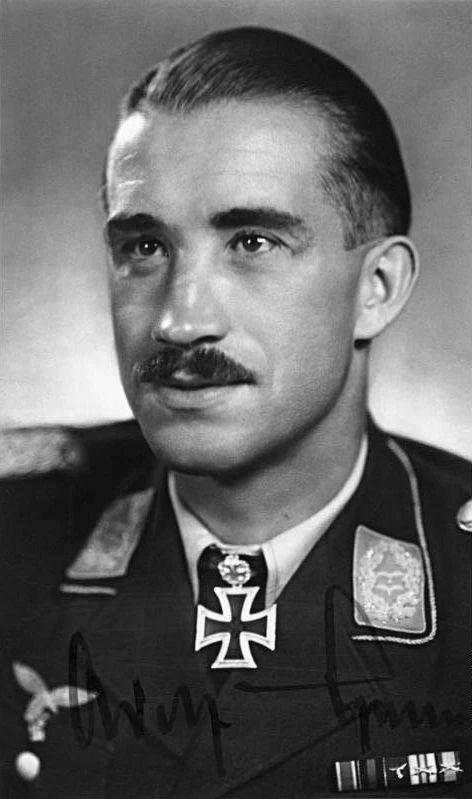
Galland over the Estuary
Waalhaven — assault on the Rotterdam airfield
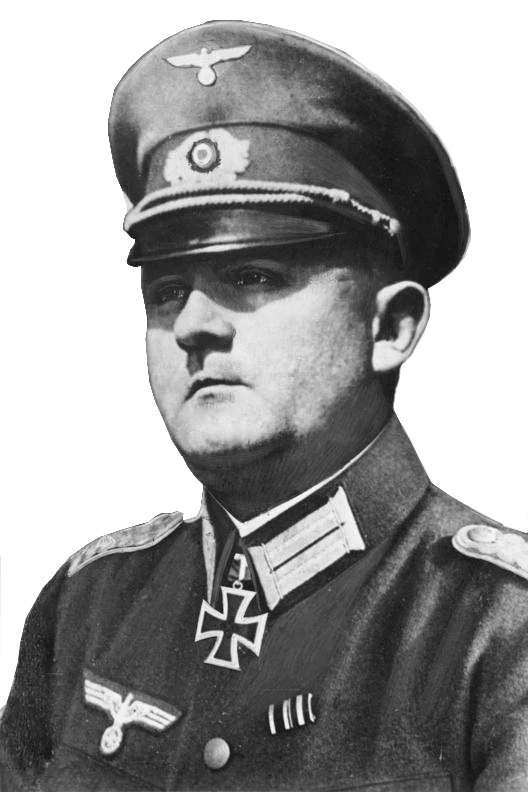
The Houx weir
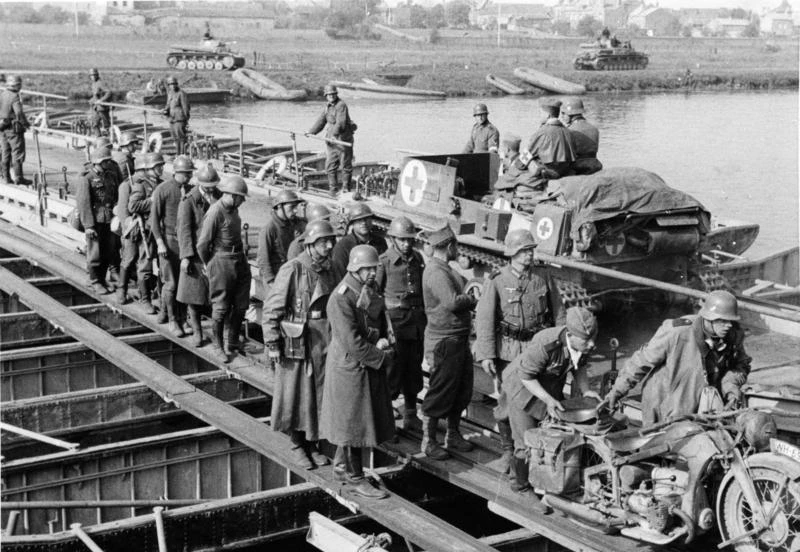
The deluge of Stukas over Sedan
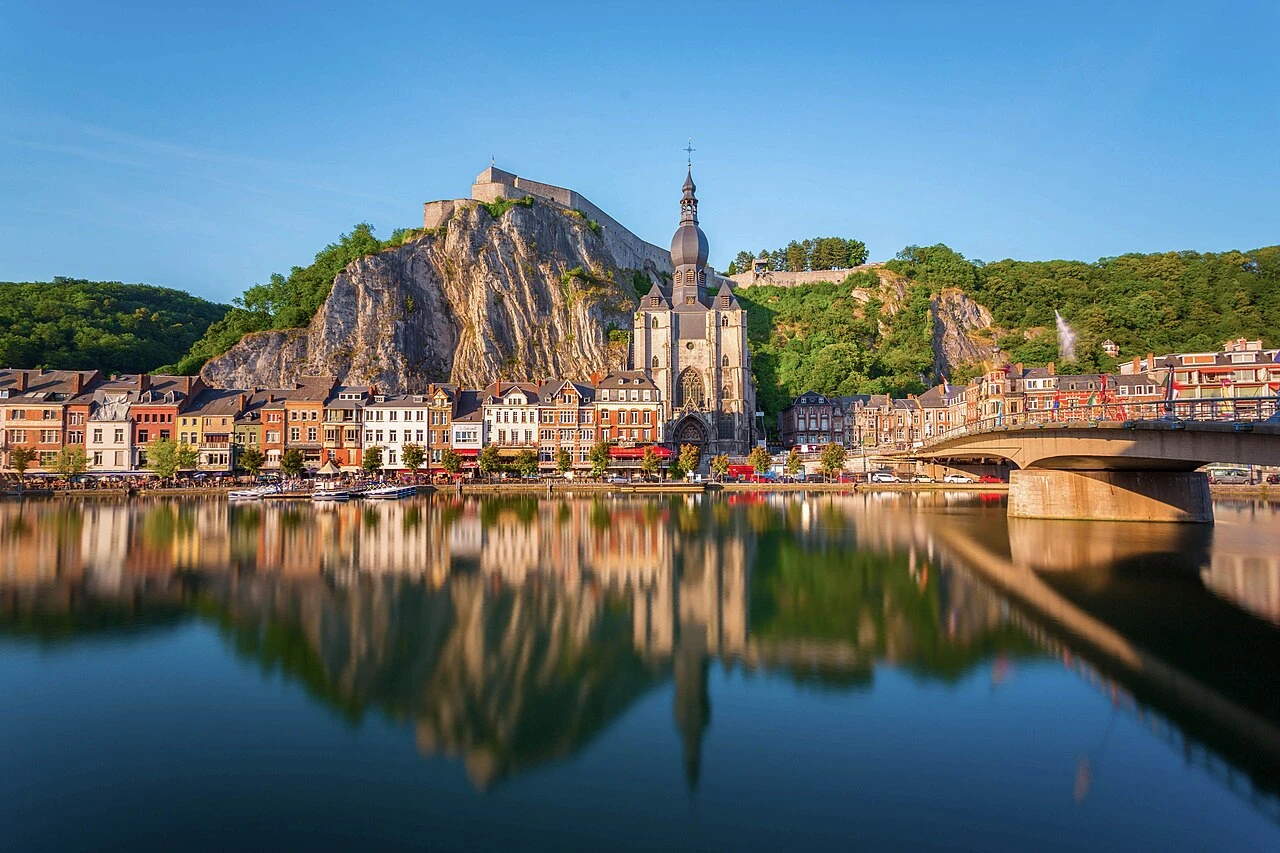
The crossing of the Meuse at Dinant
The bridges of Maastricht — the sacrifice of the Battles
Valkenburg — paras on a grass strip
Ypenburg — German paras outside The Hague
The coup de main on Ében-Émael
Fornebu — the transports under fire
Galland over the Estuary
Waalhaven — assault on the Rotterdam airfield
The Houx weir
The deluge of Stukas over Sedan
The crossing of the Meuse at Dinant