
Wieluń, 4:40 a.m. — the first bomb of the war
On 1 September 1939, at around 4:40 in the morning, before any declaration of war, the Junkers Ju 87 "Stuka" dive-bombers of reached Wieluń, a small town in the Łódź Voivodeship with no military value whatsoever. One of the first buildings hit was the hospital, despite being marked with the red cross: dozens of patients died there, and the pilots strafed those trying to flee the flames. Within a few hours, as much as 70% of the town, and 90% of the centre, was levelled.
The inhabitants had received no warning. A baker, already up to light his oven at the usual hour, sees the planes diving on the rooftops. All around him, houses are collapsing, the streets filling with smoke and the wounded.
He has only minutes to decide: rush out to try to help the wounded and fight the fires, flee at once into the countryside with his family, or take cover in the cellar of his bakehouse and hope the storm of steel passes.
At dawn on 1 September 1939, what does a resident of Wieluń do when the first bombs fall?
Caught with no warning by a bombing of unprecedented ferocity against civilians, the people of Wieluń could mount no defence: those who were able fled en masse to the surrounding villages and fields while the town burned. Wieluń, sometimes called the "Polish Guernica," is regarded as the site of the first war crime of the conflict — a deliberate attack on a defenceless population, the hospital included, in violation of the Hague Conventions. The exact death toll is still debated: Polish sources often put it as high as around 1,200 victims, but strictly documented counts are lower (a few hundred), so completely did the destruction and chaos make any tally impossible.
Learn more about this event
Related polls
10
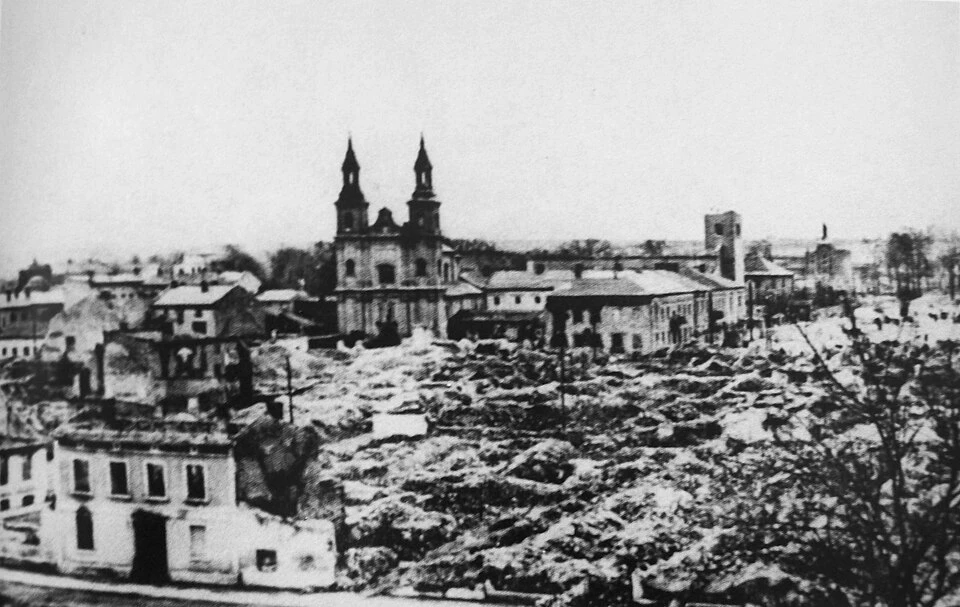
Wieluń at 04:40 — the first air strike
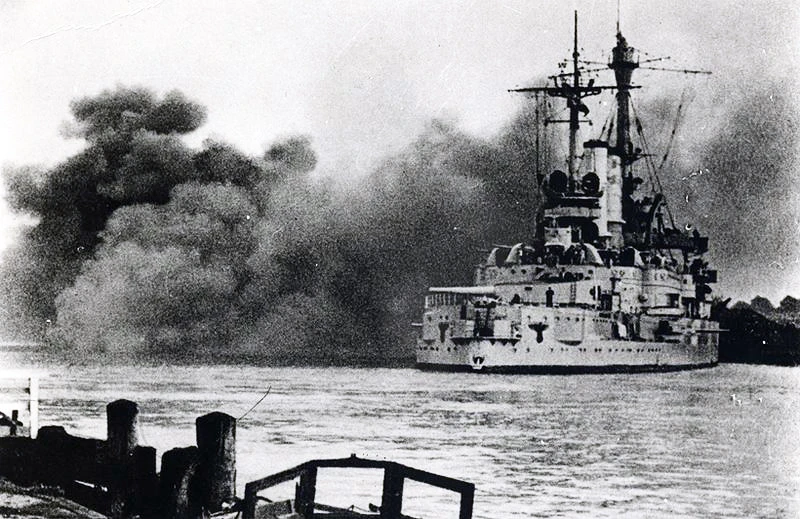
Danzig, September 1939 — the policeman of the Free City
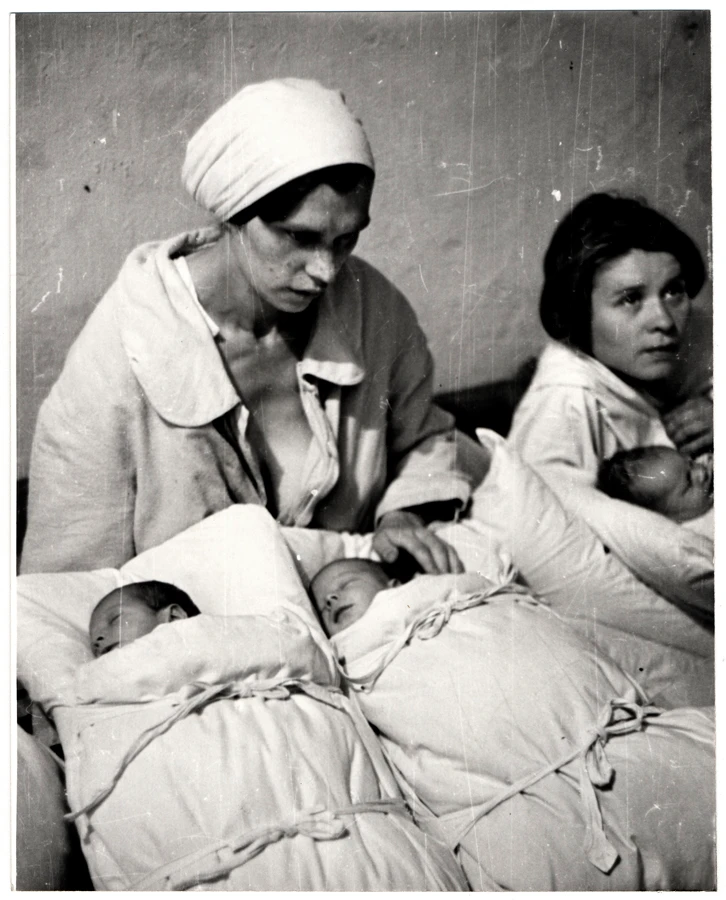
Warsaw Under Siege — Operating Without Morphine
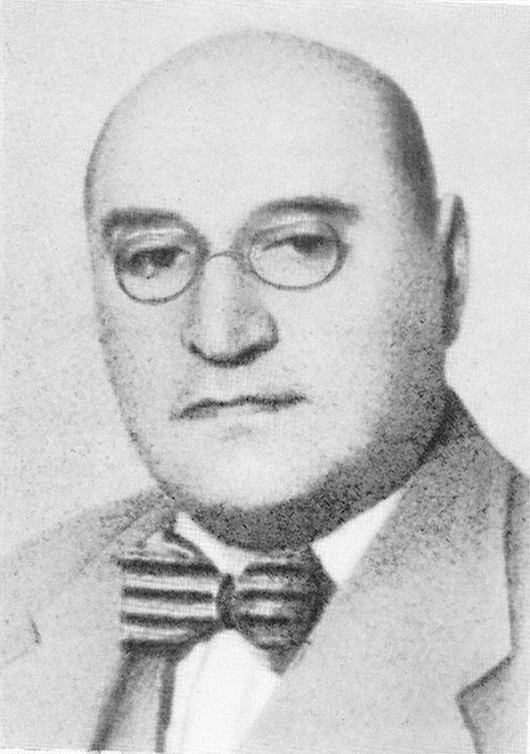
Czerniaków — the offer of the Judenrat
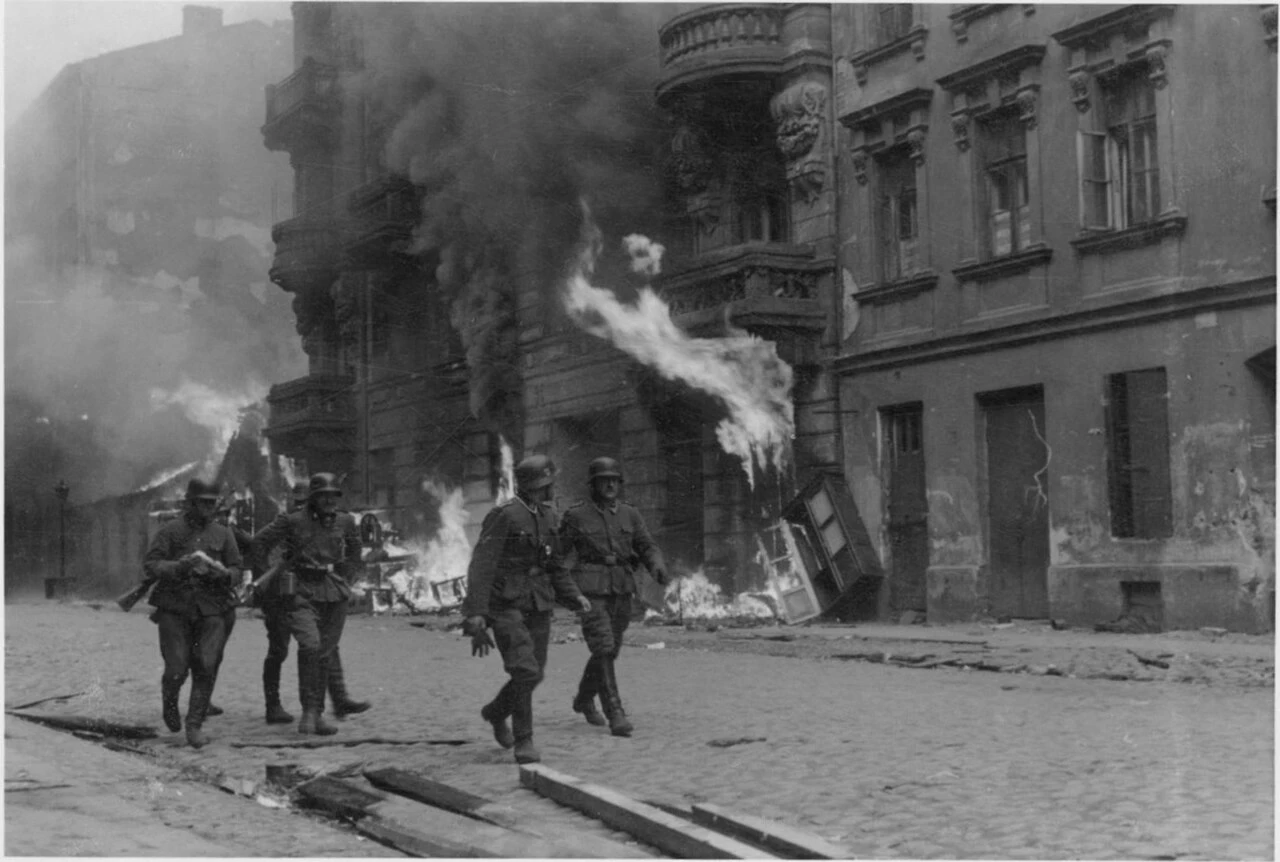
The Jewish Schoolteacher of Kazimierz
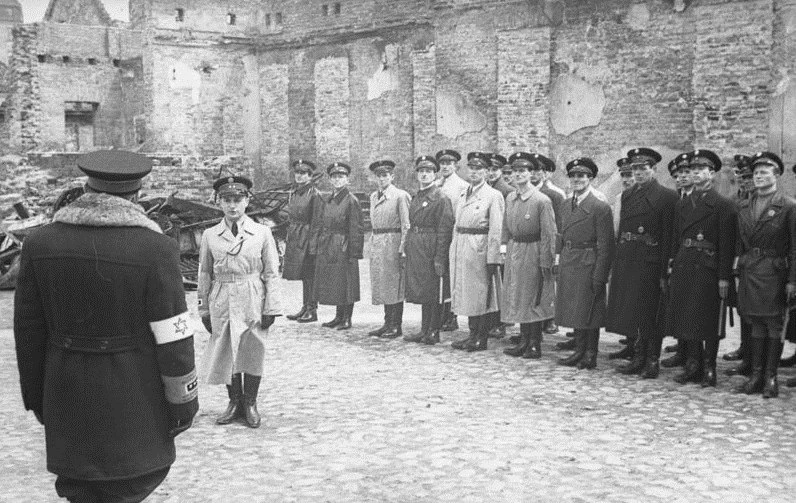
Czerniaków — the Warsaw ghetto sealed
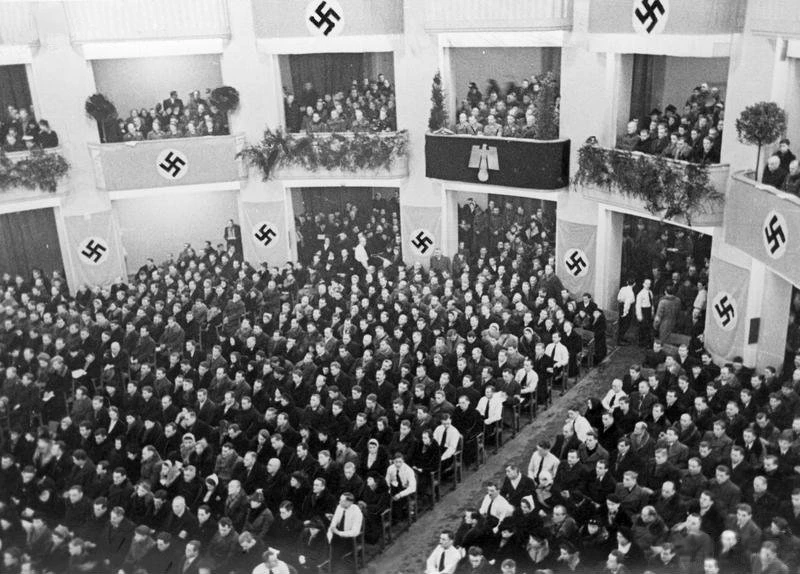
The Deutsche Volksliste — sign, or stay Polish
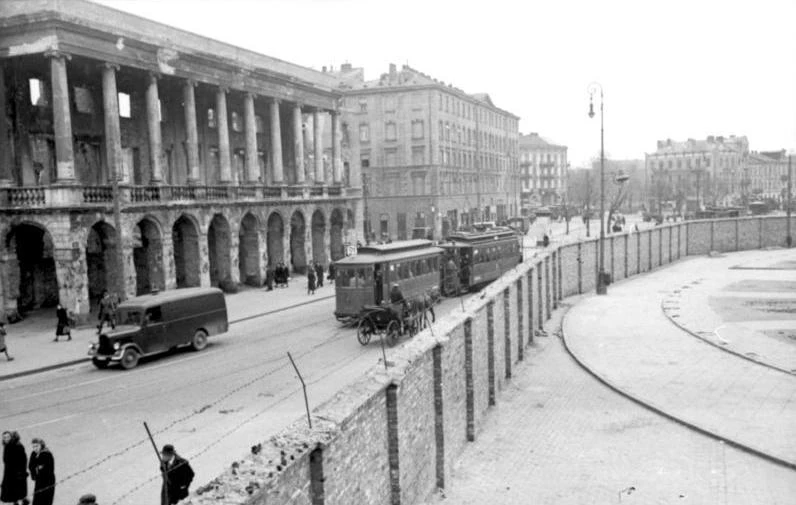
Studying in the Warsaw Ghetto
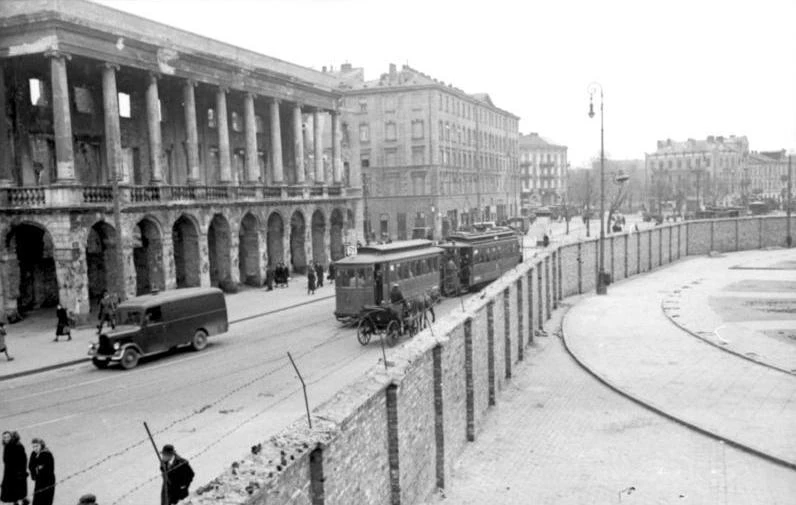
Clandestine teaching in the Warsaw Ghetto
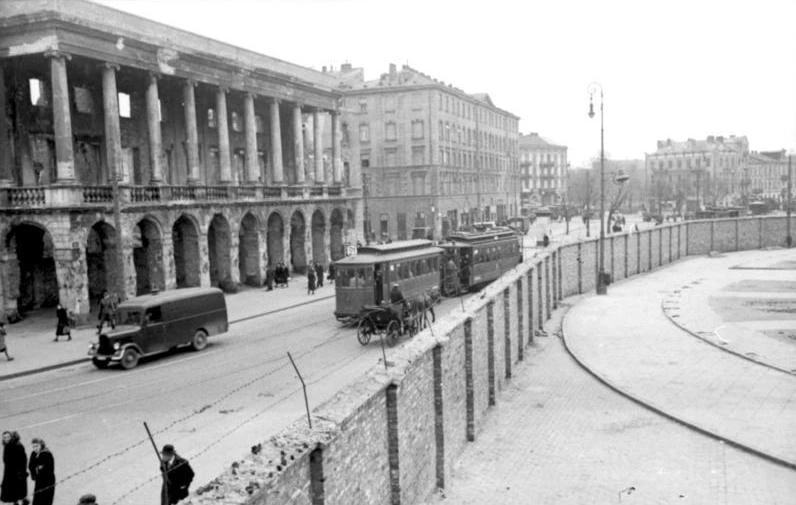
The Warsaw Ghetto — the temptation of informing
Wieluń at 04:40 — the first air strike
Danzig, September 1939 — the policeman of the Free City
Warsaw Under Siege — Operating Without Morphine
Czerniaków — the offer of the Judenrat
The Jewish Schoolteacher of Kazimierz
Czerniaków — the Warsaw ghetto sealed
The Deutsche Volksliste — sign, or stay Polish
Studying in the Warsaw Ghetto
Clandestine teaching in the Warsaw Ghetto