
The Dutch hulls on the Rotterdam slipways
In mid-May 1940, the Netherlands surrenders. On the slipways of Wilton-Fijenoord and the neighbouring yards, the Kriegsmarine discovers an entire generation of Dutch warships under construction: a nearly completed submarine, destroyers of the class, and the hulls of two light cruisers.
Some of these units were scuttled by Dutch demolition teams in the Nieuwe Waterweg to keep them from the enemy. Others remain intact on their keel blocks.
The German command must decide: exploit this workforce and these hulls for its own benefit, or give up an industrial asset whose reliability, under occupation, remains uncertain.
After the Dutch surrender, what should be done with the unfinished warships seized on the slipways of Rotterdam and Schiedam?
The Germans chose to recover and complete the units for their own use. The submarine O 25 was finished and commissioned as UD-3. The destroyer , scuttled on 14 May 1940, was raised during the summer of 1940, towed to Hamburg and completed at Blohm & Voss under the name ZH1 (commissioned on 11 October 1942). The two cruiser hulls were seized under the names KH 1 and KH 2 (Kreuzer Holland), set aside for post-war completion; KH 1 was launched on 24 December 1944 to serve as a blockship fire-ship, a project that was never carried out. The yards also continued to produce for the Kriegsmarine (minesweepers), before the occupier plundered the machinery and tooling in 1943-1944.
Learn more about this event
Related polls
10
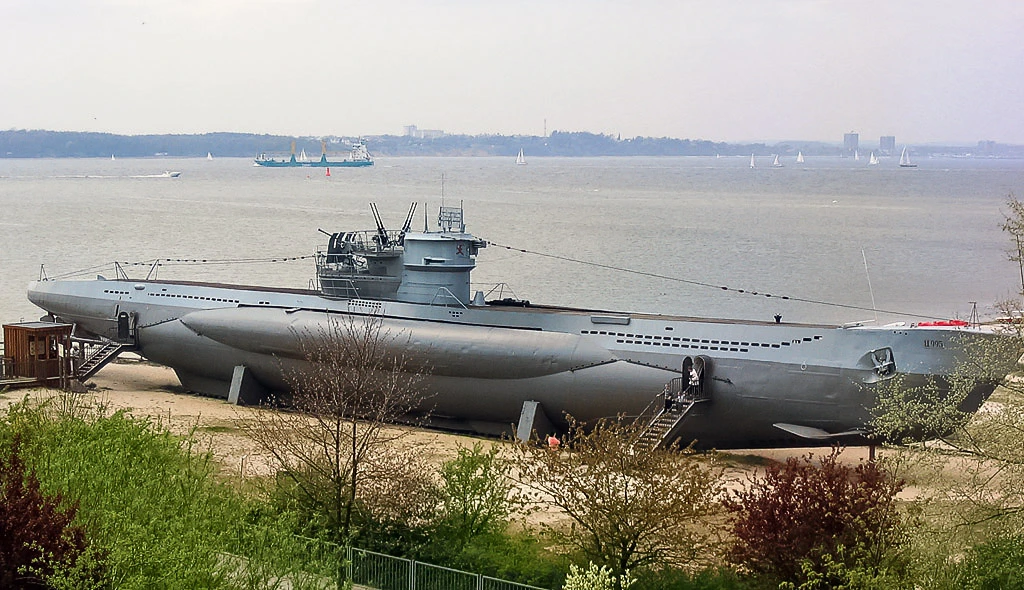
Thirty submarines a month, or next to nothing
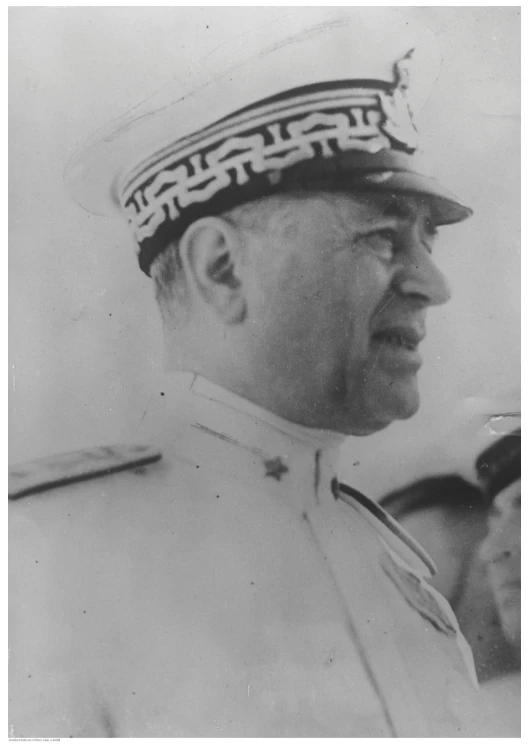
Campioni faces Cunningham off Calabria
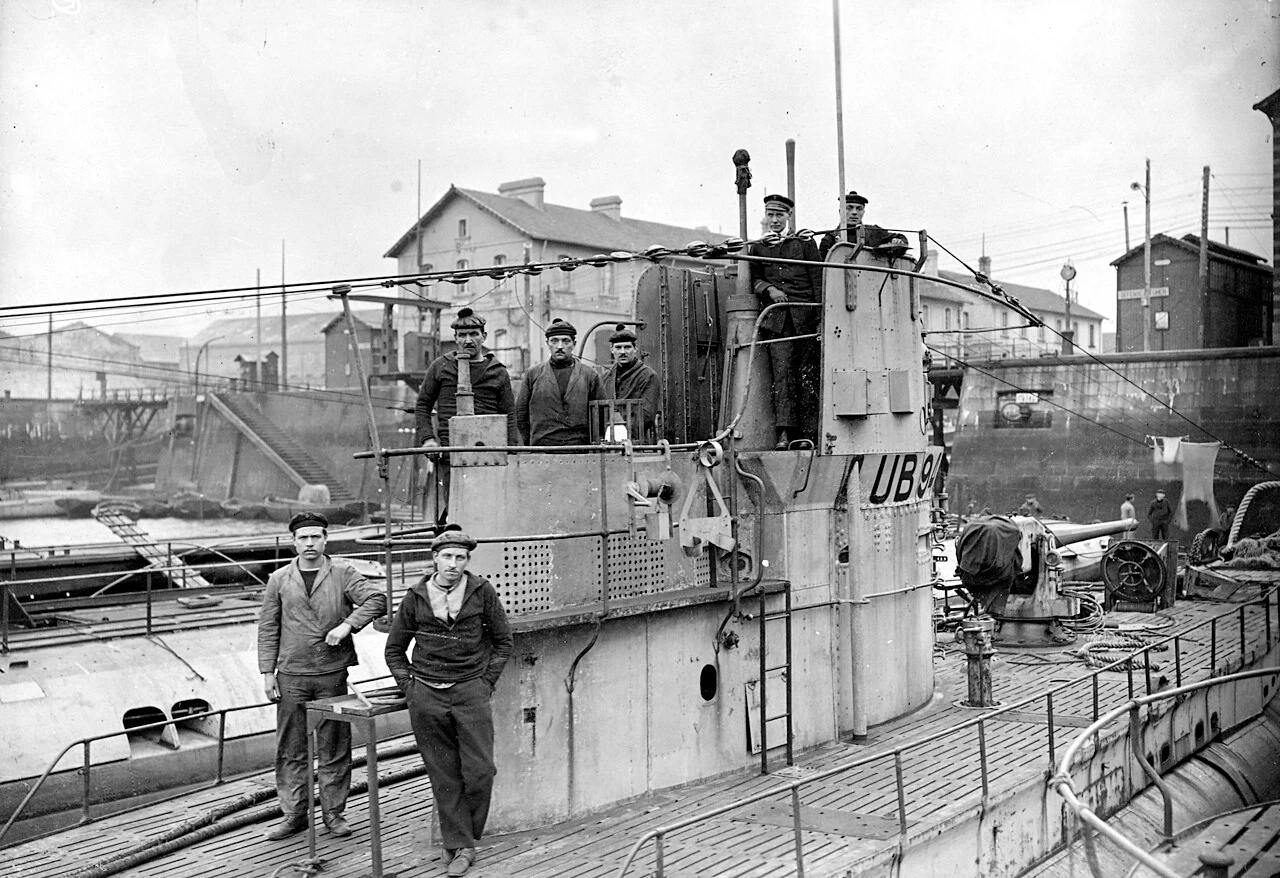
The Cherbourg arsenal in the face of Rommel
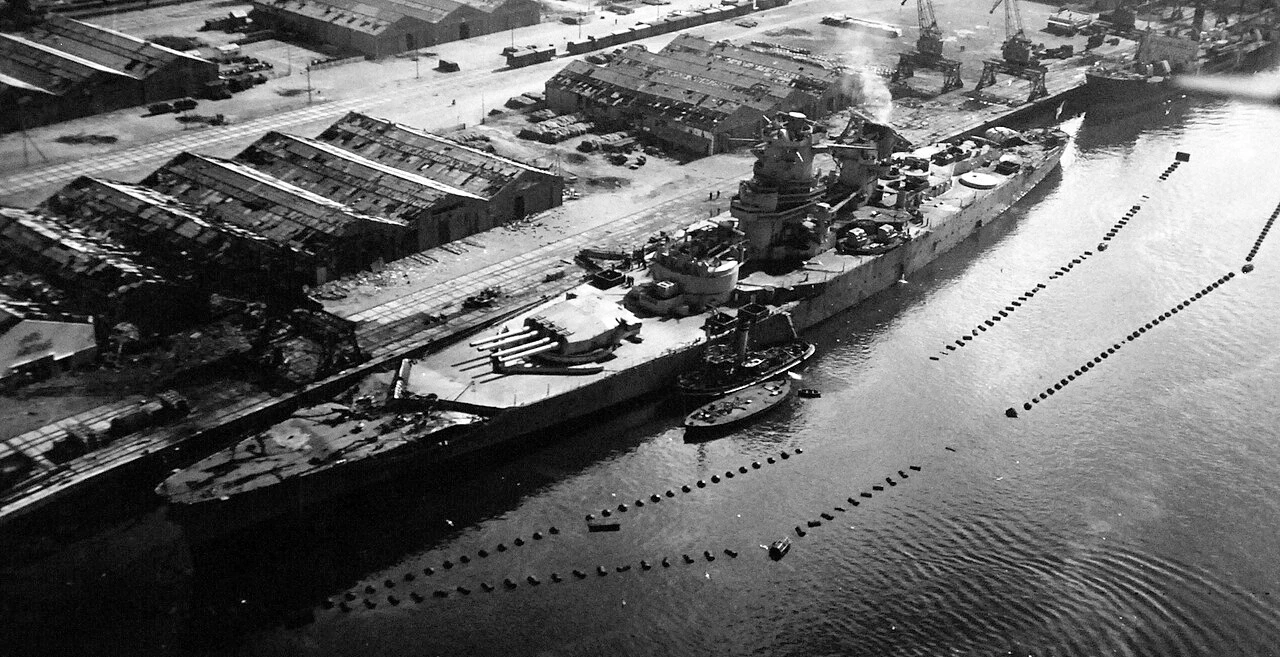
The Unfinished Battleship of Saint-Nazaire
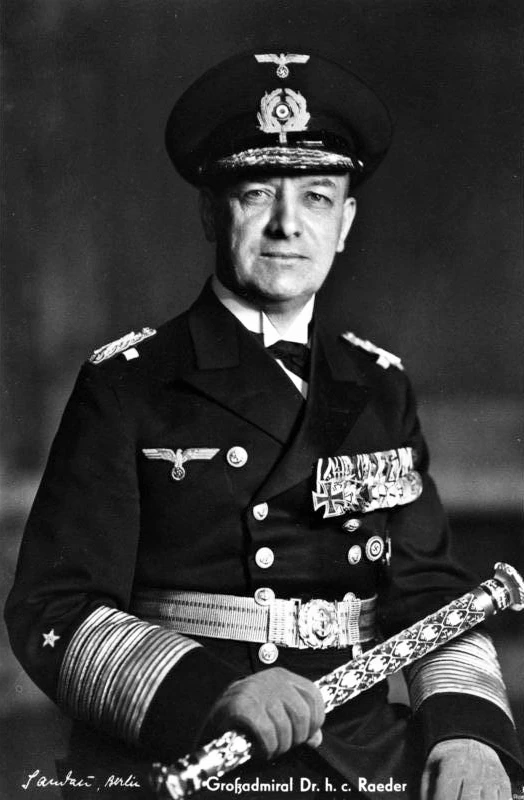
Raeder and the Seelöwe gamble
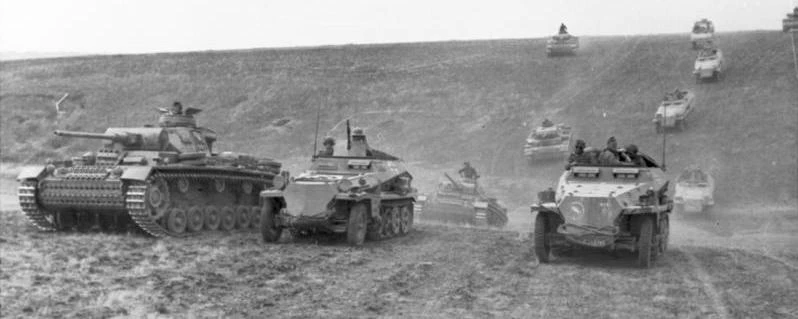
The Panzers' logistical gamble
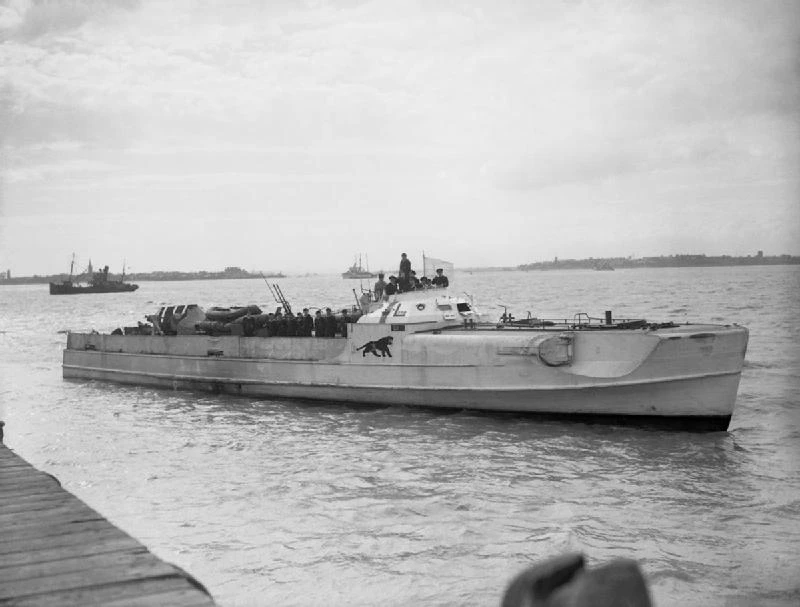
The torpedo boat and the lit Meknes
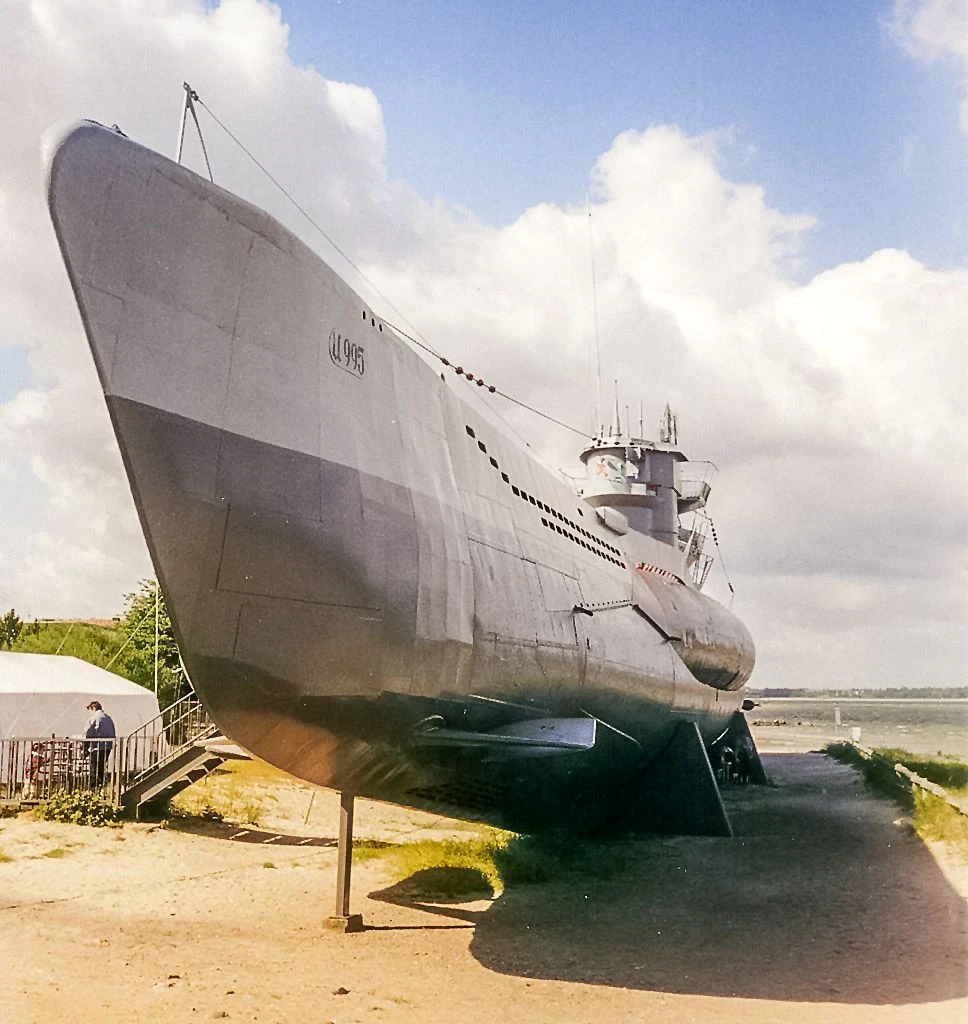
Dönitz at Sengwarden — the winter pause
The Regia Marina against Force H — Cape Spartivento
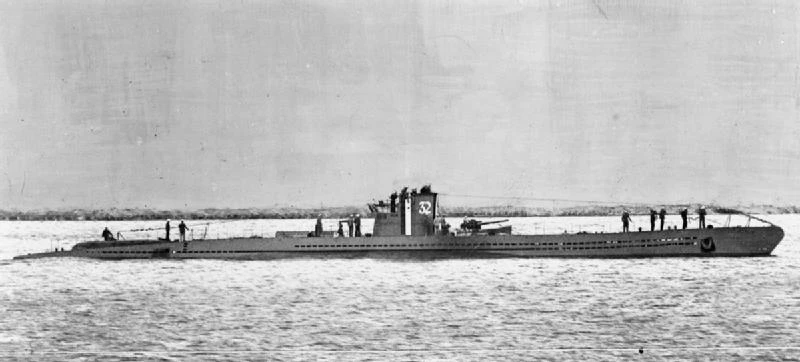
The Giant Adrift off Donegal
Thirty submarines a month, or next to nothing
Campioni faces Cunningham off Calabria
The Cherbourg arsenal in the face of Rommel
The Unfinished Battleship of Saint-Nazaire
Raeder and the Seelöwe gamble
The Panzers' logistical gamble
The torpedo boat and the lit Meknes
Dönitz at Sengwarden — the winter pause
The Regia Marina against Force H — Cape Spartivento