
Mannerheim — at the Defence Council
, seventy-two, is one of the most singular figures of twentieth-century Europe. Born into the Swedo-Finnish nobility when Finland was a Grand Duchy of the Russian Empire, he served in the Tsarist army as a cavalry officer for thirty years (major-general in 1917, operations in Manchuria, the Central Asian expedition of 1906-1908, the Great War). At Finnish independence in 1918 he commanded the White army in the civil war against the Reds, and was Regent of Finland in 1918-1919. Politically marginalised in the 1920s, he was recalled in 1931 as President of the Defence Council (a consultative body).
From 1932 he had the Mannerheim line of fortifications built across the Karelian Isthmus — 132 kilometres of pillboxes, trenches, anti-tank obstacles, taking advantage of the natural lakes. On 1 September 1939, the Finnish army is tactically prepared but materially very inferior: 300,000 men mobilisable, thirty-two obsolete light tanks, 114 aircraft, few anti-tank guns.
The Soviet-Finnish negotiations of the autumn of 1939 (12 October - 13 November) break down. President and Prime Minister are divided. Cajander believes a conciliatory approach will avert war. Mannerheim considers that Stalin will not back down without a demonstration of force. On 17 October, Kallio invites Mannerheim to resume service. Mannerheim accepts on condition that the government adopt a firm defensive posture.
On 28 November, the USSR denounces the non-aggression pact. On 30 November at 6.50 a.m. the attacks along the entire front. Helsinki is bombed at 9.20 a.m.
How does Mannerheim conduct the defence in the first days?
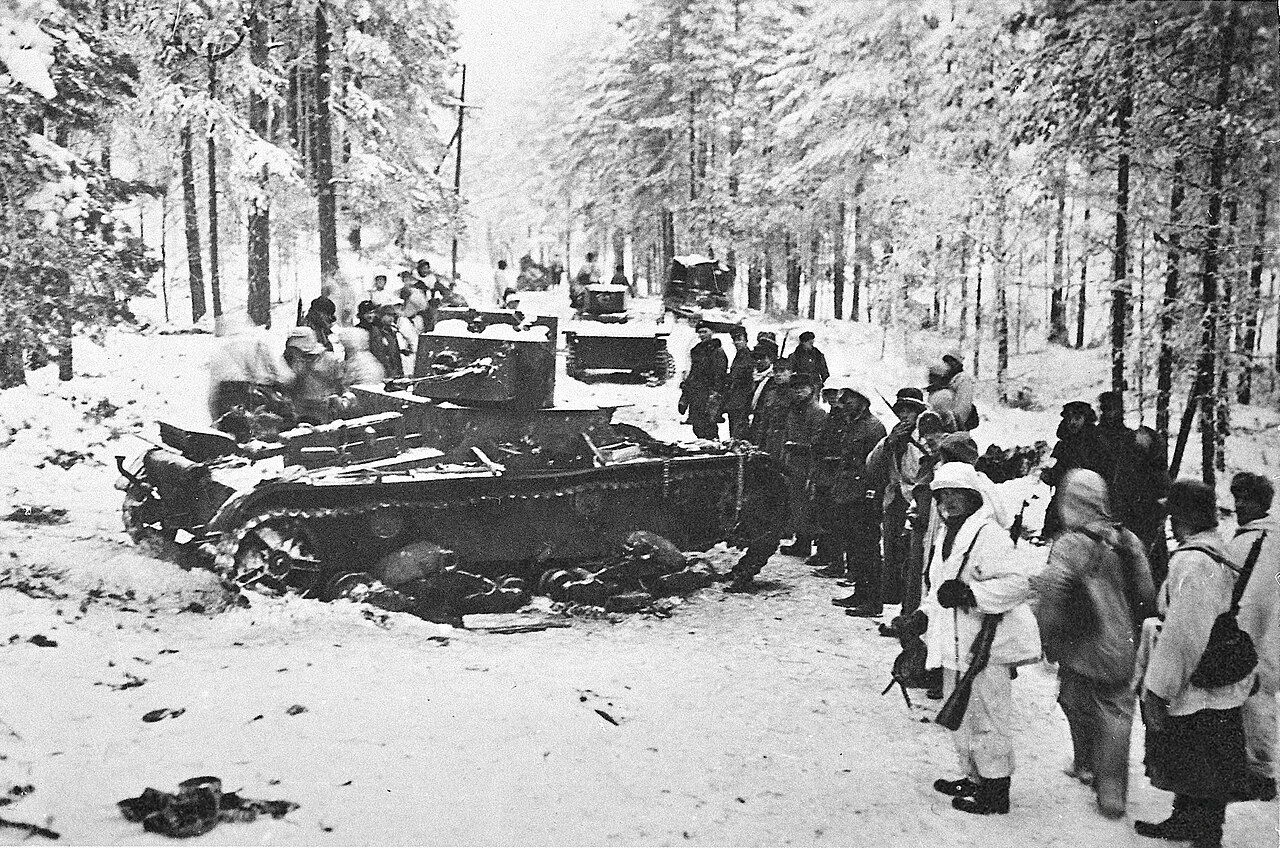
Mannerheim chooses B. The Mannerheim Line holds on the Karelian Isthmus for twelve weeks (30 November 1939 - 11 February 1940), repulsing the commanded by , then by . Meanwhile, in the northern forests (the regions of Suomussalmi, Kollaa, Tolvajärvi), the Finnish white-clad ski brigades (General ) annihilate the Soviet 163rd, 44th, and 88th Infantry Divisions by "motti" (encirclement) tactics — 27,500 Soviet dead and prisoners for some 900 Finnish dead in the northern theatre alone. In all, the Winter War lasts from 30 November 1939 to 13 March 1940. Soviet toll: 126,875 confirmed dead (Soviet figures published after 1991), perhaps 167,000 (Western estimates). Finnish toll: 25,904 dead, 43,557 wounded. The Peace of Moscow cedes 11 per cent of Finnish territory — less than Stalin had demanded. Mannerheim is promoted Marshal in 1942, becomes President of the Republic in August 1944 (to negotiate the armistice with the Soviets), and resigns in March 1946. He goes into exile in Switzerland (Montreux), where he writes his memoirs. He dies in January 1951. His name becomes synonymous with Finnish resistance.
Learn more about this event
Related polls
10
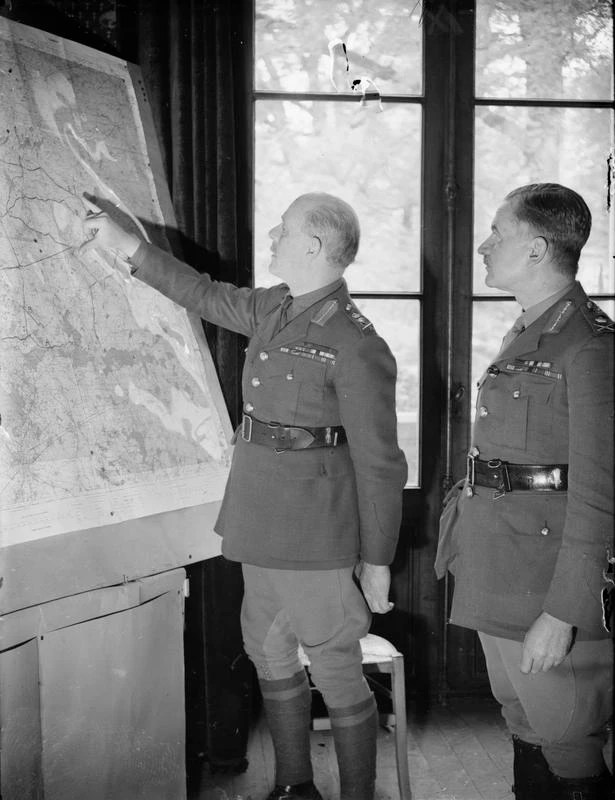
Gort at Habarcq — trust in the French plan
Pajari at Tolvajärvi — 12 December, 04:00
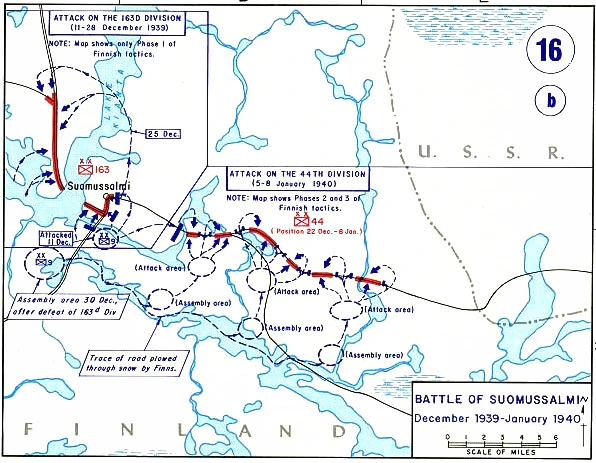
Suomussalmi — Siilasvuo against the 163rd
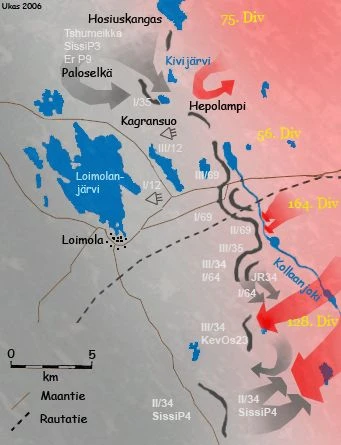
Svensson on the Kollaa front
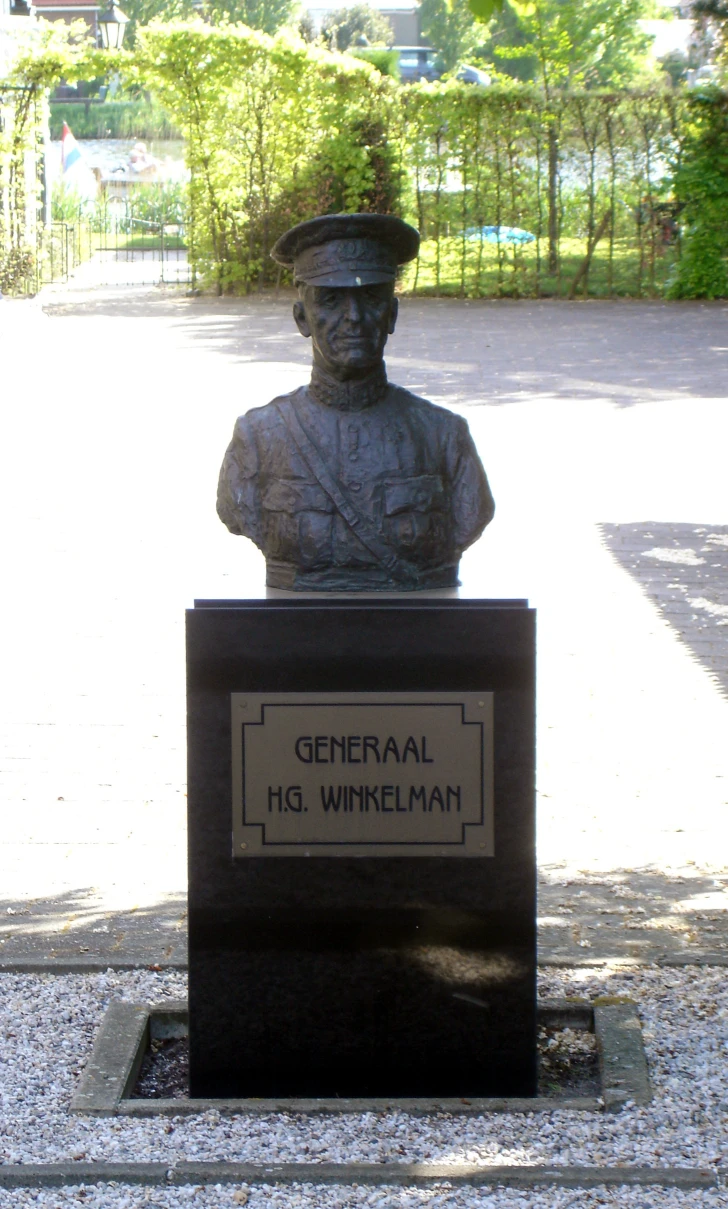
Winkelman after Rotterdam — 14 May
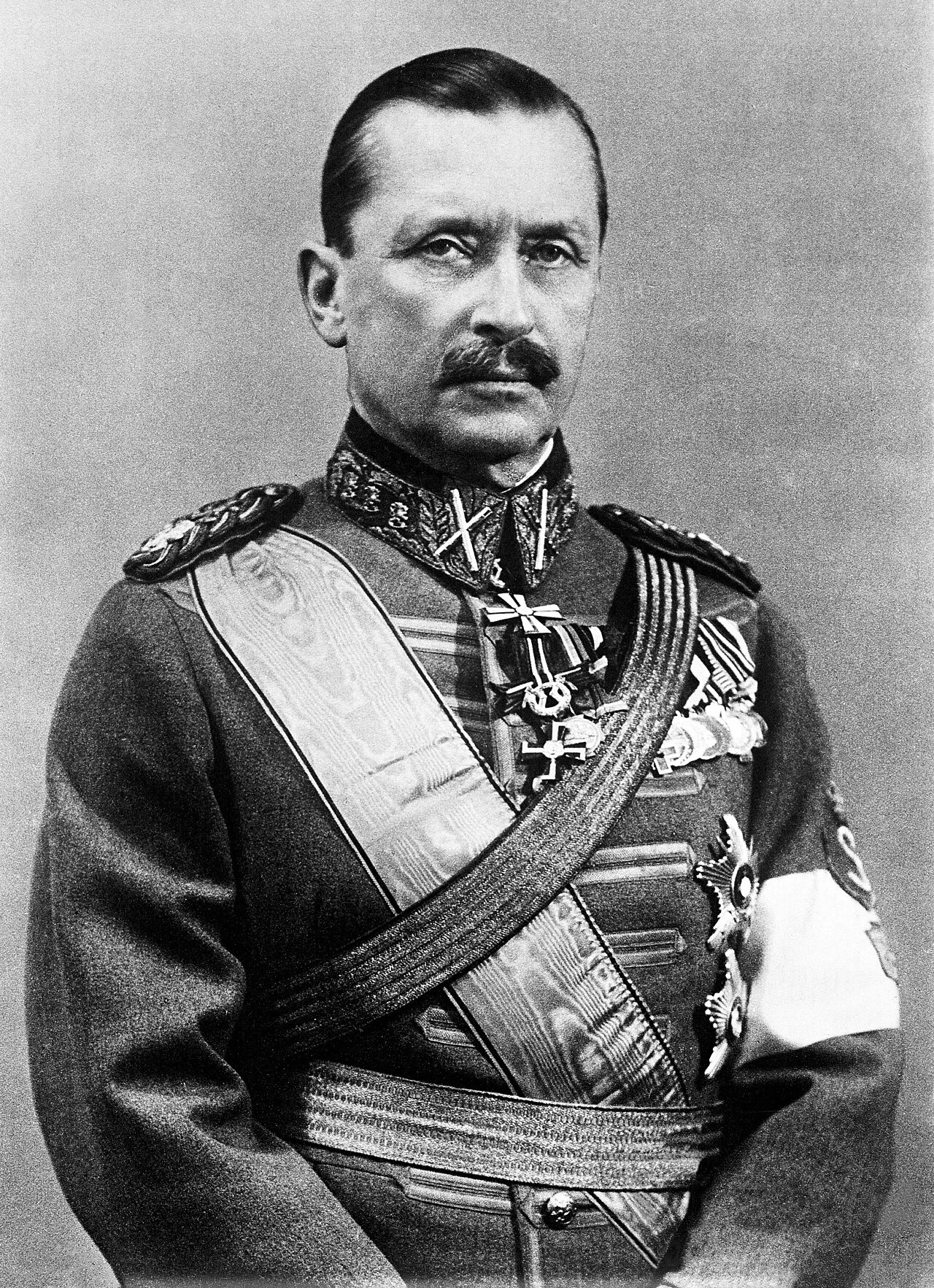
Mannerheim — the order facing Viipuri
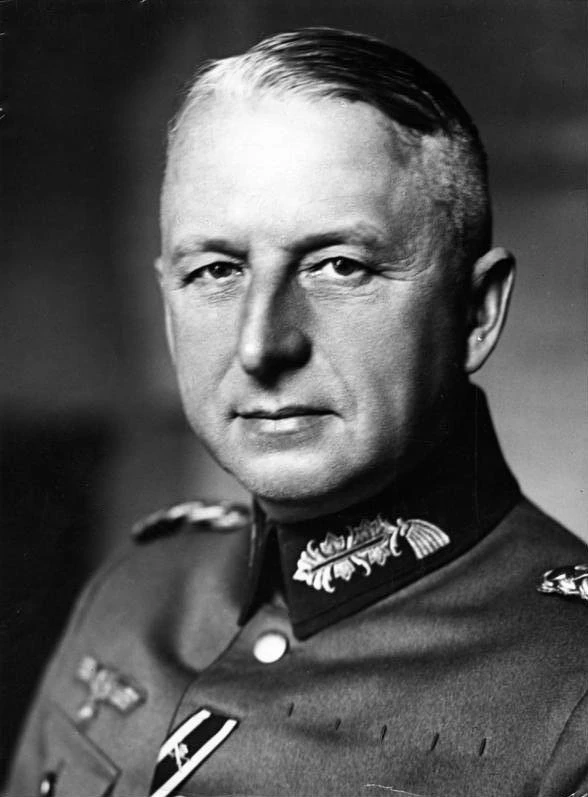
Manstein at Liegnitz — the October memorandum
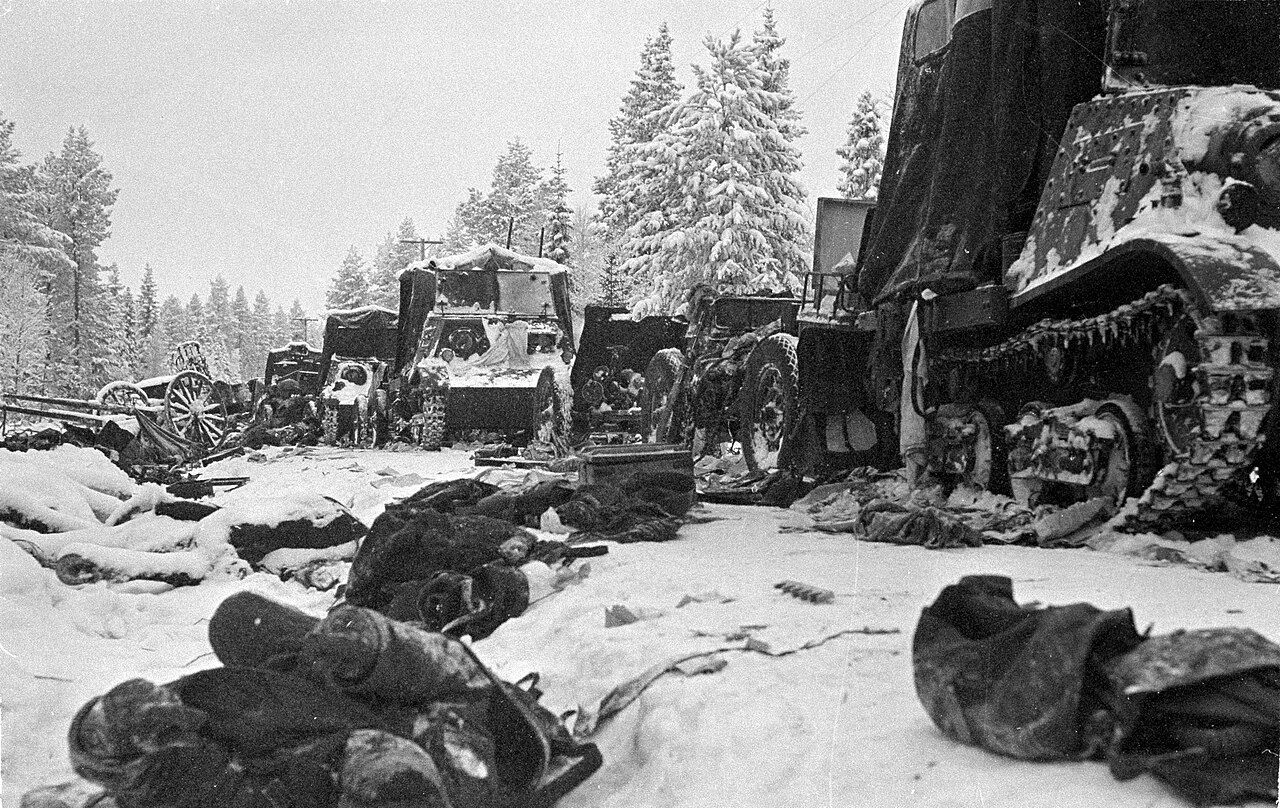
Raate — Vinogradov on the frozen road
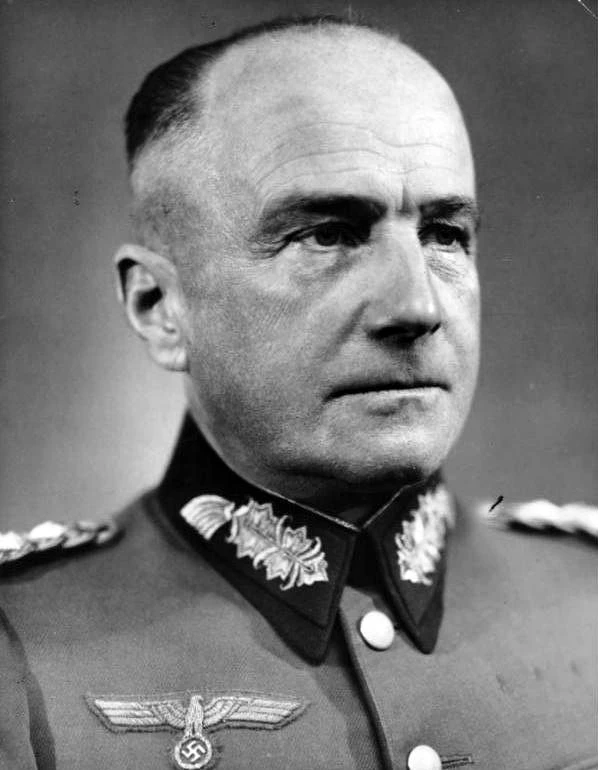
Brauchitsch — Reich Chancellery, 5 November
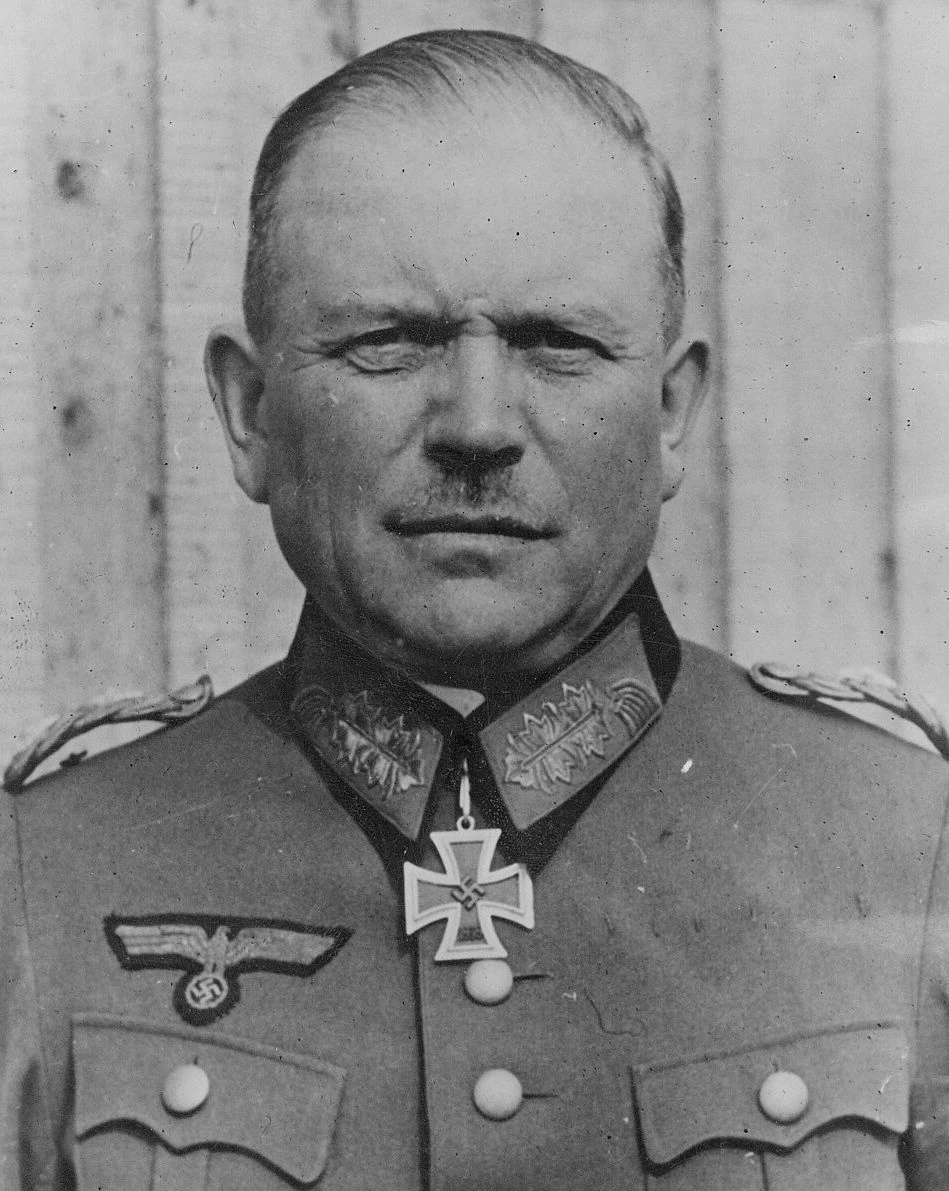
Brześć — Plisowski faces Guderian
Gort at Habarcq — trust in the French plan
Pajari at Tolvajärvi — 12 December, 04:00
Suomussalmi — Siilasvuo against the 163rd
Svensson on the Kollaa front
Winkelman after Rotterdam — 14 May
Mannerheim — the order facing Viipuri
Manstein at Liegnitz — the October memorandum
Raate — Vinogradov on the frozen road
Brauchitsch — Reich Chancellery, 5 November