
Leningrad: The First Ice on Lake Ladoga
Leningrad has been encircled since 8 September 1941; the fire at the Badayev warehouses has swallowed up part of the food stocks. On 20 November, the bread ration falls to 125 grams a day for non-workers — bread cut with cellulose. Nearly 2.5 million civilians are trapped, and winter is setting in.
The only way out runs across Lake Ladoga. On 22 November 1941, the first trucks venture onto the barely formed ice: this is the "Road of Life." The crossing is deadly — the ice gives way under the weight, German aircraft strafe it, the cold kills.
For a mother, every option is a gamble: entrust her children to the perilous ice, or keep the family together in the city in the hope that the siege will be lifted.
As the ice road opens, should this mother evacuate her children across the frozen lake, stay together in the city, or try to leave on foot?
The ice road, opened on 22 November 1941, became the city's umbilical cord: over the whole siege, nearly 1.3 million people were evacuated and a trickle of supplies brought in. But the winter of 1941-1942 killed up to 100,000 people a month; in all, the siege caused 800,000 to a million deaths, mostly from starvation. Leaving early across Lake Ladoga gave children the best chance of survival.
Learn more about this event
Related polls
10
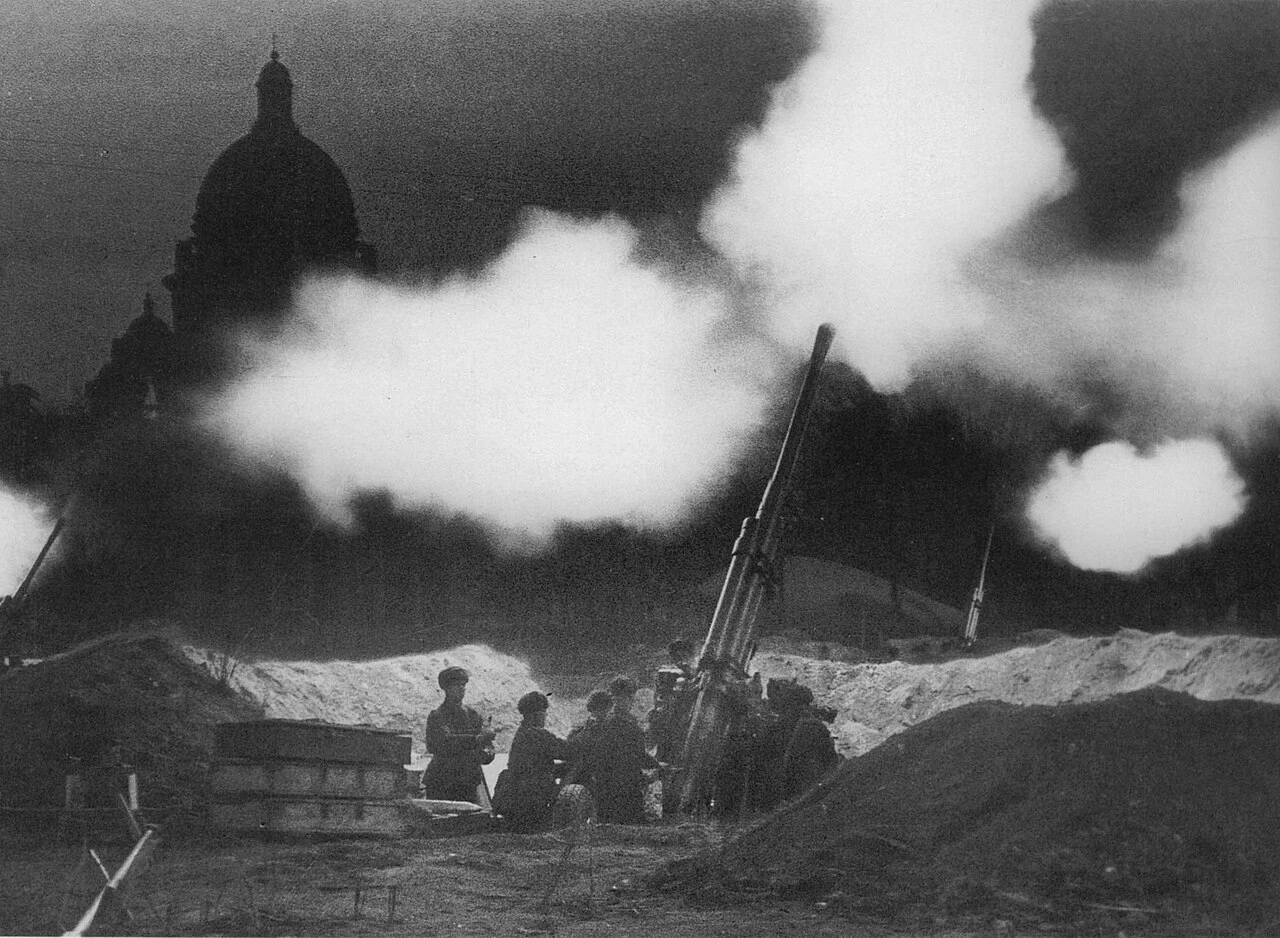
The Kirov Plant Under the Shells
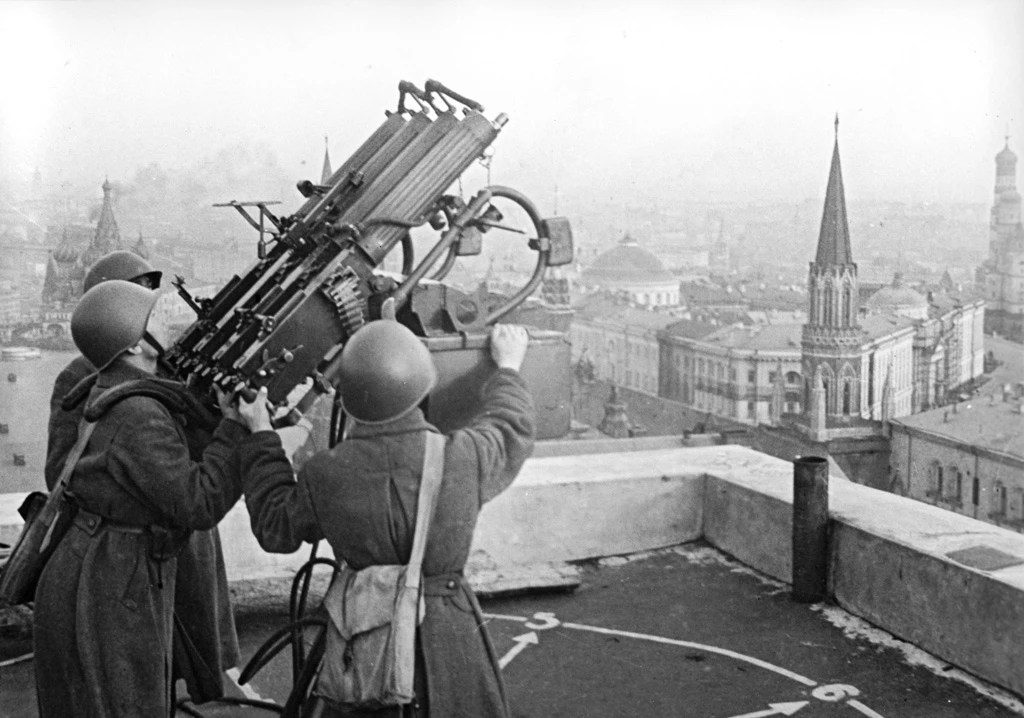
Moscow, 16 October 1941: The Day of Great Panic
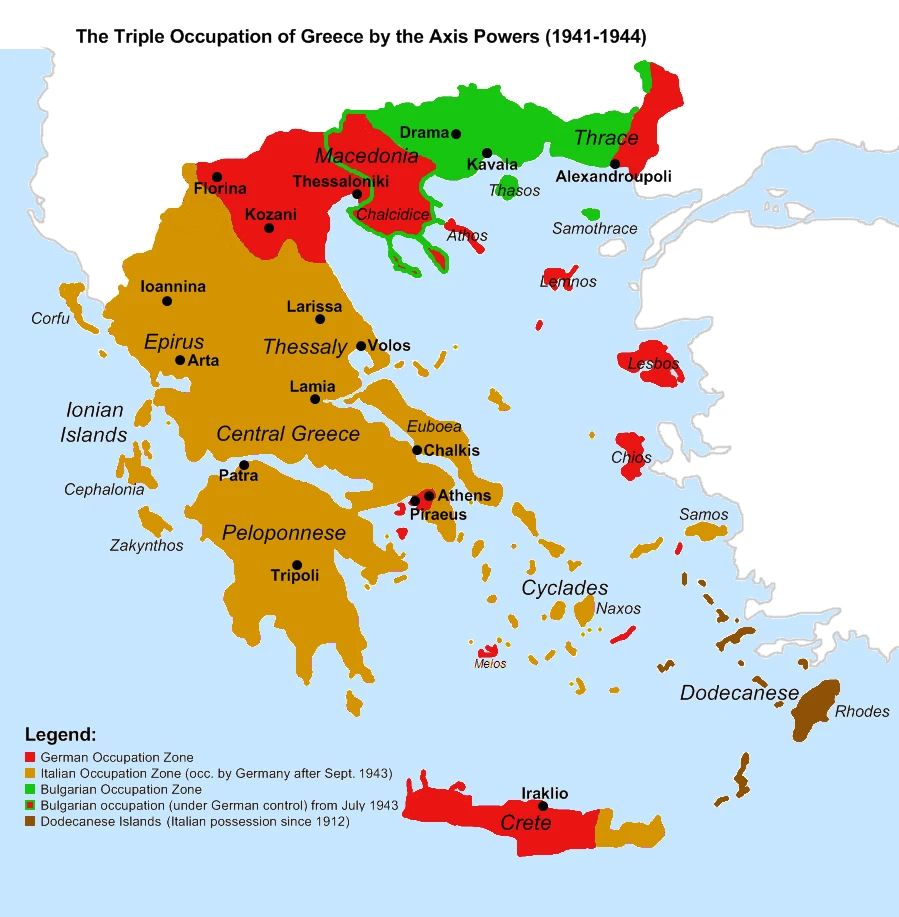
Athens, the Winter of Hunger
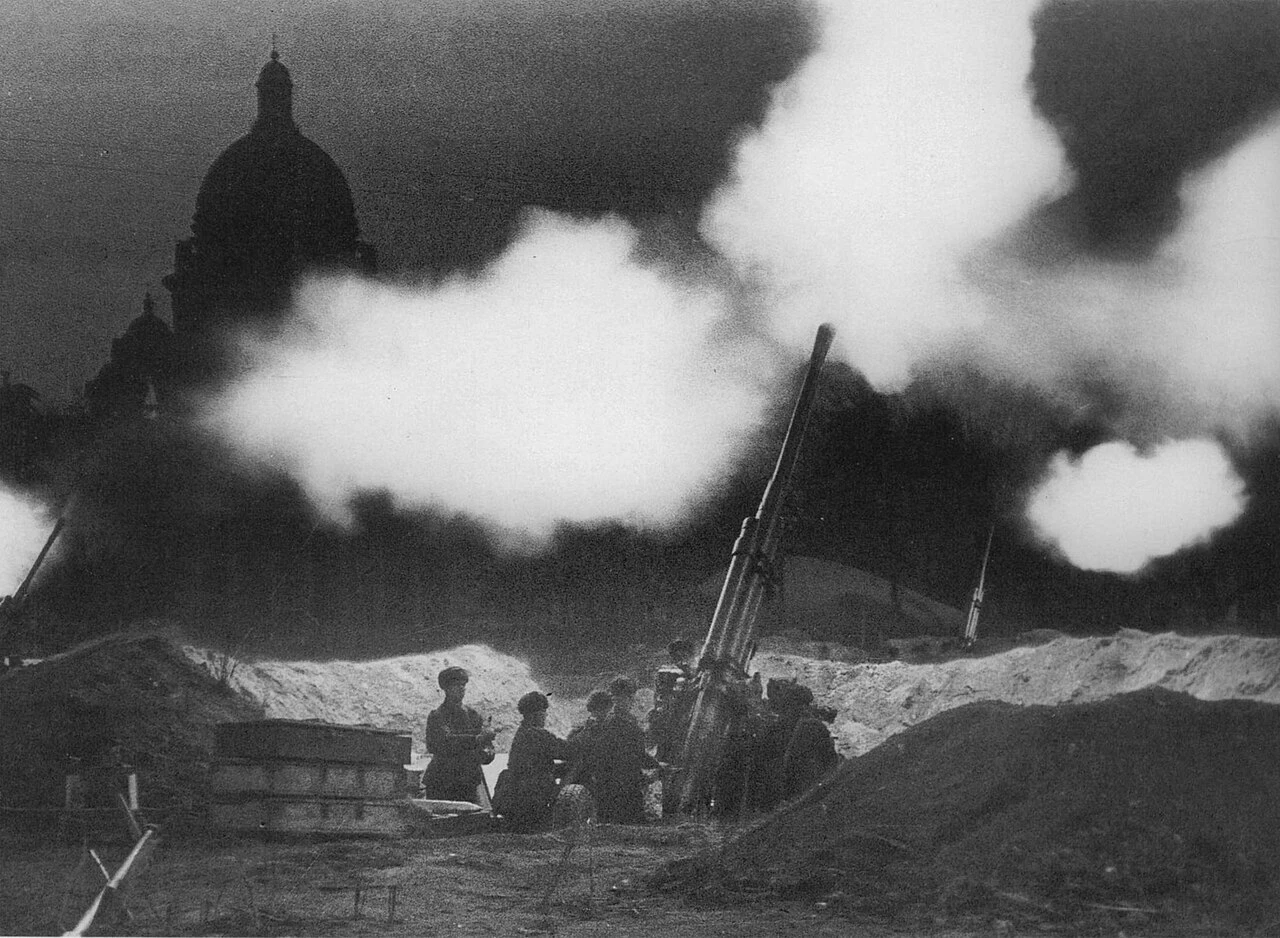
Leningrad University during the siege
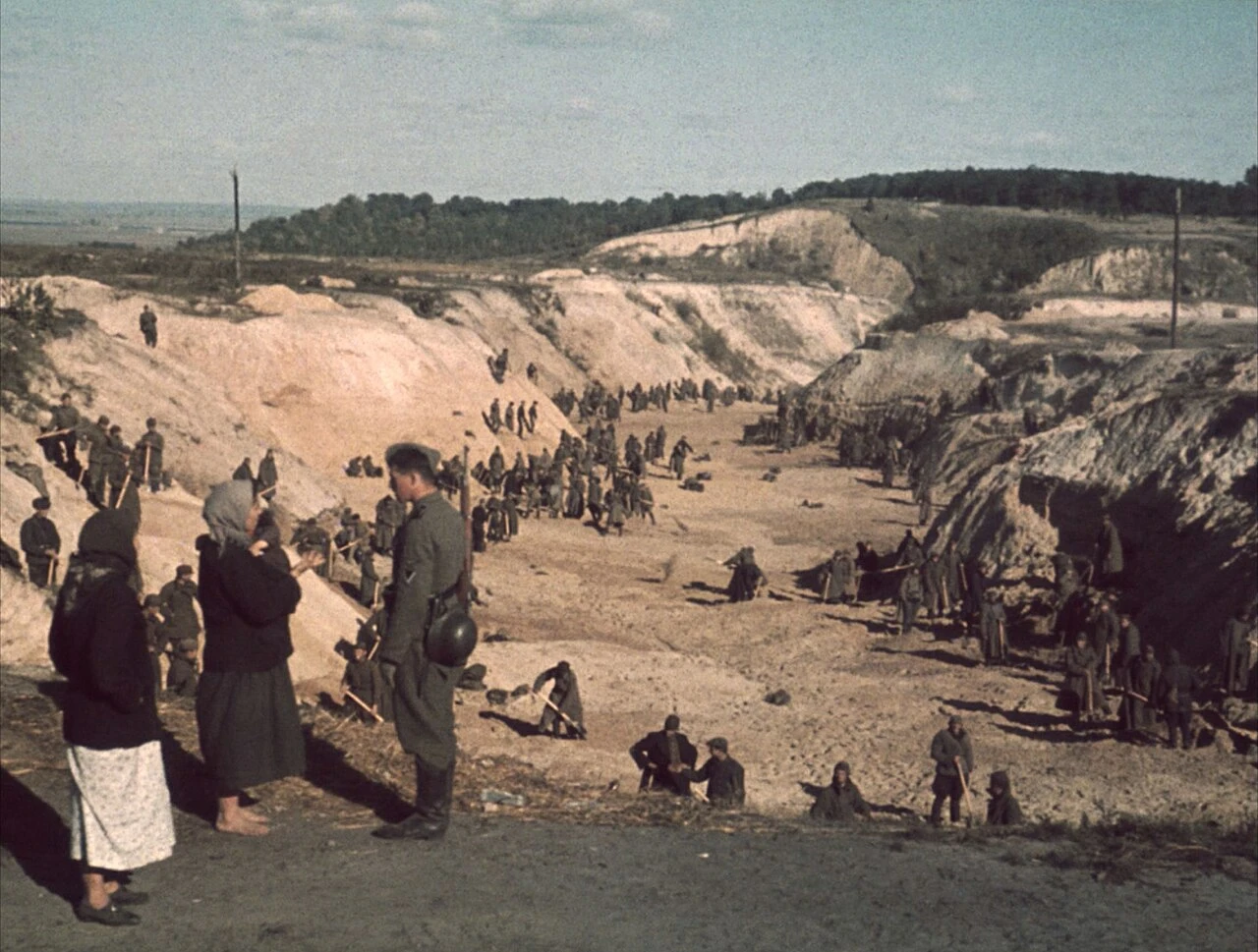
Kiev, 29 September 1941: The Posted Notice
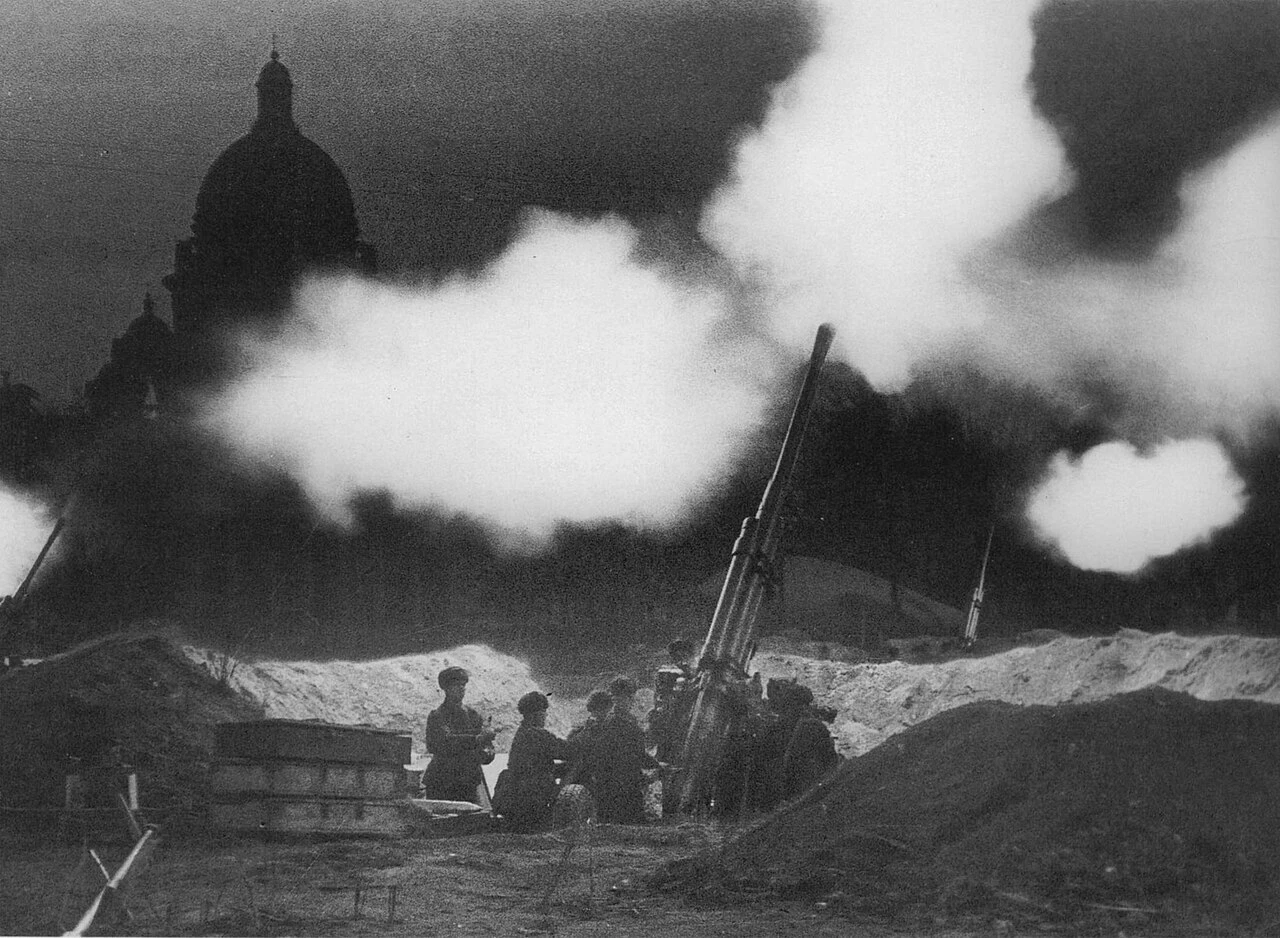
Leningrad besieged: hunger as a weapon
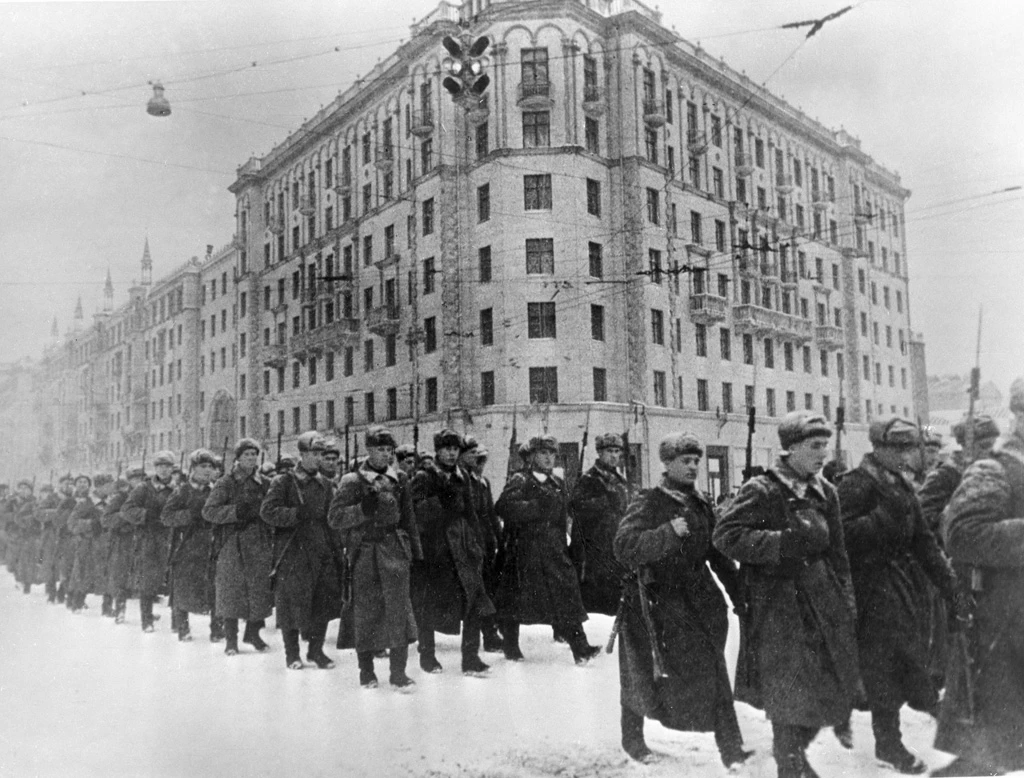
At the Gates of Moscow, in the November Frost
A Correspondent in Berlin
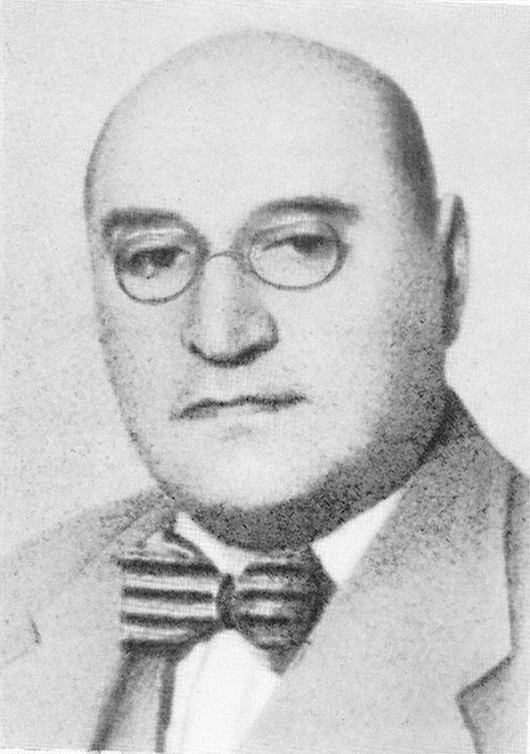
Czerniaków — the offer of the Judenrat
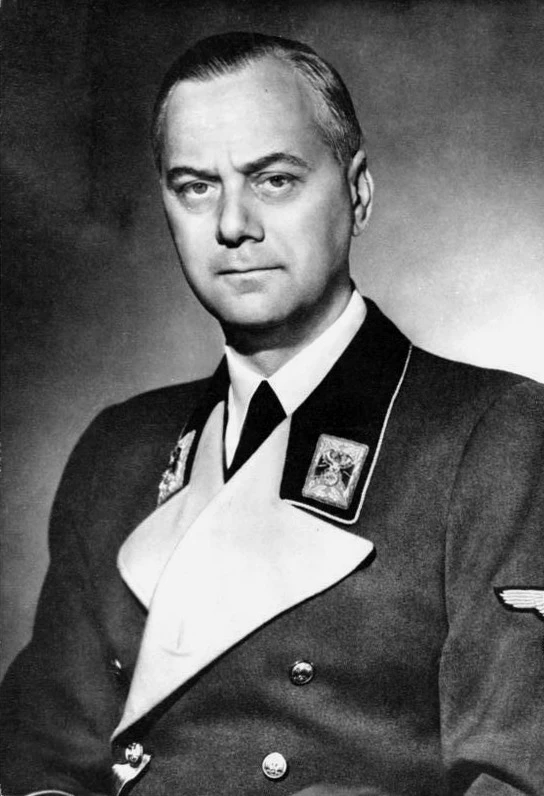
The Evacuation of the Children
The Kirov Plant Under the Shells
Moscow, 16 October 1941: The Day of Great Panic
Athens, the Winter of Hunger
Leningrad University during the siege
Kiev, 29 September 1941: The Posted Notice
Leningrad besieged: hunger as a weapon
At the Gates of Moscow, in the November Frost
A Correspondent in Berlin
Czerniaków — the offer of the Judenrat