
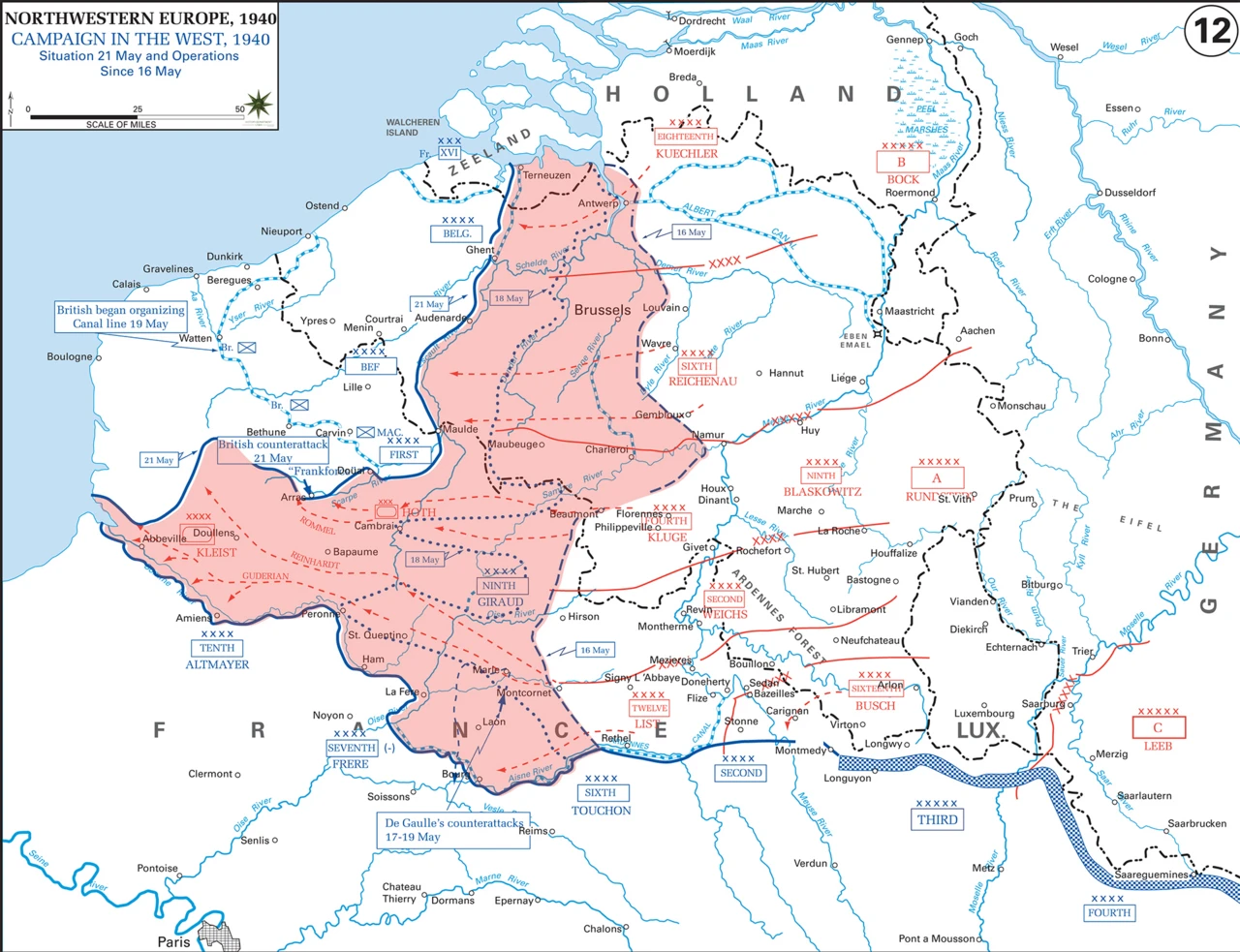
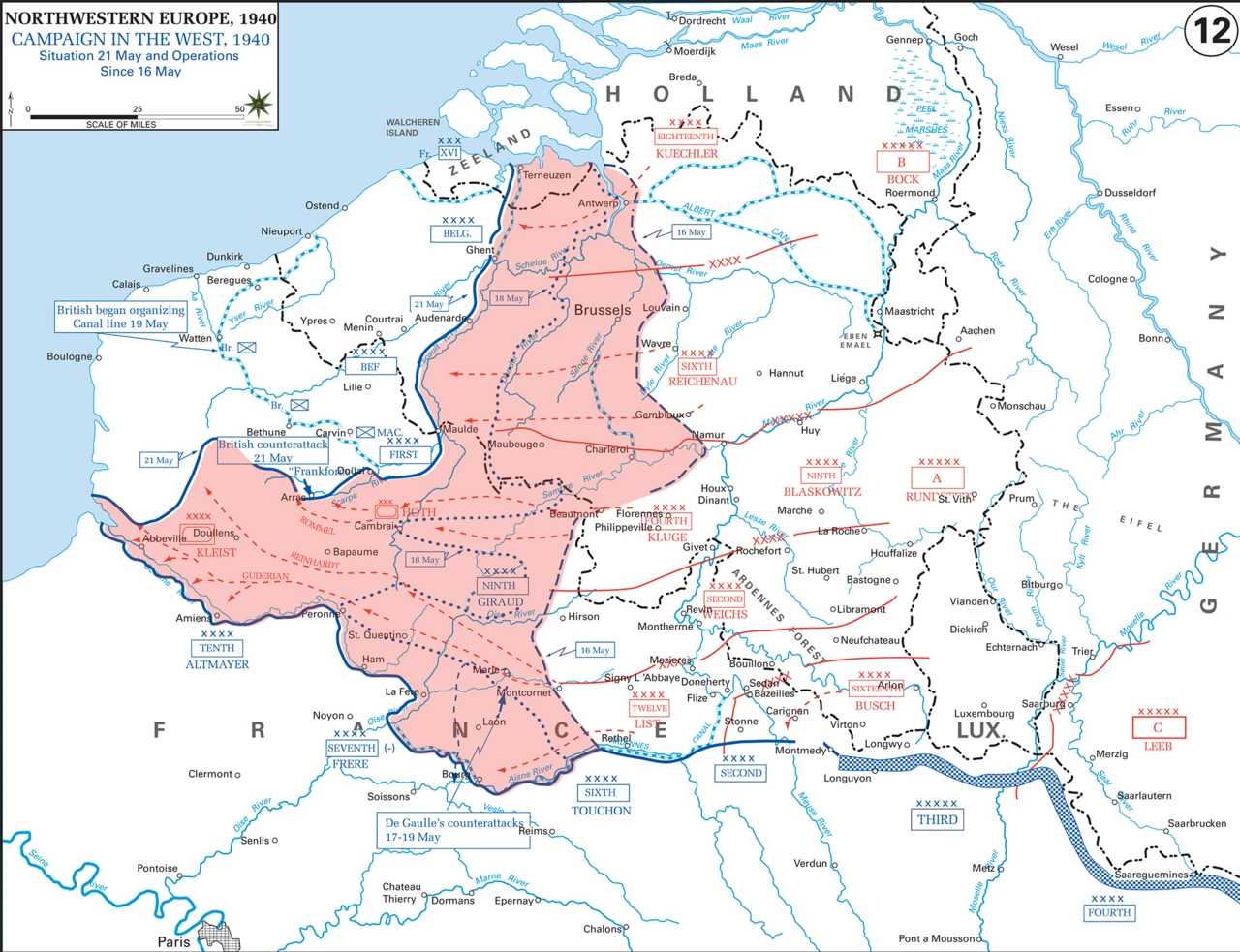
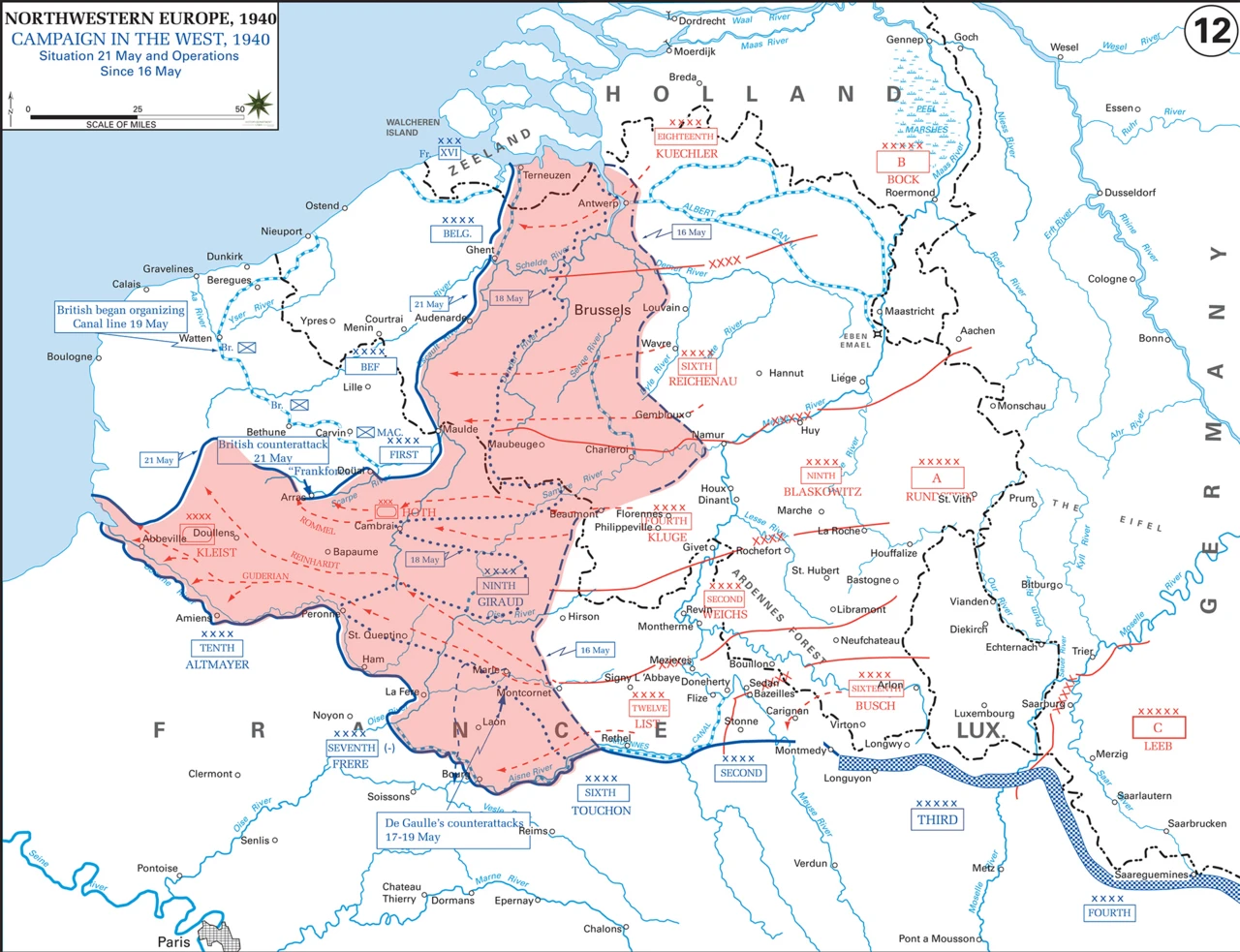
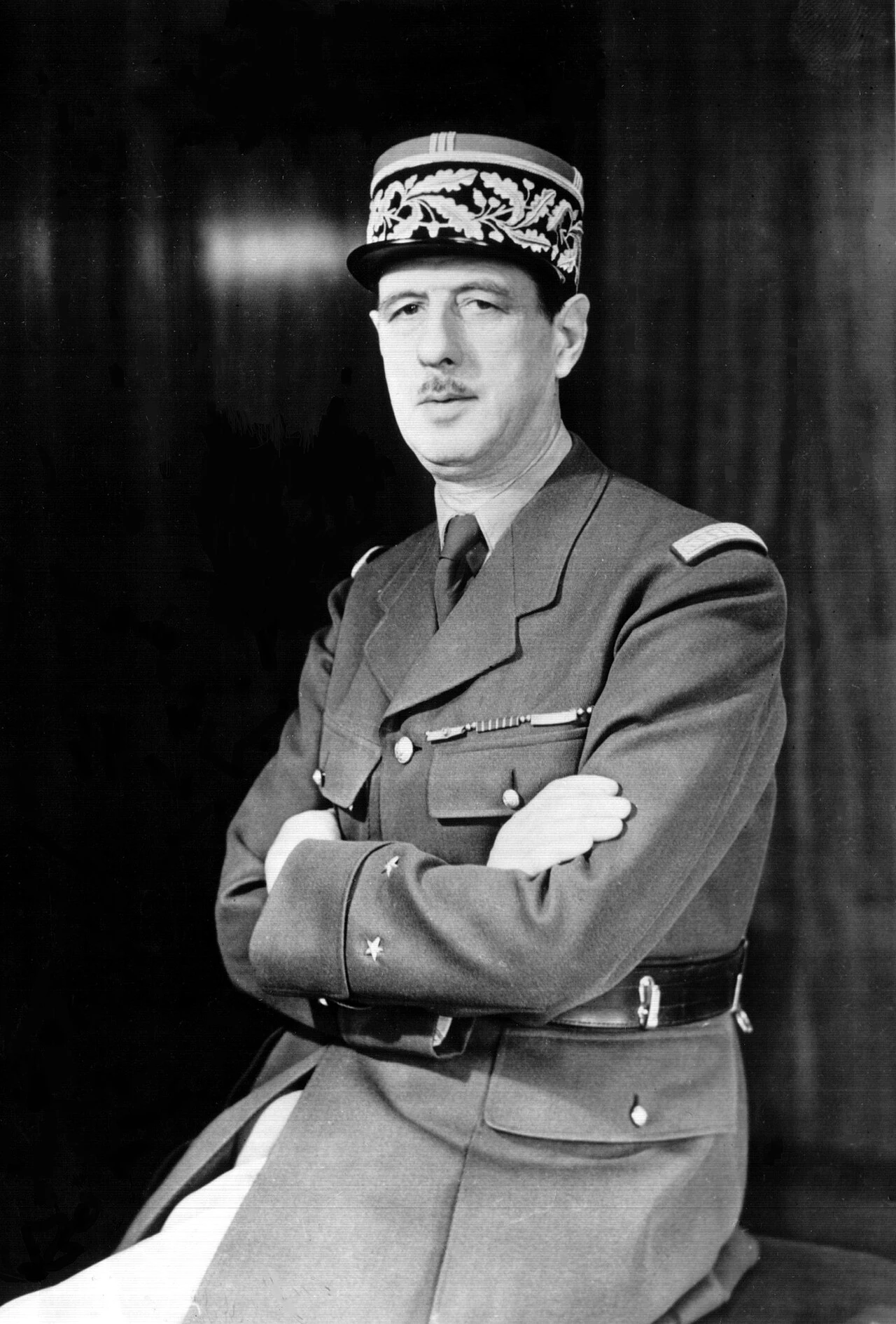
On 17 May 1940, Colonel , at the head of the still being formed, receives the order to counter-attack in order to slow the German breakthrough in the Laon region. A theorist of the massed employment of armour, he sees here the chance to apply his ideas — long ignored by the French high command.
His division is incomplete, heterogeneous, without air cover or sufficient infantry support, facing an enemy in full momentum. To attack under these conditions is risky; but to do nothing is to let the Panzers race towards the Channel without reaction.
De Gaulle must decide. Dash towards Montcornet to strike the German rear and demonstrate the value of armoured manoeuvre. Postpone the attack until he has complete forces and air support, at the risk of missing the opportunity. Or conduct a limited harassing action, more prudent. It is also his conception of modern war that he wants to prove in the field.
Should De Gaulle dash on Montcornet, postpone the attack, or limit himself to harassment?
De Gaulle chooses A: on 17 May, he pushes his division towards Montcornet, knocking back German elements and reaching the outskirts of the town. But, deprived of air cover (the Stukas harass him) and infantry support, he must withdraw. He would renew the effort towards Crécy-sur-Serre in the following days, with local success but no strategic effect. These counter-attacks, among the rare French offensive initiatives of the campaign, confirm De Gaulle's theses on armour and would contribute to his prestige and his promotion to the rank of general. They underline, by contrast, the missed opportunity of a coherent French armoured doctrine.
Learn more about this event
Related polls
10
Arras — the Matildas against Rommel's flank
Boulogne — Fox-Pitt and the Guards facing the port
Bulson — Lafontaine and the 02:00 rumour
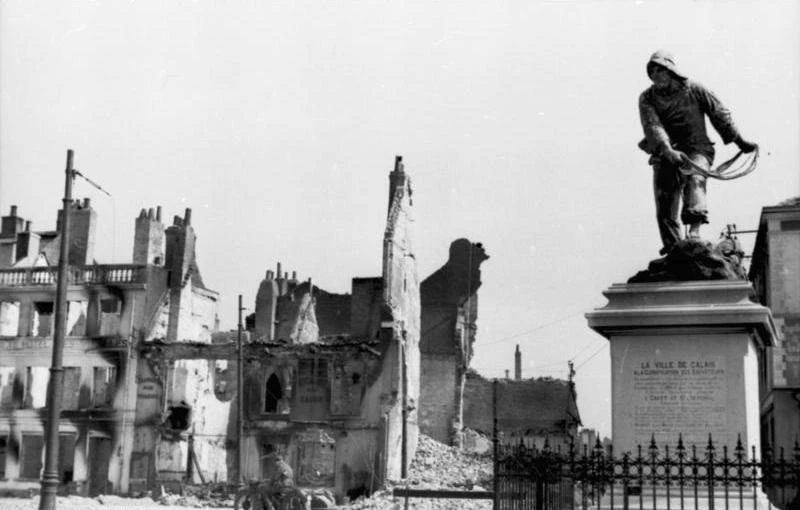
Calais — Nicholson facing the ultimatum
The Arras counter-attack
De Gaulle at Abbeville
De Gaulle at Montcornet — 17 May
The Defence of Boulogne
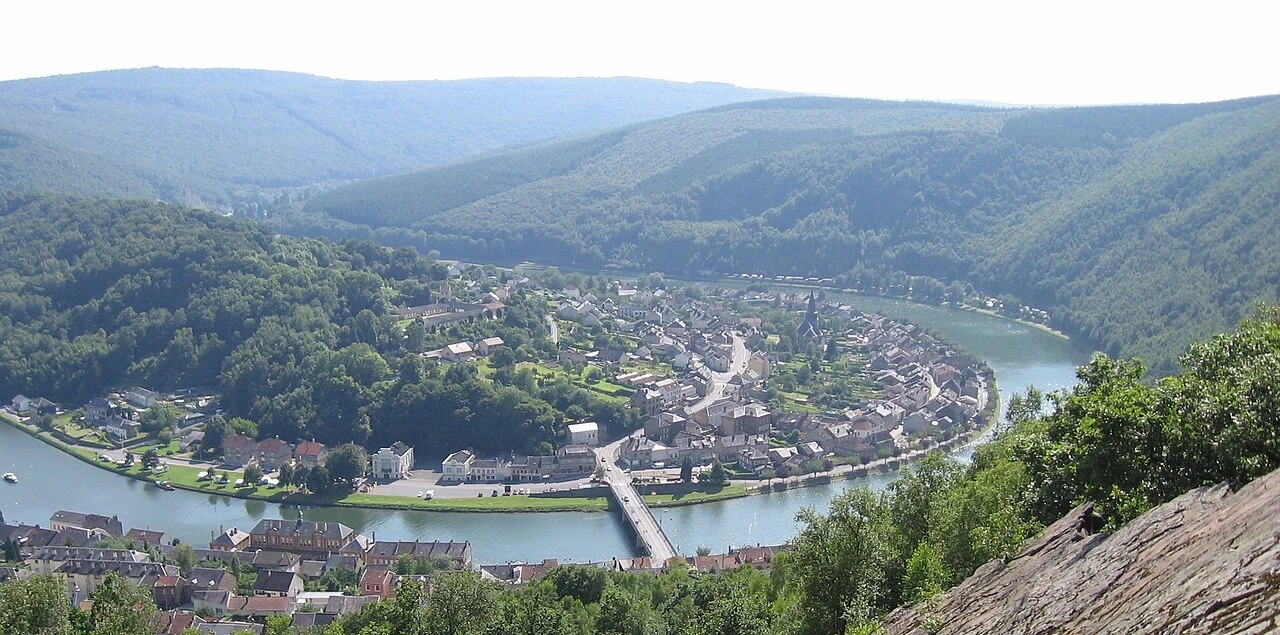
Monthermé — Portzert in the Meuse loop
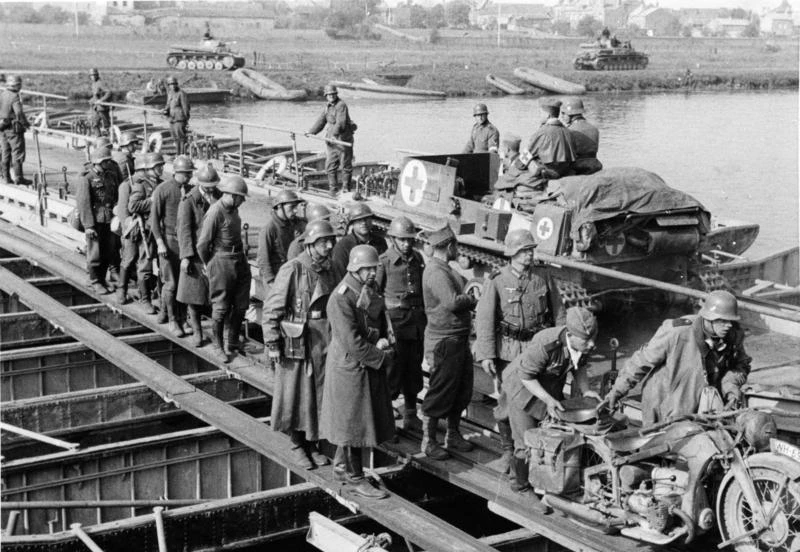
The panic of Bulson
Arras — the Matildas against Rommel's flank
Boulogne — Fox-Pitt and the Guards facing the port
Bulson — Lafontaine and the 02:00 rumour
Calais — Nicholson facing the ultimatum
The Arras counter-attack
De Gaulle at Abbeville
De Gaulle at Montcornet — 17 May
The Defence of Boulogne
Monthermé — Portzert in the Meuse loop