
Galland over the Estuary
Major , 28, has commanded III. Gruppe of from airfields in the Pas-de-Calais. Promoted Major six days earlier, he is already one of the Luftwaffe's most prominent fighter pilots, in the direct orbit of Reichsmarschall .
Since early July, the Kanalkampf — the 'Channel battle' — has been underway, an obligatory prelude to any invasion of Britain. The Luftwaffe is harrying the British coastal convoys to close the Strait. The briefing describes an adversary already shaken by the fall of France and reckoned to be numerically exhausted.
On this 24 July, Galland leads 40 Messerschmitt Bf 109 fighters escorting 18 Dornier Do 17 bombers sent against a merchant convoy in the Thames Estuary. But three squadrons of Royal Air Force Spitfires appear to defend the ships, more aggressive than expected despite their numerical inferiority. His pilots hesitate at contact, the enemy fighters hold their ground, and the attack on the convoy stalls.
Galland must decide, within minutes, how to conduct the ordered engagement.
Do you press the attack despite stiffer fighter opposition than expected, or break off the combat?
Galland chooses A: he pushes the attack to its conclusion and himself shoots down a Spitfire (that of P/O , of ). But the tally strikes him: the British lose only two aircraft while his pilots claim sixteen. Back on the ground, he berates his men for their reluctance to engage the Spitfires and begins to suspect that the battle will not be as easy as the Reichsmarschall supposed. His emerging verdict — a determined adversary, well equipped, fighting on his own soil — heralds the misjudgement that will undermine the campaign. On 22 August, Göring will appoint him Kommodore of the whole . Galland will end the war with 104 confirmed victories and become General of the Fighter Arm, one of the most famous German airmen of the conflict.
Learn more about this event
Related polls
10
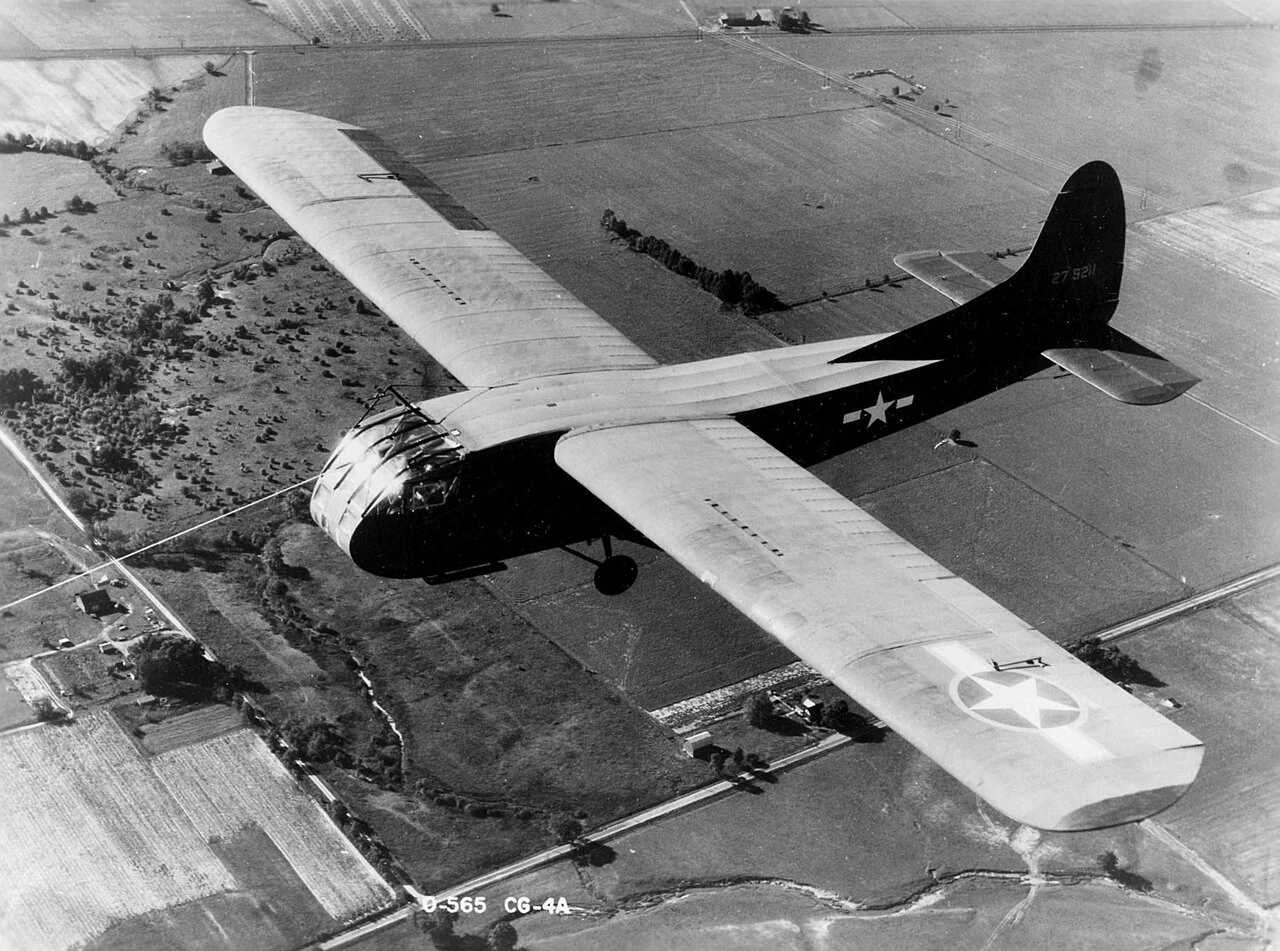
The coup de main on Ében-Émael
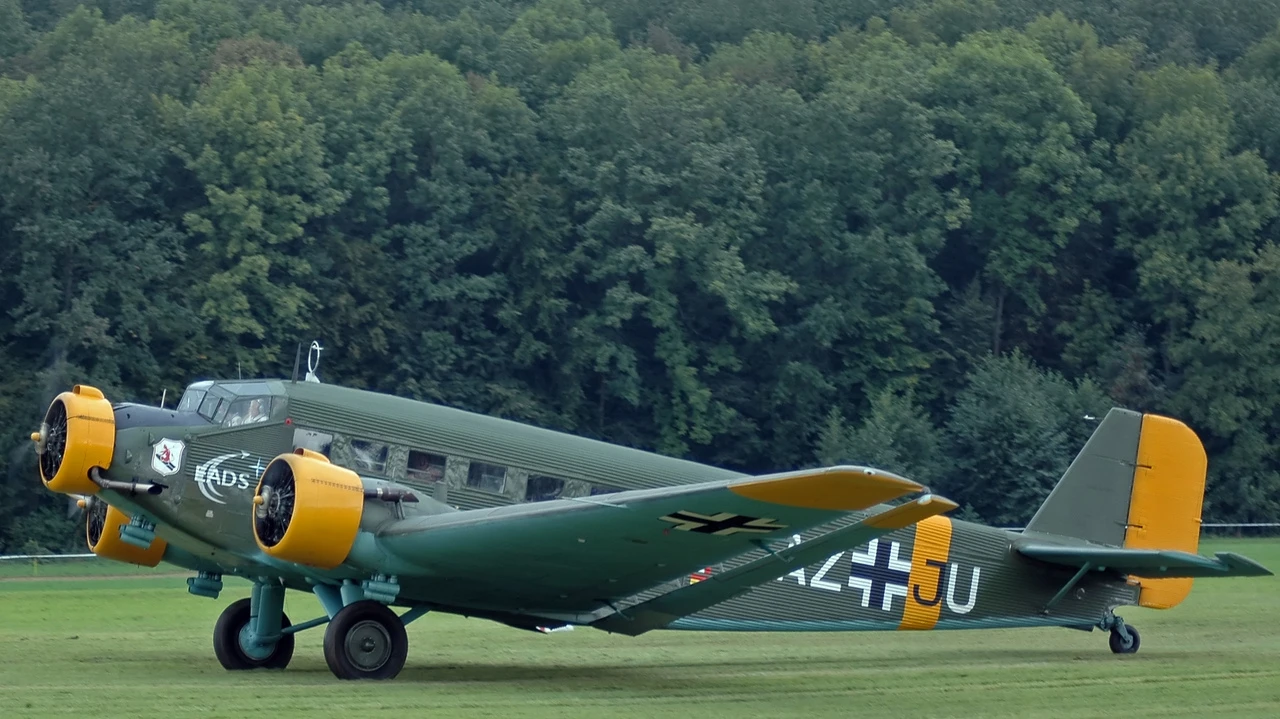
Fornebu — the transports under fire
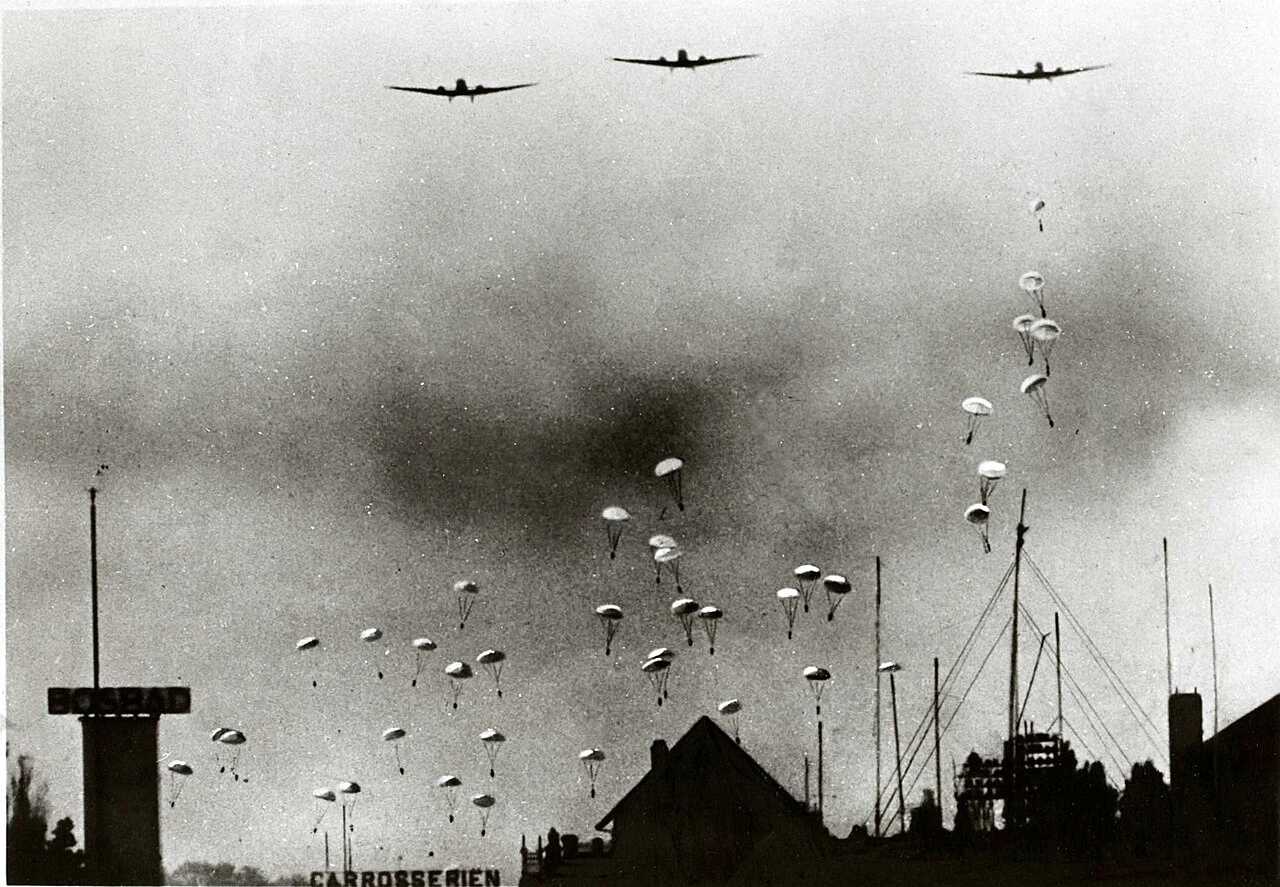
The paratroopers on The Hague
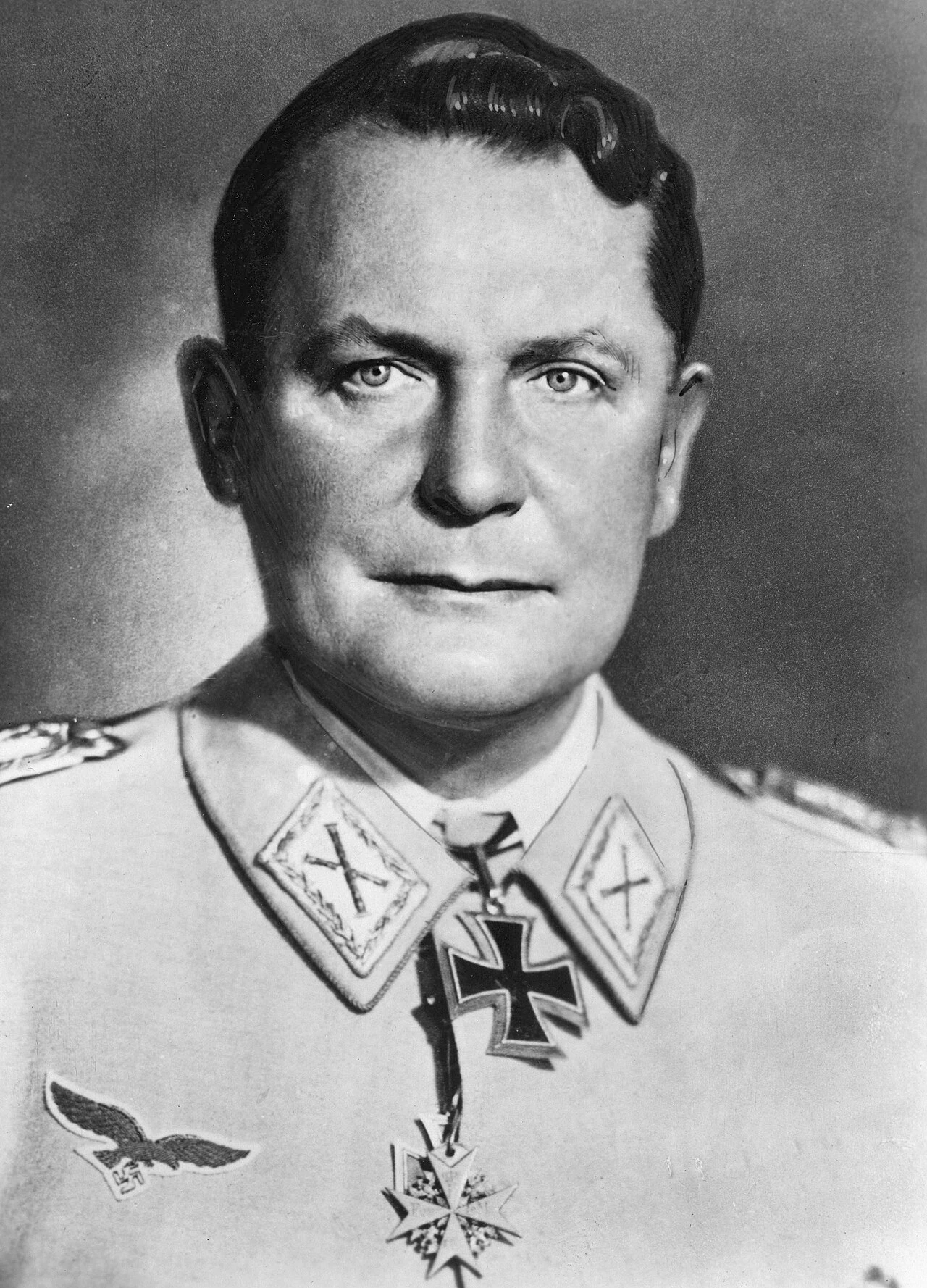
Göring's promise — Operation Adler
Valkenburg — paras on a grass strip
Ypenburg — German paras outside The Hague
Adlertag — which targets?
An unescorted convoy in the grey morning
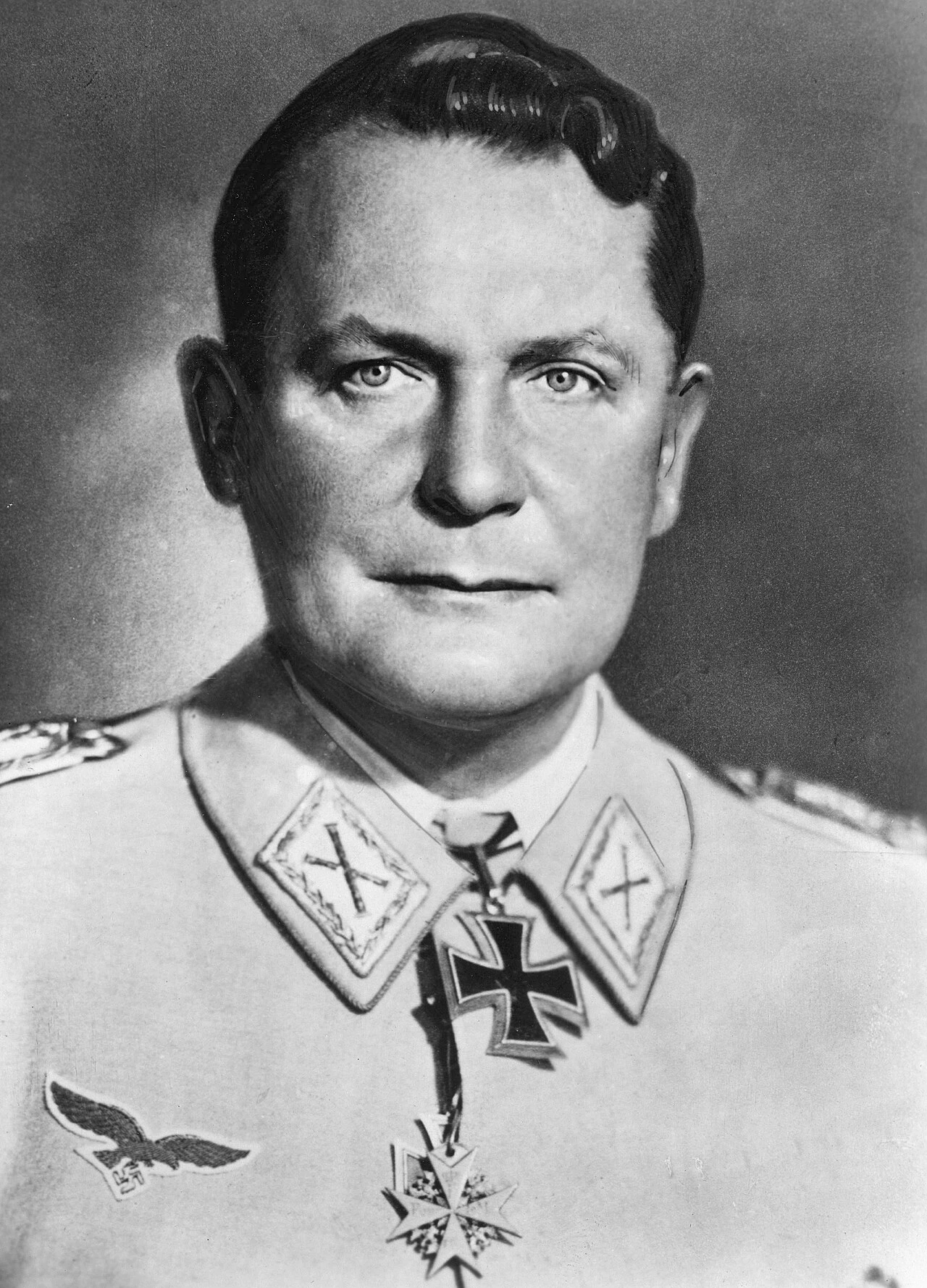
Göring at Cap Gris-Nez — September 7
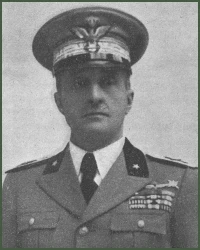
Pintor in the Alps — 21 June
The coup de main on Ében-Émael
Fornebu — the transports under fire
The paratroopers on The Hague
Göring's promise — Operation Adler
Valkenburg — paras on a grass strip
Ypenburg — German paras outside The Hague
Adlertag — which targets?
An unescorted convoy in the grey morning
Göring at Cap Gris-Nez — September 7