
The apothecary of the Kraków Ghetto
In March 1941, the German occupier sealed off a ghetto in the Podgórze district, on the right bank of the Vistula, in Kraków. The decree of Governor , dated 3 March 1941, herded the city's Jews into it; around 20 March the district was closed off. Between 15,000 and 20,000 people were crammed into a space that had housed around 3,000 residents. In April, a wall enclosed the ghetto, its panels rounded into the shape of funerary tombstones. The gates were guarded by the German police, the Polish Blue Police, and, inside, the Jewish police.
On the central square, Plac Zgody, stood the Apteka pod Orłem, the Pharmacy Under the Eagle, founded in 1910 and taken over in 1933 by , a Catholic. When the ghetto encompassed the square, he obtained permission to stay: the only non-Jew authorized to run a business within the walls. Supplied from outside, his pharmacy was one of the few points of contact between the closed ghetto and the Aryan city; three Polish employees came and went as he did.
Typhus, tuberculosis, and malnutrition ravaged an overcrowded population. Pankiewicz had to decide on the function of his pharmacy: an ordinary business under German control, a transfer beyond the walls, or a clandestine base of support. The slightest illegal act, in a ghetto patrolled by the Gestapo, could lead to the firing squad.
What does Pankiewicz do with his pharmacy, now enclosed within the ghetto?
Pankiewicz chose to stay and made the Apteka pod Orłem a centre of mutual aid and resistance. With his three employees, he provided medicines and dressings free of charge, smuggled in food, letters, and news, and sheltered fugitives during the round-ups. In his memoirs he recalls the hair dyes distributed to help people pass as "Aryans" and the sedatives given to children to keep them silent during Gestapo raids. His pharmacy became a meeting place for the clandestine Jewish intelligentsia and resistance. The Kraków Ghetto was liquidated on 13–14 March 1943: most of its residents were murdered at Bełżec or Płaszów. Pankiewicz survived, published his testimony in 1947, and was recognized as Righteous Among the Nations by Yad Vashem on 10 February 1983; his pharmacy is today a museum.
Learn more about this event
Related polls
10
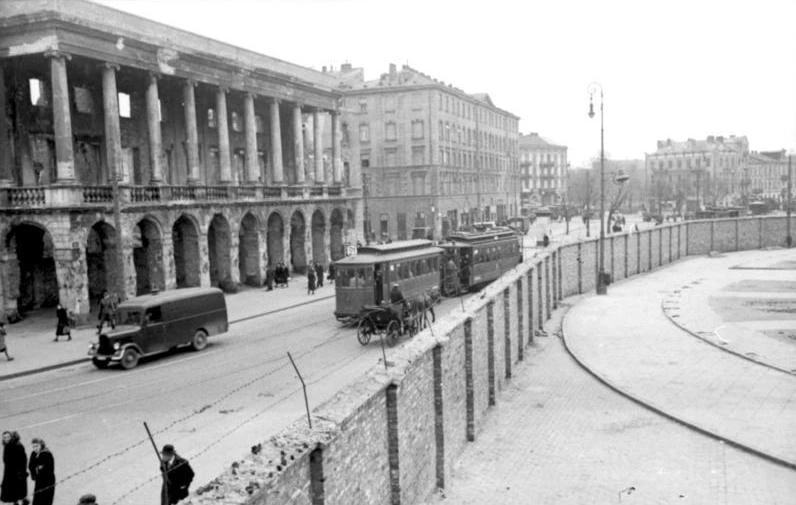
The Warsaw Ghetto — the temptation of informing
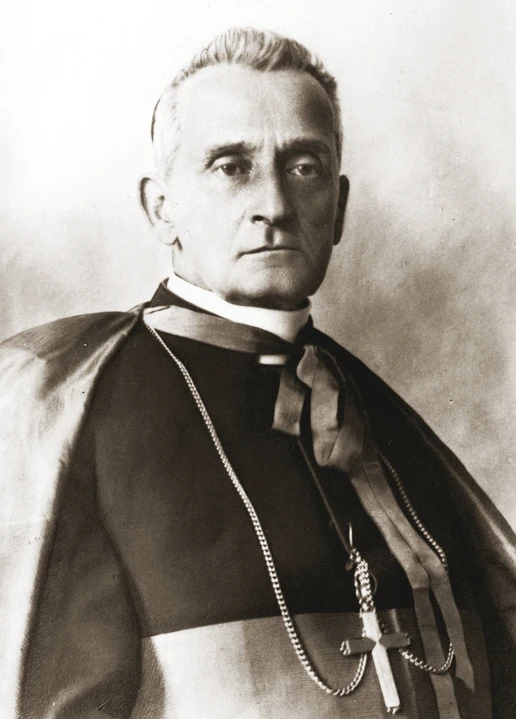
Cardinal Sapieha — Krakow under Occupation
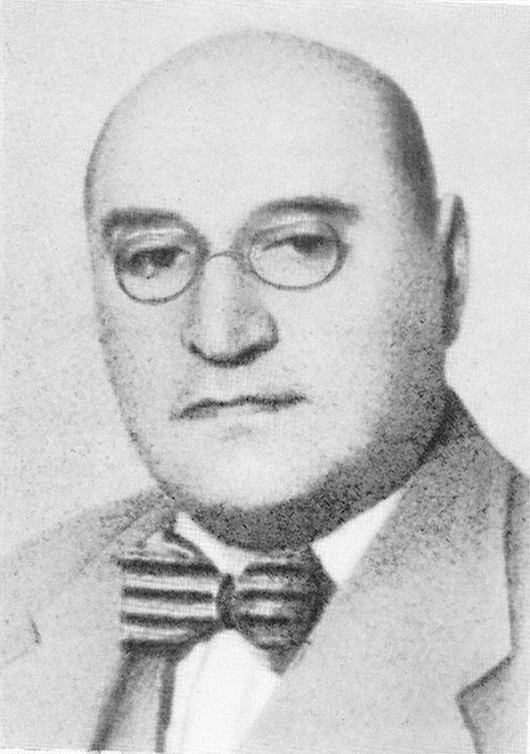
Czerniaków — the offer of the Judenrat
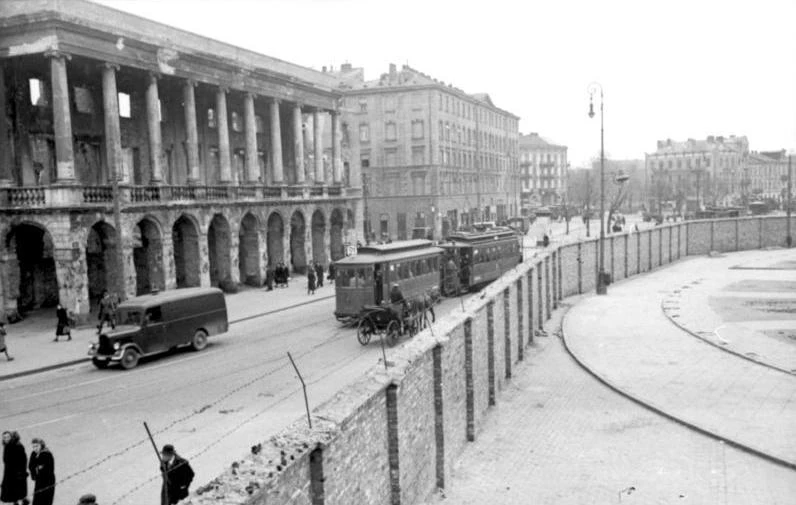
Studying in the Warsaw Ghetto
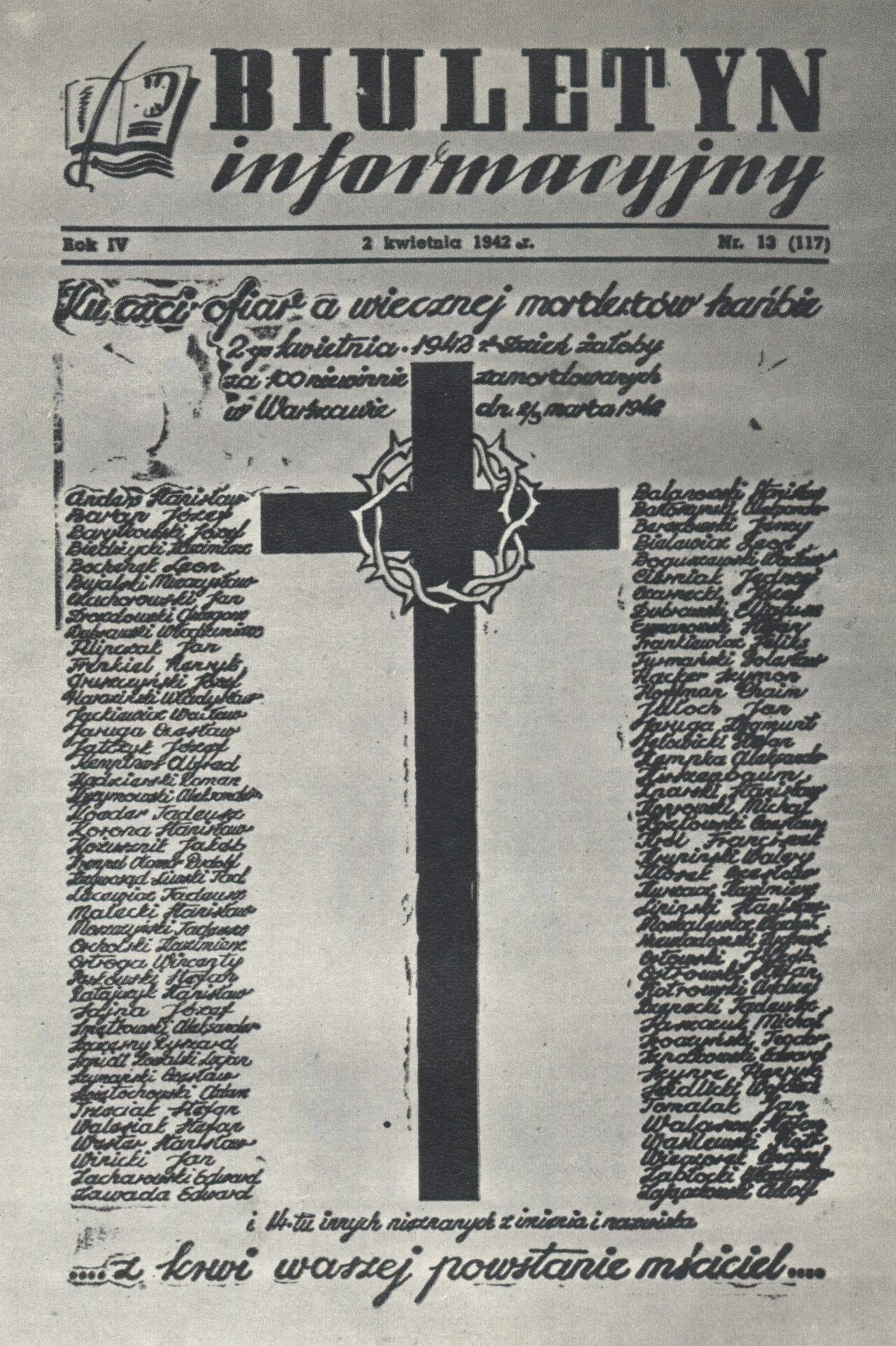
Kamiński and the Biuletyn — 5 November
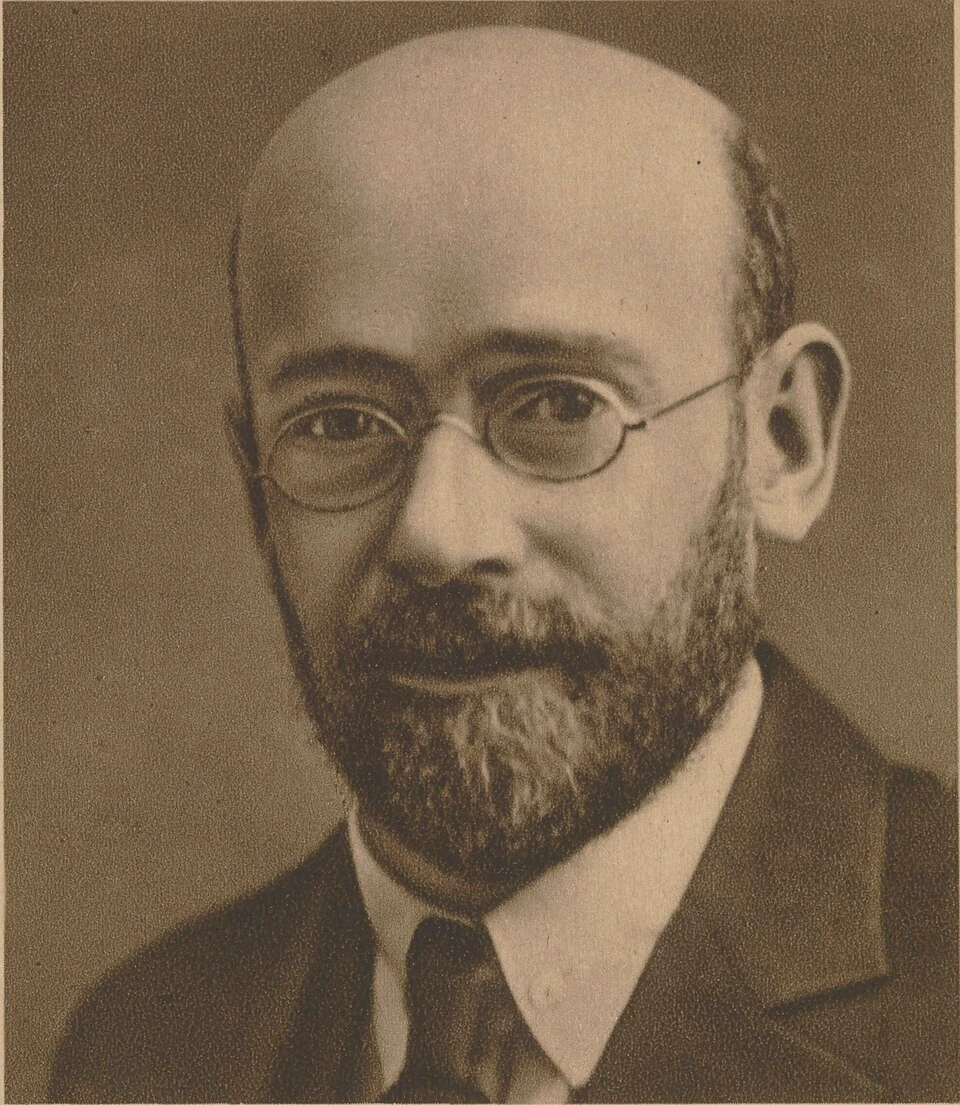
Korczak — facing the siege of Warsaw
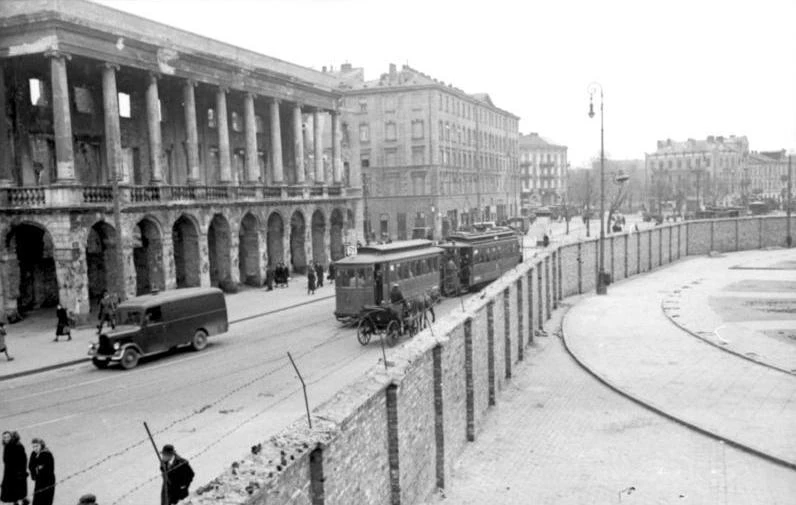
Clandestine teaching in the Warsaw Ghetto
The Jewish Schoolteacher of Kazimierz
The University of Warsaw under the Bombs
Campine Coal and the Hunger of Year One
The Warsaw Ghetto — the temptation of informing
Cardinal Sapieha — Krakow under Occupation
Czerniaków — the offer of the Judenrat
Studying in the Warsaw Ghetto
Kamiński and the Biuletyn — 5 November
Korczak — facing the siege of Warsaw
Clandestine teaching in the Warsaw Ghetto
The Jewish Schoolteacher of Kazimierz
The University of Warsaw under the Bombs