
Winkelman after Rotterdam — 14 May
, 63, has been Commander-in-Chief of the Dutch armed forces since the invasion. Recalled from semi-retirement in early 1940, this experienced infantry general was given a clear mission: hold the Fortress Holland, the central redoubt protected by the water lines, while awaiting Allied relief that never comes. Queen Wilhelmina and the government have already reached England; Winkelman remains, sole holder of authority on the ground.
On the fifth day of fighting, the situation is almost hopeless. Some 280,000 men have been mobilised, but the Dutch air force has been annihilated, the Grebbelinie broken, and French reinforcements from the south are falling back. On the afternoon of 14 May, Rotterdam is bombed by the Luftwaffe: the historic centre burns. The German command at once lets it be known that Utrecht will suffer the same fate, then other cities, if the Netherlands does not lay down arms.
Winkelman holds in his hands cities full of civilians and an exhausted army. He has a few hours to answer the German threat, with no way to consult his government in London.
Should Winkelman order an end to the fighting, or attempt one last stand?
Winkelman chose A. On the afternoon of 14 May, he addressed to his army a proclamation ordering combat to be suspended, "to spare the civilian population and avoid a further effusion of blood." The act of capitulation was signed early the next day, 15 May 1940, in a schoolhouse at Rijsoord, south of Rotterdam; the province of Zeeland, supported by the French, briefly resisted on. The Netherlands had held out for five days. Winkelman subsequently refused to pledge not to take up arms again: interned as a prisoner of war in July 1940, he spent the rest of the occupation in captivity in Germany. His decision spared Utrecht and other cities the fate of Rotterdam. Considered after the war as a lucid commander who had drawn the only possible conclusion, he received the Military Order of William, the highest Dutch distinction.
Learn more about this event
Related polls
10
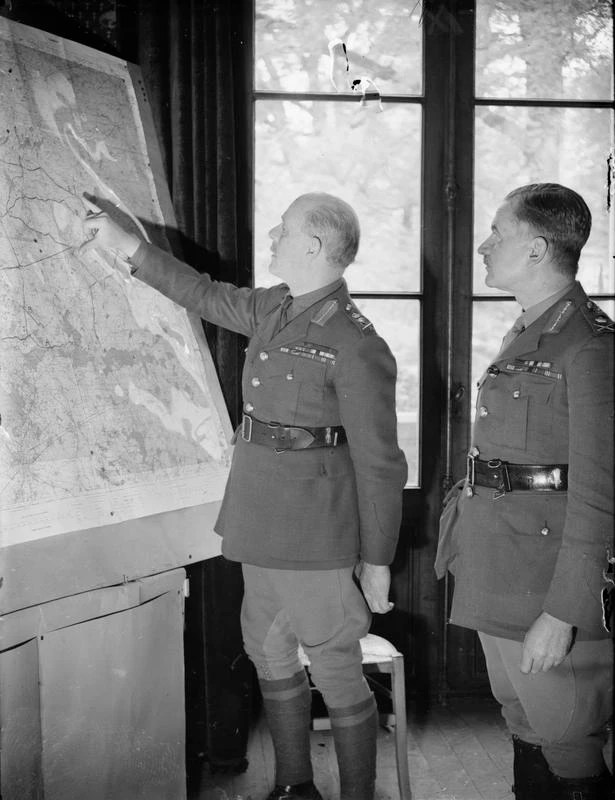
Gort at Habarcq — trust in the French plan
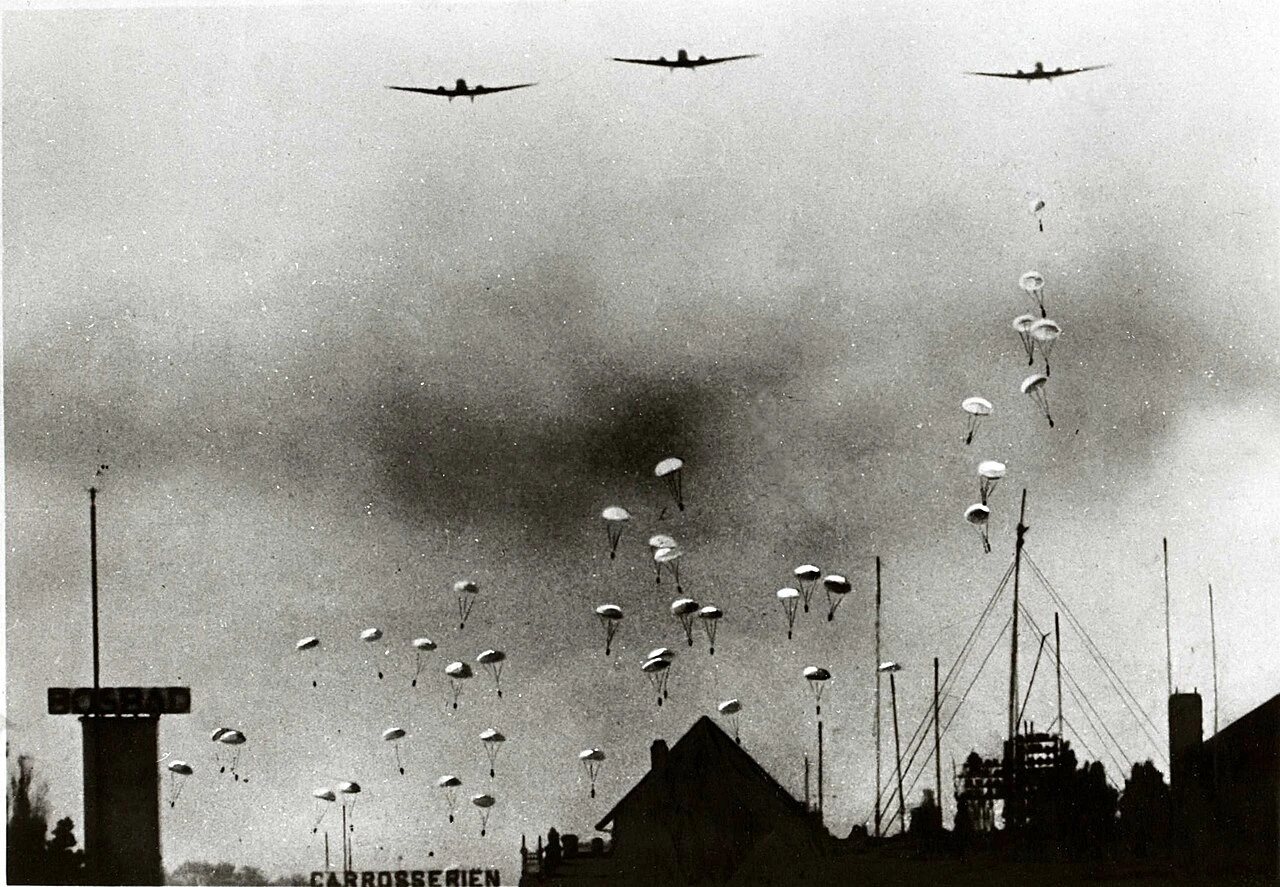
Winkelman and the fate of the Netherlands
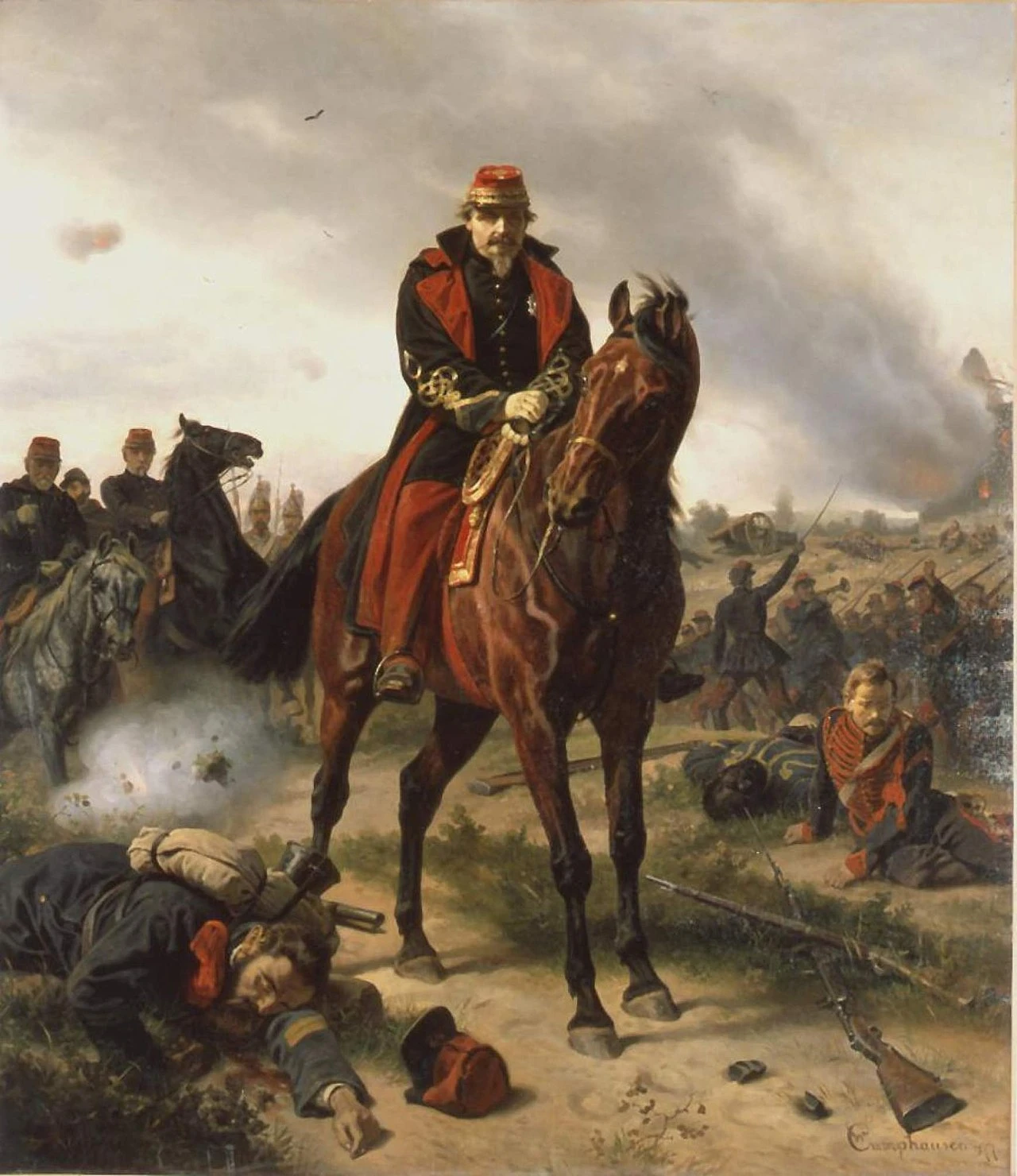
Bulson — Lafontaine and the 02:00 rumour
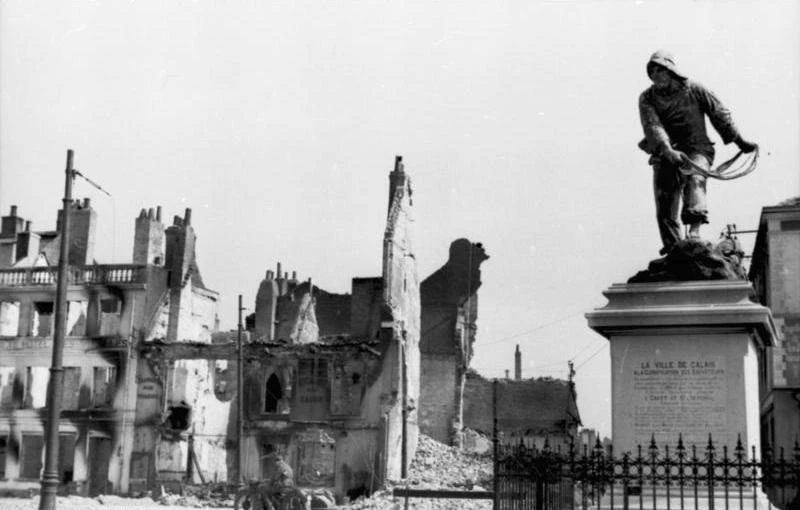
Calais — Nicholson facing the ultimatum
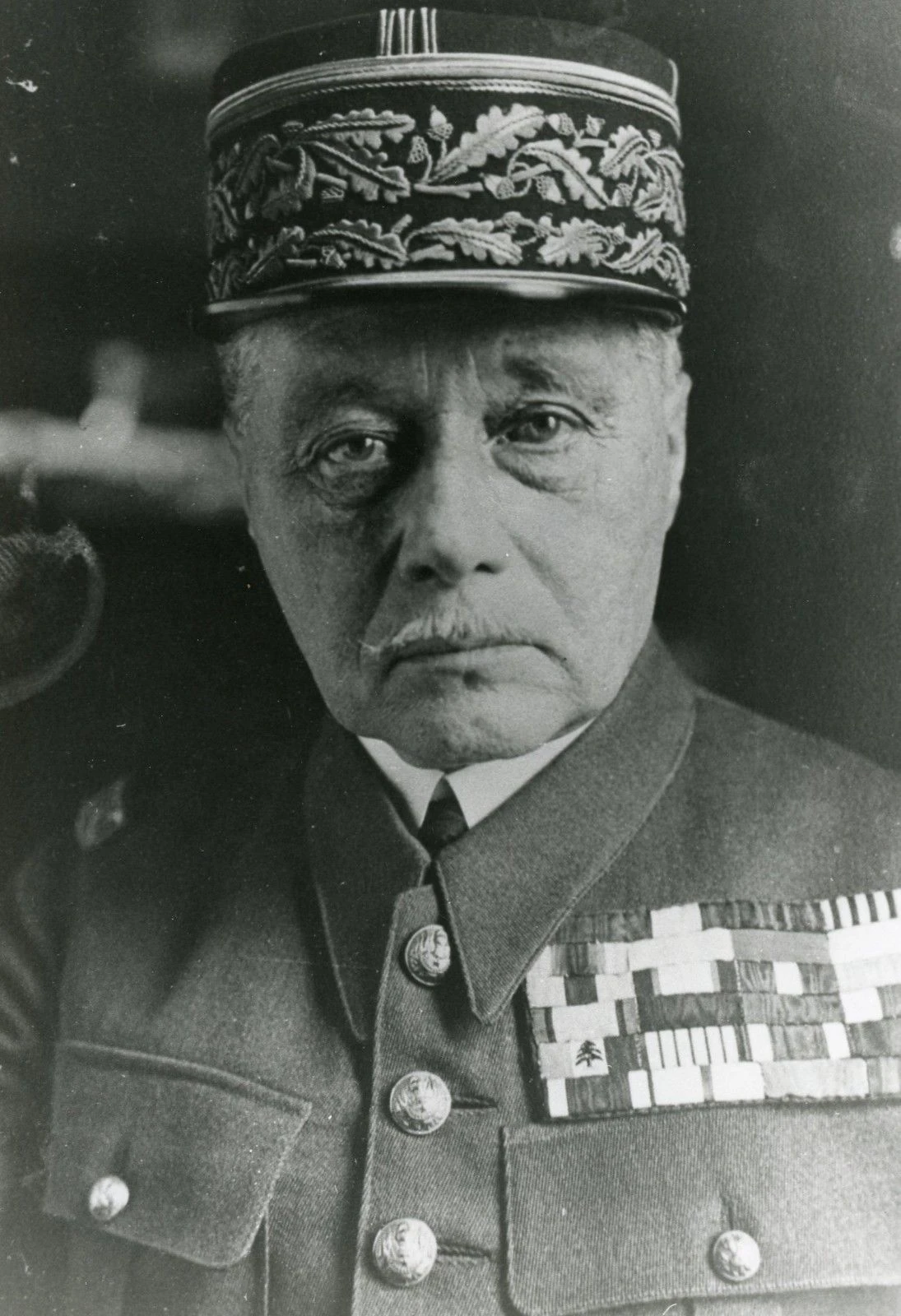
Commanding a battle without radio
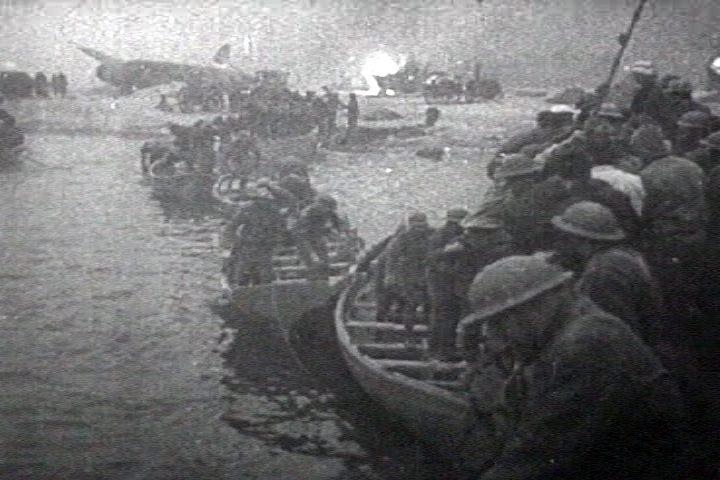
Dunkirk — Tennant and the devastated port
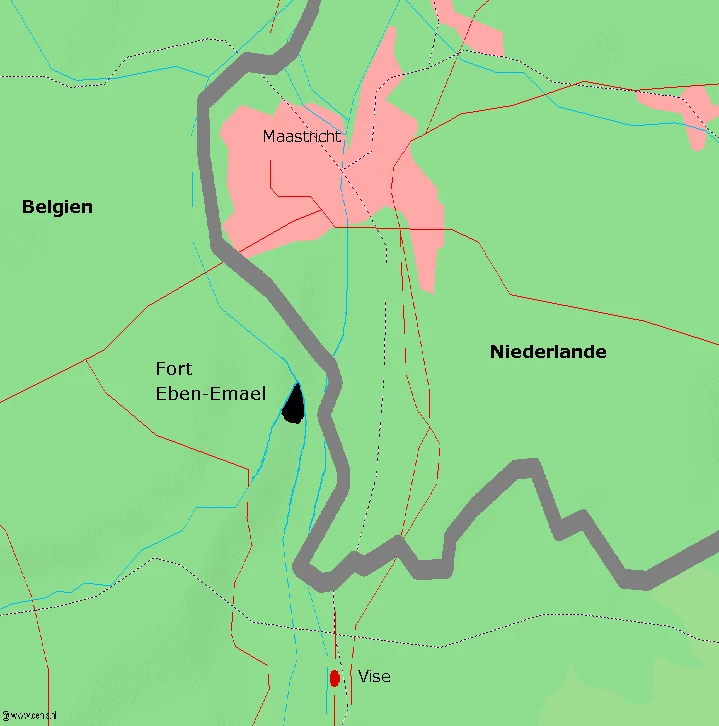
Eben-Emael — Jottrand under the explosions
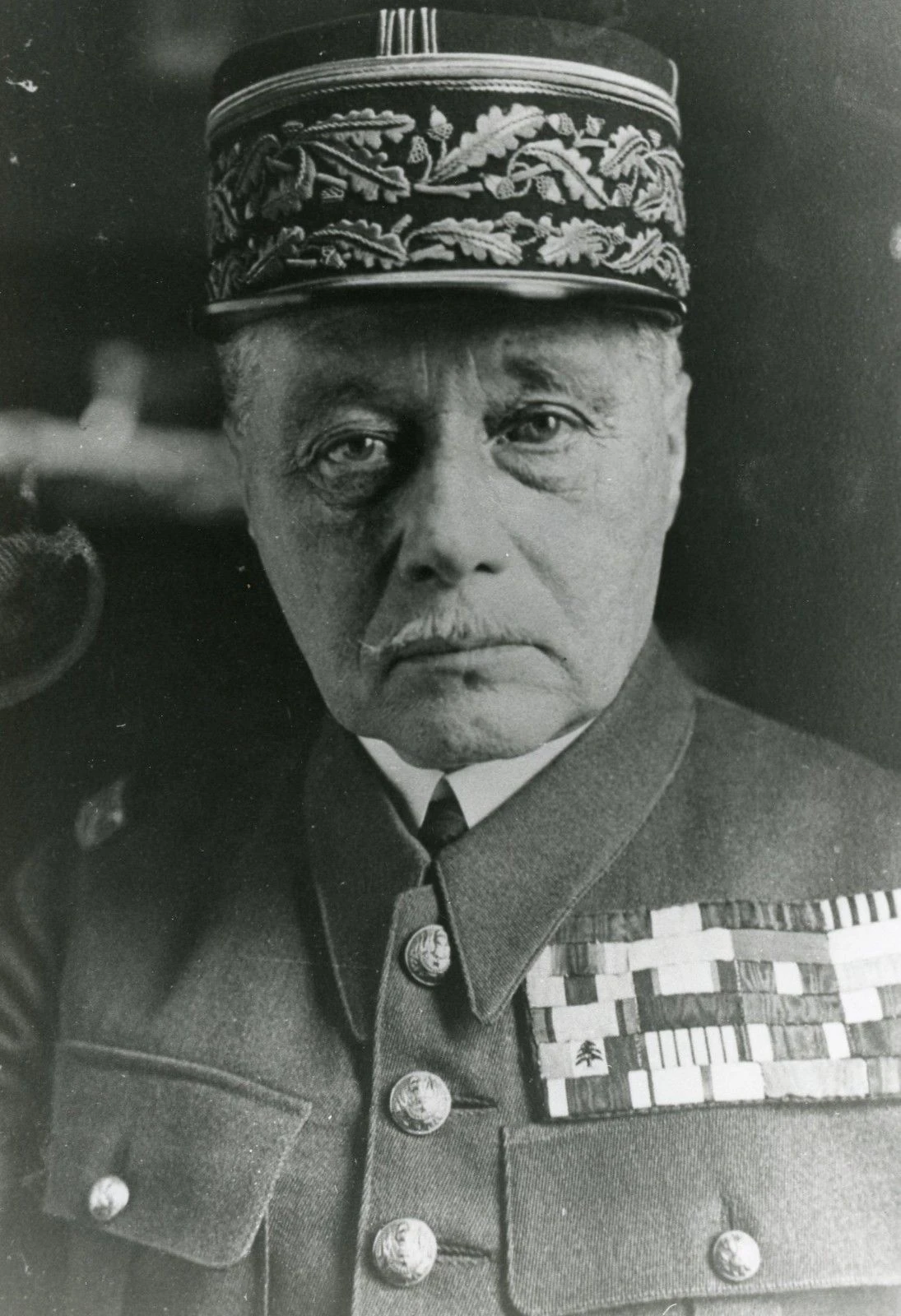
Gamelin, one last order before the envelope
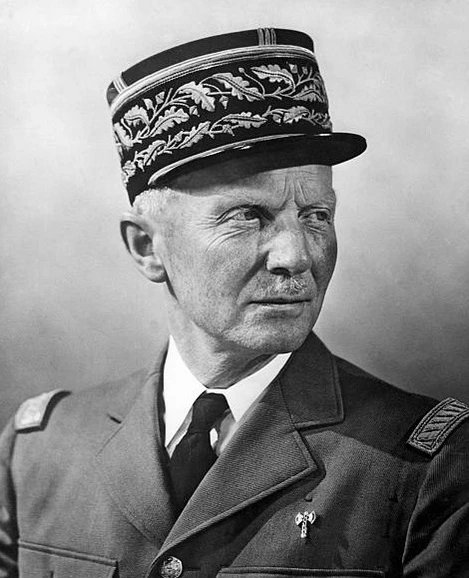
Huntziger over the Sedan reports — 13 May
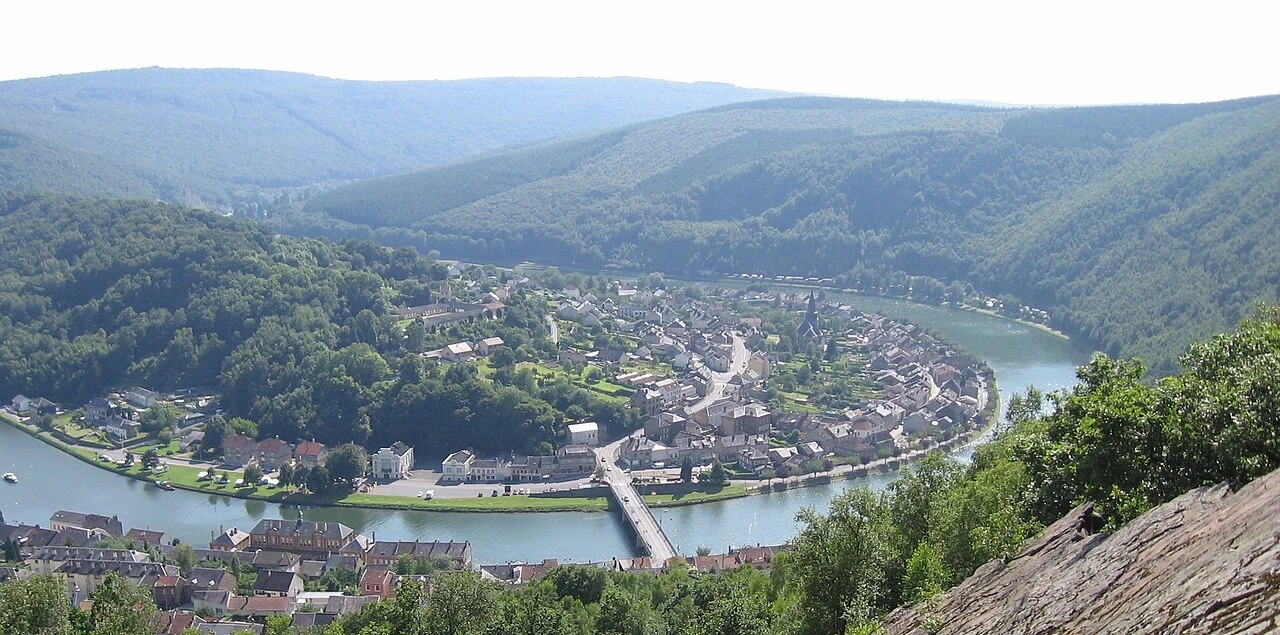
Monthermé — Portzert in the Meuse loop
Gort at Habarcq — trust in the French plan
Winkelman and the fate of the Netherlands
Bulson — Lafontaine and the 02:00 rumour
Calais — Nicholson facing the ultimatum
Commanding a battle without radio
Dunkirk — Tennant and the devastated port
Eben-Emael — Jottrand under the explosions
Gamelin, one last order before the envelope
Huntziger over the Sedan reports — 13 May