
De Gaulle at Montcornet — 17 May
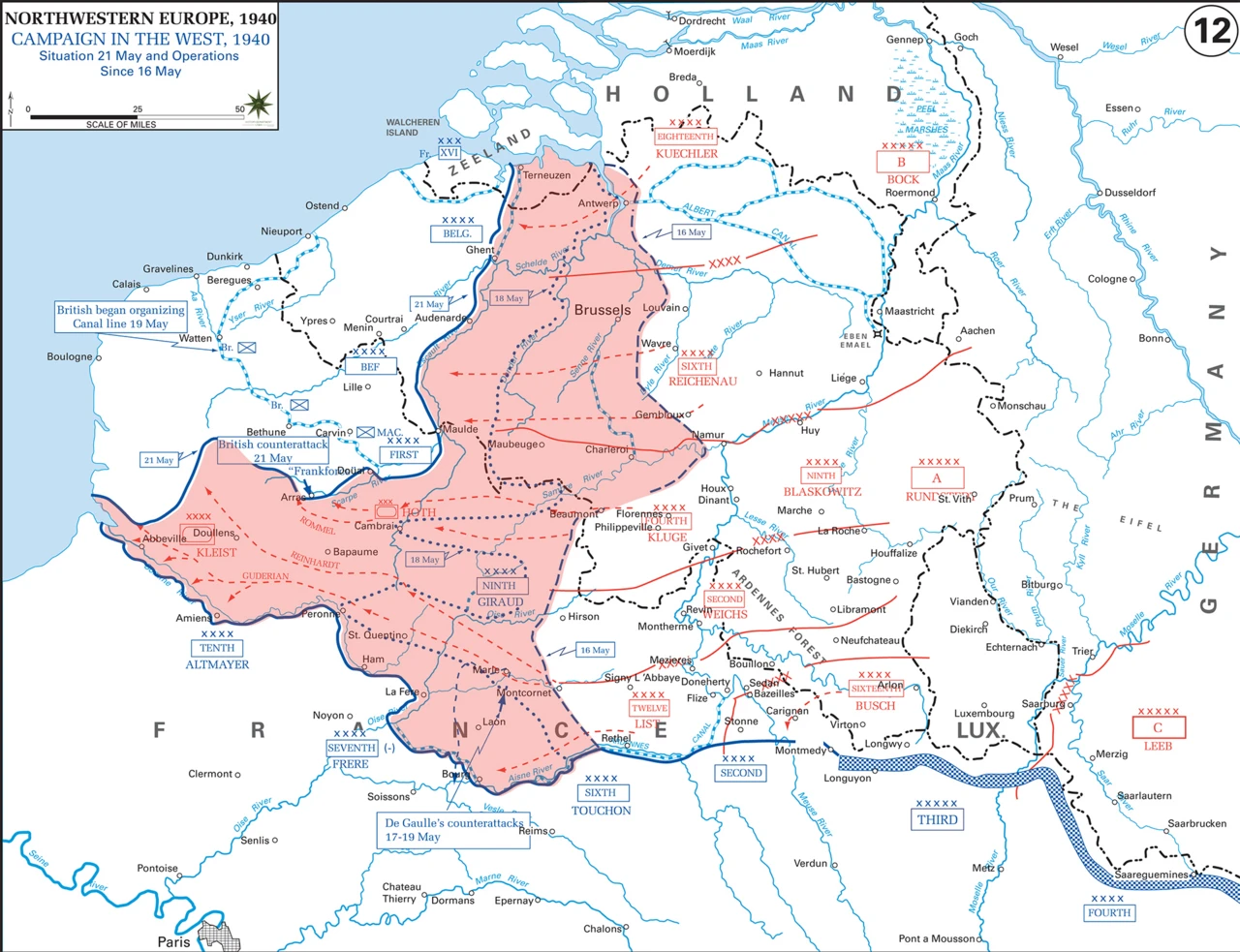
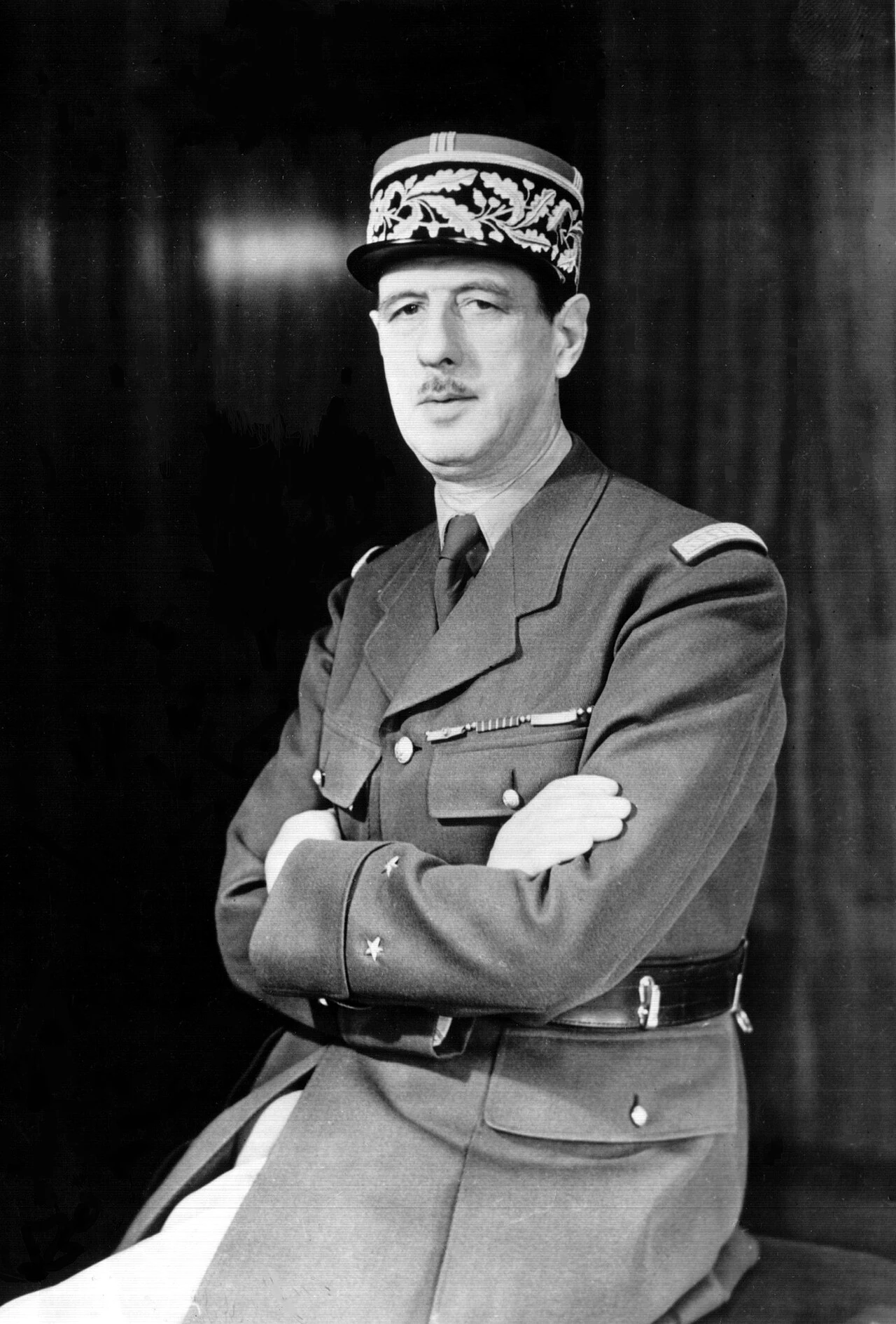
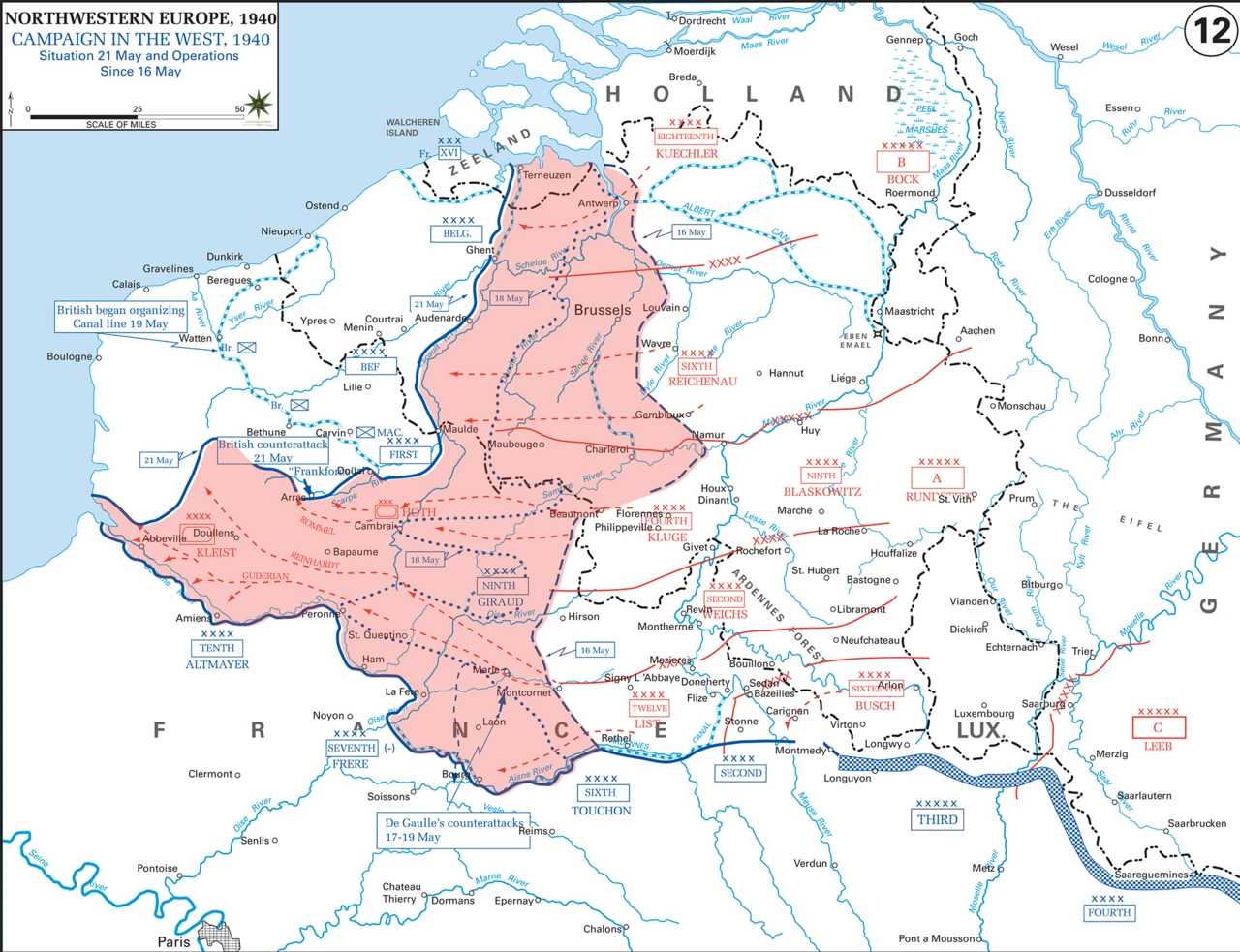
After the Sedan breakthrough, the French command searches desperately for a way to stop the German advance. On 15 May 1940, orders General , French Chief of Staff, to put together a counter-attack force on Guderian's northern flank. The 4th Reserve Armoured Division () is entrusted to Colonel , 49, promoted brigadier general on a temporary basis on 15 May.
De Gaulle officially has three BCC (battalions of combat tanks — Renault B1 bis, Hotchkiss H39, Renault R35) — about 140 tanks. In reality, the division is a fiction: tanks hastily gathered from various garrisons (Bruyères-le-Châtel, Saumur, Rambouillet), crews not trained together, no motorised infantry, no air support, no organised supply train.
Mission assigned by Doumenc: attack Montcornet (Aisne), where Guderian's rear lies — headquarters, depots, services. Distance to cover: 90 km in 18 hours.
De Gaulle must choose between attacking under those conditions, refusing, or demanding a delay.
Does de Gaulle have the means for a significant attack?
De Gaulle chooses A. On 17 May 1940 at 04:15, attack on Montcornet from the south with 90 operational tanks. Tactical surprise: the German rear services are caught off guard. The penetrates Montcornet, captures 130 prisoners, burns trucks, throws the staff of into panic (Guderian reports in his memoirs that he was nearly captured). But without air cover or motorised infantry, the cannot hold. The Stukas of counter-attack in the afternoon. De Gaulle falls back on Laon with 23 tanks lost. Balance: a 24-hour delay imposed on Guderian, without overall strategic change. De Gaulle attacks again on 28 May at Abbeville. On 5 June, Reynaud appoints him Under-Secretary of State for National Defence. On 17 June, he leaves for London; on 18 June, the Appeal on the BBC airwaves. Montcornet on 17 May is one of the rare French tactical victories of the campaign — it implicitly validates the doctrine of concentrated armoured divisions that de Gaulle had argued for in Vers l'armée de métier (Berger-Levrault, 1934). Too late for France; but that action grounds the military legitimacy that will make what follows possible.
Learn more about this event
Related polls
10
Arras — the Matildas against Rommel's flank
De Gaulle at Abbeville
Boulogne — Fox-Pitt and the Guards facing the port
Bulson — Lafontaine and the 02:00 rumour
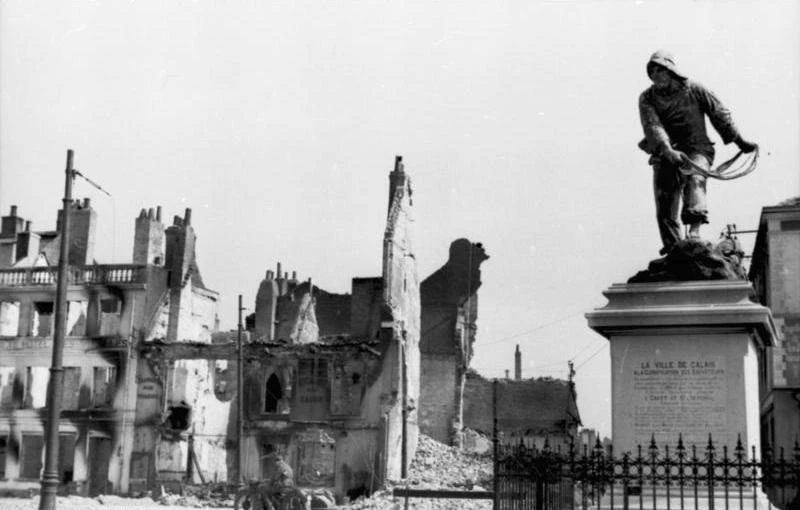
Calais — Nicholson facing the ultimatum
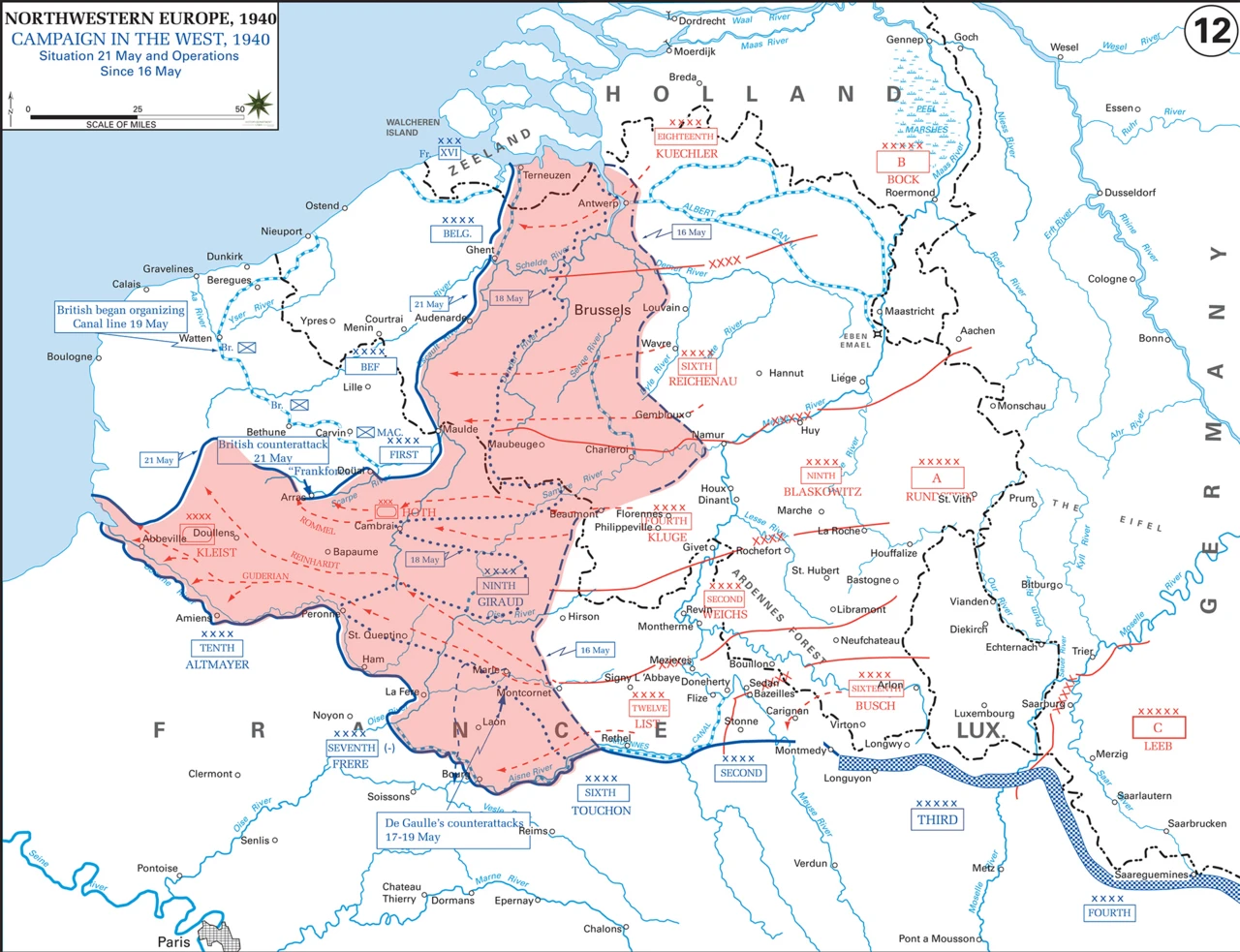
The Arras counter-attack
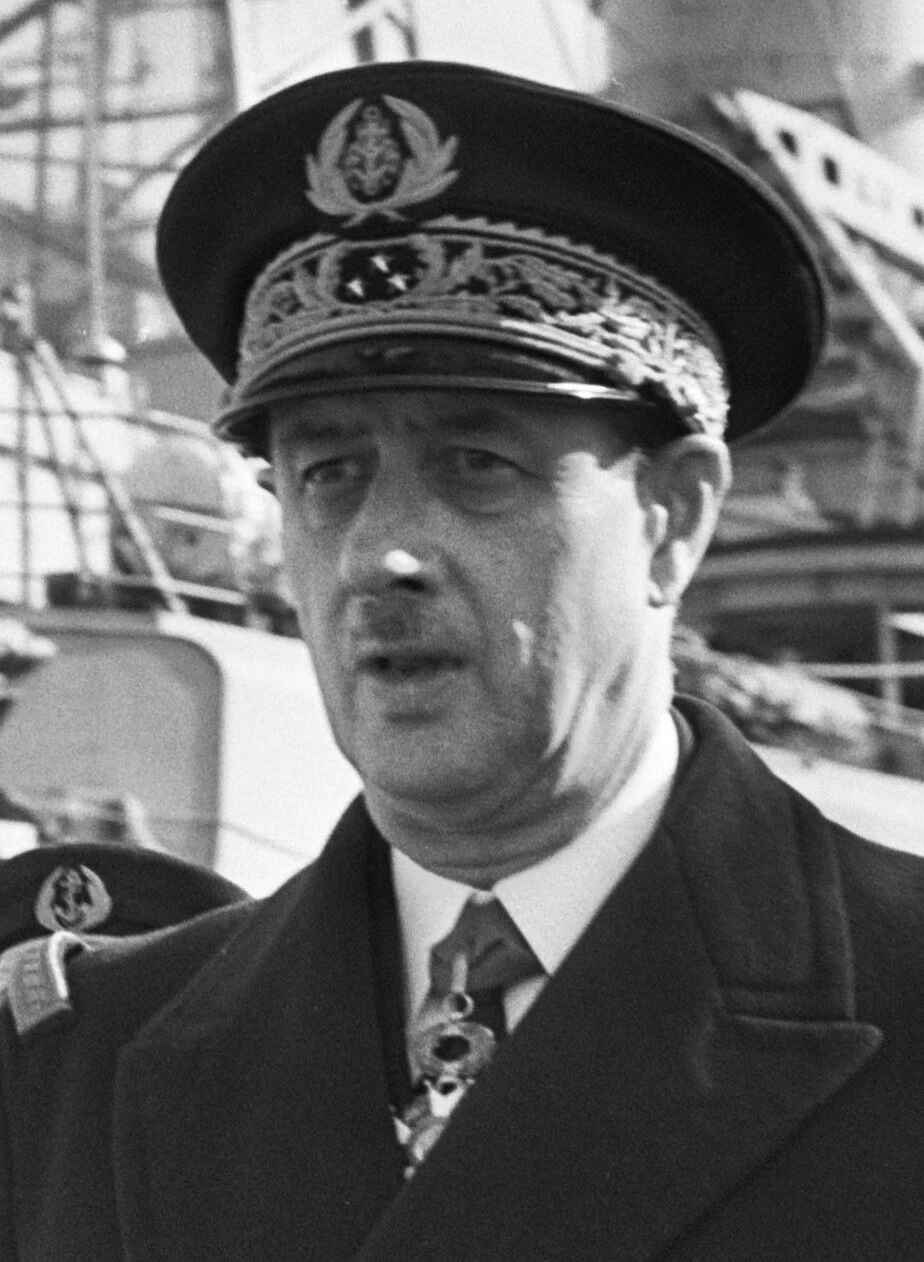
De Gaulle at Montcornet
The Defence of Boulogne
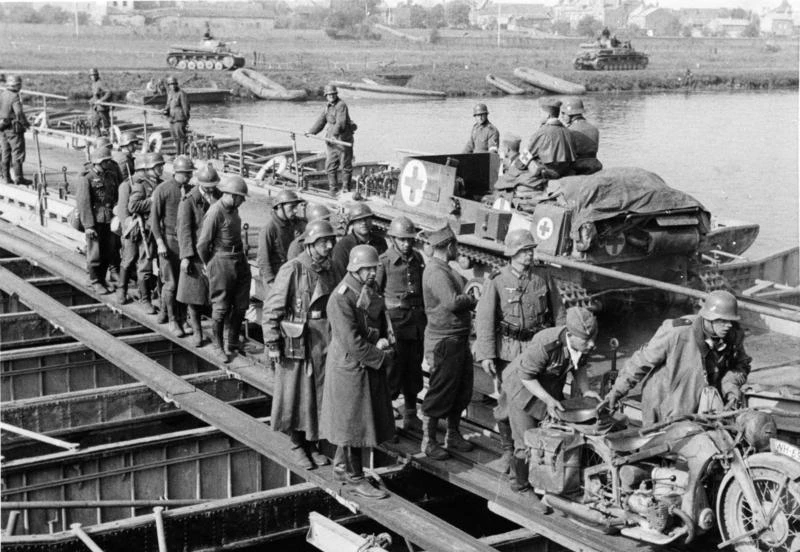
Grossdeutschland crosses at Sedan
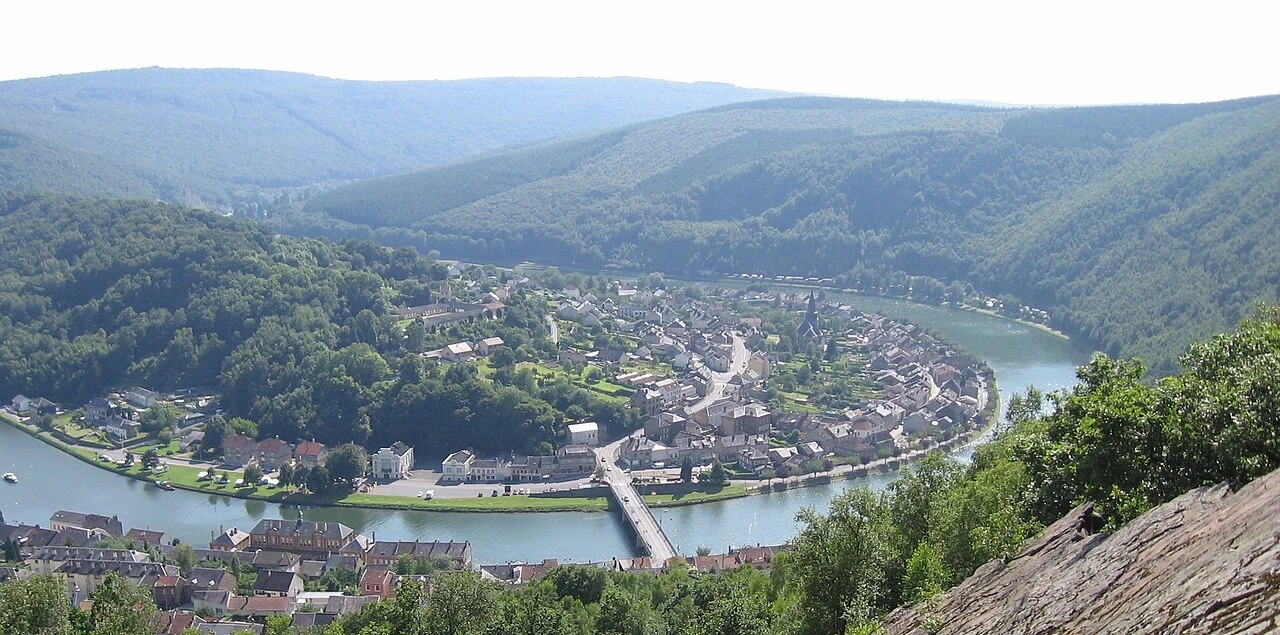
Monthermé — Portzert in the Meuse loop
Arras — the Matildas against Rommel's flank
De Gaulle at Abbeville
Boulogne — Fox-Pitt and the Guards facing the port
Bulson — Lafontaine and the 02:00 rumour
Calais — Nicholson facing the ultimatum
The Arras counter-attack
De Gaulle at Montcornet
The Defence of Boulogne
Grossdeutschland crosses at Sedan