
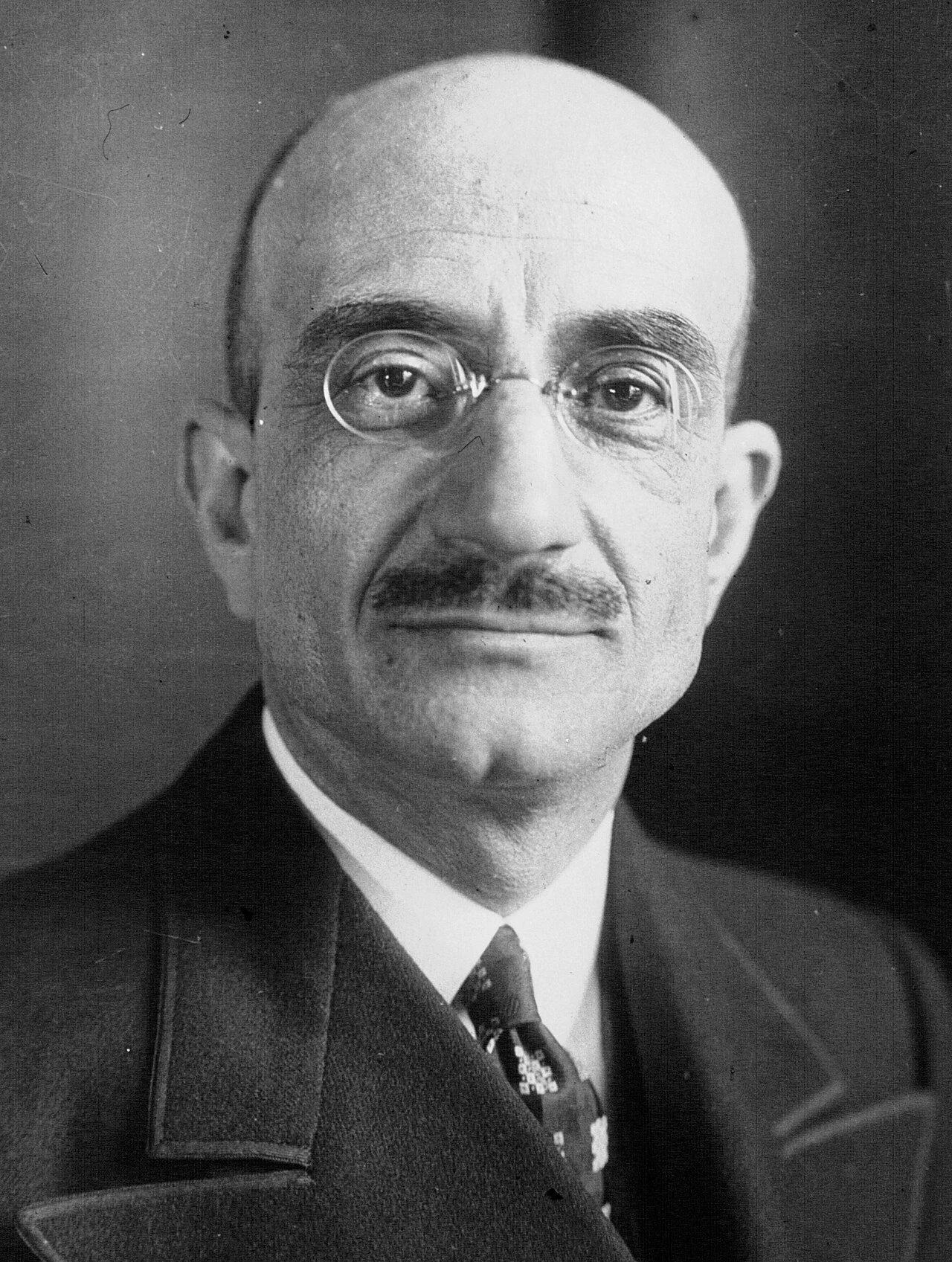
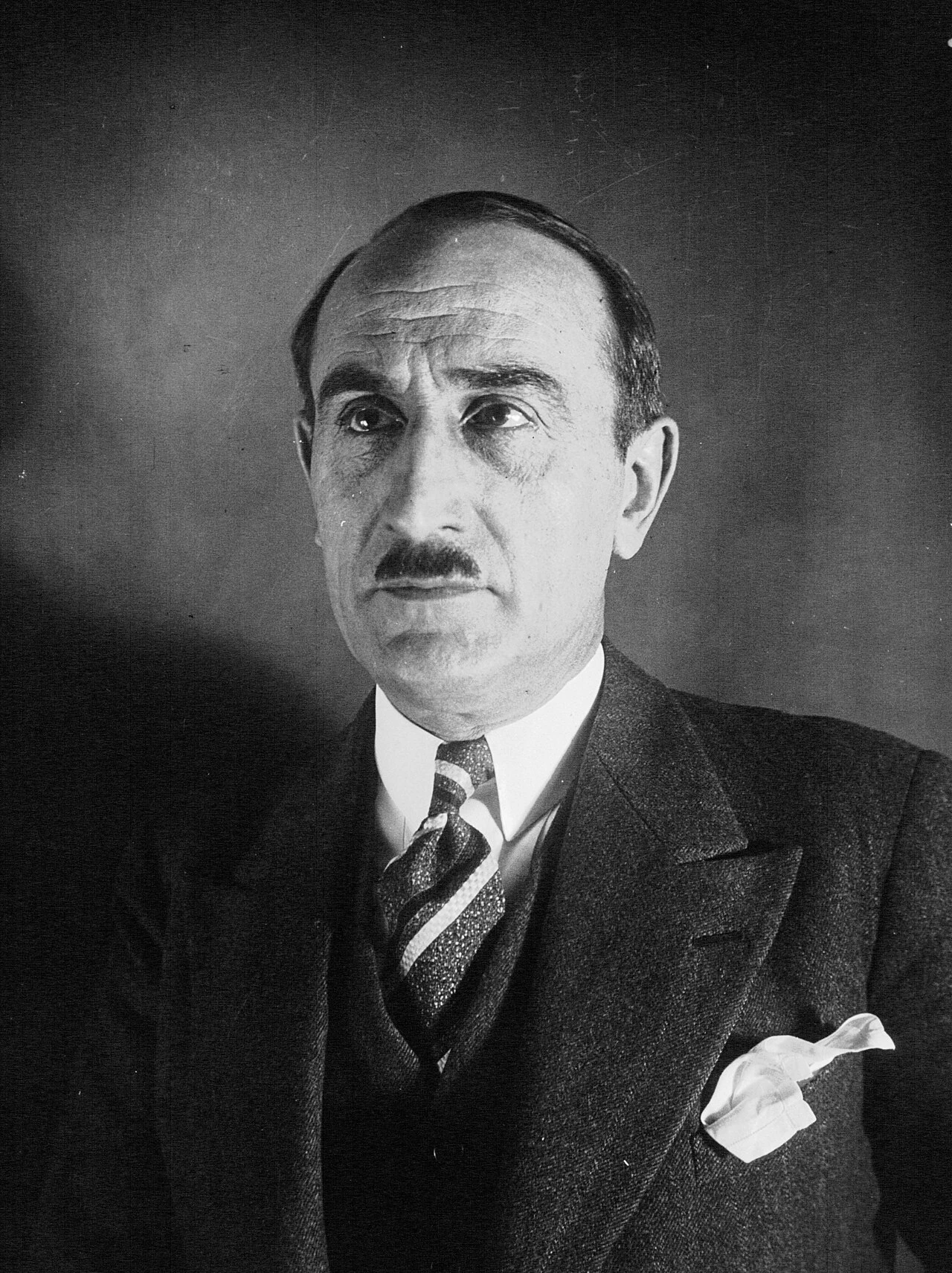
, 63, has ruled Latvia as an authoritarian head of state since his 1934 coup, combining the offices of president and prime minister. An agronomist trained in the United States, a figure of Latvian independence in 1918, he has suspended Parliament and governs by decree from Riga. His northern neighbour, Estonian President , 66, has followed a similar trajectory in Tallinn.
Like Lithuania, Latvia and Estonia were placed in the Soviet sphere by the Molotov-Ribbentrop Pact of 1939, then forced in the autumn to sign mutual assistance treaties opening their soil to bases. On 15 June 1940, Moscow brings Lithuania to heel. On 16 June, Commissar sends Riga and Tallinn nearly identical ultimatums: he accuses the two states of plotting against the USSR, demands governments 'agreed' to by Moscow and the free entry of massive Soviet contingents.
The Latvian and Estonian armies are modest, unmobilised, and already encircled by Soviet bases. The reply deadline is counted in hours. Ulmanis, like Päts, must decide the fate of his state.
Should one oppose the Red Army's entry by force of arms, or submit in the hope of preserving the state?
Ulmanis applies B, and Päts does likewise. Judging military resistance doomed to be crushed, both presidents accept the ultimatums and remain in office for a few weeks to endorse the pro-Soviet governments. Half a million soldiers pour into the three Baltic states; envoy supervises the installation of the new Latvian power. Single-list 'elections' in July precede 'voluntary accession' to the USSR: Latvia and Estonia become Soviet republics in August 1940. Neither Ulmanis's cooperation nor Päts's saves them: both are deported to the USSR, where Ulmanis dies in detention in 1942 and Päts in a psychiatric hospital in 1956. The submission they hoped for preserved neither the state nor its leaders. The three Baltic states will not regain their independence until 1991.
Learn more about this event
Related polls
10
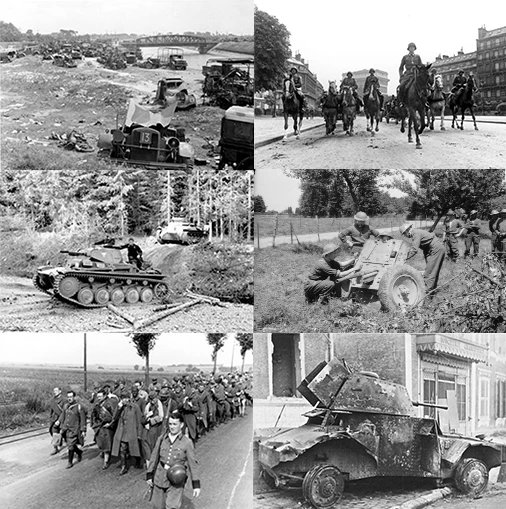
The armistice of Rethondes
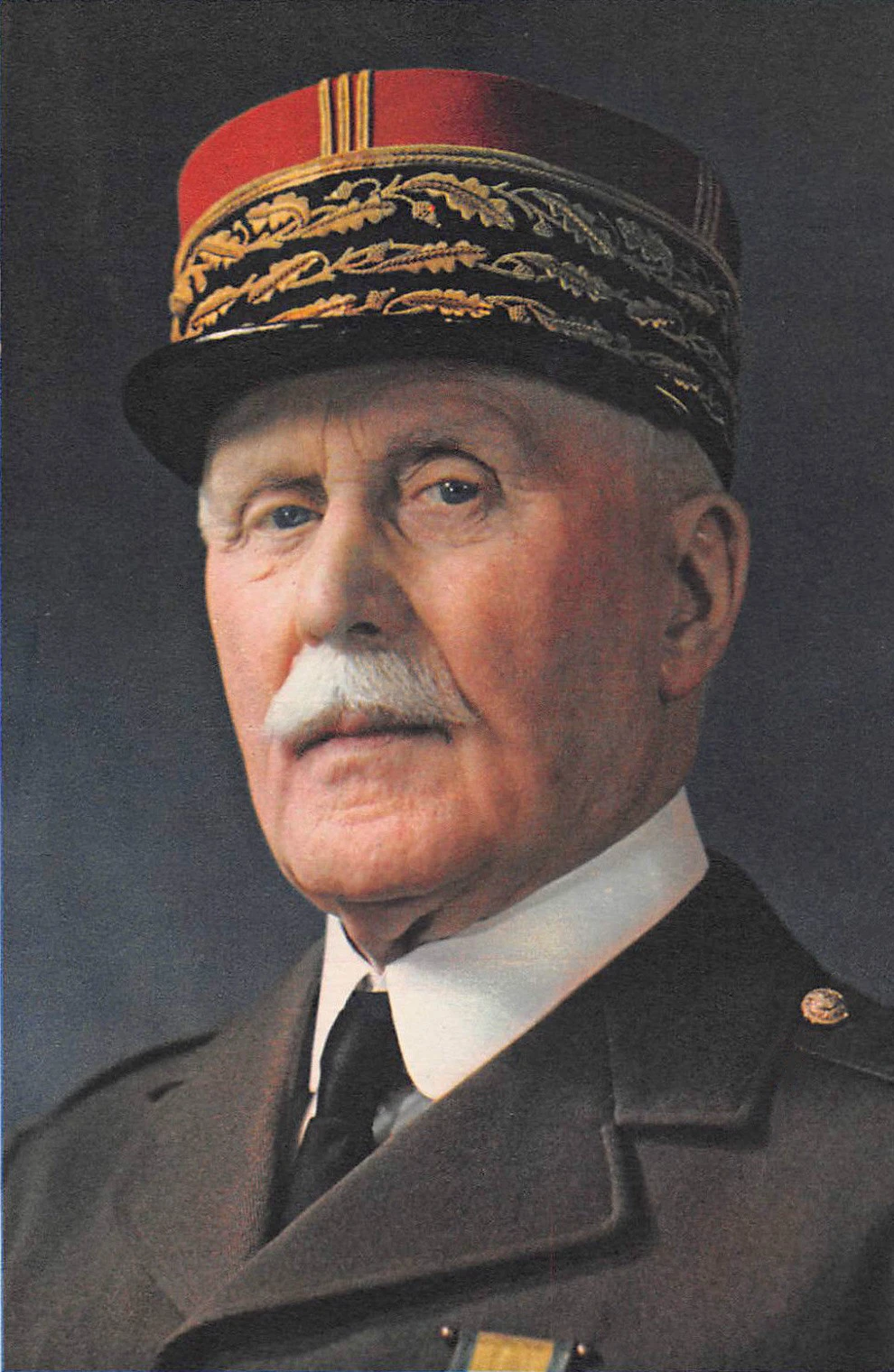
A Capital for the French State — 28 June
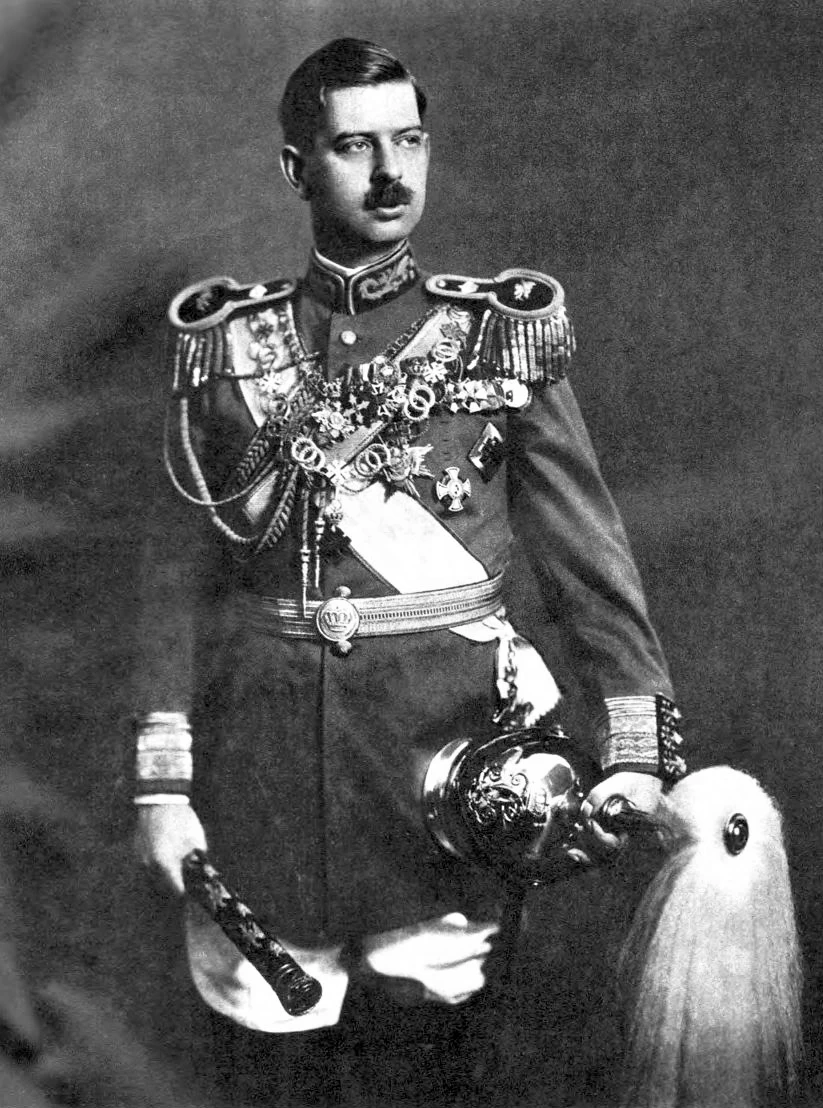
Carol II and Bessarabia
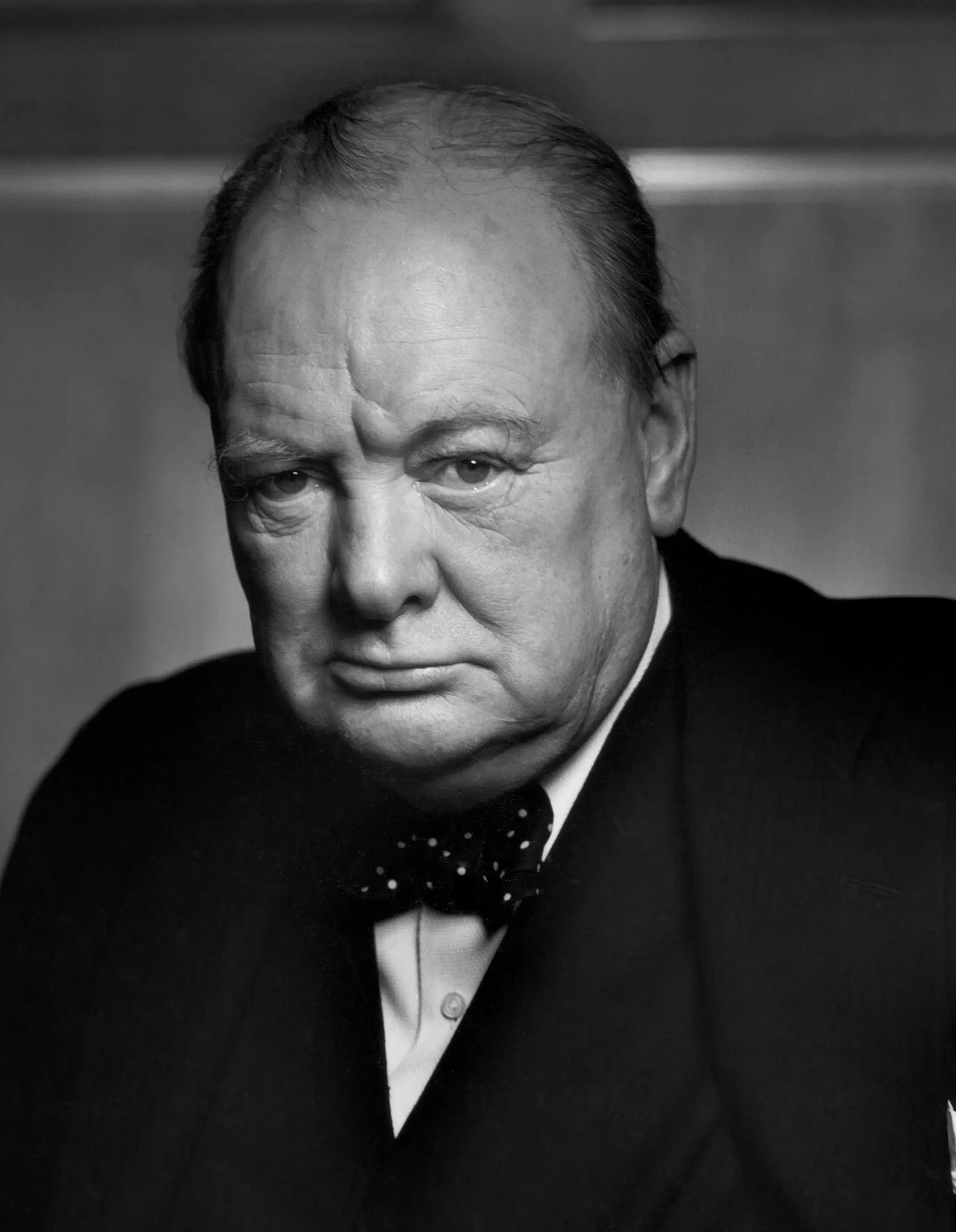
Churchill before the Commons — 4 June
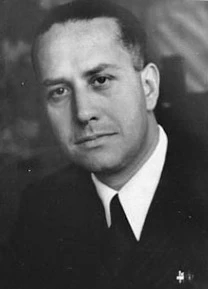
Ciano summons the ambassadors — 10 June
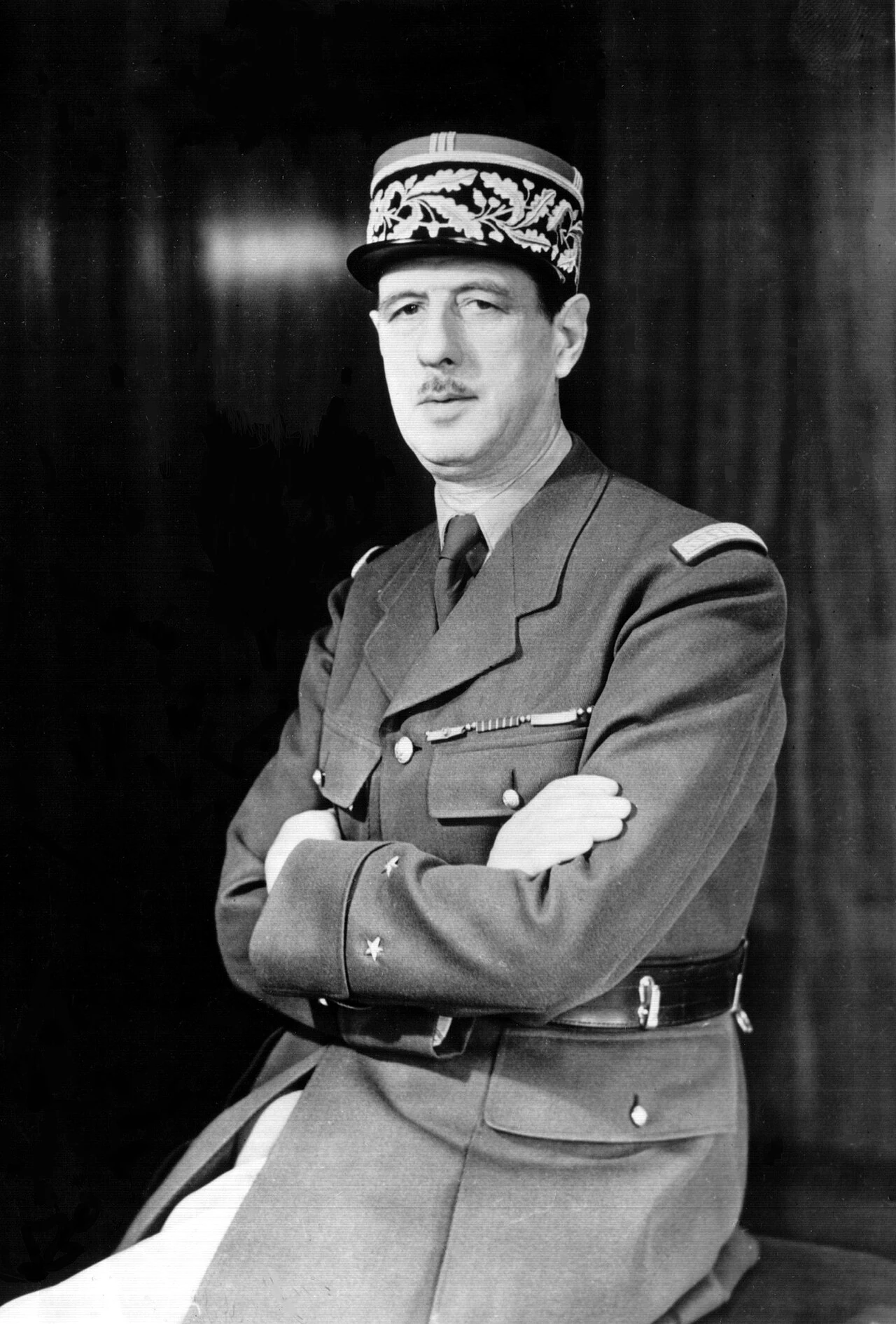
"The Fighting Must Cease"
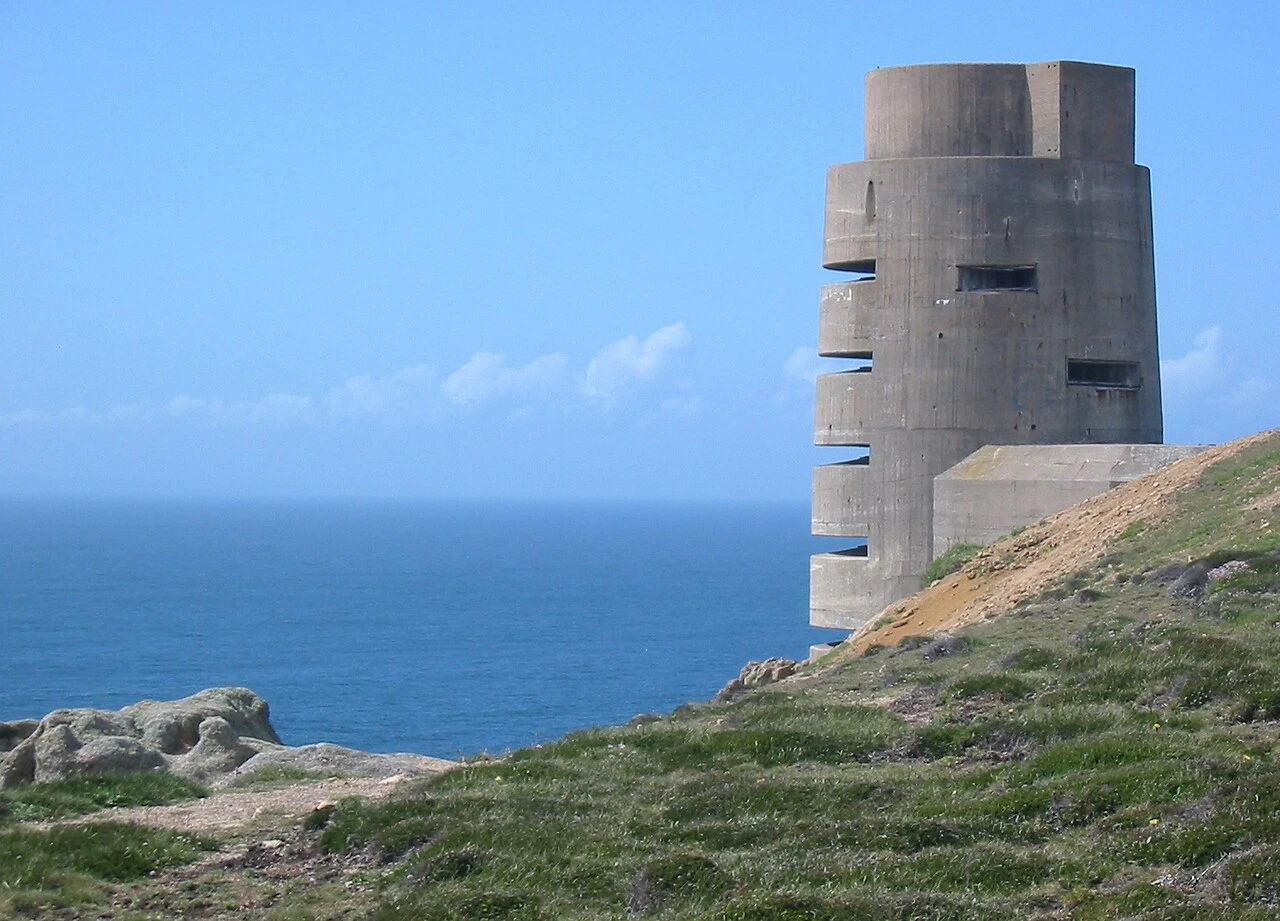
The fate of the Channel Islands
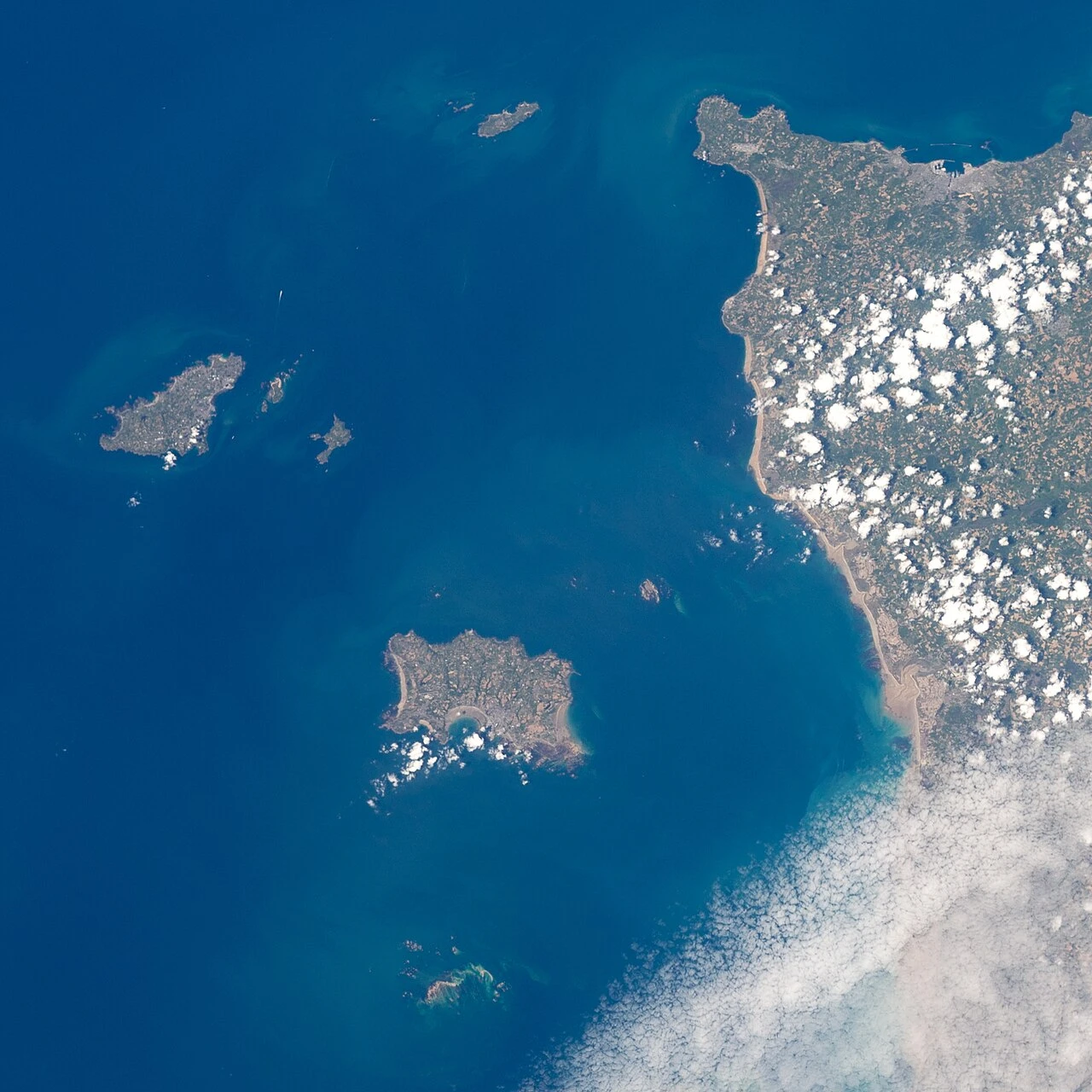
The Channel Islands — open city?
Langeron — Prefecture of Police, 14 June
Marquet — Bordeaux overwhelmed, 12 June
The armistice of Rethondes
A Capital for the French State — 28 June
Carol II and Bessarabia
Churchill before the Commons — 4 June
Ciano summons the ambassadors — 10 June
"The Fighting Must Cease"
The fate of the Channel Islands
The Channel Islands — open city?
Langeron — Prefecture of Police, 14 June