
The Forbidden Zone of Alsace — what to do with the civilians of the Rhine?
On 1 September 1939, France declares general mobilization. In Alsace, a strip of land stretches between the German border, the Rhine and the Maginot Line: villages, farms and the city of Strasbourg find themselves on the front line.
If war breaks out, this zone will become a battlefield where the troops must be able to maneuver and fire freely. The casemates and blockhouses running along the Rhine make sense only if the immediate rear is cleared.
The command and the prefectures must decide: keep the inhabitants in their homes, let them leave as they wish, or organize their mass departure toward the interior of the country.
At the mobilization of September 1939, how should the civilian population of the frontier strip located in front of the Maginot Line, between the Rhine and the fortifications, be handled?
As early as 1-3 September 1939, the authorities order the systematic evacuation of the communes located in front of the Maginot Line and of Strasbourg. More than 370,000 Alsatians (and about 227,000 Mosellans) are directed to assembly centers and then transported by train to the South-West: the people of Strasbourg and the Bas-Rhin mainly to the Dordogne and Haute-Vienne, those of the Haut-Rhin to the Gers, the Haute-Garonne and the Landes. The 10 km strip between the border and the Maginot Line is emptied of its civilians, leaving only the military. Strasbourg will remain nearly deserted throughout the Phoney War.
Learn more about this event
Related polls
10
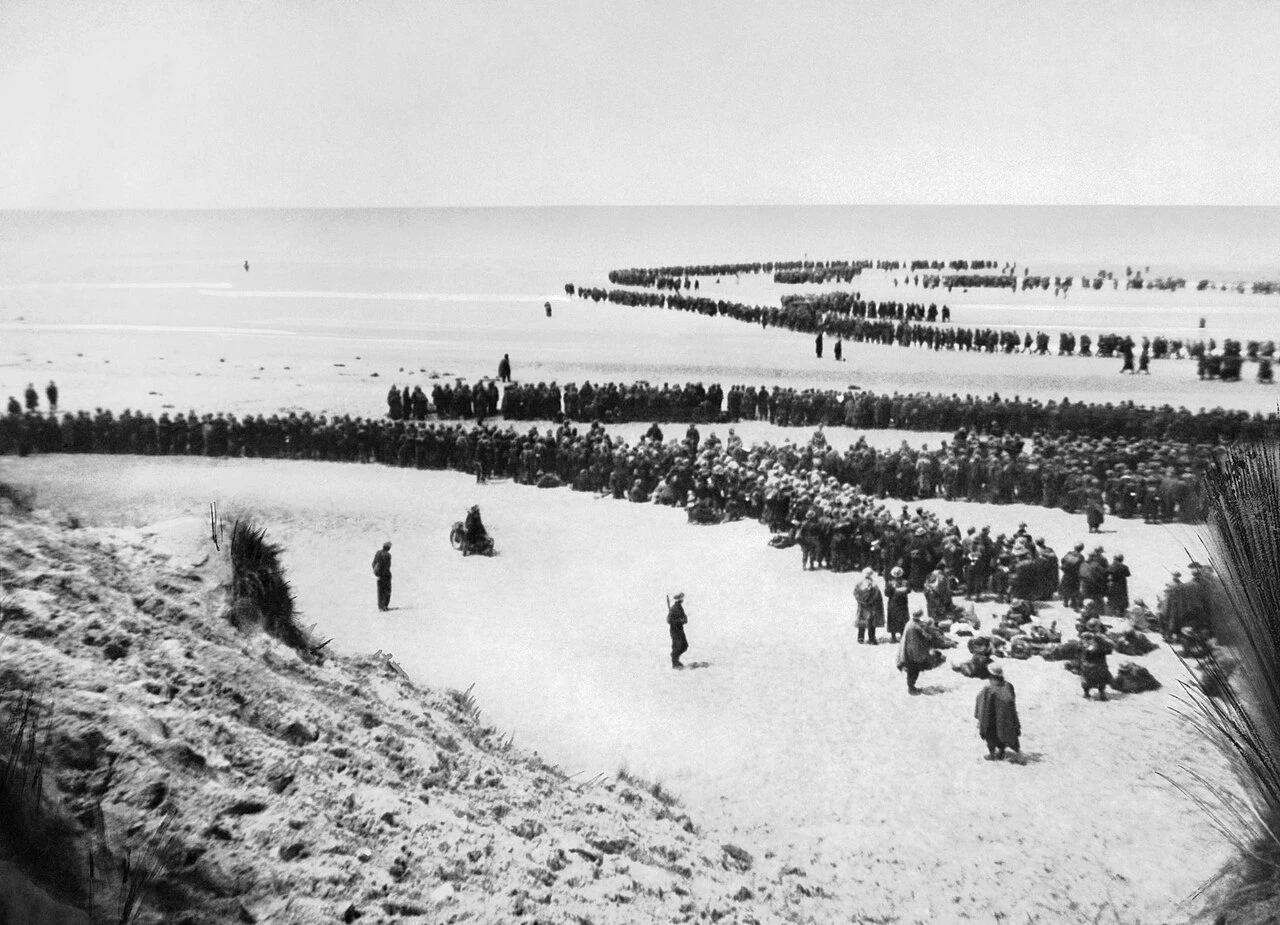
Dunkirk: holding the line under the bombs
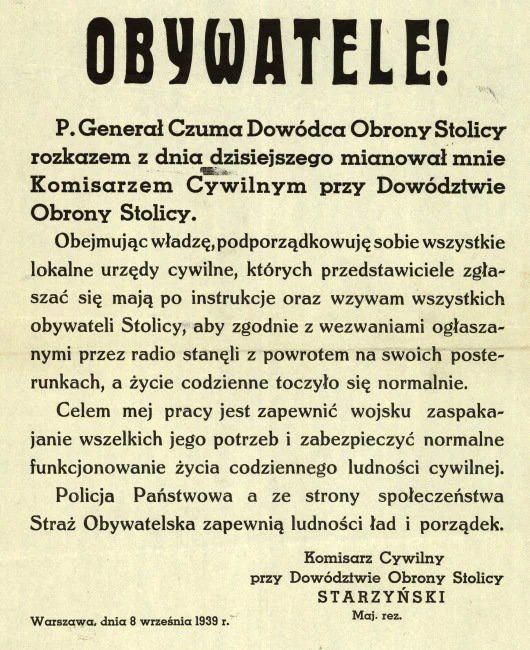
Warsaw Under Siege: Feeding the City or the Front
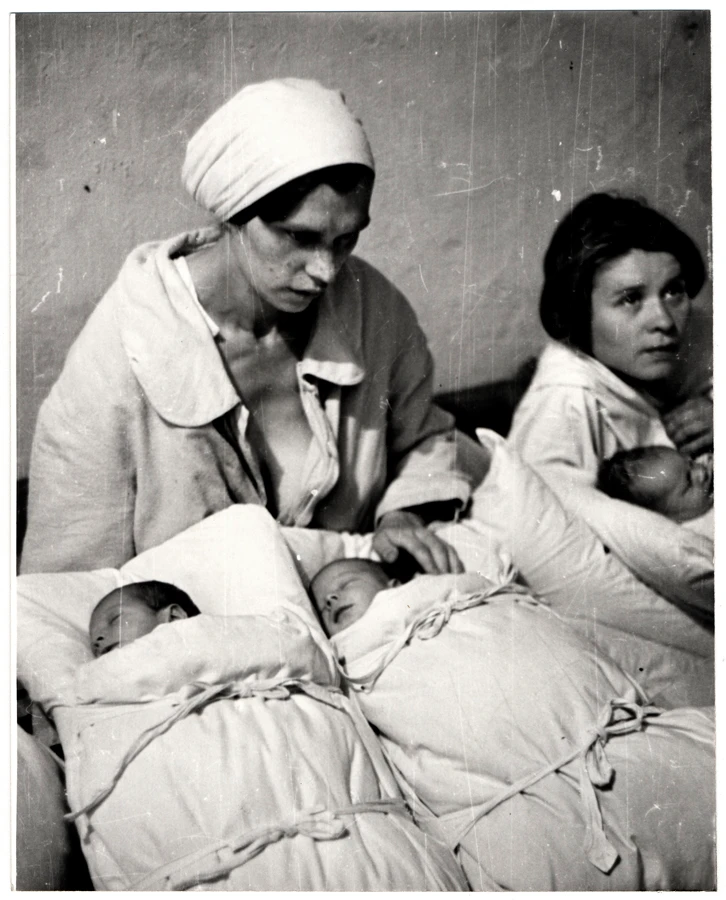
Warsaw Under Siege — Operating Without Morphine
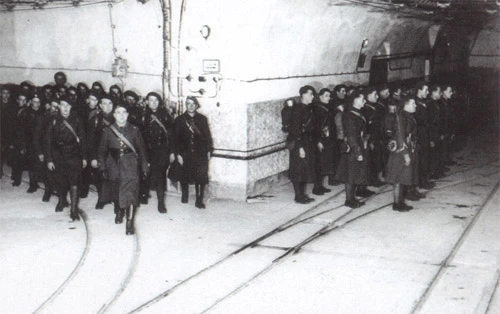
The French Conscript of the Phoney War
Gas Masks
Brześć — Plisowski faces Guderian
Coventry — the night of November 14
Gamelin and the defensive posture
The great winter at the front
Hel — Unrug faces the German envoy
Dunkirk: holding the line under the bombs
Warsaw Under Siege: Feeding the City or the Front
Warsaw Under Siege — Operating Without Morphine
The French Conscript of the Phoney War
Gas Masks
Brześć — Plisowski faces Guderian
Coventry — the night of November 14
Gamelin and the defensive posture
The great winter at the front