
The Kraków Student After the Sonderaktion Krakau
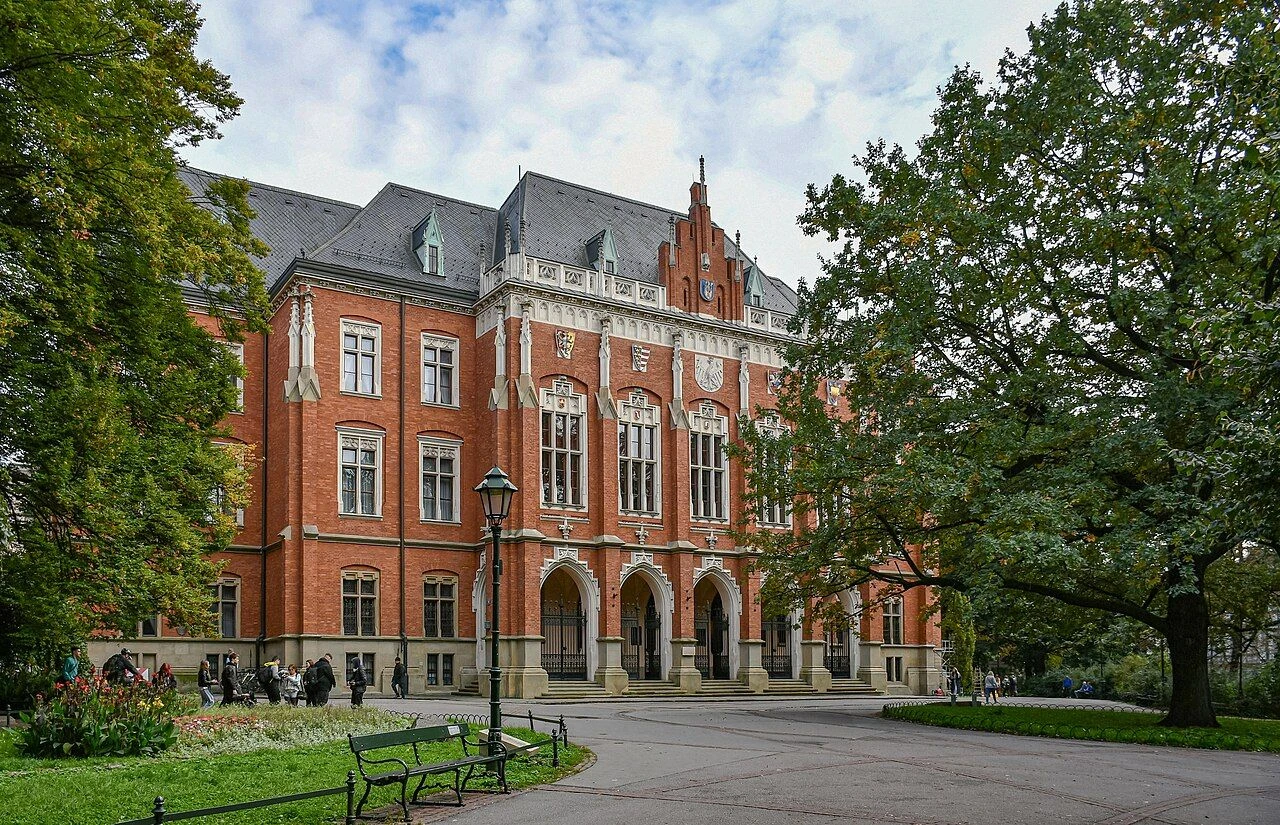
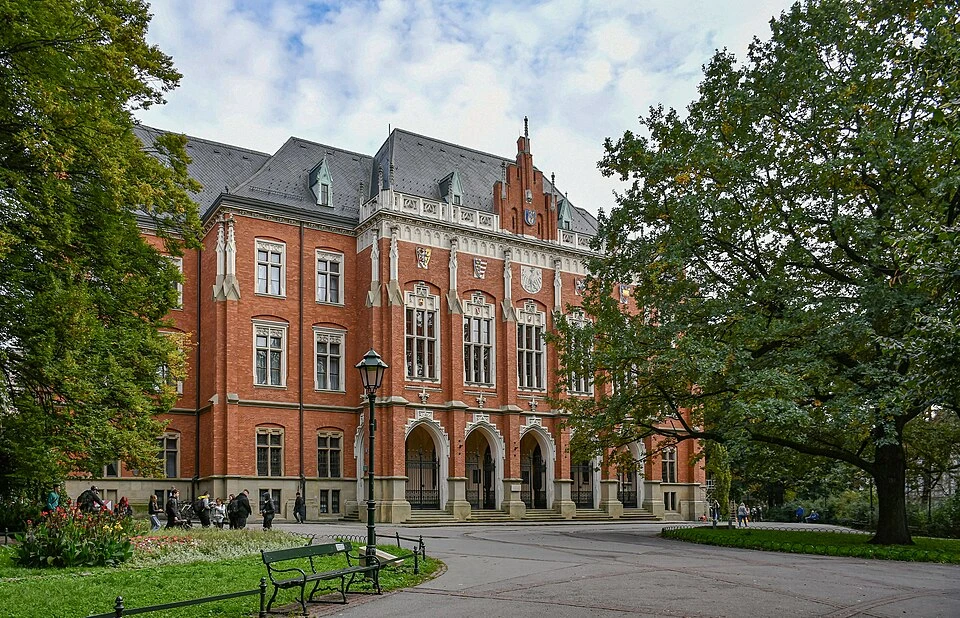
On 6 November 1939, in Kraków, Gestapo chief summoned the professors of the Jagiellonian University to the Collegium Novum under the pretext of a lecture on German educational policy. It was a trap: 183 academics were arrested and, for the most part, deported to the Sachsenhausen concentration camp. The operation would become known as the Sonderaktion Krakau.
The occupiers closed the university and banned Polish higher education: in the Nazis' view, Poles were to receive only an elementary instruction in the service of the Reich.
A law student, whose classes have just been abolished, must decide his future.
After the arrest of the professors of the Jagiellonian University and its closure, how does a Kraków student continue his studies?
After the Sonderaktion Krakau and the closure of the universities, the Nazis banned higher education for Poles. The documented response was the immediate development of clandestine teaching (tajne nauczanie / tajne komplety): as early as 1940, professors and students secretly reconstituted classes and examinations, and an underground university operated in Kraków as in Warsaw until 1945, at the risk of death or deportation. The continuation of Polish education in secret was an act of mass cultural resistance, not an isolated undertaking.
Learn more about this event
Related polls
10
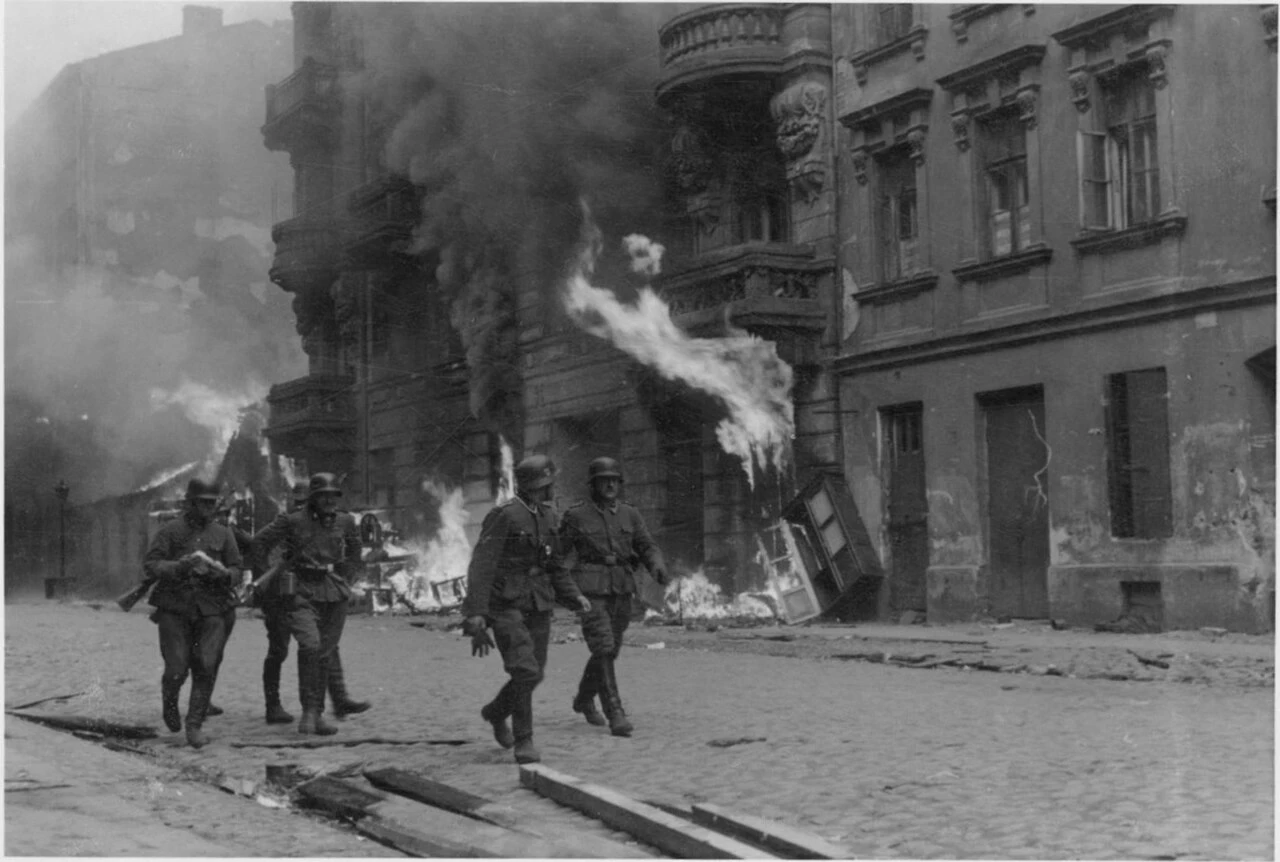
The Jewish Schoolteacher of Kazimierz
The University of Warsaw under the Bombs
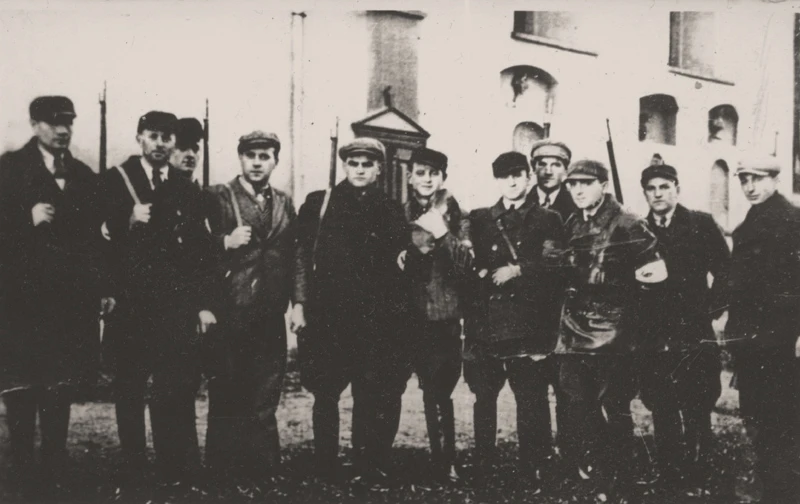
The Volksdeutsche Conscripted into the Selbstschutz
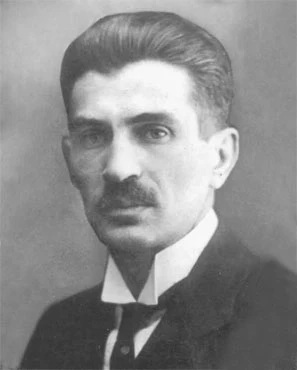
Maciej Rataj — Filtrowa Street, 28 November
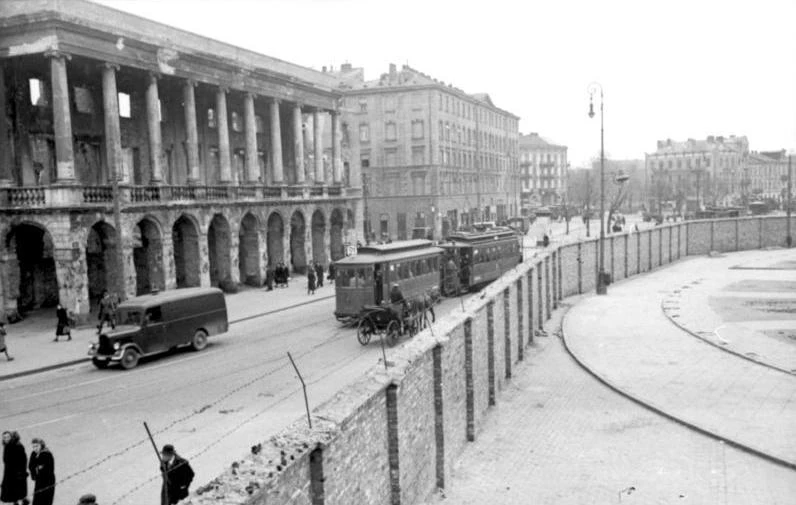
Studying in the Warsaw Ghetto
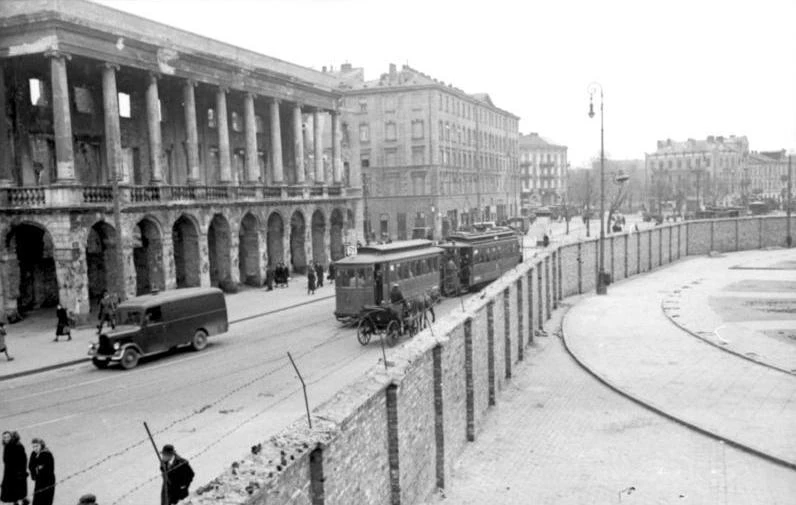
Clandestine teaching in the Warsaw Ghetto
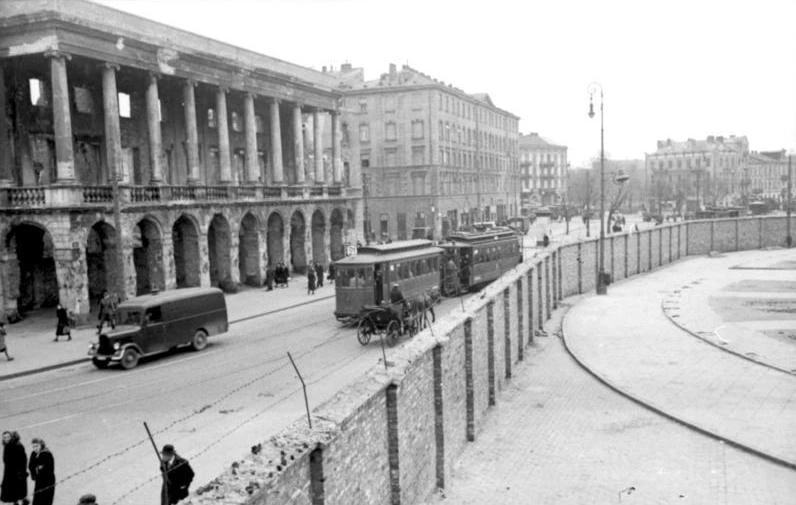
The Warsaw Ghetto — the temptation of informing
Hans Frank — the taking of the Wawel
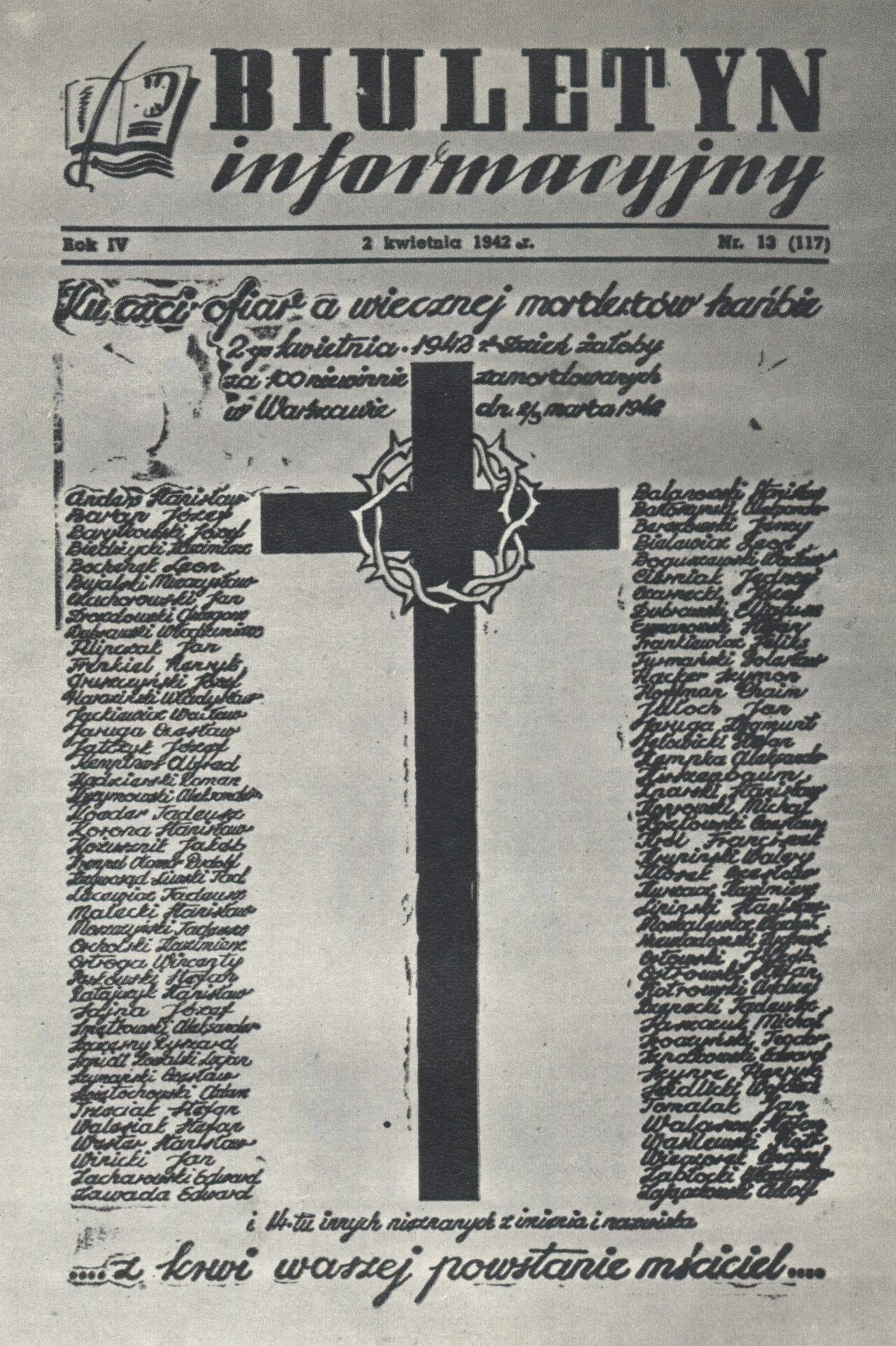
Kamiński and the Biuletyn — 5 November
Tajne komplety — Pigoń and the Jagiellonian seal
The Jewish Schoolteacher of Kazimierz
The University of Warsaw under the Bombs
The Volksdeutsche Conscripted into the Selbstschutz
Maciej Rataj — Filtrowa Street, 28 November
Studying in the Warsaw Ghetto
Clandestine teaching in the Warsaw Ghetto
The Warsaw Ghetto — the temptation of informing
Hans Frank — the taking of the Wawel
Kamiński and the Biuletyn — 5 November