
The metal without which cannons cannot be forged
Tungsten, or wolfram, is essential to carbide cutting tools: without them, it is impossible to machine shells and artillery pieces with precision. Yet the major deposits lie outside Europe or on its margins — Panasqueira in Portugal, Andalusia in Spain, Jiangxi in China.
In 1939, Germany knows its wolfram reserves are numbered. The Allied blockade threatens to cut off distant imports, and the Allies themselves covet the Iberian ore.
Should it seize the peninsular wolfram at any price, switch to substitute tools produced on German soil, or bet on stockpiling to weather the coming shortage?
How should Germany secure its supply of tungsten when its stocks are limited?
Germany pays for Portuguese and Spanish wolfram in gold, drawing on the Reichsbank's reserves, while also building up stocks. The Allies wage an outright bidding war to deprive the Reich of the ore, and Portugal ultimately embargoes its exports to Germany in June 1944. The resulting shortage of tungsten carbide degrades the quality of German munitions in the final months of the war.
Learn more about this event
Related polls
10
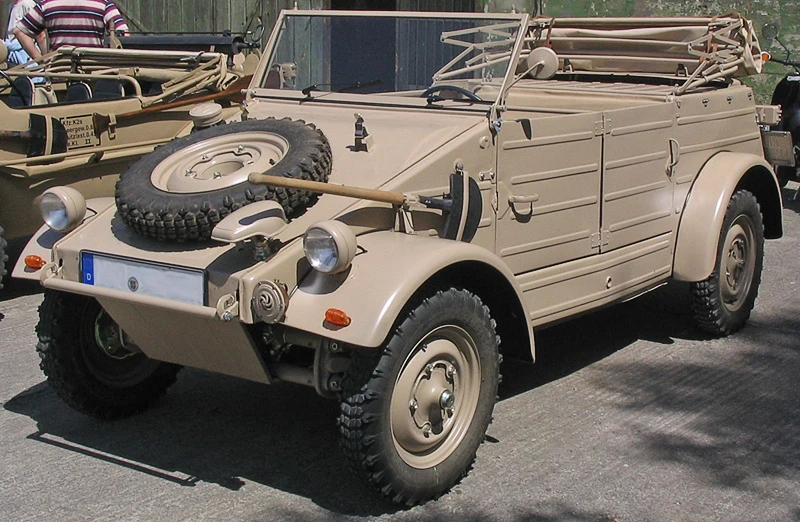
The People's Car Goes to War
The Karten: Rationing Germany at War

Speer and the Germania trade-off
Goering — the economic mobilization plan
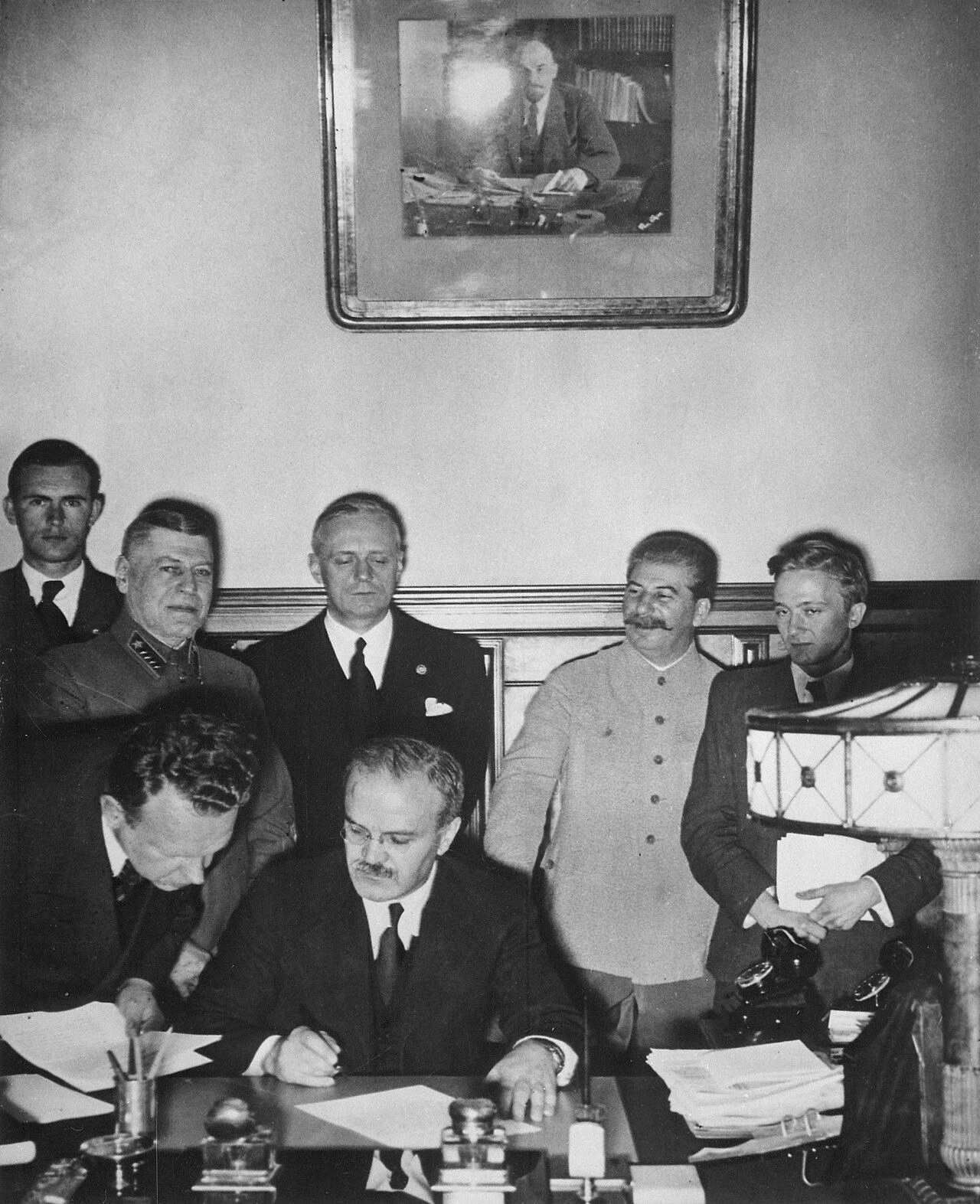
Schnurre in Moscow — the Commercial Agreement
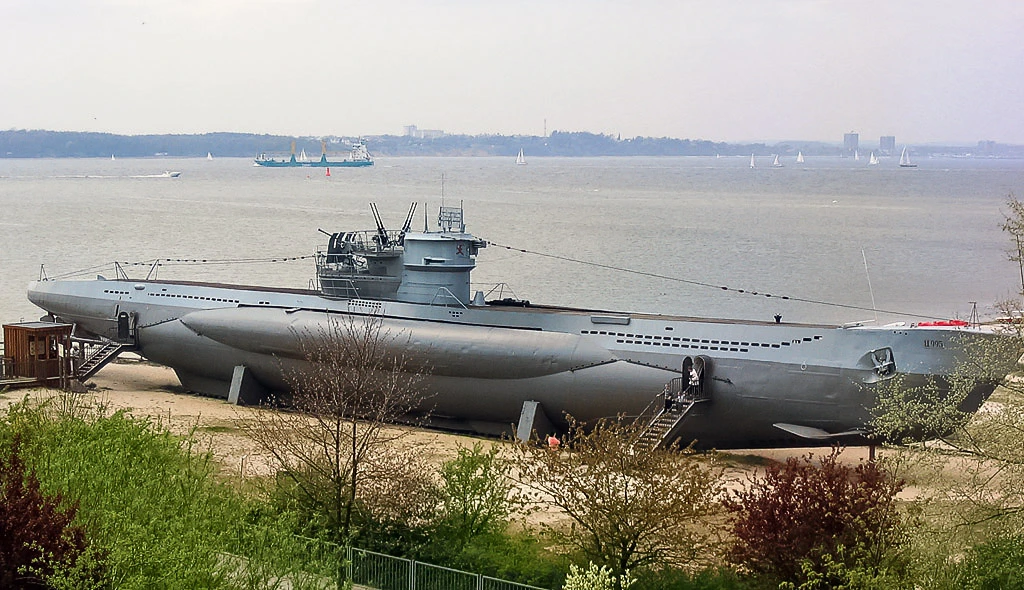
Thirty submarines a month, or next to nothing
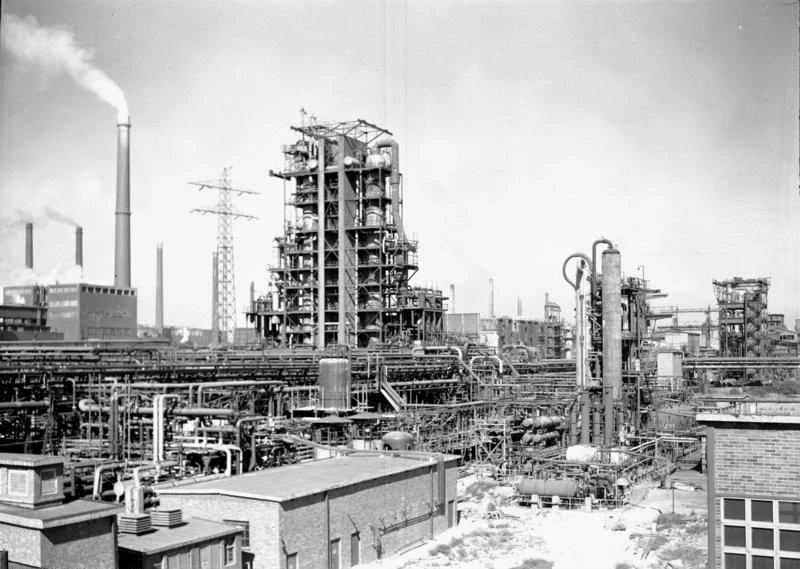
Making oil from coal
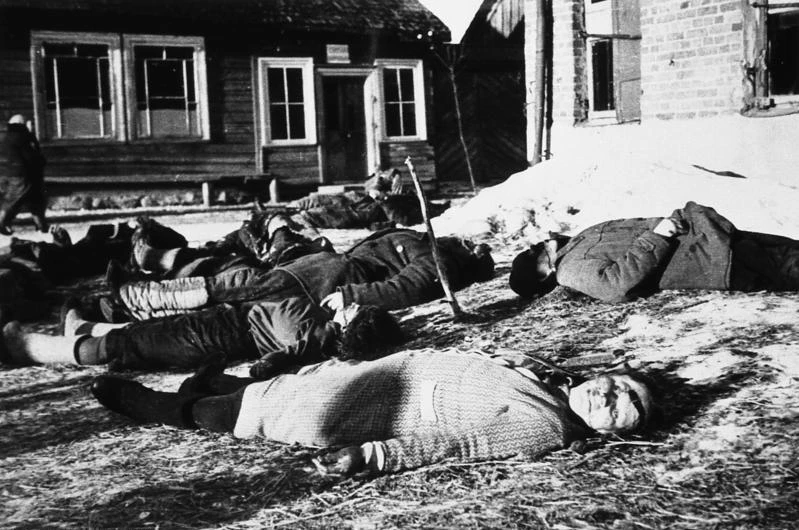
Generalplan Ost — the Hunger Plan
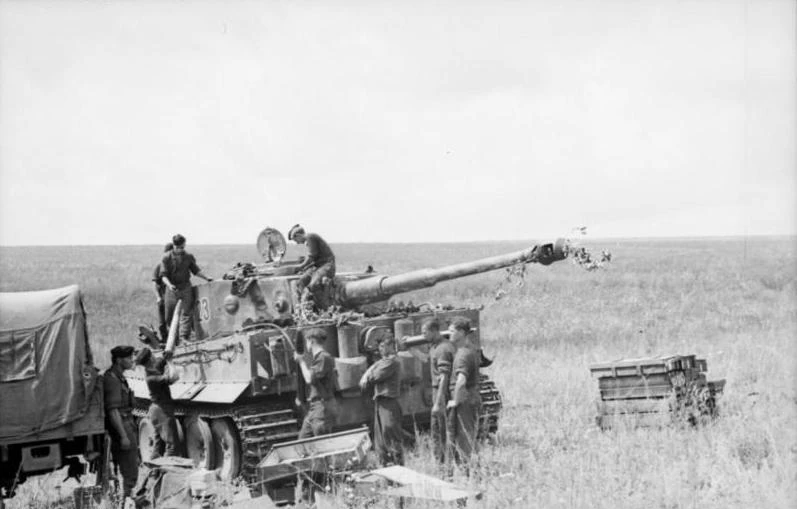
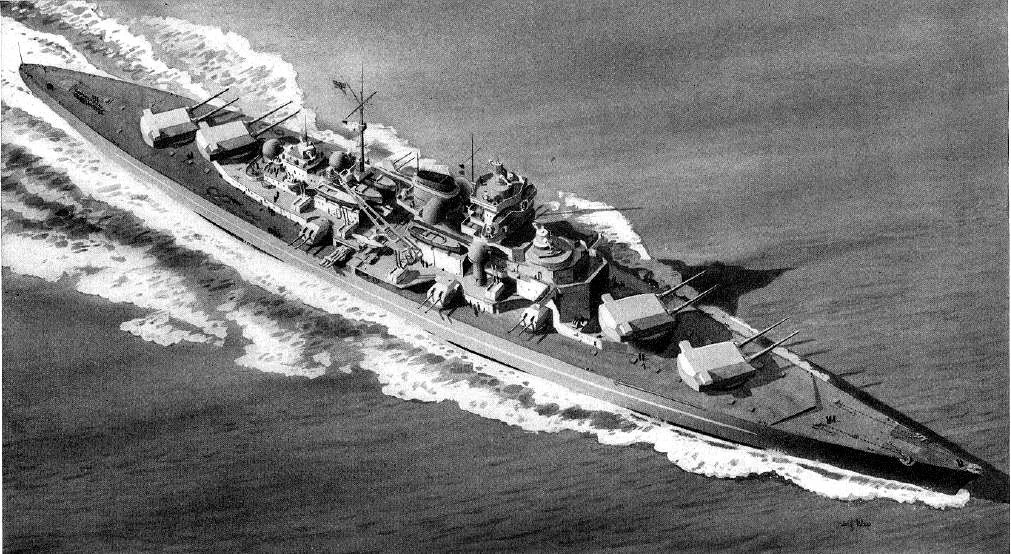
Krupp and the Beast's Cannon

The rubber that won't grow in the Reich
The People's Car Goes to War
The Karten: Rationing Germany at War
Speer and the Germania trade-off
Goering — the economic mobilization plan
Schnurre in Moscow — the Commercial Agreement
Thirty submarines a month, or next to nothing
Making oil from coal
Generalplan Ost — the Hunger Plan
Krupp and the Beast's Cannon