
Pilecki — founding the TAP
, 38, is a reserve cavalry officer, landowner of the Sukurcze estate in eastern Polesie. He had fought in the Polish-Soviet War (1919-1920) before leaving active service to manage his land. Mobilised on 26 August 1939, he commands a troop of the , which fights in the under General . His unit is broken up in mid-September in Polesie, after the Soviet invasion.
He returns clandestinely to Warsaw under a false identity as a merchant. On 9 November 1939, in a flat on Wojska Polskiego Avenue, he meets Major , an old comrade from his regiment. Together they found the Tajna Armia Polska (TAP — "Secret Polish Army"), one of the three earliest clandestine military organisations in Warsaw, alongside General Karaszewicz-Tokarzewski's Służba Zwycięstwu Polski (SZP) and the Organizacja Orła Białego (OOB).
Włodarkiewicz is the military commander. Pilecki is chief of staff and inspector. The TAP is conceived as military (clandestine cells of four or five men), Catholic-nationalist (close to the Endecja current), and territorial (a network of regional cells). By 1 December, the TAP numbers about 300 members in Warsaw and its environs. The question of coordination with the other movements is on the table.
What organisational line should be pursued?
Pilecki gradually opts for B. The TAP formally joins the SZP — by then renamed ZWZ (Związek Walki Zbrojnej, Union of Armed Struggle) — in 1941, and then the Armia Krajowa in February 1942. Pilecki makes a quite exceptional decision: in September 1940 he allows himself to be caught in a Warsaw round-up so as to be deported to Auschwitz, in order to organise a resistance network inside the camp and to relay intelligence to the AK. He stays there 947 days (prisoner number 4859), builds the ZOW network (Związek Organizacji Wojskowej), escapes in April 1943. His Auschwitz reports (1943, completed in 1945) are among the earliest detailed documentation of the Shoah sent to London. He fights in the Warsaw Uprising of 1944, is taken prisoner, freed in 1945. He returns clandestinely to communist Poland to set up an intelligence network for the Polish authorities in London. Arrested on 8 May 1947, tried under investigation by Judge , sentenced to death, and executed by a single bullet in the back of the neck on the night of 25 May 1948 in the Mokotów prison in Warsaw. His grave remains unknown. Rehabilitated in 1990. Today a major figure in Polish memory.
Learn more about this event
Related polls
10
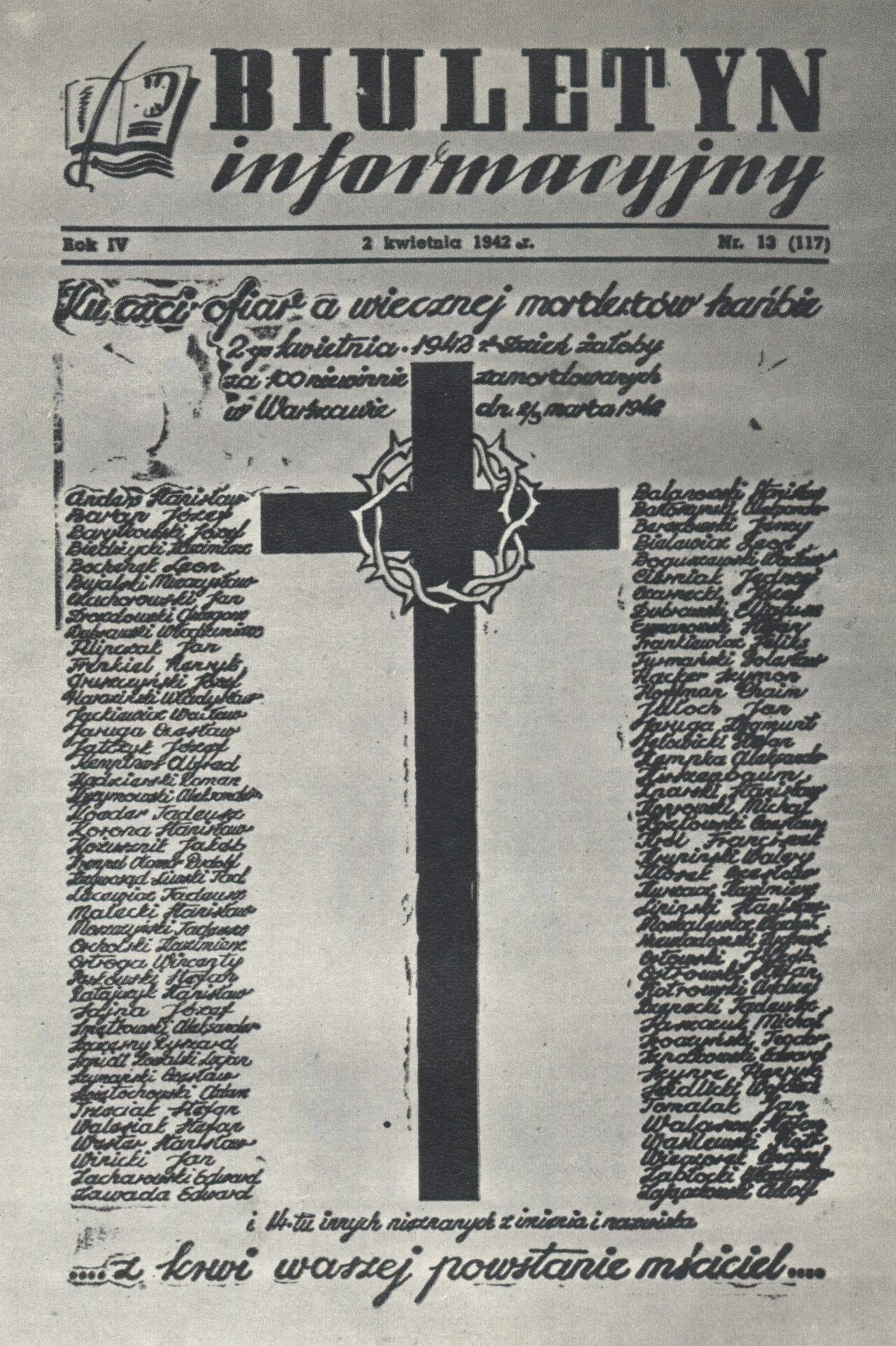
Kamiński and the Biuletyn — 5 November
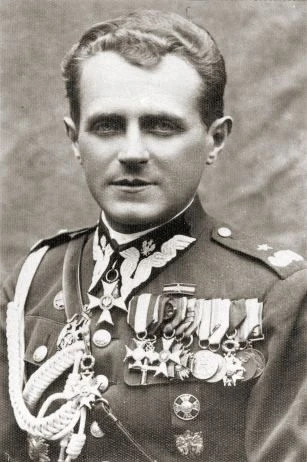
Karaszewicz-Tokarzewski — Founding the SZP
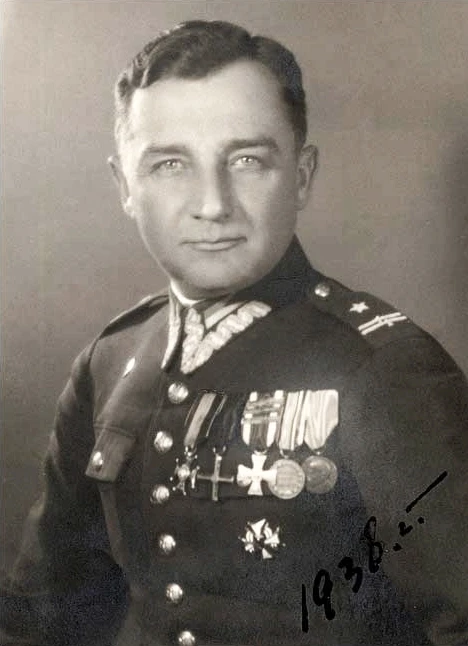
Hubal — after the order to disband
The University of Warsaw under the Bombs
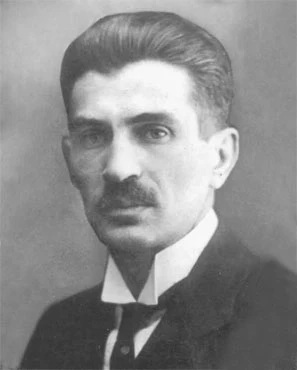
Maciej Rataj — Filtrowa Street, 28 November
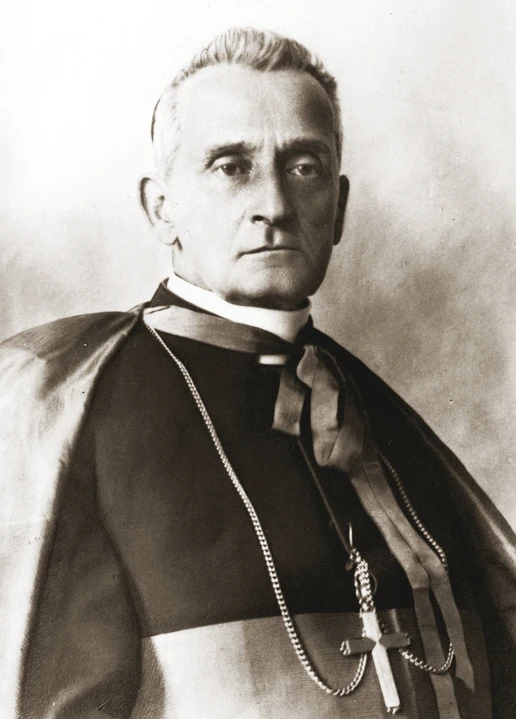
Cardinal Sapieha — Krakow under Occupation
Bishop Adamski in annexed Katowice
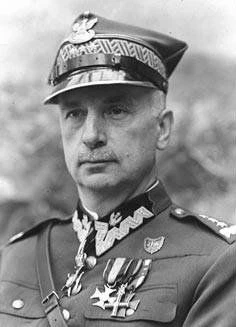
Sosnkowski — KSK, 27 November
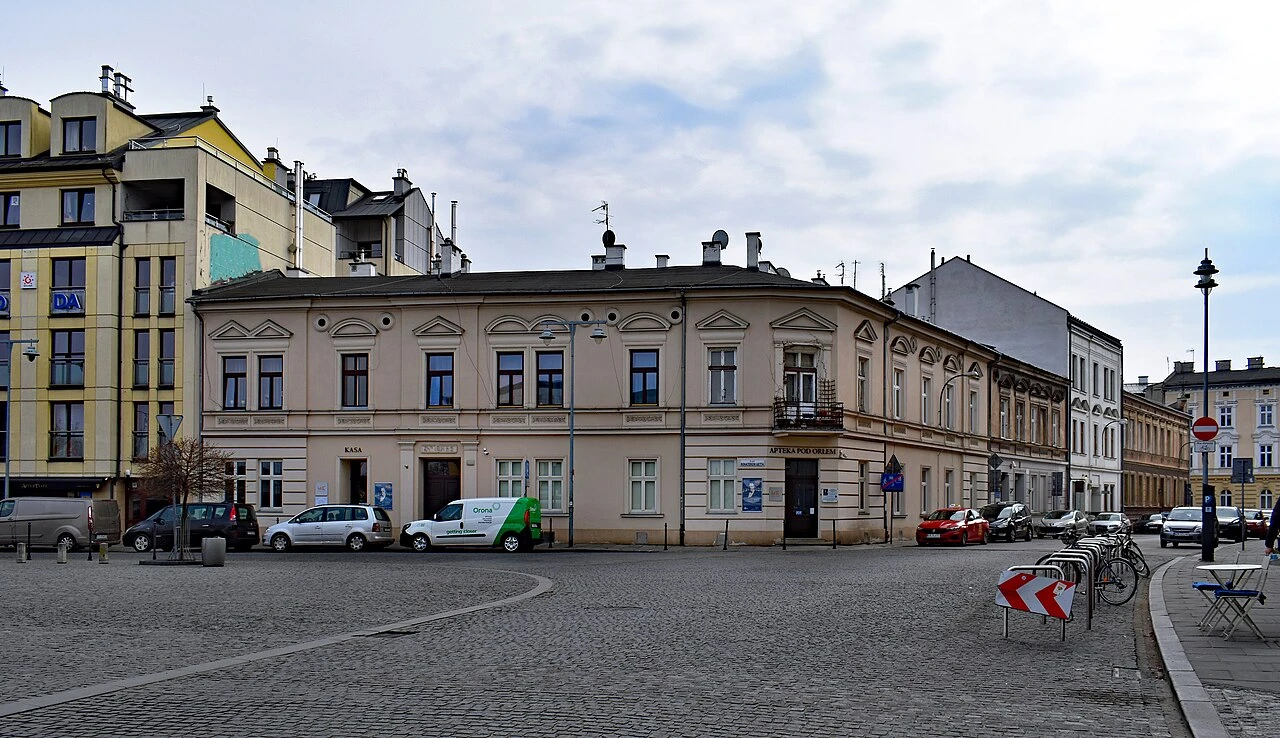
The apothecary of the Kraków Ghetto
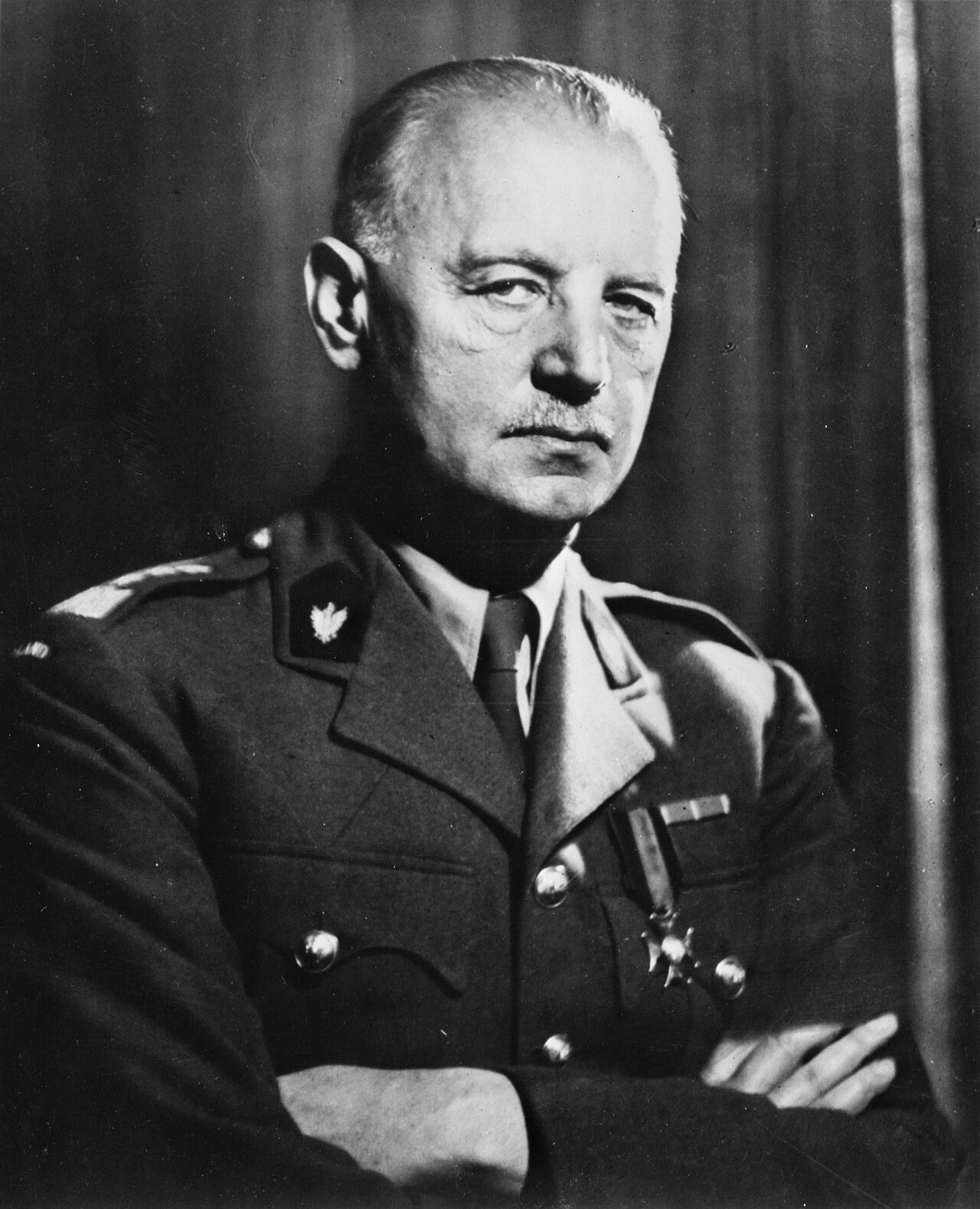
Sikorski leaves Bordeaux — 18 June
Kamiński and the Biuletyn — 5 November
Karaszewicz-Tokarzewski — Founding the SZP
Hubal — after the order to disband
The University of Warsaw under the Bombs
Maciej Rataj — Filtrowa Street, 28 November
Cardinal Sapieha — Krakow under Occupation
Bishop Adamski in annexed Katowice
Sosnkowski — KSK, 27 November
The apothecary of the Kraków Ghetto