
, 66, has presided over Lithuania since the 1926 coup that brought him to power. A jurist and ideologue of Lithuanian nationalism, he heads an authoritarian single-party regime from Kaunas, the country's provisional capital — Vilnius, the historic capital, was only returned by Moscow in October 1939, in exchange for Soviet military bases.
The Molotov-Ribbentrop Pact of August 1939 placed Lithuania in the USSR's sphere of influence. Since autumn, garrisons have been stationed on Lithuanian soil under the mutual assistance treaty. On 14 June 1940, while the world's eyes are fixed on the fall of Paris, Commissar hands Kaunas an ultimatum: try ministers accused of abducting Soviet soldiers, form a government 'capable' of applying the pact, and admit a 'sufficiently large' contingent of troops. A reply is demanded by the following morning.
Through the night the cabinet sits without respite. The military chiefs judge any armed resistance impossible: the army is not mobilised and Soviet troops are already in the country. Smetona must decide at first light.
Should one submit to the ultimatum and accept an imposed government, or leave the country to deny Moscow a 'legal' takeover?
Smetona applies C. Isolated within his own cabinet — which accepts the ultimatum — and pleading in vain for symbolic resistance, he crosses the German border on 15 June to deny Moscow an orderly transfer of power. The government promptly decides that his departure counts as resignation and transfers full powers to Prime Minister . The occupies Kaunas and Vilnius; a 'people's government' is installed. Rigged 'elections' in July lead to annexation: Lithuania becomes a Soviet republic on 3 August 1940. Smetona reaches Switzerland, then the United States, where he dies in a house fire in 1944. His gesture leaves him a disputed legacy: for some, a lucid refusal to legitimise occupation; for others, the flight of a head of state abandoning his people. Lithuania will not recover its independence until 1990.
Learn more about this event
Related polls
10
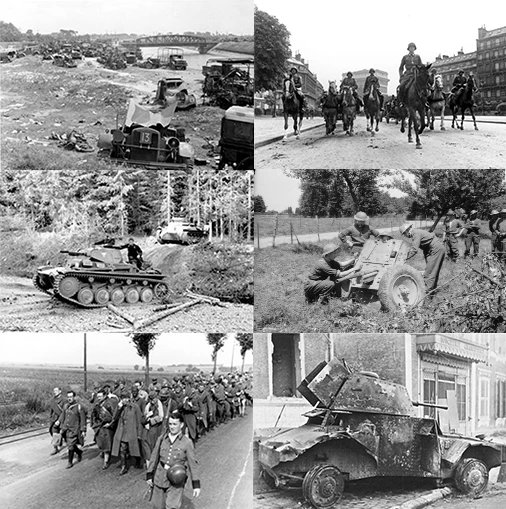
The armistice of Rethondes
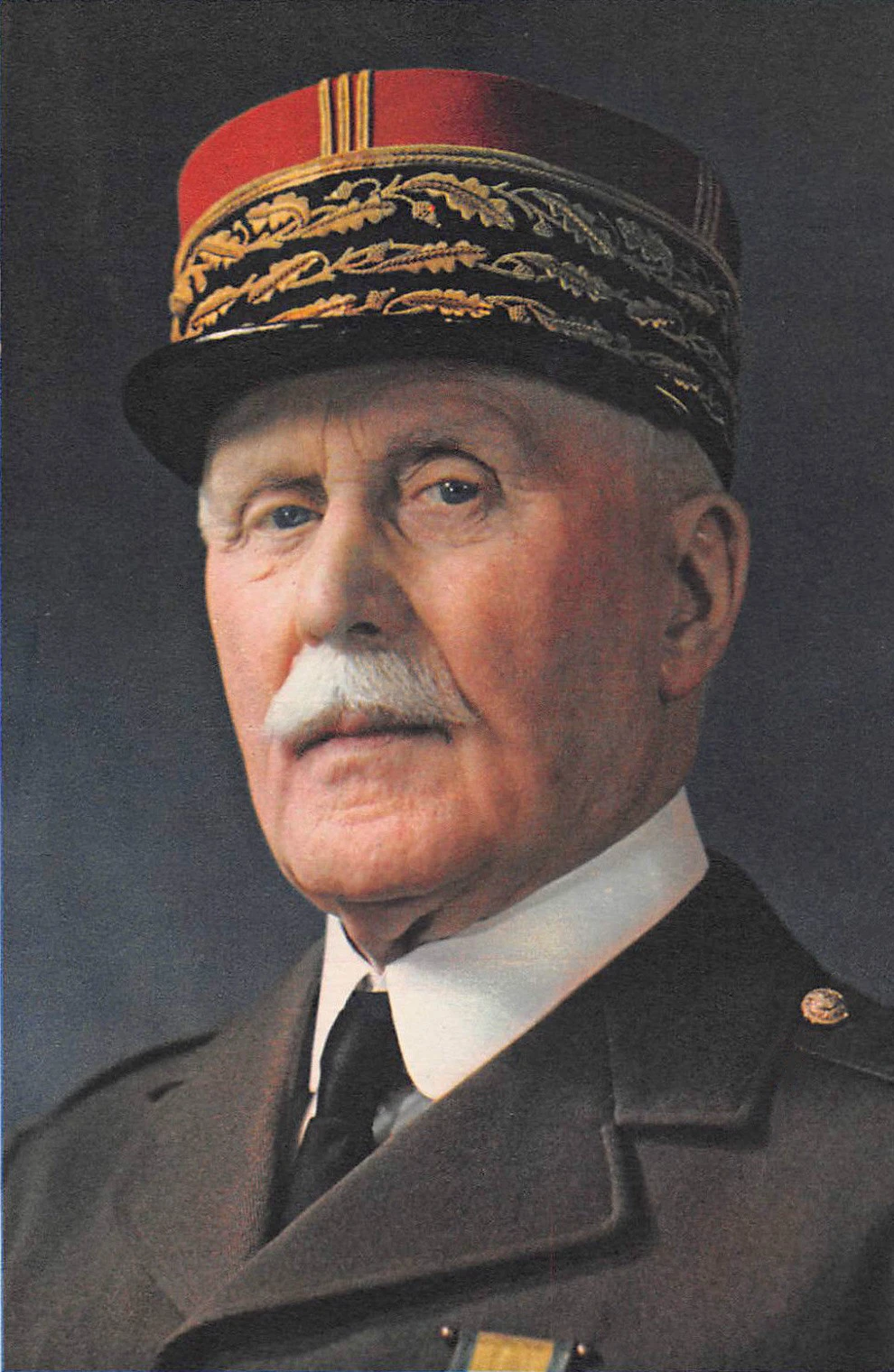
A Capital for the French State — 28 June
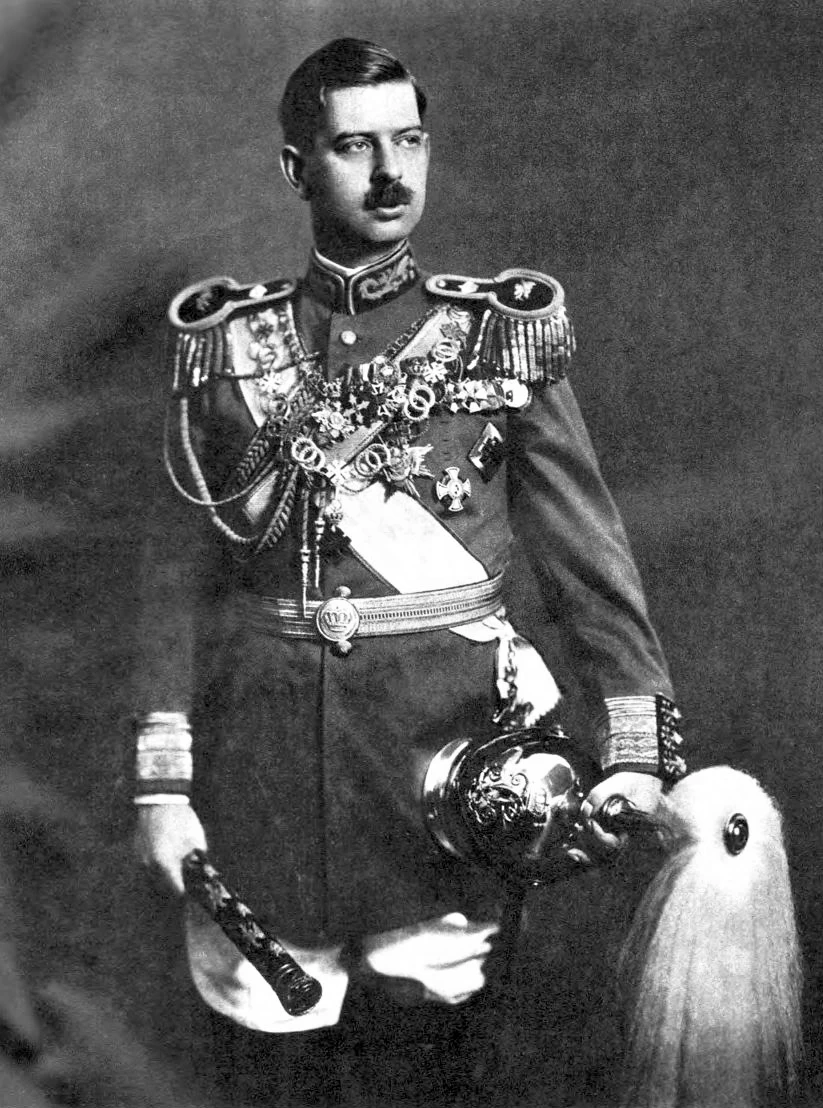
Carol II and Bessarabia
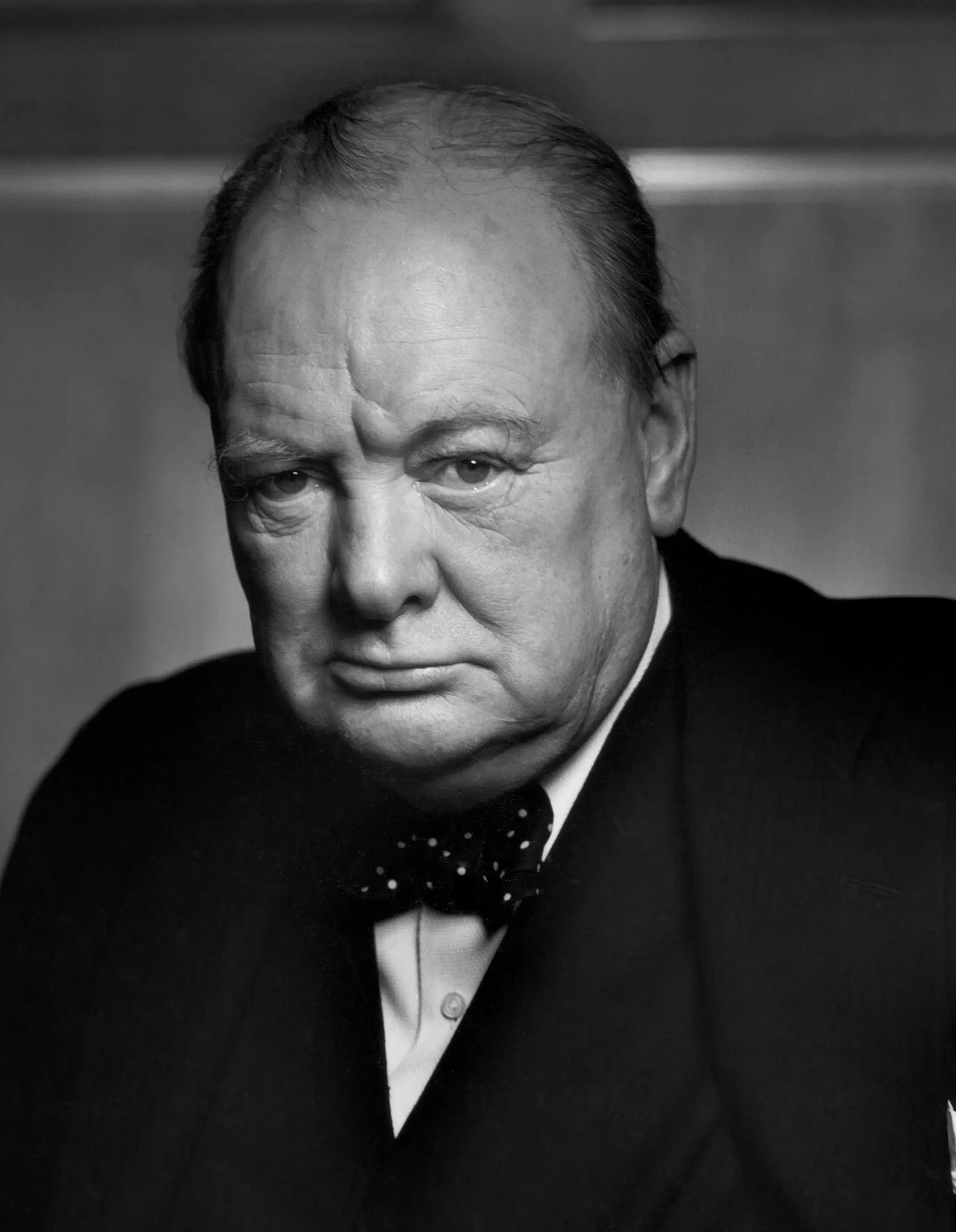
Churchill before the Commons — 4 June
Ciano summons the ambassadors — 10 June
"The Fighting Must Cease"
The fate of the Channel Islands
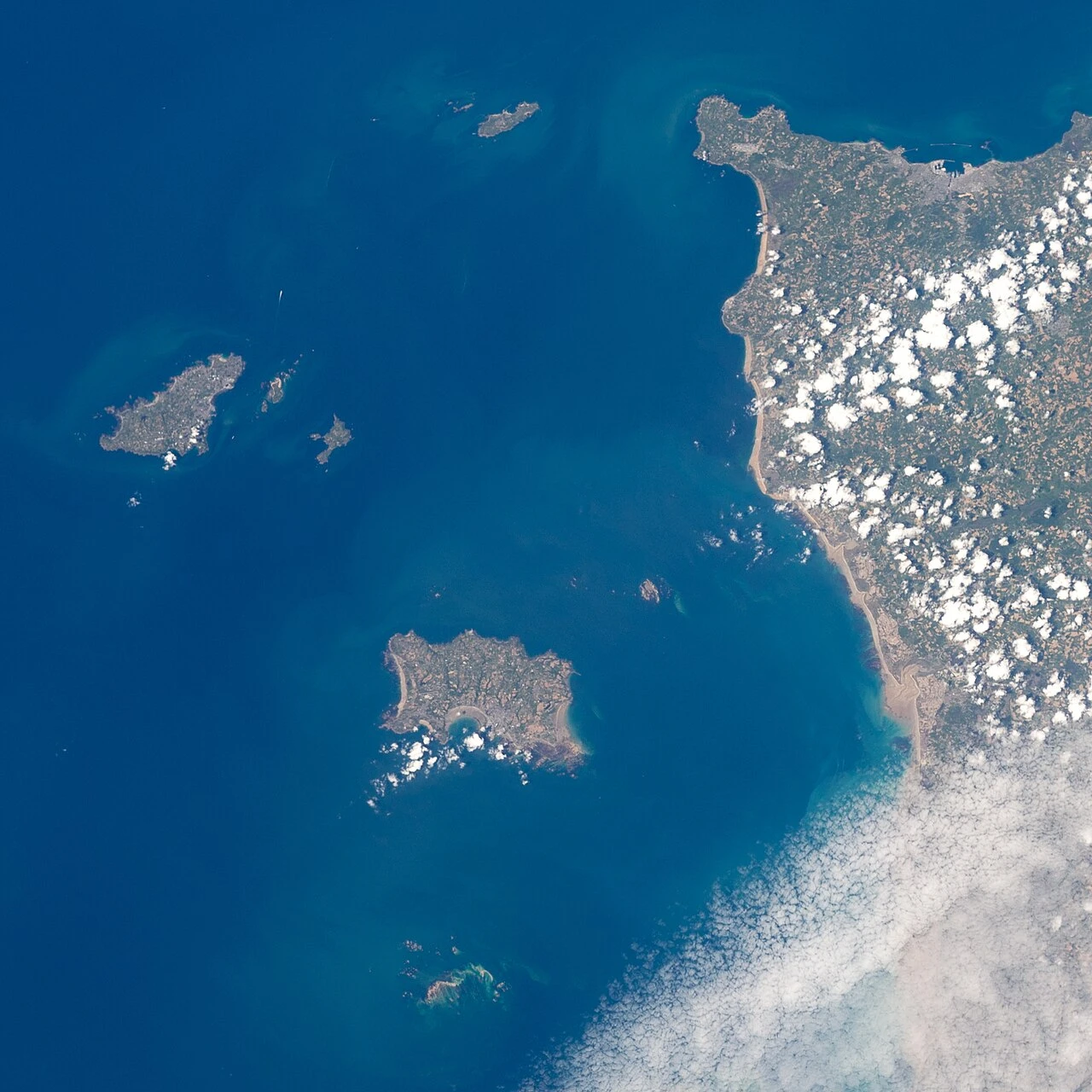
The Channel Islands — open city?
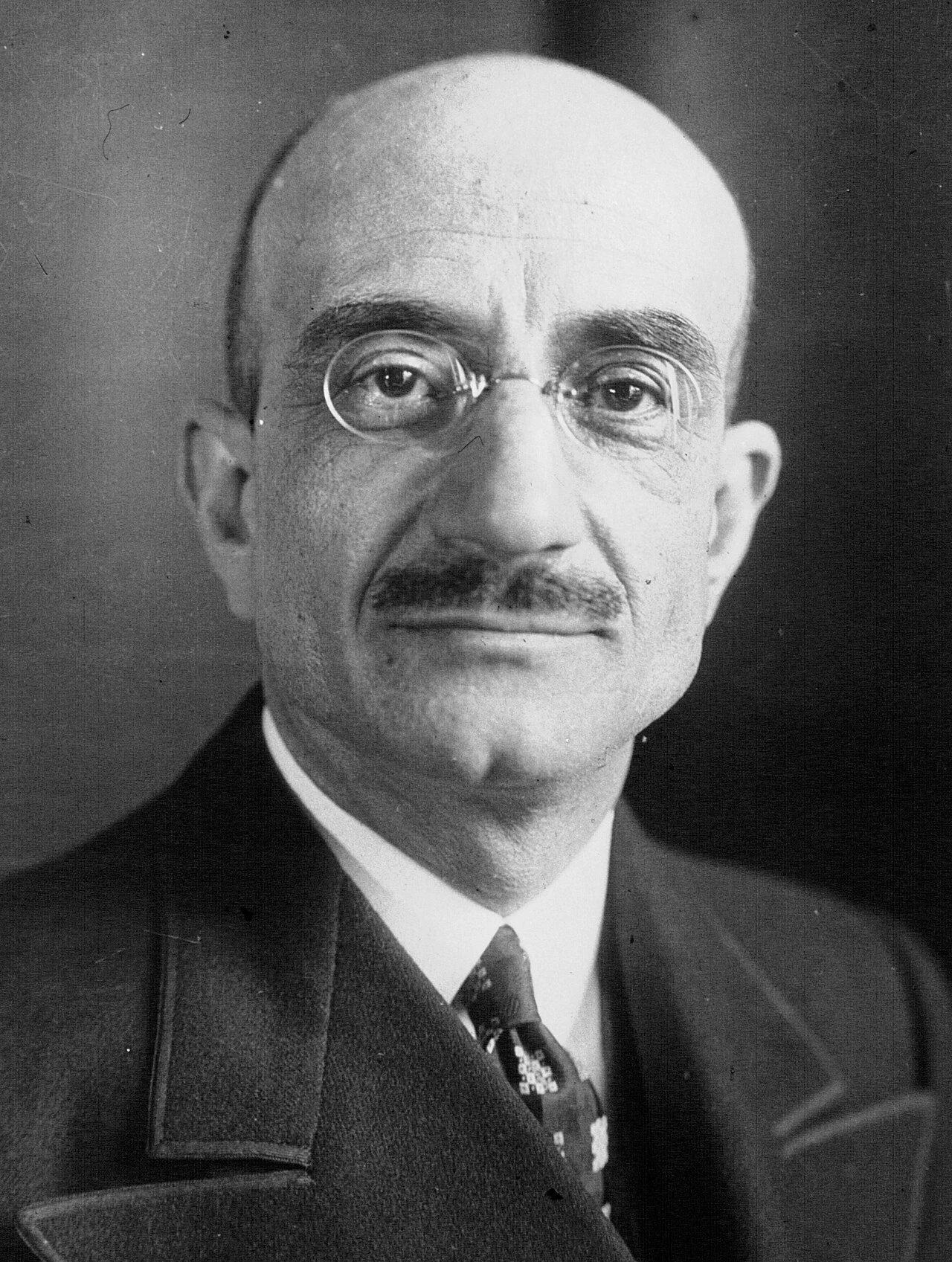
Langeron — Prefecture of Police, 14 June
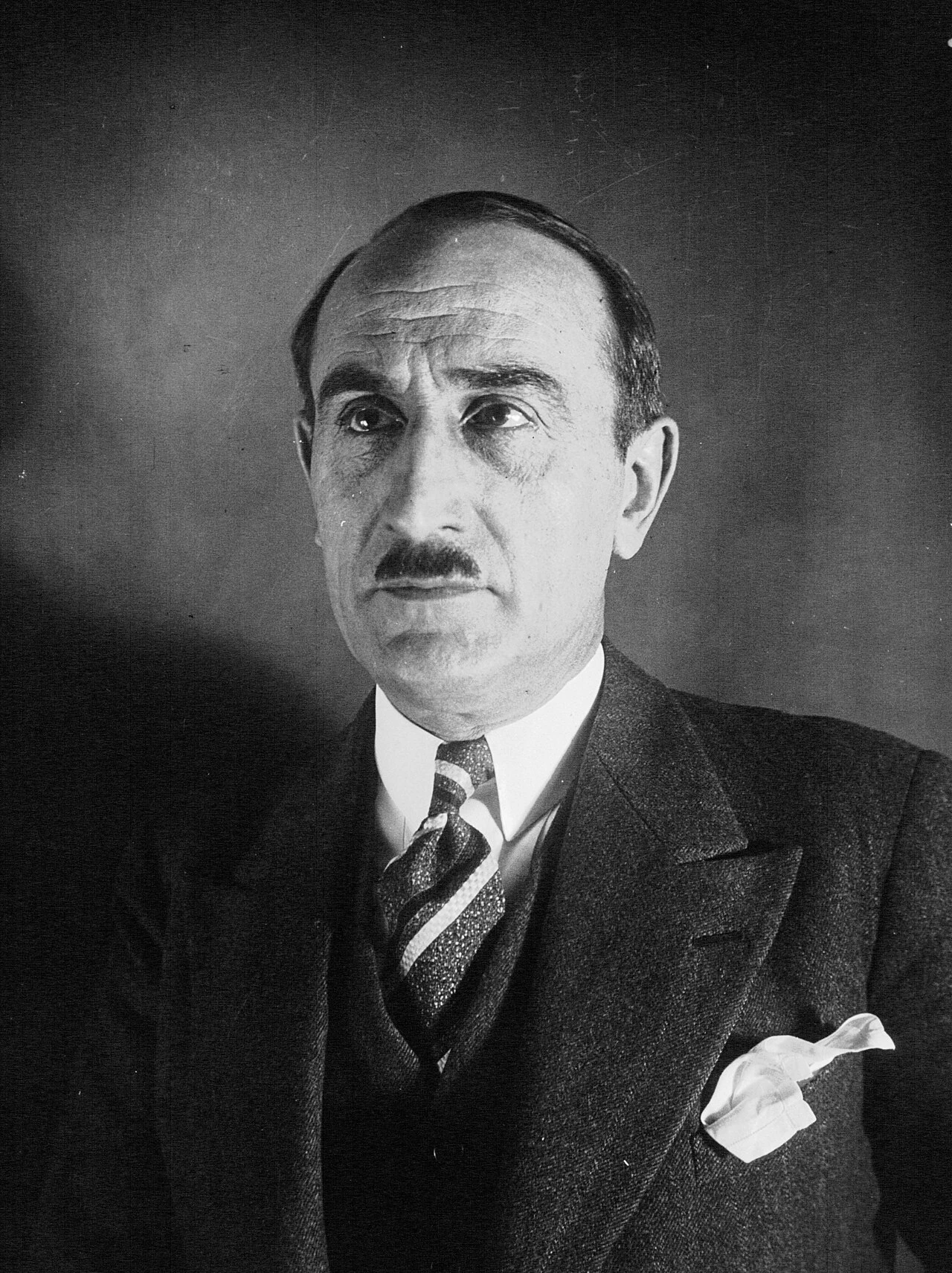
Marquet — Bordeaux overwhelmed, 12 June
The armistice of Rethondes
A Capital for the French State — 28 June
Carol II and Bessarabia
Churchill before the Commons — 4 June
Ciano summons the ambassadors — 10 June
"The Fighting Must Cease"
The fate of the Channel Islands
The Channel Islands — open city?
Langeron — Prefecture of Police, 14 June