
Our Parisian family is a composite case, representative of the hundreds of thousands of households facing the same dilemma in June 1940. On 10 June, word spreads: the Aisne-Somme front has given way, and the government is leaving Paris for Tours, then Bordeaux. The capital understands it will not be defended.
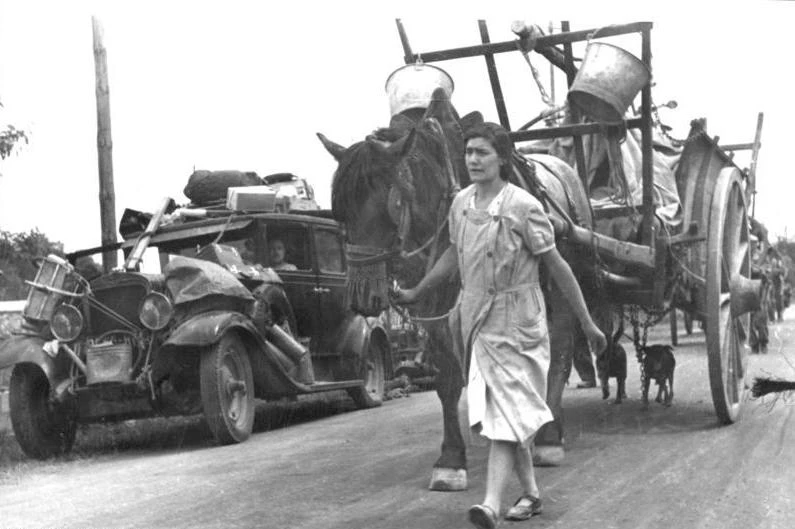
Panic takes hold within hours. The Gare d'Austerlitz and the Gare de Lyon are stormed; SNCF trains leave packed, families pile into cars loaded with mattresses, others set out on foot or by bicycle. Rumour, the memory of the 1914 atrocities, and the stories from the exodus out of the North and Belgium fuel the fear.
For an ordinary family the decision is immediate and weighty: take the road south with no destination and no certainty of supplies, stay at home and bet that occupation will be bearable, or send only the children somewhere safe. No one yet knows how the occupier will behave, nor how long the absence will last.
On 11 June, should this Parisian family take to the roads, stay, or split up?
The great majority chose A. Paris drops from about 2.8 million inhabitants to a few hundred thousand in less than a week — the city is three-quarters empty when the Wehrmacht enters on 14 June. This movement is part of the general exodus of 1940, which throws 8 to 10 million French onto the roads. The fugitives face congestion, aerial strafing, hunger, and the loss of loved ones. Most Parisians will gradually return from August 1940 to find a capital under German occupation, marked by curfew, requisitions, and rationing.
Learn more about this event
Related polls
10
Hannah Arendt, Stateless and Interned, Facing Exile
A Schoolteacher at Périgueux — Welcoming the Exodus
June 1940: the Mona Lisa on the road, ahead of the German advance
Langeron — Prefecture of Police, 14 June
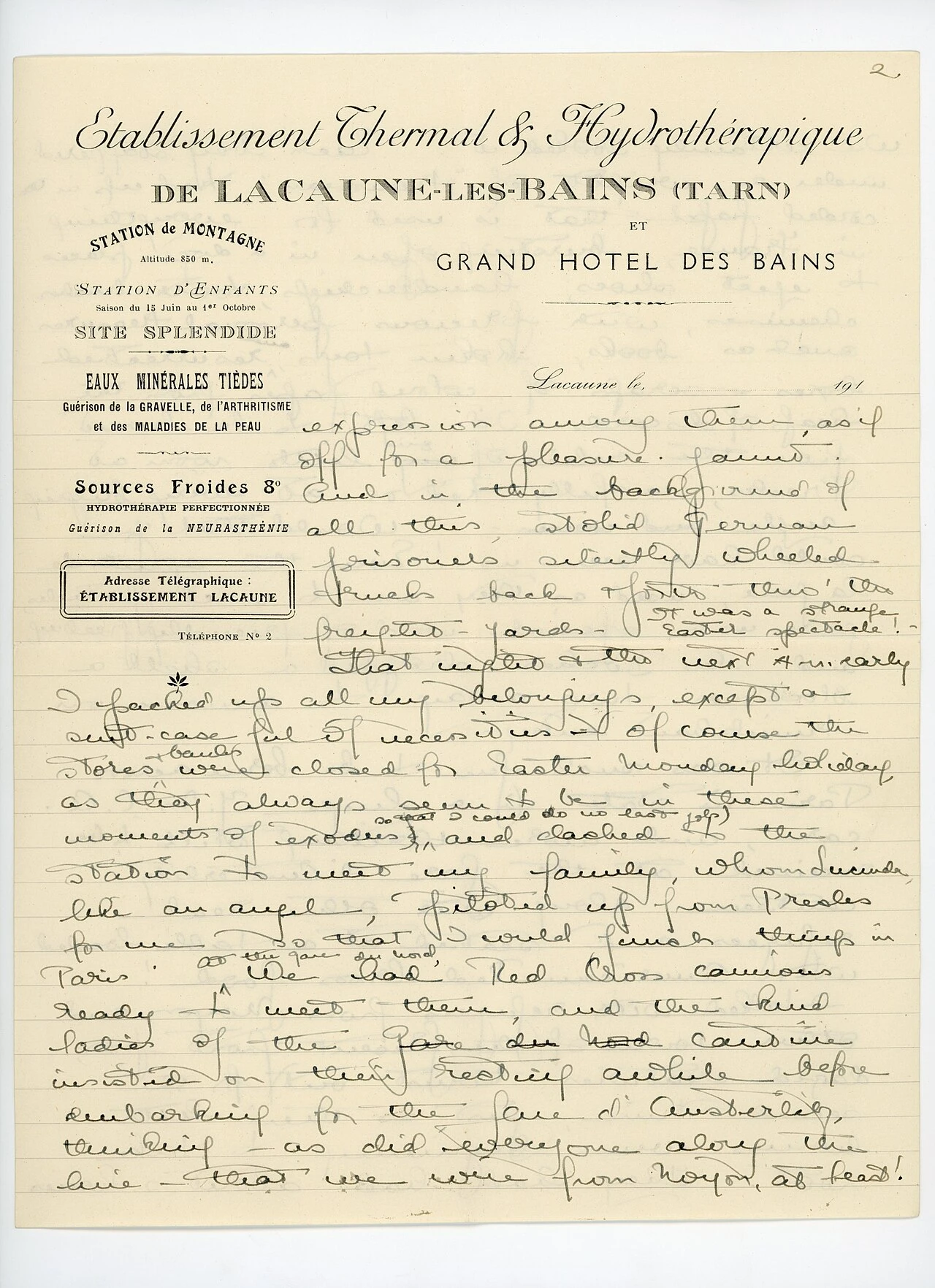
A Paris Lycée in Exodus
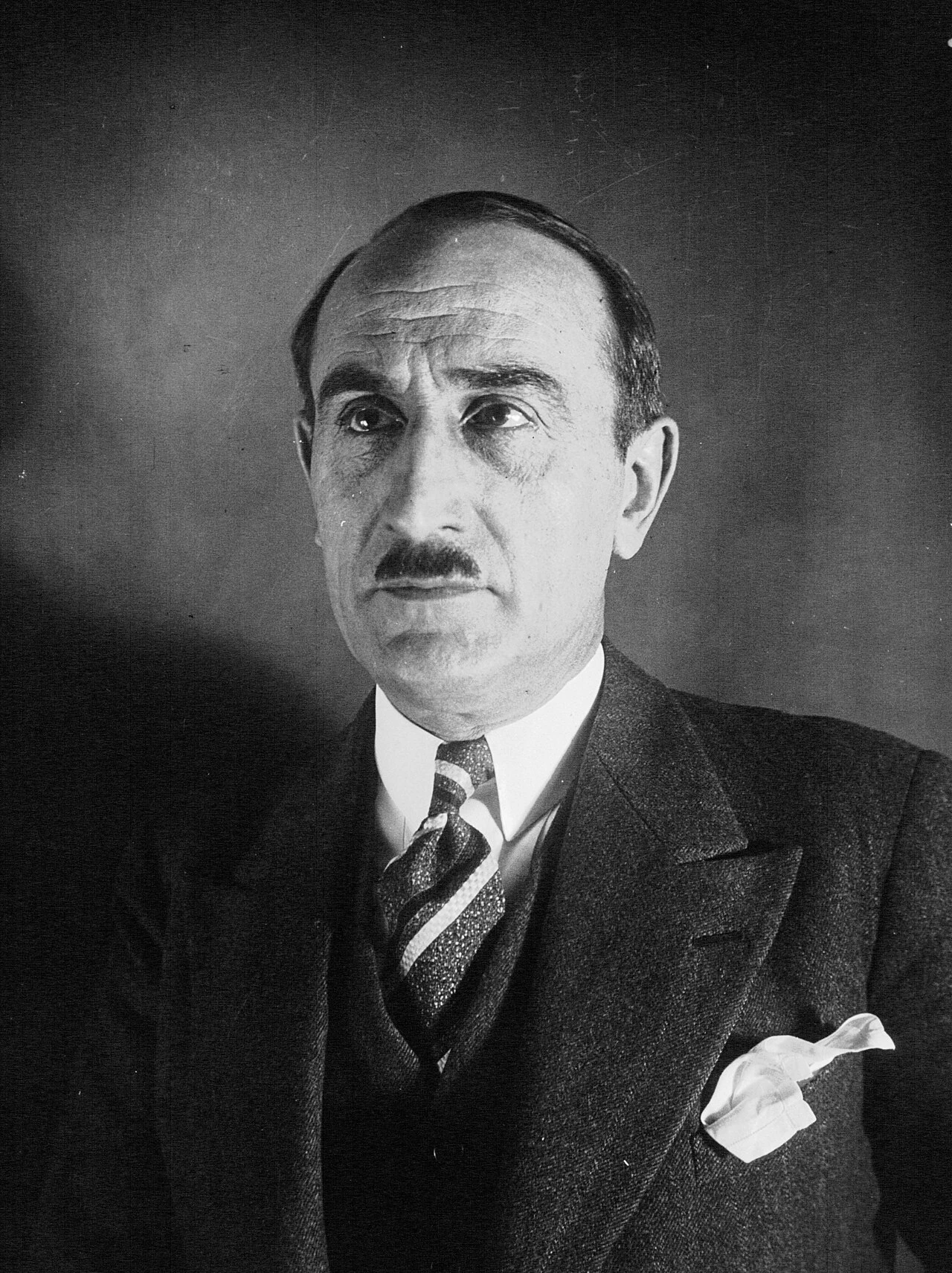
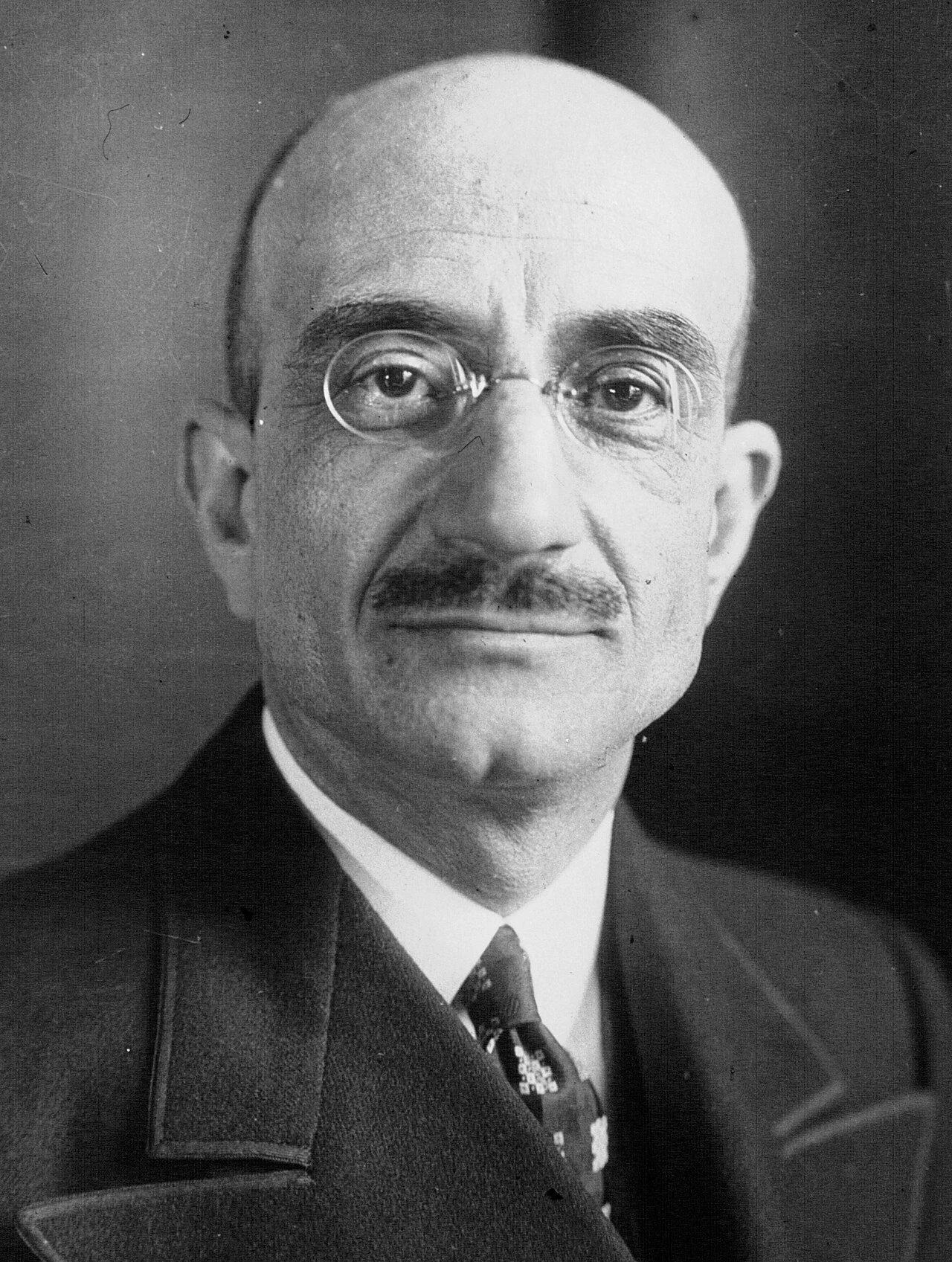
Marquet — Bordeaux overwhelmed, 12 June

Pierre Caron facing the exodus — the archivist and his post

When the Louvre Must Vanish
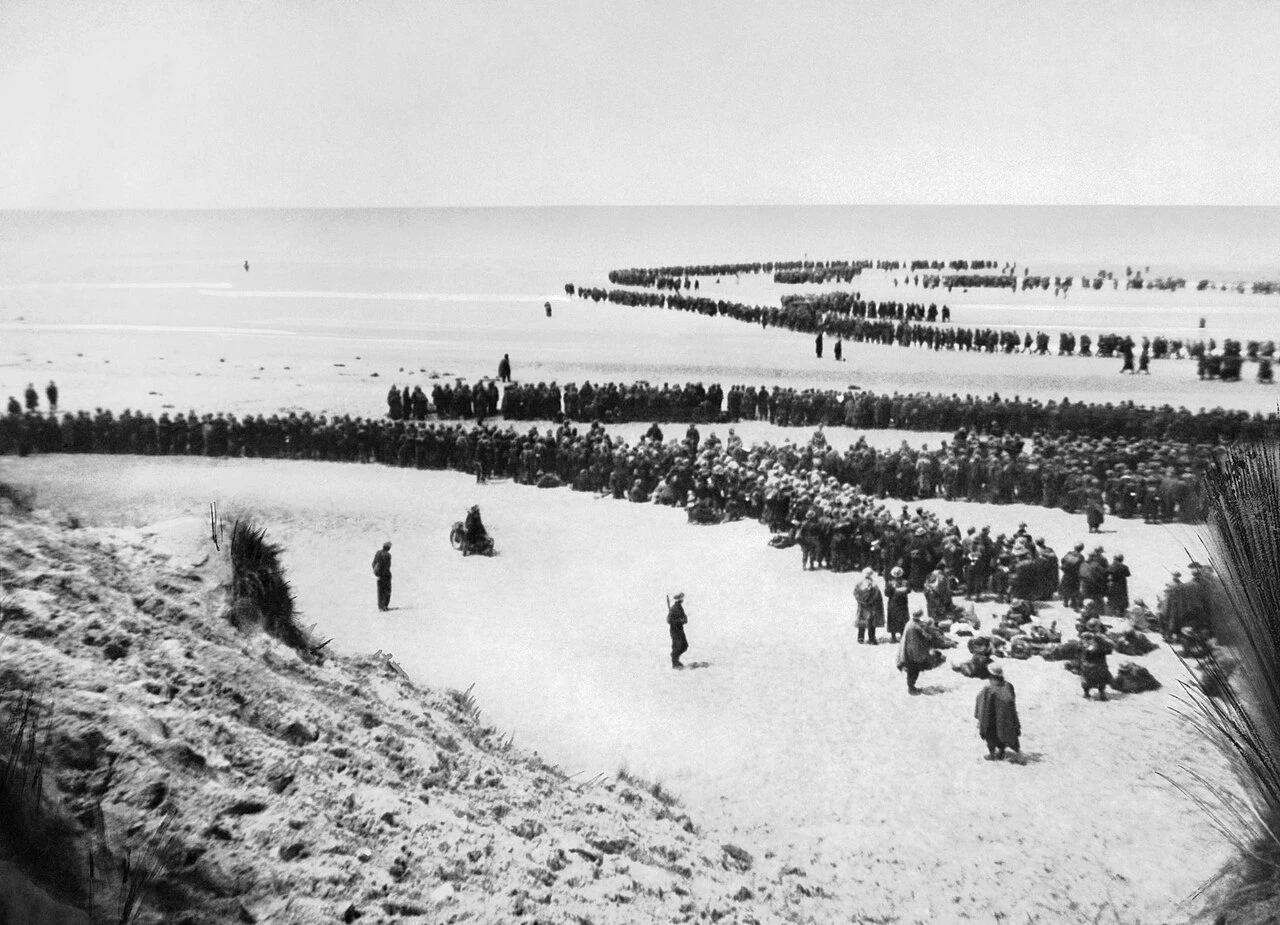
Dunkirk: holding the line under the bombs
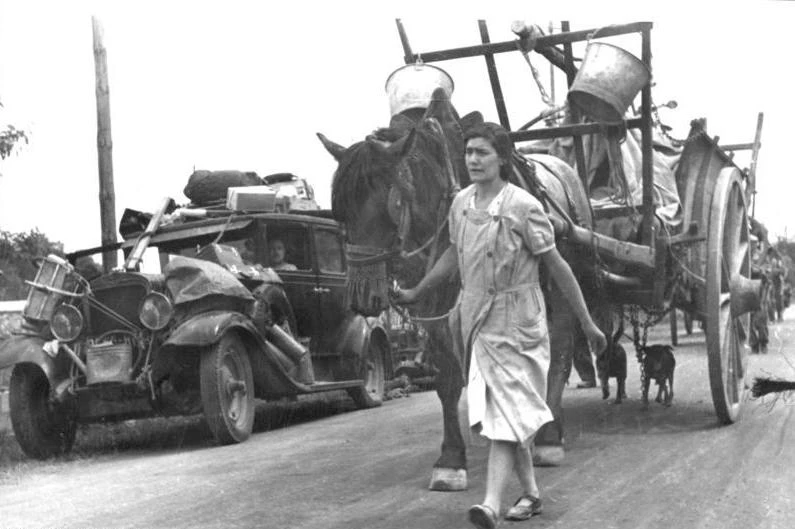
The French exodus
Hannah Arendt, Stateless and Interned, Facing Exile
A Schoolteacher at Périgueux — Welcoming the Exodus
June 1940: the Mona Lisa on the road, ahead of the German advance
Langeron — Prefecture of Police, 14 June
A Paris Lycée in Exodus
Marquet — Bordeaux overwhelmed, 12 June
Pierre Caron facing the exodus — the archivist and his post
When the Louvre Must Vanish
Dunkirk: holding the line under the bombs