
The dash to the wire: Rommel's gamble on the frontier
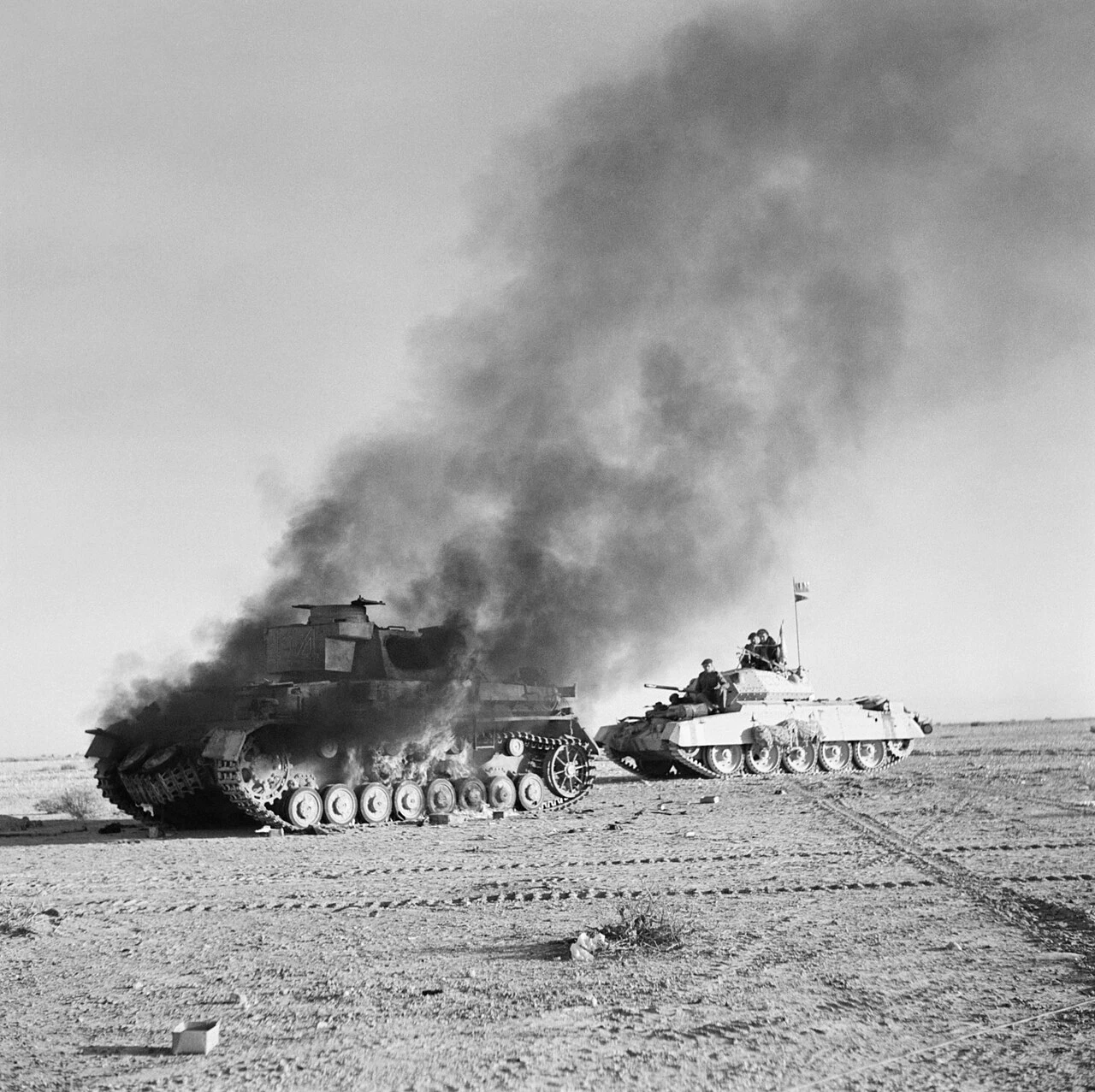
By late November 1941, Cyrenaica has become a cauldron. Since the 18th, the British have been waging Operation Crusader, a vast offensive by General Cunningham's 8th Army aimed at breaking the siege of Tobruk and annihilating your armour. The opening days have turned to your advantage: around Sidi Rezegh, your panzers have inflicted heavy losses on the 7th Armoured Division and blunted the enemy's momentum. But the advantage is fragile: your tanks are wearing out, fuel struggles to cross the Mediterranean, and enemy reinforcements keep pouring in from Egypt.
On 24 November, an intoxicating piece of intelligence reaches you: the British rear, near the frontier, seems stripped bare, the depots poorly guarded, the staffs in a flutter. You sense the chance to turn a tactical success into a strategic rout. But caution whispers the opposite: your formations are dispersed, exhausted, low on ammunition, the New Zealand division is advancing dangerously towards Tobruk, and a poorly calibrated stroke of audacity could cut you off from your own bases.
Before the map, at Sidi Omar, on that ribbon of barbed wire separating Libya from Egypt, you weigh the moment when everything could tip. Three roads open before you, and each one stakes the fate of the Afrikakorps.
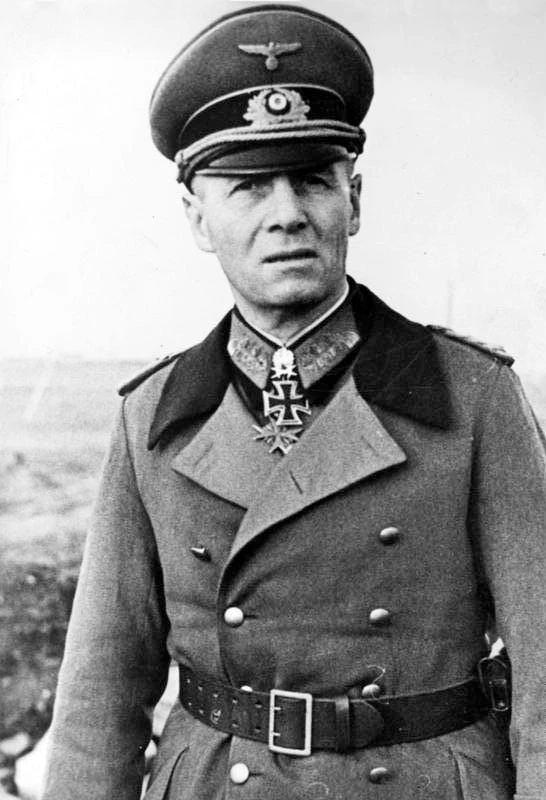
General Rommel, on 24 November 1941, what do you decide in order to exploit the situation at the frontier?
Rommel chose audacity and on 24 November 1941 launched his famous "dash to the wire," hurling his panzers towards the Egyptian frontier into the rear of the 8th Army. The blow sowed considerable disorder and completed the destabilization of the British command: the shaken General Cunningham was relieved and replaced by Ritchie. But the offensive did not break the enemy: Auchinleck took matters in hand and refused to retreat. While Rommel was away from the heart of the battle, General Freyberg's 2nd New Zealand Division succeeded in linking up with the Tobruk garrison, momentarily lifting the siege. Deprived of reserves and fuel, Rommel was ultimately forced to abandon Cyrenaica and fall back to El Agheila in December 1941, the Axis's first real reverse in North Africa.
Learn more about this event
Related polls
10
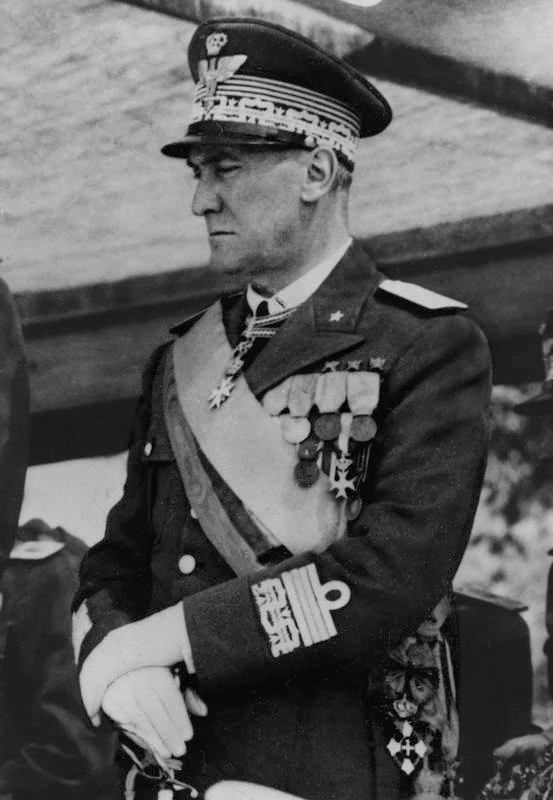
Graziani enters Egypt — Sidi Barrani
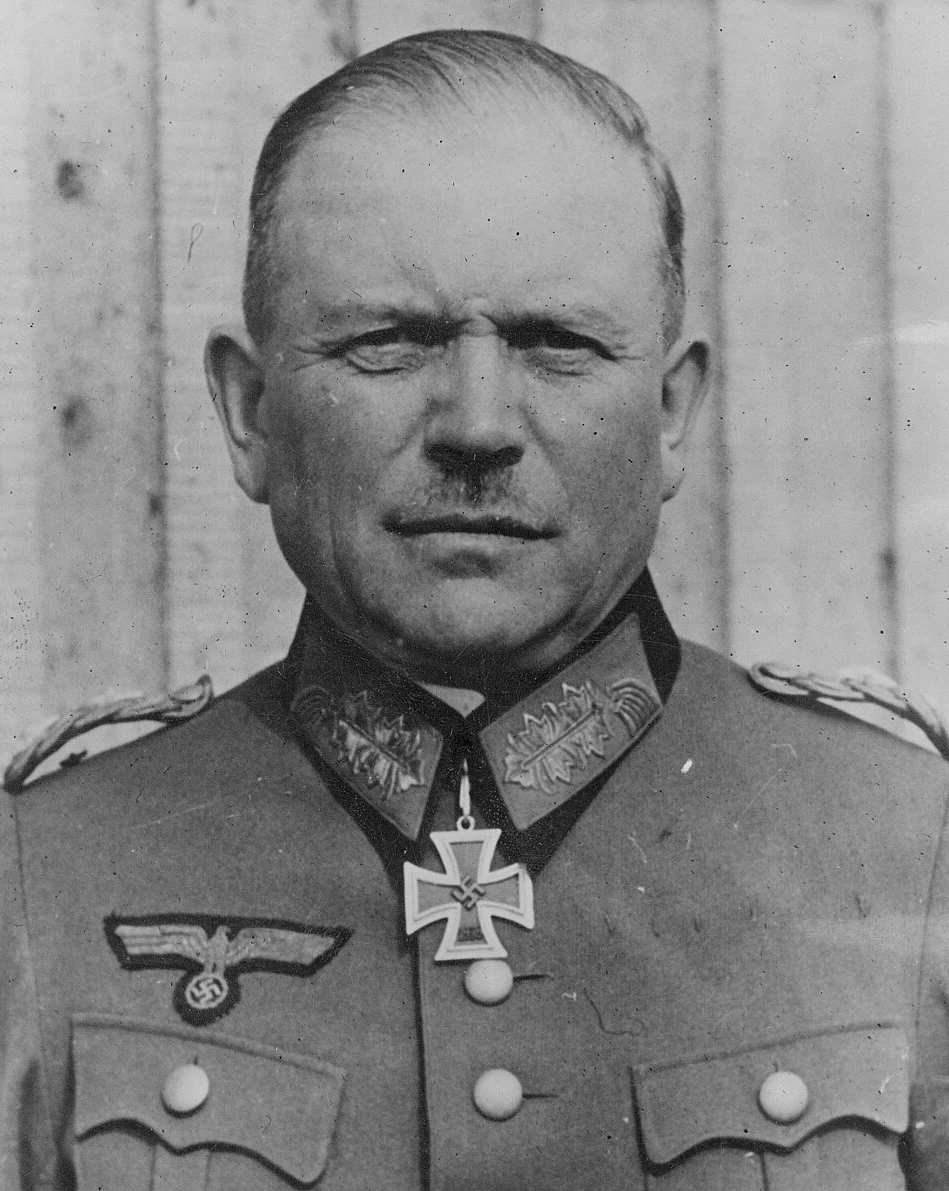
The Mud, the Winter and the Road to Moscow
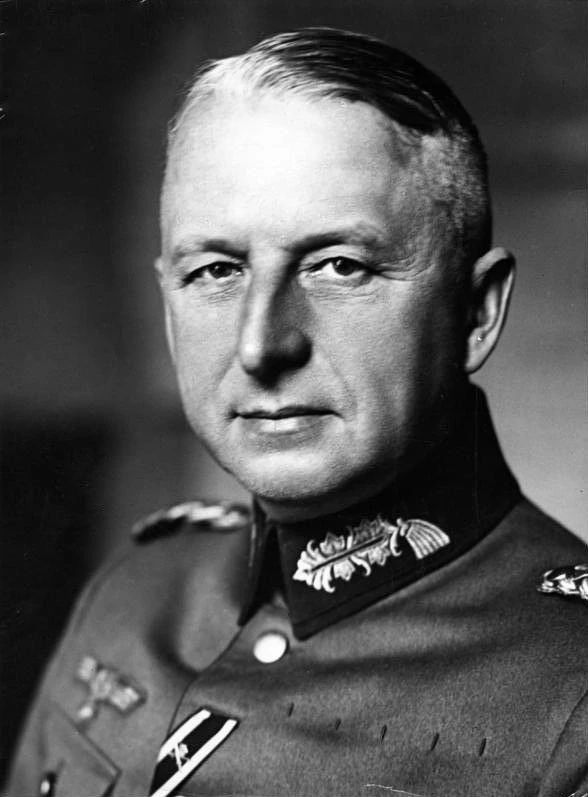
Perekop: the Iron Gate of Crimea

The Houx weir
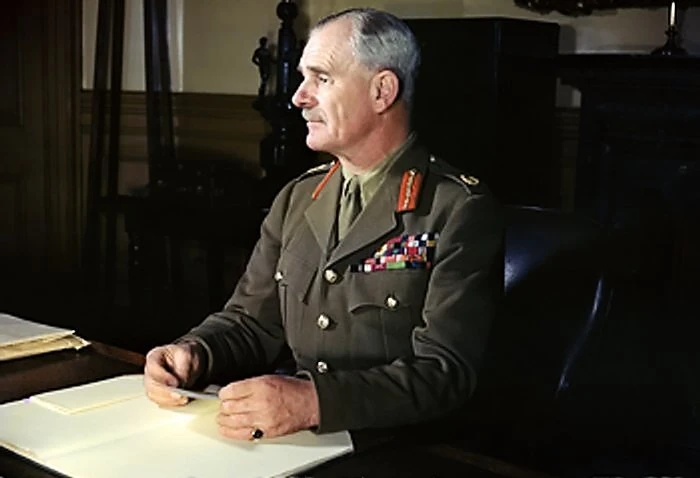
Battleaxe — Wavell before Halfaya
Crusader: The Generals' Doubt
Rommel's ghost division
Fall Gelb — the order of 9 May 20:00

The crossing of the Meuse at Dinant
Zhukov Counterattacks
Graziani enters Egypt — Sidi Barrani
The Mud, the Winter and the Road to Moscow
Perekop: the Iron Gate of Crimea
The Houx weir
Battleaxe — Wavell before Halfaya
Crusader: The Generals' Doubt
Rommel's ghost division
Fall Gelb — the order of 9 May 20:00
The crossing of the Meuse at Dinant